The Letters · New Testament
Hebrews 11
Hebrews 11: a roll of those who lived by faith and did not receive the promise
General context
Faith is called the substance of things hoped for and the evidence of things not seen, the thing by which the elders obtained a good report and by which the worlds are understood to have been framed by God's word. A roll follows, each entry opening with the same phrase. Abel offered a better sacrifice than Cain and still speaks though dead. Enoch was translated without seeing death. Noah, warned of what was not yet seen, built an ark. Abraham obeyed a call and went out not knowing where, living in tents with Isaac and Jacob, looking for a city with foundations. Sara received strength to conceive past age, and from one man as good as dead came descendants like the stars and the sand. The writer pauses to say these all died without receiving the promises, confessing themselves strangers who sought a better country. Abraham then offered up Isaac, accounting that God could raise him. Isaac blessed Jacob and Esau; the dying Jacob blessed Joseph's sons; Joseph gave commandment about his bones. Moses was hidden three months, refused the name of son to Pharaoh's daughter, chose affliction with the people of God, forsook Egypt and kept the passover. The people passed the Red sea, Jericho's walls fell after seven days, and Rahab the harlot was spared for receiving the spies in peace. Time would fail, the writer says, to tell of Gedeon, Barak, Samson, Jephthae, David, Samuel and the prophets, then lists what faith did and what it cost, from stopping lions' mouths to being sawn asunder. All obtained a good report and received not the promise, because God provided some better thing.
Cited passages: Hebrews 11:1, Hebrews 11:3, Hebrews 11:4, Hebrews 11:5, Hebrews 11:7, Hebrews 11:8, Hebrews 11:10, Hebrews 11:11, Hebrews 11:12, Hebrews 11:13, Hebrews 11:16, Hebrews 11:17, Hebrews 11:20, Hebrews 11:21, Hebrews 11:22, Hebrews 11:23, Hebrews 11:24, Hebrews 11:29, Hebrews 11:30, Hebrews 11:31, Hebrews 11:32, Hebrews 11:37, Hebrews 11:39, Hebrews 11:40
Hebrews 11 (KJV)
1Now faith is the substance of things hoped for, the evidence of things not seen.
2For by it the elders obtained a good report.
3Through faith we understand that the worlds were framed by the word of God, so that things which are seen were not made of things which do appear.
4By faith Abel offered unto God a more excellent sacrifice than Cain, by which he obtained witness that he was righteous, God testifying of his gifts: and by it he being dead yet speaketh.
5By faith Enoch was translated that he should not see death; and was not found, because God had translated him: for before his translation he had this testimony, that he pleased God.
6But without faith it is impossible to please him: for he that cometh to God must believe that he is, and that he is a rewarder of them that diligently seek him.
7By faith Noah, being warned of God of things not seen as yet, moved with fear, prepared an ark to the saving of his house; by the which he condemned the world, and became heir of the righteousness which is by faith.
8By faith Abraham, when he was called to go out into a place which he should after receive for an inheritance, obeyed; and he went out, not knowing whither he went.
9By faith he sojourned in the land of promise, as in a strange country, dwelling in tabernacles with Isaac and Jacob, the heirs with him of the same promise:
10For he looked for a city which hath foundations, whose builder and maker is God.
11Through faith also Sara herself received strength to conceive seed, and was delivered of a child when she was past age, because she judged him faithful who had promised.
12Therefore sprang there even of one, and him as good as dead, so many as the stars of the sky in multitude, and as the sand which is by the sea shore innumerable.
13These all died in faith, not having received the promises, but having seen them afar off, and were persuaded of them, and embraced them, and confessed that they were strangers and pilgrims on the earth.
14For they that say such things declare plainly that they seek a country.
15And truly, if they had been mindful of that country from whence they came out, they might have had opportunity to have returned.
16But now they desire a better country, that is, an heavenly: wherefore God is not ashamed to be called their God: for he hath prepared for them a city.
17By faith Abraham, when he was tried, offered up Isaac: and he that had received the promises offered up his only begotten son,
18Of whom it was said, That in Isaac shall thy seed be called:
19Accounting that God was able to raise him up, even from the dead; from whence also he received him in a figure.
20By faith Isaac blessed Jacob and Esau concerning things to come.
21By faith Jacob, when he was a dying, blessed both the sons of Joseph; and worshipped, leaning upon the top of his staff.
22By faith Joseph, when he died, made mention of the departing of the children of Israel; and gave commandment concerning his bones.
23By faith Moses, when he was born, was hid three months of his parents, because they saw he was a proper child; and they were not afraid of the king’s commandment.
24By faith Moses, when he was come to years, refused to be called the son of Pharaoh’s daughter;
25Choosing rather to suffer affliction with the people of God, than to enjoy the pleasures of sin for a season;
26Esteeming the reproach of Christ greater riches than the treasures in Egypt: for he had respect unto the recompence of the reward.
27By faith he forsook Egypt, not fearing the wrath of the king: for he endured, as seeing him who is invisible.
28Through faith he kept the passover, and the sprinkling of blood, lest he that destroyed the firstborn should touch them.
29By faith they passed through the Red sea as by dry land: which the Egyptians assaying to do were drowned.
30By faith the walls of Jericho fell down, after they were compassed about seven days.
31By faith the harlot Rahab perished not with them that believed not, when she had received the spies with peace.
32And what shall I more say? for the time would fail me to tell of Gedeon, and of Barak, and of Samson, and of Jephthae; of David also, and Samuel, and of the prophets:
33Who through faith subdued kingdoms, wrought righteousness, obtained promises, stopped the mouths of lions,
34Quenched the violence of fire, escaped the edge of the sword, out of weakness were made strong, waxed valiant in fight, turned to flight the armies of the aliens.
35Women received their dead raised to life again: and others were tortured, not accepting deliverance; that they might obtain a better resurrection:
36And others had trial of cruel mockings and scourgings, yea, moreover of bonds and imprisonment:
37They were stoned, they were sawn asunder, were tempted, were slain with the sword: they wandered about in sheepskins and goatskins; being destitute, afflicted, tormented;
38(Of whom the world was not worthy:) they wandered in deserts, and in mountains, and in dens and caves of the earth.
39And these all, having obtained a good report through faith, received not the promise:
40God having provided some better thing for us, that they without us should not be made perfect.
This page shows the King James Version. In the app, reading opens in the Berean Standard Bible unless you have chosen another translation. The reader includes five translations: the Berean Standard Bible (BSB), the King James Version (KJV), the World English Bible (WEB), the Bible in Basic English (BBE), and the American Standard Version (ASV). Search covers three of them: Berean Standard, King James, and World English. Basic English and American Standard readers search the King James words.
Historical context
The writer speaks as one person here, saying "the time would fail me to tell" of the rest, as he does at Hebrews 10:34 in mentioning his bonds. The names are given without dates or places, and several entries add motives or thoughts the roll states directly, such as Moses "Esteeming the reproach of Christ greater riches than the treasures in Egypt" and Abraham "Accounting that God was able to raise him up, even from the dead". Sara is named as receiving strength to conceive, and the letter does not repeat anything else about her. Rahab is named as "the harlot" and credited with receiving the spies with peace. The one quotation in the chapter, "That in Isaac shall thy seed be called", matches Genesis 21:12, where it reads "for in Isaac shall thy seed be called". From verse 35 the list stops naming anyone: those tortured, mocked, scourged, imprisoned, stoned and sawn asunder are left unnamed, and the letter says nothing about when these things happened. Its closing claim is that none of them received the promise.
Cited passages: Hebrews 11:32, Hebrews 11:26, Hebrews 11:19, Hebrews 11:11, Hebrews 11:31, Hebrews 11:18, Genesis 21:12, Hebrews 11:36, Hebrews 11:39, Hebrews 10:34
Literary context
The chapter is a list held together by one repeated opening: By faith opens fourteen entries, with Through faith three times in its place. Length varies on purpose: Abel gets a line, Moses gets six verses, and Gedeon, Barak, Samson and Jephthae get only their names. Twice the list stops for comment, at verses 13 to 16 and again at 39 and 40, and both comments say the same thing, that these people did not get what was promised. That refrain works against the usual shape of a list of successes, and the deeds of verses 33 and 34 are answered by the sufferings of 35 to 38, subduing kingdoms set beside being sawn asunder. The definition at verse 1 controls the whole, since each entry turns on something not yet in hand, and the closing verse ties them to the readers: "they without us should not be made perfect".
Cited passages: Hebrews 11:1, Hebrews 11:4, Hebrews 11:11, Hebrews 11:13, Hebrews 11:33, Hebrews 11:35, Hebrews 11:38, Hebrews 11:39, Hebrews 11:40
Key moments
- Faith defined (Hebrews 11:1). Faith is named as substance and evidence of what is not seen.
- Abel still speaks (Hebrews 11:4). The first entry says a dead man's offering still testifies.
- Out, not knowing where (Hebrews 11:8). Abraham obeys a call to a place he has not been shown.
- They died not having received (Hebrews 11:13). The list pauses to say the promises were seen only from afar.
- Moses refuses a title (Hebrews 11:24). Moses declines to be called the son of Pharaoh's daughter.
- Rahab spared (Hebrews 11:31). A named harlot is credited with receiving the spies in peace.
- Some better thing (Hebrews 11:40). The chapter ends by tying the whole list to the readers.
For reflection
The same phrase covers those who shut the mouths of lions and those who were sawn asunder. What does it change to see rescue and death listed under one heading, with no explanation of why the outcomes differ?
People in this chapter
 Isaac
Isaac Jacob
Jacob Abraham
 Joseph (OT)
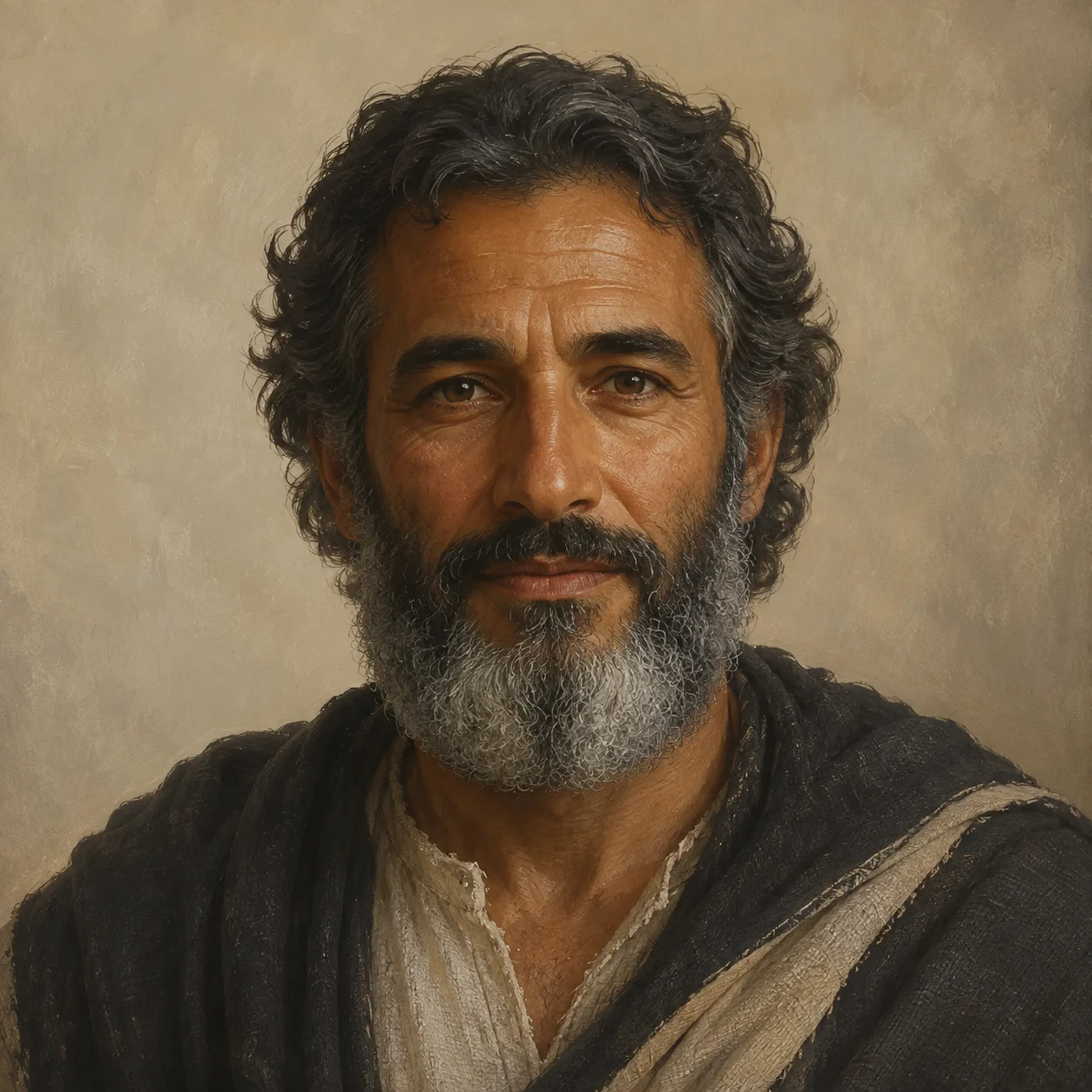 Moses
Moses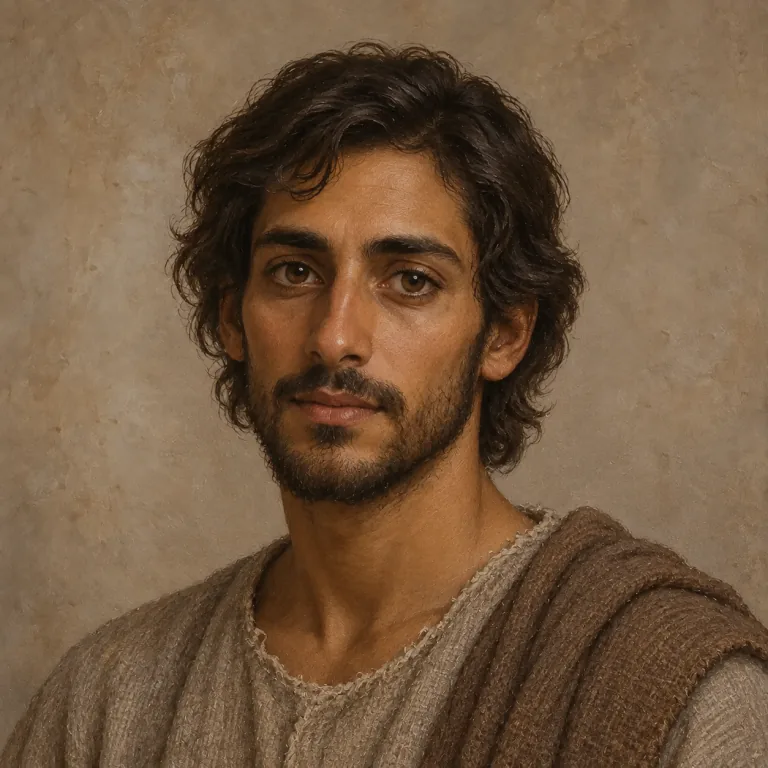 Abel
Abel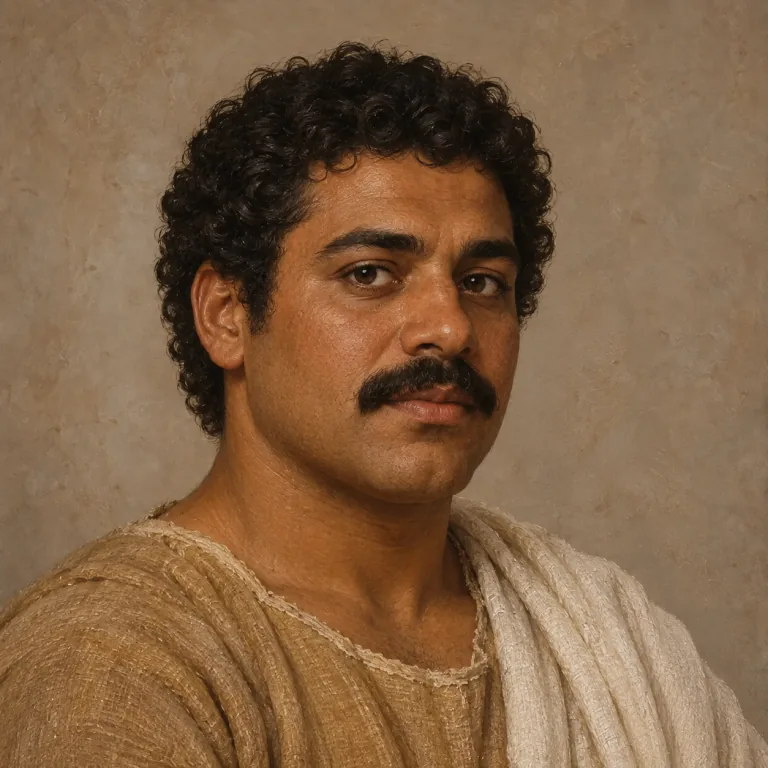 Barak
Barak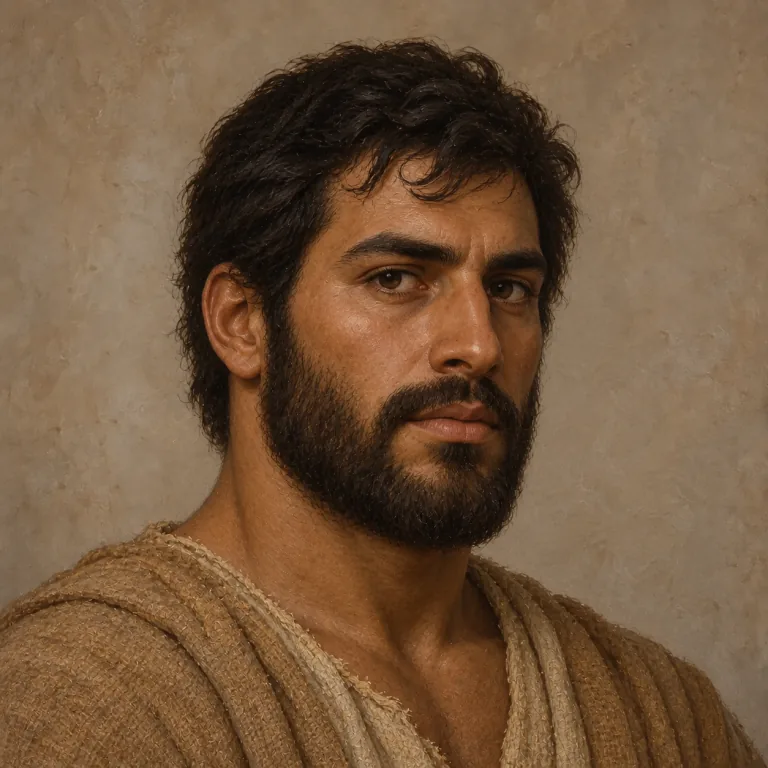 Cain
Cain David
David Enoch
Enoch Esau
Esau Gideon
 Jephthah
 Jesus Christ
 Noah
Noah Rahab
Rahab Samson
 Samuel
 Sarah
Sarah
Also indexed here: