Person in the Old and New Testaments
Esau
Esau: a lost birthright, bitter tears and a brother's embrace
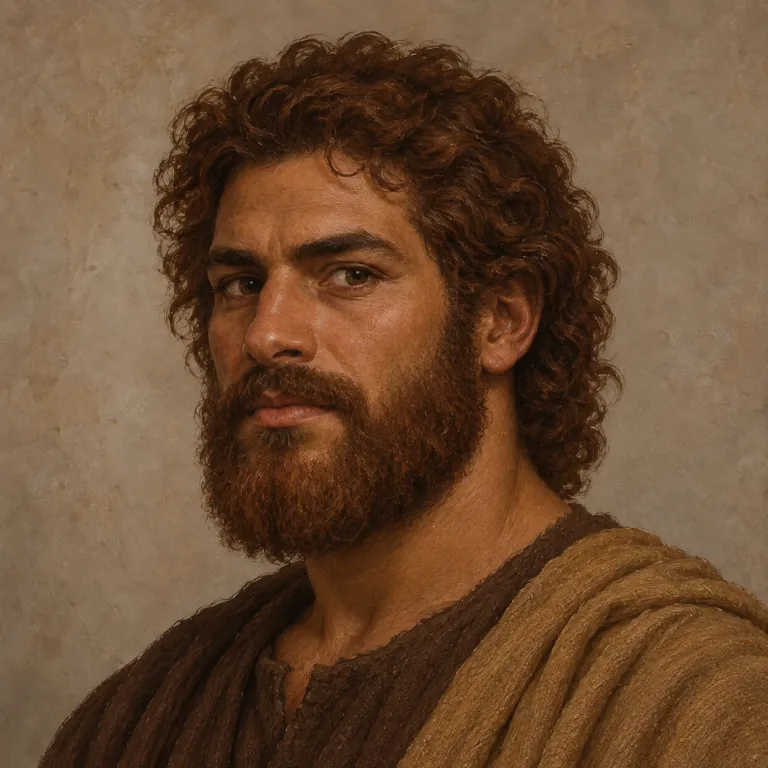
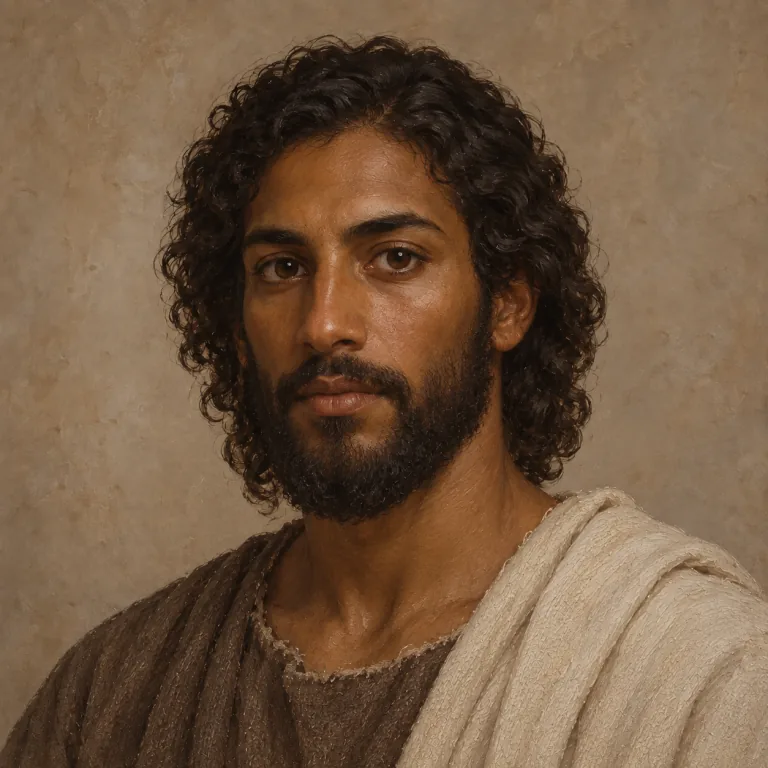
Portrait: an AI-generated artistic interpretation, not evidence of how Esau looked.
Who Esau is
Esau is Isaac and Rebekah's elder twin, born red and hairy, with Jacob holding his heel. He becomes a skilled hunter favoured by Isaac, while Rebekah favours Jacob. Returning faint from the field, he swears away his birthright for Jacob's bread and lentil stew; the narrator says he despised it. Later, while Esau hunts for his father, Rebekah helps Jacob impersonate him and receive Isaac's blessing. Esau returns, cries bitterly and asks for a blessing too. Isaac speaks of life by the sword, service to his brother and eventual release from the yoke. Esau plans to kill Jacob after their father's death, prompting Rebekah to arrange Jacob's flight. At their later reunion, Esau approaches with four hundred men, which frightens Jacob. He then runs to embrace and kiss his brother, and both weep. Esau initially declines the gift, saying he has enough, accepts after Jacob's urging, and offers to accompany him or leave men with him. He returns to Seir; the brothers later bury Isaac together. Genesis 36 identifies Esau as Edom, traces his descendants and explains separation from Jacob by possessions and livestock too great for the land to sustain together. It gives no account of Esau's death.
Cited passages: Genesis 25:21, Genesis 25:22, Genesis 25:23, Genesis 25:24, Genesis 25:25, Genesis 25:26, Genesis 25:27, Genesis 25:28, Genesis 25:29, Genesis 25:30, Genesis 25:31, Genesis 25:32, Genesis 25:33, Genesis 25:34, Genesis 27:1, Genesis 27:2, Genesis 27:3, Genesis 27:4, Genesis 27:5, Genesis 27:14, Genesis 27:15, Genesis 27:16, Genesis 27:17, Genesis 27:18, Genesis 27:19, Genesis 27:30, Genesis 27:31, Genesis 27:32, Genesis 27:33, Genesis 27:34, Genesis 27:35, Genesis 27:36, Genesis 27:37, Genesis 27:38, Genesis 27:39, Genesis 27:40, Genesis 27:41, Genesis 27:42, Genesis 27:43, Genesis 32:6, Genesis 32:7, Genesis 32:8, Genesis 32:9, Genesis 32:10, Genesis 32:11, Genesis 33:1, Genesis 33:2, Genesis 33:3, Genesis 33:4, Genesis 33:5, Genesis 33:6, Genesis 33:7, Genesis 33:8, Genesis 33:9, Genesis 33:10, Genesis 33:11, Genesis 33:12, Genesis 33:13, Genesis 33:14, Genesis 33:15, Genesis 33:16, Genesis 35:29, Genesis 36:1, Genesis 36:2, Genesis 36:3, Genesis 36:4, Genesis 36:5, Genesis 36:6, Genesis 36:7, Genesis 36:8, Genesis 36:9
Historical setting
Genesis links the name Edom to Esau's request for the red stew. The family lists preserve differences: Genesis 26 names Judith daughter of Beeri and Bashemath daughter of Elon; Genesis 28 adds Mahalath daughter of Ishmael; Genesis 36 names Adah daughter of Elon, Aholibamah daughter of Anah, and Bashemath daughter of Ishmael. The passages do not explain how all these names relate, so a complete harmonized marriage list would require assumptions. Isaac's words in Genesis 27:39 also differ in translation: KJV and ASV associate the dwelling with earth's richness and heaven's dew, while BBE says far from both. Esau's later biblical references often concern his descendants. Deuteronomy 2 and Joshua 24 recall Seir as his allotted possession; First Chronicles 1 places his family within a genealogy and Edomite leadership lists. Jeremiah 49, Obadiah and Malachi use Esau and Edom for a people, their territory and their conflicts. Those national judgments do not describe new scenes in the individual hunter's life.
Cited passages: Genesis 25:30, Genesis 26:34, Genesis 26:35, Genesis 28:6, Genesis 28:7, Genesis 28:8, Genesis 28:9, Genesis 36:1, Genesis 36:2, Genesis 36:3, Genesis 36:4, Genesis 36:5, Genesis 27:39, Genesis 27:40, Deuteronomy 2:4, Deuteronomy 2:5, Deuteronomy 2:12, Joshua 24:4, 1 Chronicles 1:34, 1 Chronicles 1:35, 1 Chronicles 1:36, 1 Chronicles 1:37, 1 Chronicles 1:51, 1 Chronicles 1:52, 1 Chronicles 1:53, 1 Chronicles 1:54, Jeremiah 49:7, Jeremiah 49:8, Jeremiah 49:9, Jeremiah 49:10, Obadiah 1:8, Obadiah 1:9, Obadiah 1:10, Obadiah 1:11, Obadiah 1:12, Obadiah 1:13, Obadiah 1:14, Malachi 1:2, Malachi 1:3, Malachi 1:4
How the story is told
The birthright sale and the stolen blessing are separate scenes that Esau joins in his accusation against Jacob. The brief sequence of eating, drinking, rising and leaving contrasts with the extended bitter appeal when the blessing is gone. Later, Jacob's fear of the four hundred men gives way to the narrated embrace; the story records Esau's welcome without giving an account of his thoughts during their years apart. The brothers then take separate routes. Later writers choose different aspects of the story: Romans 9 uses the prenatal oracle and Malachi's Jacob-loved/Esau-hated words in its argument about divine choice; Hebrews 11 names Isaac's blessing of both sons as an act of faith. Hebrews 12 uses Esau's sale and later tears as a warning. Its KJV phrase no place of repentance is rendered in ASV as no change of mind in his father, and in BBE as the past being unchangeable. That warning should be read with its focus on the lost blessing, rather than turned into an invented account of Esau asking God for forgiveness and being refused.
Cited passages: Genesis 25:33, Genesis 25:34, Genesis 27:34, Genesis 27:35, Genesis 27:36, Genesis 27:37, Genesis 27:38, Genesis 27:39, Genesis 27:40, Genesis 27:41, Genesis 32:6, Genesis 32:7, Genesis 32:8, Genesis 32:9, Genesis 32:10, Genesis 32:11, Genesis 33:4, Genesis 33:5, Genesis 33:6, Genesis 33:7, Genesis 33:8, Genesis 33:9, Genesis 33:10, Genesis 33:11, Genesis 33:12, Genesis 33:13, Genesis 33:14, Genesis 33:15, Genesis 33:16, Genesis 33:17, Romans 9:10, Romans 9:11, Romans 9:12, Romans 9:13, Romans 9:14, Romans 9:15, Romans 9:16, Malachi 1:2, Malachi 1:3, Malachi 1:4, Hebrews 11:20, Hebrews 12:14, Hebrews 12:15, Hebrews 12:16, Hebrews 12:17
Story moments
- The elder twin (Genesis 25:25). Esau is born first, described as red and hairy, before Jacob emerges holding his heel.
- A birthright sworn away (Genesis 25:33). Esau swears to sell his birthright to Jacob in the exchange for food.
- A bitter appeal to his father (Genesis 27:34). Hearing that the blessing has already been given, Esau cries out and asks Isaac to bless him too.
- He runs to embrace Jacob (Genesis 33:4). The feared meeting becomes an embrace, a kiss and shared tears.
- Enough of his own (Genesis 33:9). Esau initially tells Jacob to keep the offered possessions because he already has enough.
- The brothers bury Isaac (Genesis 35:29). Esau and Jacob appear together at their father's burial.
Key passages
Genesis 25:25
And the first came out red, all over like an hairy garment; and they called his name Esau.
Genesis 25:26
And after that came his brother out, and his hand took hold on Esau’s heel; and his name was called Jacob: and Isaac was threescore years old when she bare them.
Genesis 25:27
And the boys grew: and Esau was a cunning hunter, a man of the field; and Jacob was a plain man, dwelling in tents.
Genesis 25:28
And Isaac loved Esau, because he did eat of his venison: but Rebekah loved Jacob.
Genesis 25:29
And Jacob sod pottage: and Esau came from the field, and he was faint:
Genesis 25:30
And Esau said to Jacob, Feed me, I pray thee, with that same red pottage; for I am faint: therefore was his name called Edom.
King James Version. 84 indexed passages in total.
For reflection
Esau's earlier threat and later embrace both belong to the story. How can you leave room to notice what another person actually does now, while still remembering what made trust difficult?
Books Esau appears in
Related people
Names and references are adapted from STEPBible TIPNR. A person listed with a verse is named or indexed there; it does not mean they wrote or spoke it.