Person in the Old and New Testaments
Abraham
Abraham: promise, difficult obedience and a family’s future
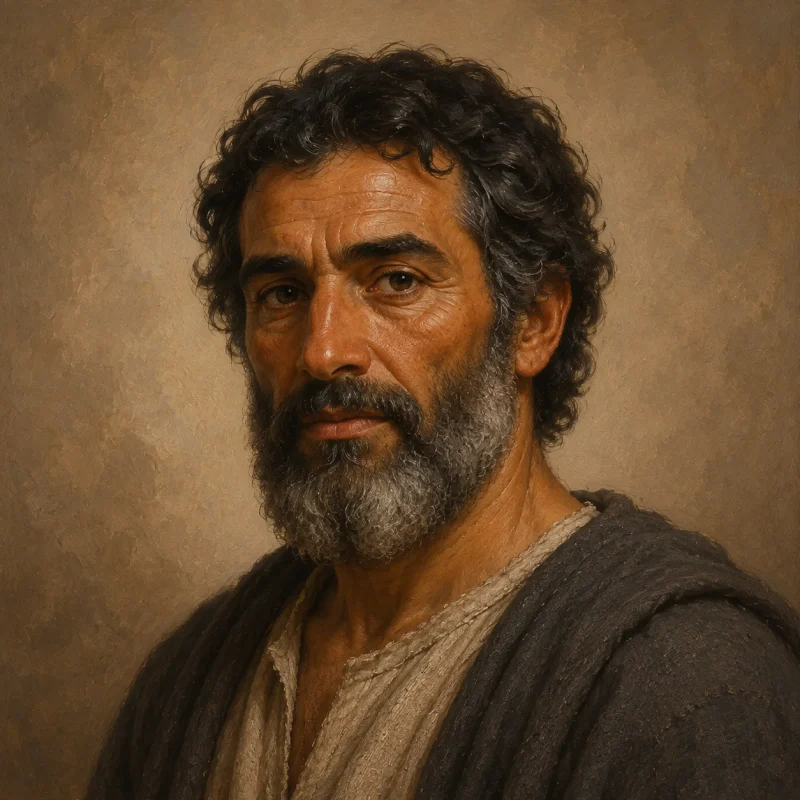
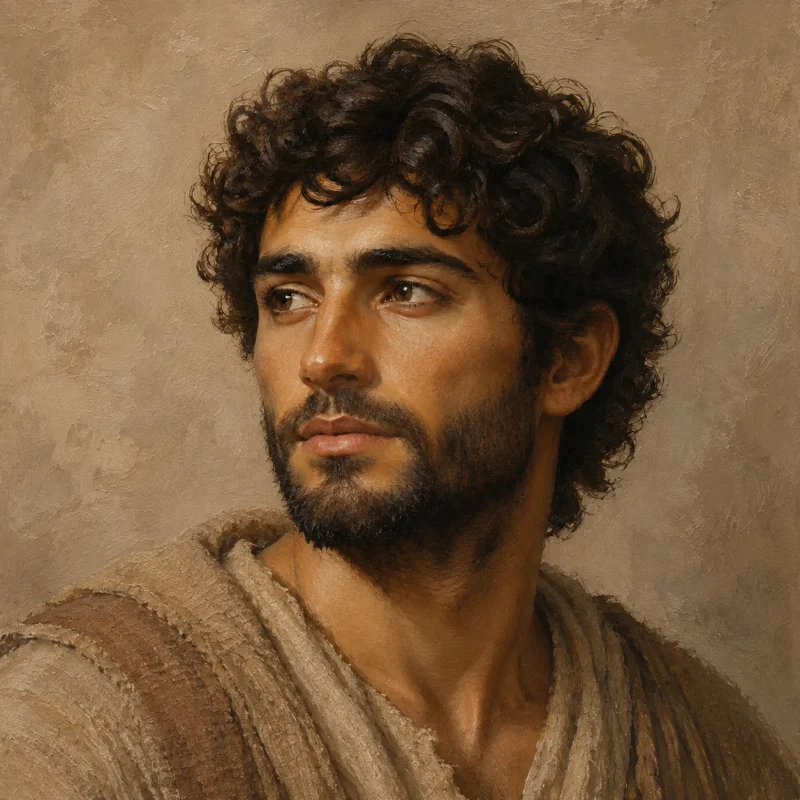
Portrait: an AI-generated artistic interpretation, not evidence of how Abraham looked.
Who Abraham is
Abraham first appears as Abram, Terah's son, married to Sarai. The family travels from Ur toward Canaan and settles in Haran. At seventy-five Abram leaves Haran in response to God's call, taking Sarai and his nephew Lot. God promises land and descendants, a great nation and blessing for all families of the earth. When Abram asks about his childlessness, God promises an heir from his own body; Abram believes, and the account says this is counted to him as righteousness. A covenant scene foretells his descendants' oppression, deliverance and return. Hagar bears his son Ishmael when Abram is eighty-six. At ninety-nine God renames him Abraham, promises many nations, gives circumcision as the covenant sign, and names Sarah's coming son Isaac as the covenant heir, while also promising to bless Ishmael. Abraham circumcises the males of his household. Isaac is born when Abraham is one hundred. Later God tests Abraham by commanding him to offer Isaac. Abraham binds his son and takes the knife, but the angel stops him; he sacrifices a ram in Isaac's place. The account renews the promise of descendants and blessing through them. After Sarah dies, Abraham buys Machpelah for her burial. He sends his senior servant to seek a wife for Isaac from his kin, without taking Isaac back there; Rebekah agrees to come. Genesis also names six sons by Keturah. Abraham gives Isaac his inheritance and gifts to his other sons before sending them east. He dies at one hundred seventy-five; Isaac and Ishmael bury him beside Sarah.
Cited passages: Genesis 11:27, Genesis 11:29, Genesis 11:31, Genesis 12:1, Genesis 12:2, Genesis 12:3, Genesis 12:4, Genesis 12:5, Genesis 12:7, Genesis 15:2, Genesis 15:4, Genesis 15:6, Genesis 15:13, Genesis 15:14, Genesis 15:16, Genesis 17:1, Genesis 17:5, Genesis 17:10, Genesis 17:11, Genesis 17:19, Genesis 17:20, Genesis 17:23, Genesis 21:5, Genesis 22:1, Genesis 22:2, Genesis 22:9, Genesis 22:10, Genesis 22:12, Genesis 22:13, Genesis 22:17, Genesis 22:18, Genesis 23:16, Genesis 23:19, Genesis 24:2, Genesis 24:4, Genesis 24:6, Genesis 24:8, Genesis 24:58, Genesis 25:1, Genesis 25:2, Genesis 25:5, Genesis 25:6, Genesis 25:7, Genesis 25:9, Genesis 25:10, Genesis 16:15, Genesis 16:16, Genesis 15:5
Historical setting
Genesis places Abraham among migrating households, rival herdsmen and city rulers. He has substantial wealth and enslaved people. When pasture cannot support both households, he offers Lot the choice of land. After invading kings capture Lot, Abraham pursues them with 318 trained household men and recovers people and goods. Melchizedek, king of Salem and priest of God Most High, blesses him; Abraham gives him a tenth and refuses Sodom's goods for himself, allowing his allies their portion. Abraham's fear also endangers Sarah. In Egypt he asks her to say she is his sister; Pharaoh takes her, suffers plagues and rebukes Abraham. At Gerar he again calls Sarah his sister. God prevents Abimelech from touching her; the king returns her and challenges Abraham, who explains his fear and their shared father. Abraham prays for the household's healing. Hagar's story includes his responsibility: he accepts Sarah's plan to have a child through her enslaved woman, then leaves Hagar in Sarah's power. Sarah's harsh treatment drives Hagar away. Later, distressed at Sarah's demand to expel Hagar and Ishmael, he follows God's instruction and sends them away with bread and water. God rescues them in the wilderness. Abraham also hosts visitors, pleads that Sodom not be destroyed with its righteous inhabitants, and sees its smoke afterward; God remembers Abraham in rescuing Lot. His dealings include a well dispute and treaty at Beer-sheba and a public purchase of Sarah's burial field for four hundred shekels.
Cited passages: Genesis 13:2, Genesis 17:23, Genesis 13:6, Genesis 13:9, Genesis 14:12, Genesis 14:14, Genesis 14:16, Genesis 14:18, Genesis 14:19, Genesis 14:20, Hebrews 7:2, Genesis 14:23, Genesis 14:24, Genesis 12:12, Genesis 12:13, Genesis 12:15, Genesis 12:17, Genesis 12:18, Genesis 20:2, Genesis 20:6, Genesis 20:9, Genesis 20:11, Genesis 20:12, Genesis 20:14, Genesis 20:17, Genesis 16:2, Genesis 16:3, Genesis 16:6, Genesis 21:10, Genesis 21:11, Genesis 21:12, Genesis 21:14, Genesis 21:17, Genesis 21:19, Genesis 18:2, Genesis 18:8, Genesis 18:24, Genesis 18:25, Genesis 18:32, Genesis 19:28, Genesis 19:29, Genesis 21:25, Genesis 21:27, Genesis 21:30, Genesis 21:31, Genesis 23:16
How the story is told
Promise runs through Abraham's story alongside waiting, laughter, danger and obedience. Both Abraham and Sarah laugh before Isaac's birth. Genesis 22 calls the binding a test; it records the threatened killing and the command to stop, without stating Isaac's age or consent. Exodus connects Israel's rescue to God's covenant with Abraham, Isaac and Jacob; Moses appeals to that oath after the golden calf. Later prayers and prophetic appeals remember Abraham as God's servant and friend, while Ezekiel challenges people who claim his inheritance but practice violence. The Gospels use his name in Jesus' ancestry, warnings against relying on ancestry alone, and teaching about resurrection. In Luke's story of the rich man and Lazarus, Abraham tells the rich man that his brothers should hear Moses and the prophets. John records Jesus' claim that Abraham rejoiced to see his day. Paul reads Abraham's credited righteousness before circumcision as a basis for believers from the nations sharing the promise, and identifies the promised seed with Christ. Galatians' use of Hagar and Sarah is explicitly allegorical. Hebrews recalls Abraham's pilgrimage and test, explaining that he reasoned God could raise Isaac from death; Genesis does not narrate Isaac's death or resurrection. Hebrews also uses his tithe and Melchizedek's blessing in its argument about priesthood. James stresses faith working with deeds and becoming complete through them, citing the same righteousness passage. These are distinct uses of Abraham that should be read in their own arguments.
Cited passages: Genesis 17:17, Genesis 18:12, Genesis 22:1, Genesis 22:9, Genesis 22:10, Genesis 22:12, Exodus 2:24, Exodus 3:6, Exodus 32:13, Nehemiah 9:7, Nehemiah 9:8, Psalms 105:6, Isaiah 41:8, Ezekiel 33:24, Ezekiel 33:25, Ezekiel 33:26, Matthew 1:1, Matthew 3:8, Matthew 3:9, Matthew 22:31, Matthew 22:32, Luke 16:27, Luke 16:29, Luke 16:31, John 8:56, Romans 4:3, Romans 4:9, Romans 4:10, Romans 4:11, Romans 4:16, Galatians 3:14, Galatians 3:16, Galatians 3:29, Galatians 4:24, Hebrews 11:8, Hebrews 11:9, Hebrews 11:17, Hebrews 11:19, Hebrews 7:4, Hebrews 7:6, Hebrews 7:7, Hebrews 7:11, James 2:22, James 2:23, James 2:24, Exodus 32:4, Exodus 32:8
Story moments
- Abram leaves Haran (Genesis 12:4). At seventy-five Abram leaves with Sarai and Lot in response to the call and promise.
- Belief is counted as righteousness (Genesis 15:6). God answers Abram’s childlessness with a promised heir and descendants like the stars; Abram believes.
- Abram becomes Abraham (Genesis 17:5). God gives him a new name connected to many nations, establishes circumcision and promises Isaac through Sarah.
- Abraham appeals for justice (Genesis 18:25). Abraham asks whether the Judge of all the earth will destroy the righteous with the wicked, pleading down to ten righteous people.
- The command to stop (Genesis 22:12). After Abraham binds Isaac and takes the knife, the angel stops him. A ram becomes the offering in Isaac’s place.
Key passages
Genesis 11:26
And Terah lived seventy years, and begat Abram, Nahor, and Haran.
Genesis 11:27
Now these are the generations of Terah: Terah begat Abram, Nahor, and Haran; and Haran begat Lot.
Genesis 11:29
And Abram and Nahor took them wives: the name of Abram’s wife was Sarai; and the name of Nahor’s wife, Milcah, the daughter of Haran, the father of Milcah, and the father of Iscah.
Genesis 11:31
And Terah took Abram his son, and Lot the son of Haran his son’s son, and Sarai his daughter in law, his son Abram’s wife; and they went forth with them from Ur of the Chaldees, to go into the land of Canaan; and they came unto Haran, and dwelt there.
Genesis 12:1
Now the Lord had said unto Abram, Get thee out of thy country, and from thy kindred, and from thy father’s house, unto a land that I will shew thee:
Genesis 12:4
So Abram departed, as the Lord had spoken unto him; and Lot went with him: and Abram was seventy and five years old when he departed out of Haran.
King James Version. 275 indexed passages in total.
For reflection
What do Abraham's questions, laughter and actions add to the later descriptions of his faith? How does keeping Sarah, Hagar and Ishmael in view affect your reading of the promises and the choices made within his household?
Books Abraham appears in
Related people

Names and references are adapted from STEPBible TIPNR. A person listed with a verse is named or indexed there; it does not mean they wrote or spoke it.