Person in the Old and New Testaments
Enoch
Enoch: the son of Jared who walked with God and was not
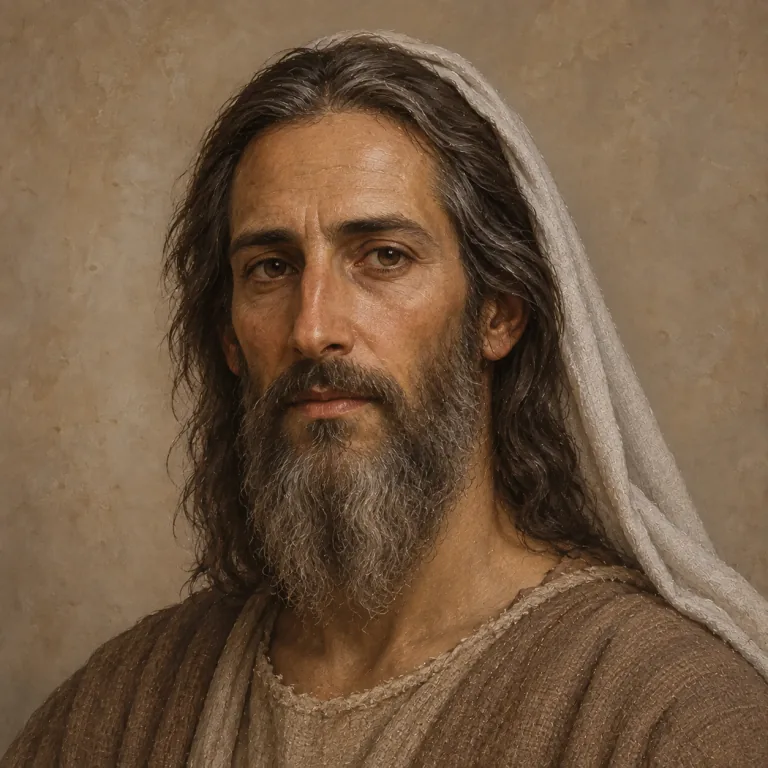
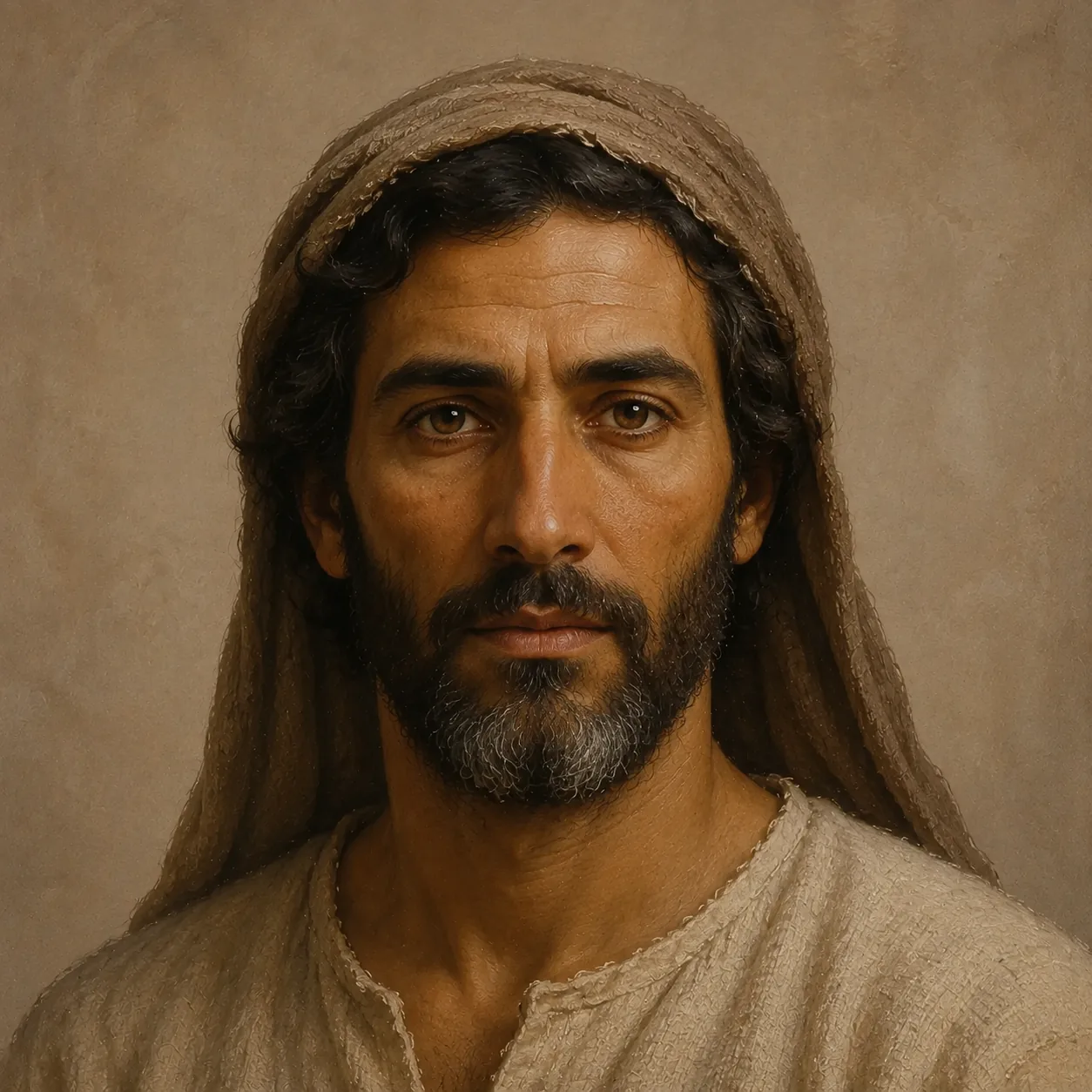
Portrait: an AI-generated artistic interpretation, not evidence of how Enoch looked.
Who Enoch is
Enoch appears in the genealogy of Adam through Seth. Jared lives one hundred sixty-two years and begets Enoch. Enoch lives sixty-five years and begets Methuselah. After Methuselah's birth Enoch walks with God three hundred years and begets sons and daughters. The narrator gives his total as three hundred sixty-five years, then says Enoch walked with God and he was not, for God took him. Chronicles lists him as Henoch between Jared and Methuselah, and Luke's genealogy runs back through Mathusala, Enoch and Jared to Adam. Hebrews says that by faith Enoch was translated so that he should not see death, was not found because God translated him, and before his translation had the testimony that he pleased God. Jude calls him the seventh from Adam and quotes a prophecy about the Lord coming with ten thousands of his saints to execute judgment.
Cited passages: Genesis 5:18, Genesis 5:19, Genesis 5:21, Genesis 5:22, Genesis 5:23, Genesis 5:24, 1 Chronicles 1:3, Luke 3:37, Hebrews 11:5, Jude 1:14, Jude 1:15, Luke 3:38
Historical setting
This Enoch is the son of Jared in the line of Seth, and the father of Methuselah. He is a different man from Enoch the son of Cain, after whom Cain names a city in Genesis 4. Counting the names printed in Genesis 5, Adam, Seth, Enos, Cainan, Mahalaleel, Jared and Enoch, he is the seventh, which matches Jude's phrase the seventh from Adam. Every entry from Adam through Lamech closes with the words and he died; Enoch's does not, and the chapter's last entry, for Noah, records an age and three sons without a death notice. In its place the narrator writes that he was not, for God took him, without saying where he was taken or how. The text gives no words of Enoch, no account of what walking with God involved, and no description of his sons and daughters beyond Methuselah. The later books supply readings. Hebrews says he was translated and did not see death, and calls his walking with God a testimony that he pleased God. Jude attributes to him a spoken prophecy; that speech is not printed anywhere in Genesis, and Jude is its only source in this text. Chronicles spells the name Henoch and his father's name Jered, and Luke spells his son's name Mathusala.
Cited passages: Genesis 5:18, Genesis 5:21, Genesis 4:17, Genesis 5:3, Genesis 5:6, Genesis 5:9, Genesis 5:12, Genesis 5:15, Jude 1:14, Genesis 5:20, Genesis 5:24, Hebrews 11:5, 1 Chronicles 1:3, Luke 3:37, Genesis 5:32, 1 Chronicles 1:2
How the story is told
Genesis 5 repeats one formula for each generation: a man lives so many years, begets a named son, lives further years and begets sons and daughters, and all his days are counted, and he died. Enoch's entry follows the formula until the point where it should say and he died, and there the narrator writes something else. The phrase walked with God is printed twice in his entry and nowhere else in the chapter, taking the place of the plain lived after he begat found in the other entries. His total of three hundred sixty-five years is the shortest in the list, set among totals running from seven hundred seventy-seven to nine hundred sixty-nine years, so the one who does not die is also the one whose count is briefest. The same phrase, walked with God, is used of Noah in the next section of the book. Hebrews places Enoch second in its list of faith after Abel and before Noah, and uses the Genesis silence about death as its point. Jude uses him as a witness whose words condemn the ungodly.
Cited passages: Genesis 5:15, Genesis 5:16, Genesis 5:17, Genesis 5:22, Genesis 5:24, Genesis 5:19, Genesis 5:23, Genesis 5:27, Genesis 6:9, Hebrews 11:4, Hebrews 11:5, Hebrews 11:7, Jude 1:15, Genesis 5:31
Story moments
- Jared begets Enoch (Genesis 5:18). At one hundred sixty-two years Jared begets Enoch.
- Methuselah is born (Genesis 5:21). Enoch begets Methuselah at sixty-five years.
- Three hundred years with God (Genesis 5:22). After Methuselah's birth Enoch walks with God three hundred years and has sons and daughters.
- He was not, for God took him (Genesis 5:24). The narrator says Enoch walked with God and was not, because God took him.
- Translated by faith (Hebrews 11:5). Hebrews says Enoch was translated so that he should not see death and had testimony that he pleased God.
- The seventh from Adam (Jude 1:14). Jude calls Enoch the seventh from Adam and quotes a prophecy of the Lord's coming.
Key passages
Genesis 5:18
And Jared lived an hundred sixty and two years, and he begat Enoch:
Genesis 5:19
And Jared lived after he begat Enoch eight hundred years, and begat sons and daughters:
Genesis 5:21
And Enoch lived sixty and five years, and begat Methuselah:
Genesis 5:22
And Enoch walked with God after he begat Methuselah three hundred years, and begat sons and daughters:
Genesis 5:23
And all the days of Enoch were three hundred sixty and five years:
Genesis 5:24
And Enoch walked with God: and he was not; for God took him.
King James Version. 10 indexed passages in total.
For reflection
Genesis says twice that Enoch walked with God and then says only that he was not, for God took him. Why might the narrator leave the manner of his departure unsaid while the lives from Adam to Lamech all close with the same plain words?
Books Enoch appears in
Related people

Names and references are adapted from STEPBible TIPNR. A person listed with a verse is named or indexed there; it does not mean they wrote or spoke it.