Person in the Old and New Testaments
Isaac
Isaac: promise, family conflict and blessing
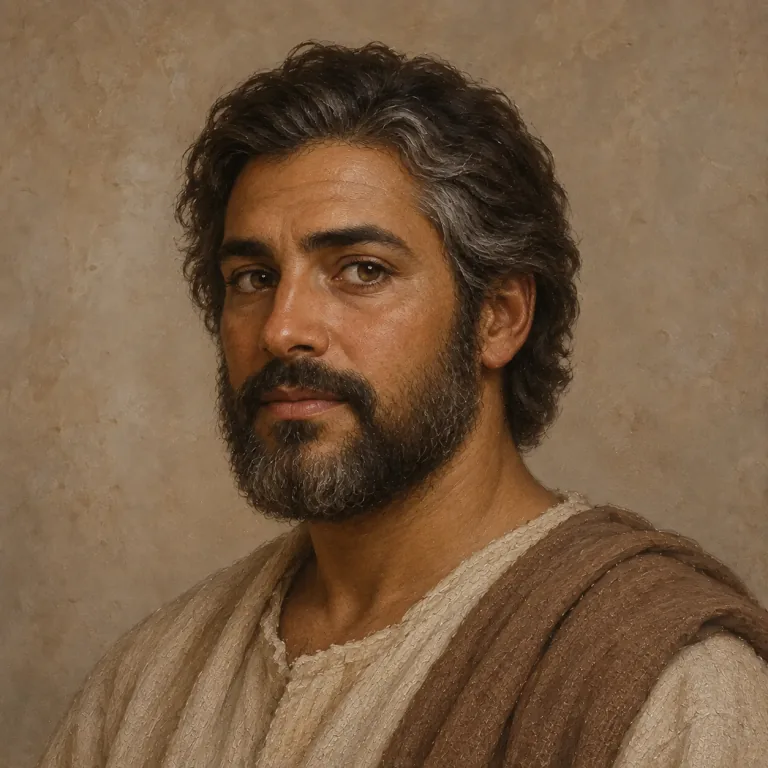
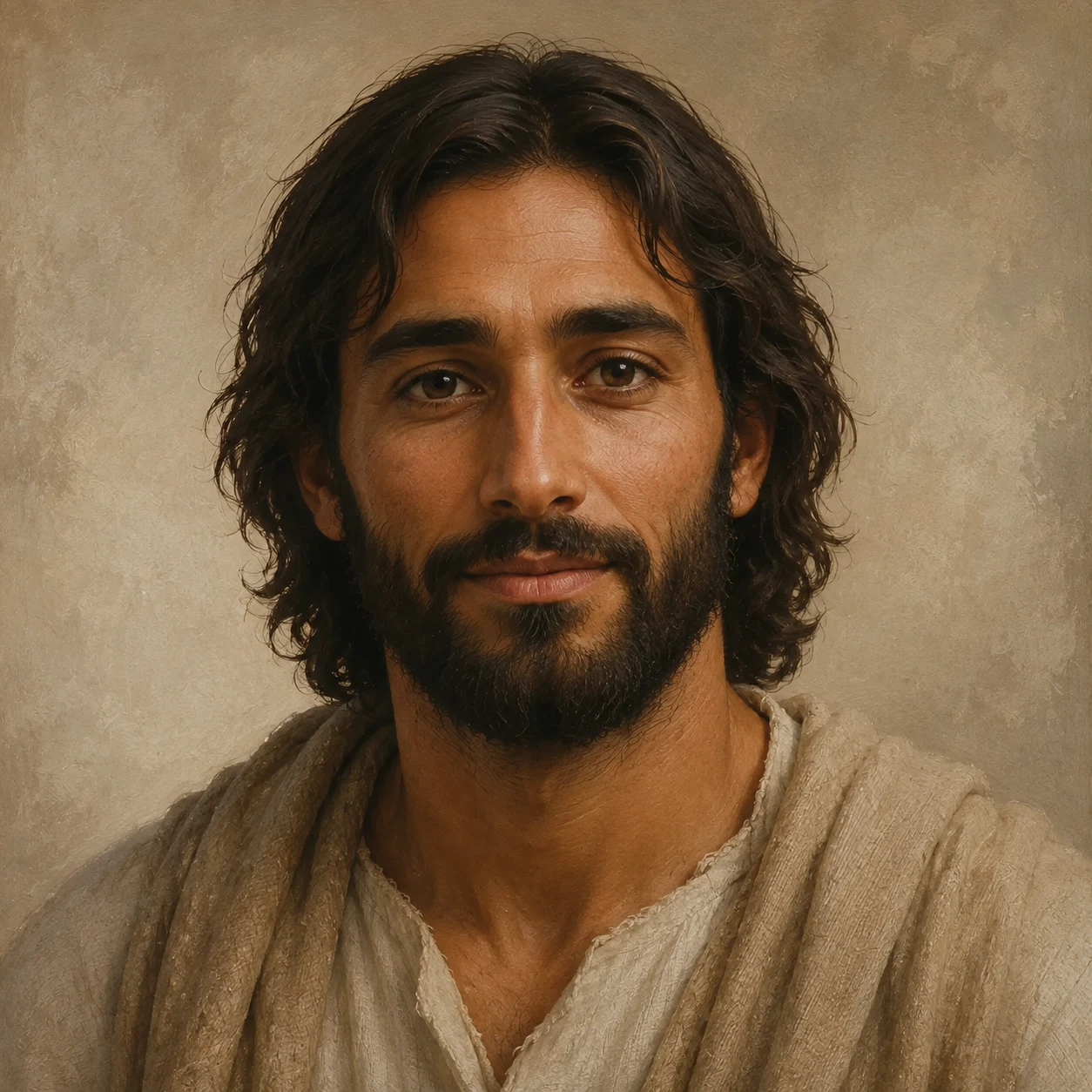
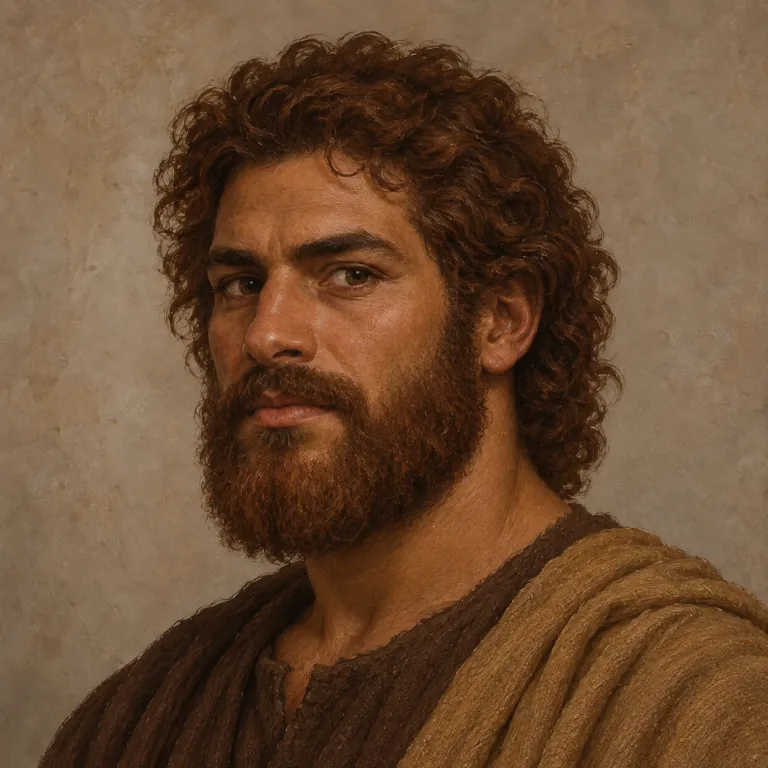
Portrait: an AI-generated artistic interpretation, not evidence of how Isaac looked.
Who Isaac is
Isaac is the son God promises to Abraham and Sarah, naming him before his birth and pledging a covenant with him and his descendants. Abraham is one hundred when Isaac is born. In the test of Abraham, Isaac carries the wood and asks where the sacrificial lamb is. Abraham binds him on the altar, but the angel of the Lord stops Abraham, and a ram is offered in Isaac's place. The passage does not give Isaac's age. Rebekah agrees to travel with Abraham's servant and becomes Isaac's wife; Genesis says he loves her. Isaac prays when she has no children, and she conceives Esau and Jacob. The oracle about two nations and the older serving the younger is given to Rebekah. Isaac favors Esau, while Rebekah favors Jacob. In old age, unable to see, Isaac is deceived by Jacob with Rebekah's help and gives him the blessing intended for Esau. Discovering this, he trembles but says the blessing will stand. He also speaks over Esau, then knowingly gives Jacob Abraham's blessing before sending him to Laban. Esau and Jacob bury Isaac after his death at one hundred eighty.
Cited passages: Genesis 17:19, Genesis 21:3, Genesis 21:5, Genesis 22:6, Genesis 22:7, Genesis 22:9, Genesis 22:12, Genesis 22:13, Genesis 24:58, Genesis 24:67, Genesis 25:21, Genesis 25:23, Genesis 25:24, Genesis 25:25, Genesis 25:26, Genesis 25:28, Genesis 27:1, Genesis 27:15, Genesis 27:16, Genesis 27:19, Genesis 27:23, Genesis 27:33, Genesis 27:39, Genesis 27:40, Genesis 28:1, Genesis 28:4, Genesis 28:5, Genesis 35:28, Genesis 35:29, Genesis 27:4
Historical setting
Genesis places Isaac's household around Gerar, Beer-lahai-roi, Beersheba and Hebron. During famine God tells him to remain in the land rather than go to Egypt, renewing the promise of land, descendants and blessing for all nations. In Gerar, Isaac calls Rebekah his sister because he fears being killed on her account. Abimelech discovers the truth, rebukes him and orders their protection. Isaac's crops and wealth prosper, the Philistines envy him, and Abimelech tells him to leave. Isaac reopens Abraham's wells. Disputes over new wells lead to further moves until an uncontested well at Rehoboth; Isaac credits the Lord with making room. At Beersheba God reaffirms the promise, Isaac builds an altar, and a later visit from Abimelech ends in a mutual oath and peaceful departure. The wider family account also includes Hagar and Ishmael being sent away over inheritance, Abraham giving his property to Isaac and gifts to his other sons, and Isaac and Ishmael burying their father together. Exodus recalls God's covenant with Isaac alongside Abraham and Jacob when God hears Israel's suffering; Isaac is their ancestor, not a participant in Moses' encounters.
Cited passages: Genesis 24:62, Genesis 35:27, Genesis 26:1, Genesis 26:2, Genesis 26:3, Genesis 26:4, Genesis 26:7, Genesis 26:9, Genesis 26:10, Genesis 26:11, Genesis 26:12, Genesis 26:14, Genesis 26:16, Genesis 26:18, Genesis 26:19, Genesis 26:20, Genesis 26:21, Genesis 26:22, Genesis 26:23, Genesis 26:24, Genesis 26:25, Genesis 26:26, Genesis 26:31, Genesis 21:10, Genesis 21:12, Genesis 21:14, Genesis 25:5, Genesis 25:6, Genesis 25:9, Exodus 2:24, Exodus 3:6
How the story is told
Promises run through Isaac's birth, the danger at the altar, the renewed covenant and blessings passed to his sons. This continuity does not erase fear, favoritism or deception in the family. Some details differ across translations: Genesis 24:67 connects Isaac's comfort with his mother's death in the KJV and ASV, but his father's death in the BBE. Genesis 27:39 describes Esau's dwelling with the earth's richness in the KJV and ASV, but far from fertile places in the BBE. Later texts use Isaac in different ways. Amos speaks of Israel as the house of Isaac, referring to the people. Jesus cites the God of Abraham, Isaac and Jacob in teaching about resurrection. Paul uses Isaac in arguments about promise and God's calling, and calls his readers children of promise in Galatians' explicit allegory. Hebrews describes Isaac blessing Jacob and Esau by faith and reads Abraham's test in terms of trust in God's power to raise the dead. James uses Abraham's offering of Isaac to discuss faith working with deeds. These later readings should be heard in their own contexts.
Cited passages: Genesis 17:19, Genesis 22:12, Genesis 26:3, Genesis 28:4, Genesis 26:7, Genesis 25:28, Genesis 27:19, Genesis 24:67, Genesis 27:39, Amos 7:9, Amos 7:16, Matthew 22:31, Matthew 22:32, Romans 9:7, Romans 9:8, Romans 9:10, Romans 9:11, Galatians 4:24, Galatians 4:28, Hebrews 11:17, Hebrews 11:19, Hebrews 11:20, James 2:21, James 2:22
Story moments
- The promised son is born (Genesis 21:3). Abraham names the son born to Sarah Isaac, as God had instructed.
- A ram takes Isaac’s place (Genesis 22:13). After the angel stops Abraham, he offers a ram instead of his son.
- Room at Rehoboth (Genesis 26:22). After disputes over wells, Isaac names an uncontested well and credits the Lord with making room.
- The deception is discovered (Genesis 27:33). Isaac trembles when Esau returns, yet says the blessing already given will stand.
- Abraham’s blessing is passed on (Genesis 28:4). Isaac invokes Abraham’s blessing for Jacob and his descendants before sending him to Laban.
Key passages
Genesis 17:19
And God said, Sarah thy wife shall bear thee a son indeed; and thou shalt call his name Isaac: and I will establish my covenant with him for an everlasting covenant, and with his seed after him.
Genesis 17:21
But my covenant will I establish with Isaac, which Sarah shall bear unto thee at this set time in the next year.
Genesis 21:3
And Abraham called the name of his son that was born unto him, whom Sarah bare to him, Isaac.
Genesis 21:4
And Abraham circumcised his son Isaac being eight days old, as God had commanded him.
Genesis 21:5
And Abraham was an hundred years old, when his son Isaac was born unto him.
Genesis 21:8
And the child grew, and was weaned: and Abraham made a great feast the same day that Isaac was weaned.
King James Version. 123 indexed passages in total.
For reflection
Where do promise and family conflict appear together in Isaac's story? What do the narrator's descriptions, the family's own words and the later biblical reflections each contribute to your reading?
Books Isaac appears in
Related people
Names and references are adapted from STEPBible TIPNR. A person listed with a verse is named or indexed there; it does not mean they wrote or spoke it.