Person in the Old and New Testaments
David
David: king of Judah and Israel
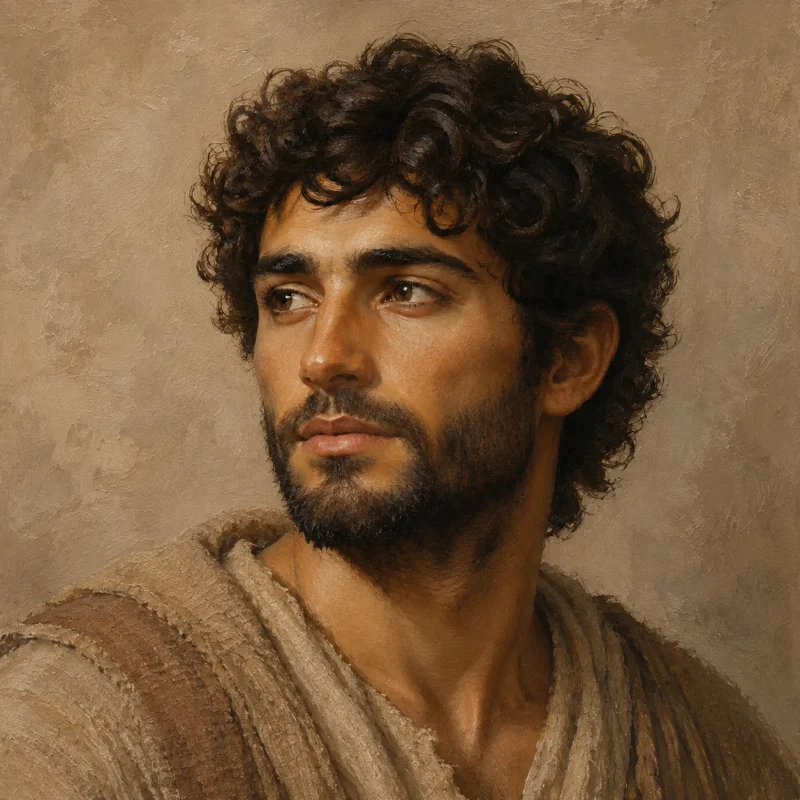
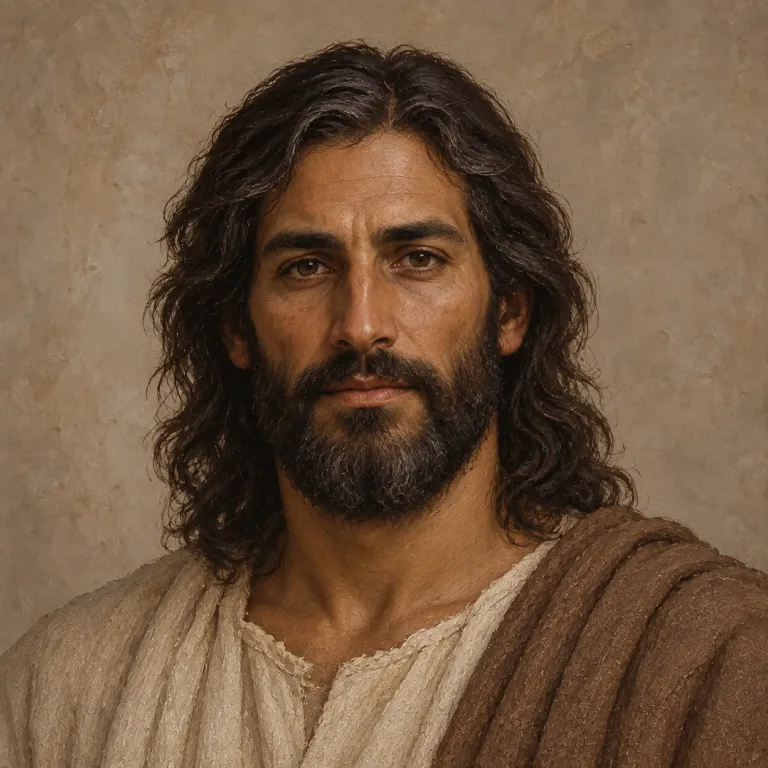
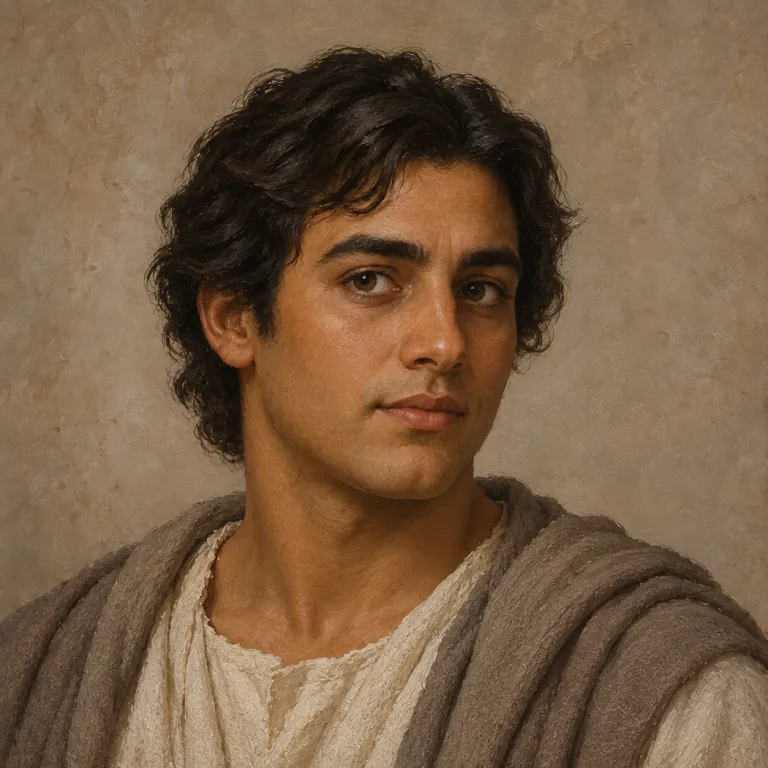
Portrait: an AI-generated artistic interpretation, not evidence of how David looked.
Who David is
David is Jesse's son from Bethlehem, a keeper of sheep whom Samuel anoints at the Lord's direction. He plays the harp for Saul and defeats the Philistine Goliath. Jonathan makes a covenant with him, while Saul increasingly treats him as an enemy. When Saul pursues him, David spares the king in a cave, refusing to attack the Lord's anointed. After Saul's death, David becomes king over Judah at Hebron and later over all Israel. He captures Jerusalem and makes it his royal city. Through Nathan, the Lord promises to establish David's house and the kingdom of his descendant. The same royal life includes grave wrongdoing: David has sex with Bathsheba, Uriah's wife, and orders Joab to arrange Uriah's death in battle. Uriah dies, and David takes Bathsheba as wife. Nathan confronts David, who confesses his sin. Nathan announces forgiveness while also declaring consequences for David's household and the child's life. Scripture also ties him to the Psalms. 2 Samuel 23:1 calls him "the sweet psalmist of Israel", Psalm 72 closes with "The prayers of David the son of Jesse are ended", and Jesus says "David himself saith in the book of Psalms". This guide follows his life in the narrative books and does not assign individual psalms to him.
Cited passages: 1 Samuel 16:1, 1 Samuel 16:11, 1 Samuel 16:12, 1 Samuel 16:13, 1 Samuel 16:19, 1 Samuel 16:20, 1 Samuel 16:21, 1 Samuel 16:22, 1 Samuel 16:23, 1 Samuel 17:45, 1 Samuel 17:46, 1 Samuel 17:47, 1 Samuel 17:48, 1 Samuel 17:49, 1 Samuel 17:50, 1 Samuel 17:51, 1 Samuel 18:1, 1 Samuel 18:2, 1 Samuel 18:3, 1 Samuel 18:8, 1 Samuel 18:9, 1 Samuel 18:10, 1 Samuel 18:11, 1 Samuel 18:12, 1 Samuel 18:29, 1 Samuel 24:1, 1 Samuel 24:2, 1 Samuel 24:3, 1 Samuel 24:4, 1 Samuel 24:5, 1 Samuel 24:6, 1 Samuel 24:7, 1 Samuel 24:8, 1 Samuel 24:9, 1 Samuel 24:10, 1 Samuel 24:11, 1 Samuel 24:12, 2 Samuel 1:1, 2 Samuel 2:1, 2 Samuel 2:2, 2 Samuel 2:3, 2 Samuel 2:4, 2 Samuel 5:1, 2 Samuel 5:2, 2 Samuel 5:3, 2 Samuel 5:4, 2 Samuel 5:5, 2 Samuel 5:6, 2 Samuel 5:7, 2 Samuel 5:8, 2 Samuel 5:9, 2 Samuel 7:11, 2 Samuel 7:12, 2 Samuel 7:13, 2 Samuel 7:14, 2 Samuel 7:15, 2 Samuel 7:16, 2 Samuel 7:17, 2 Samuel 11:3, 2 Samuel 11:4, 2 Samuel 11:5, 2 Samuel 11:14, 2 Samuel 11:15, 2 Samuel 11:16, 2 Samuel 11:17, 2 Samuel 11:26, 2 Samuel 11:27, 2 Samuel 12:7, 2 Samuel 12:8, 2 Samuel 12:9, 2 Samuel 12:10, 2 Samuel 12:11, 2 Samuel 12:12, 2 Samuel 12:13, 2 Samuel 12:14, Psalms 72:20, 2 Samuel 23:1, Luke 20:42, Luke 20:34, Luke 20:41
Historical setting
Ruth's closing genealogy places David after Boaz, Obed and Jesse. Samuel states that he begins ruling at thirty and reigns forty years, with periods at Hebron and Jerusalem. His family history includes the death of the child born after his taking of Bathsheba, followed by Solomon's birth. During Absalom's rebellion David leaves Jerusalem; he later mourns Absalom's death despite his own army's victory. Chronicles records David preparing plans and gifts for the temple and charging Solomon to build it. David says God barred him from building because he was a man of war who had shed blood. His final charge in Kings includes obedience to God and orders for the deaths of Joab and Shimei. David is buried in the city of David, and Solomon reigns in his place.
Cited passages: Ruth 4:17, Ruth 4:18, Ruth 4:19, Ruth 4:20, Ruth 4:21, Ruth 4:22, 2 Samuel 5:4, 2 Samuel 5:5, 2 Samuel 12:15, 2 Samuel 12:16, 2 Samuel 12:17, 2 Samuel 12:18, 2 Samuel 12:19, 2 Samuel 12:20, 2 Samuel 12:21, 2 Samuel 12:22, 2 Samuel 12:23, 2 Samuel 12:24, 2 Samuel 12:25, 2 Samuel 15:10, 2 Samuel 15:11, 2 Samuel 15:12, 2 Samuel 15:13, 2 Samuel 15:14, 2 Samuel 15:15, 2 Samuel 15:16, 2 Samuel 18:5, 2 Samuel 18:6, 2 Samuel 18:7, 2 Samuel 18:14, 2 Samuel 18:15, 2 Samuel 18:31, 2 Samuel 18:32, 2 Samuel 18:33, 1 Chronicles 28:2, 1 Chronicles 28:3, 1 Chronicles 28:4, 1 Chronicles 28:5, 1 Chronicles 28:6, 1 Chronicles 28:7, 1 Chronicles 28:8, 1 Chronicles 28:9, 1 Chronicles 28:10, 1 Chronicles 28:11, 1 Chronicles 29:1, 1 Chronicles 29:2, 1 Chronicles 29:3, 1 Chronicles 29:4, 1 Chronicles 29:5, 1 Chronicles 29:28, 1 Kings 2:1, 1 Kings 2:2, 1 Kings 2:3, 1 Kings 2:4, 1 Kings 2:5, 1 Kings 2:6, 1 Kings 2:7, 1 Kings 2:8, 1 Kings 2:9, 1 Kings 2:10, 1 Kings 2:11, 1 Kings 2:12
How the story is told
David's story brings royal promise and royal accountability into the same narrative. In Nathan's message, the house David wishes to build for God gives way to the house God promises to establish for David. Later, Nathan's story of a rich man taking a poor man's lamb draws David's condemnation before the prophet identifies him as the guilty man. The books also preserve David's voice in lament for Saul and Jonathan and in a song thanking the Lord for deliverance. The song's claims about righteousness belong to that poetic speech and do not remove the narrative's judgment of his conduct toward Uriah. Matthew later introduces Jesus as the son of David, and Hebrews names David among figures of faith. Those later references carry his name beyond the biography without supplying approval for every royal act.
Cited passages: 2 Samuel 7:1, 2 Samuel 7:2, 2 Samuel 7:3, 2 Samuel 7:4, 2 Samuel 7:5, 2 Samuel 7:6, 2 Samuel 7:7, 2 Samuel 7:8, 2 Samuel 7:9, 2 Samuel 7:10, 2 Samuel 7:11, 2 Samuel 7:12, 2 Samuel 7:13, 2 Samuel 7:14, 2 Samuel 7:15, 2 Samuel 7:16, 2 Samuel 7:17, 2 Samuel 12:1, 2 Samuel 12:2, 2 Samuel 12:3, 2 Samuel 12:4, 2 Samuel 12:5, 2 Samuel 12:6, 2 Samuel 12:7, 2 Samuel 12:8, 2 Samuel 12:9, 2 Samuel 12:10, 2 Samuel 12:11, 2 Samuel 12:12, 2 Samuel 12:13, 2 Samuel 1:17, 2 Samuel 1:18, 2 Samuel 1:19, 2 Samuel 1:20, 2 Samuel 1:21, 2 Samuel 1:22, 2 Samuel 1:23, 2 Samuel 1:24, 2 Samuel 1:25, 2 Samuel 1:26, 2 Samuel 1:27, 2 Samuel 22:1, 2 Samuel 22:2, 2 Samuel 22:3, 2 Samuel 22:4, 2 Samuel 22:5, 2 Samuel 22:6, 2 Samuel 22:7, 2 Samuel 22:21, 2 Samuel 22:22, 2 Samuel 22:23, 2 Samuel 22:24, 2 Samuel 22:25, 2 Samuel 22:50, 2 Samuel 22:51, 2 Samuel 11:27, Matthew 1:1, Matthew 1:6, Hebrews 11:32, Hebrews 11:33, Hebrews 11:34, Hebrews 11:35, Hebrews 11:36, Hebrews 11:37, Hebrews 11:38, Hebrews 11:39, Hebrews 11:40
Story moments
- Anointed by Samuel (1 Samuel 16:13). Samuel anoints David, and the Spirit of the Lord comes upon him.
- Goliath defeated (1 Samuel 17:49). David strikes Goliath with a stone from his sling; the following verses narrate the Philistine's death.
- Saul spared in the cave (1 Samuel 24:6). David refuses to raise his hand against Saul because he is the Lord's anointed.
- King over Israel (2 Samuel 5:3). Israel's elders make a covenant with David at Hebron and anoint him king.
- A promise for his house (2 Samuel 7:16). Nathan's message promises an established house, kingdom and throne for David.
- Nathan names the wrong (2 Samuel 12:9). Nathan confronts David for Uriah's death and the taking of his wife.
- Grieving Absalom (2 Samuel 18:33). David weeps for his son after hearing that Absalom is dead.
- Death and burial (1 Kings 2:10). David dies and is buried in the city of David; the following verses turn to Solomon's reign.
Key passages
Ruth 4:17
And the women her neighbours gave it a name, saying, There is a son born to Naomi; and they called his name Obed: he is the father of Jesse, the father of David.
Ruth 4:22
And Obed begat Jesse, and Jesse begat David.
1 Samuel 16:13
Then Samuel took the horn of oil, and anointed him in the midst of his brethren: and the Spirit of the Lord came upon David from that day forward. So Samuel rose up, and went to Ramah.
1 Samuel 16:19
Wherefore Saul sent messengers unto Jesse, and said, Send me David thy son, which is with the sheep.
1 Samuel 16:20
And Jesse took an ass laden with bread, and a bottle of wine, and a kid, and sent them by David his son unto Saul.
1 Samuel 16:21
And David came to Saul, and stood before him: and he loved him greatly; and he became his armourbearer.
King James Version. 964 indexed passages in total.
For reflection
How does Nathan's confrontation change your reading of David's power and the promise to his house? Read the king's prayers and songs alongside the people harmed by his decisions and the judgments recorded in the narrative.
Books David appears in
Related people
Names and references are adapted from STEPBible TIPNR. A person listed with a verse is named or indexed there; it does not mean they wrote or spoke it.