Person in the Old and New Testaments
Moses
Moses: deliverance, covenant and the burden of leading Israel
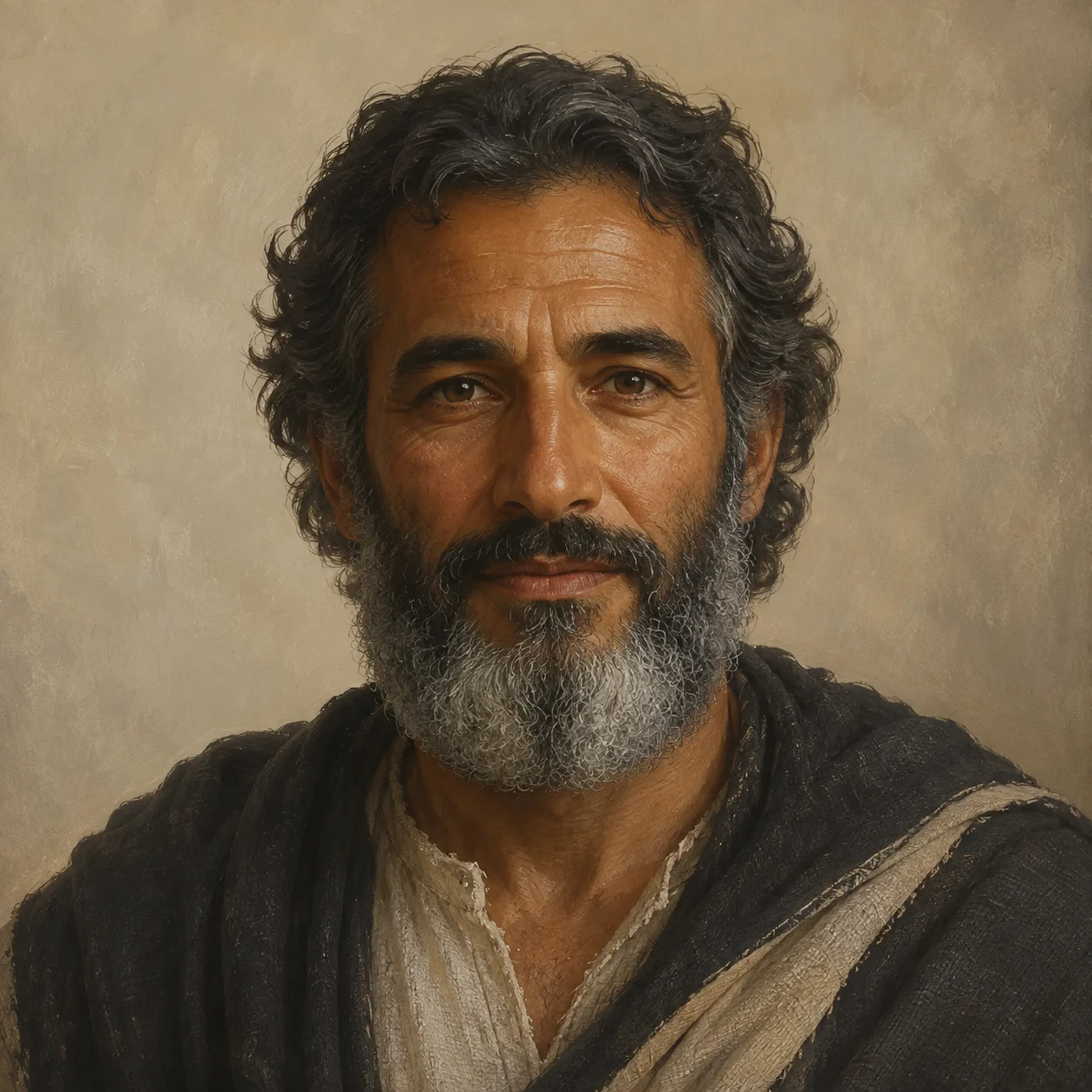
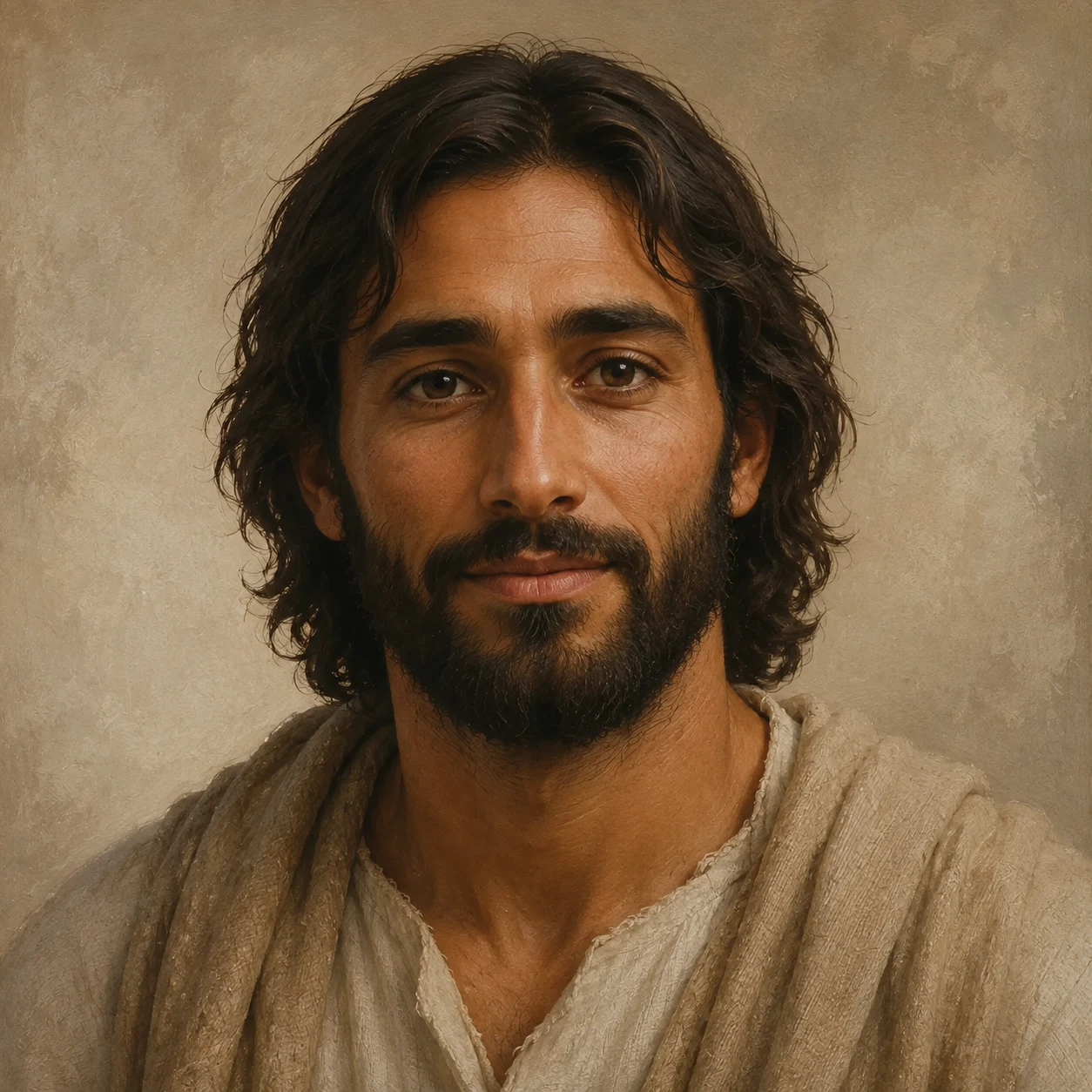
Portrait: an AI-generated artistic interpretation, not evidence of how Moses looked.
Who Moses is
Moses is the son of Amram and Jochebed, brother of Aaron and Miriam. Hidden as an infant and then placed in a basket by the river, he is found by Pharaoh's daughter; his own mother nurses him before he becomes the princess's son. As an adult he kills an Egyptian beating a Hebrew, hides the body and flees to Midian when Pharaoh seeks his death. He marries Zipporah; Gershom and Eliezer are their sons. While tending Jethro's flock, Moses encounters the burning bush. God calls him to bring Israel out of Egypt and promises his presence. Moses objects, including about his speech; Aaron becomes his spokesman. At eighty, Moses confronts Pharaoh with Aaron. The plagues culminate in the death of Egypt's firstborn and Israel's Passover departure. At the sea, Moses stretches out his hand as commanded; God opens a dry path and the pursuing army is drowned. At Sinai, Moses communicates the covenant, receives the tablets and oversees the sanctuary's construction. He spends the wilderness years teaching, judging and interceding for the people. At Meribah he strikes the rock twice despite the command to speak to it; God holds him and Aaron responsible for failing to trust and honor him. Moses commissions Joshua as successor. He urges Israel to choose life through covenant faithfulness, then sees the promised land from Nebo without entering it. He dies in Moab at one hundred twenty; the account says his sight and strength remain, his grave is unknown, and Israel mourns thirty days.
Cited passages: Exodus 6:20, Numbers 26:59, Exodus 2:3, Exodus 2:9, Exodus 2:10, Exodus 2:12, Exodus 2:15, Exodus 2:21, Exodus 18:3, Exodus 18:4, Exodus 3:2, Exodus 3:10, Exodus 3:12, Exodus 4:10, Exodus 4:16, Exodus 7:7, Exodus 12:29, Exodus 14:21, Exodus 14:28, Exodus 24:12, Exodus 40:33, Numbers 20:8, Numbers 20:11, Numbers 20:12, Numbers 27:23, Deuteronomy 30:19, Deuteronomy 34:1, Deuteronomy 34:4, Deuteronomy 34:5, Deuteronomy 34:6, Deuteronomy 34:7, Deuteronomy 34:8
Historical setting
The narrative places Moses between an oppressed people and the ruler who will not release them, then at the center of a mobile wilderness community. His authority includes communicating laws and instructions for worship, hearing disputes and appointing other judges. He accepts Jethro's advice to appoint capable men for ordinary cases while keeping difficult ones. When the burden becomes unbearable, he tells God he cannot carry the people alone; seventy elders receive the Spirit to help him. He welcomes Eldad and Medad's prophesying instead of accepting Joshua's demand to stop them. Moses pleads against Israel's destruction after the calf and after the refusal to enter the land. This intercession does not remove the accounts' violence: after the calf he orders the Levites through the camp, and about three thousand die. After the Midian campaign, he orders the killing of the male children and women who have had intercourse, while sparing the girls who have not. His own exclusion at Meribah shows that leadership brings accountability. Before his death he lays hands on Joshua publicly before Eleazar and the congregation. Deuteronomy presents Moses writing the law and entrusting it to priests and elders for public reading, so its instruction continues after his death. Later references to the 'law of Moses' concern this continuing authority, not additional episodes in his lifetime.
Cited passages: Exodus 3:7, Exodus 3:19, Exodus 18:16, Exodus 18:24, Exodus 18:26, Numbers 11:14, Numbers 11:17, Numbers 11:29, Exodus 32:11, Exodus 32:14, Numbers 14:19, Numbers 14:20, Exodus 32:27, Exodus 32:28, Numbers 31:14, Numbers 31:17, Numbers 31:18, Numbers 20:12, Numbers 27:22, Numbers 27:23, Deuteronomy 31:9, Deuteronomy 31:11, Deuteronomy 31:12
How the story is told
Exodus follows a rescued child who becomes the leader of a people's rescue, while preserving his reluctance, anger and dependence on others. The covenant story joins written instruction with repeated appeals for God's presence and mercy. Moses' intimate conversation with God and his shining face mark a distinctive mediating role; Deuteronomy ends by recalling a prophet whom God knew face to face. Later biblical writers draw on this story in different ways. Stephen's speech in Acts presents the rejected Moses as the deliverer God sent and describes his Egyptian education. Hebrews 11 interprets his identification with the oppressed people, Passover and departure through faith; Hebrews 3 calls him a faithful servant while distinguishing Christ as Son. Matthew places Moses and Elijah beside Jesus at the transfiguration, where the heavenly voice commands the disciples to hear Jesus. In John, Jesus says Moses wrote about him. Paul uses Moses' veil in 2 Corinthians 3 to contrast the ministry engraved on stone with the ministry of the Spirit. Each passage develops a different concern: rejected leadership in Acts, faith in Hebrews and the Spirit's transforming work in Paul's letter. These later readings accompany a Torah narrative that already holds Moses' authority and failures together.
Cited passages: Exodus 2:10, Exodus 3:11, Exodus 32:19, Exodus 33:11, Exodus 33:15, Exodus 34:29, Deuteronomy 34:10, Acts 7:22, Acts 7:35, Hebrews 11:24, Hebrews 11:25, Hebrews 11:28, Hebrews 11:29, Hebrews 3:5, Hebrews 3:6, Matthew 17:3, Matthew 17:5, John 5:46, 2 Corinthians 3:7, 2 Corinthians 3:8, 2 Corinthians 3:13, 2 Corinthians 3:18
Story moments
- Called from the burning bush (Exodus 3:10). God sends Moses to confront Pharaoh and bring Israel out of Egypt, answering Moses' doubts with a promise of his presence.
- A path through the sea (Exodus 14:21). Moses stretches out his hand as God drives back the sea; the people cross before the waters return over the pursuing army.
- Intercession after the calf (Exodus 32:11). Moses appeals for Israel's preservation. The chapter also records his destruction of the calf and his lethal command to the Levites.
- Others share the burden (Numbers 11:17). God appoints seventy elders to share leadership after Moses says he cannot carry the people alone.
- The land seen from Nebo (Deuteronomy 34:4). Moses sees the land promised to Israel's ancestors but dies in Moab without entering it.
Key passages
Exodus 2:10
And the child grew, and she brought him unto Pharaoh’s daughter, and he became her son. And she called his name Moses: and she said, Because I drew him out of the water.
Exodus 2:11
And it came to pass in those days, when Moses was grown, that he went out unto his brethren, and looked on their burdens: and he spied an Egyptian smiting an Hebrew, one of his brethren.
Exodus 2:14
And he said, Who made thee a prince and a judge over us? intendest thou to kill me, as thou killedst the Egyptian? And Moses feared, and said, Surely this thing is known.
Exodus 2:15
Now when Pharaoh heard this thing, he sought to slay Moses. But Moses fled from the face of Pharaoh, and dwelt in the land of Midian: and he sat down by a well.
Exodus 2:17
And the shepherds came and drove them away: but Moses stood up and helped them, and watered their flock.
Exodus 2:21
And Moses was content to dwell with the man: and he gave Moses Zipporah his daughter.
King James Version. 785 indexed passages in total.
For reflection
How does Moses respond when he reaches the limits of his strength, and when others challenge him? Read his requests for help beside the harm in his story. What changes when leadership is understood as accountable service rather than personal ownership of a people?
Books Moses appears in
Related people

Names and references are adapted from STEPBible TIPNR. A person listed with a verse is named or indexed there; it does not mean they wrote or spoke it.