Person in the Old and New Testaments
Cain
Cain: the tiller of the ground who killed his brother and was marked
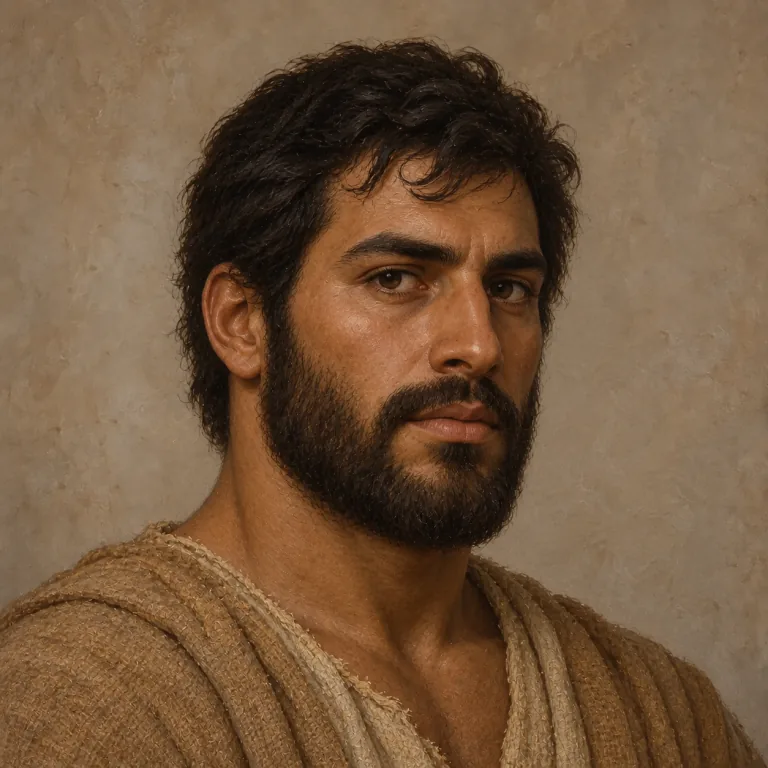
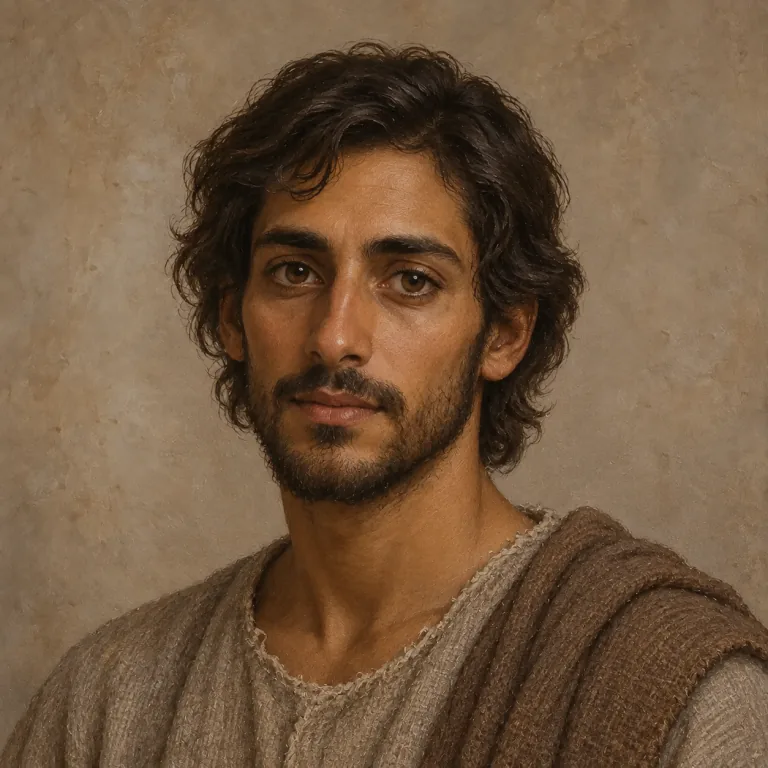
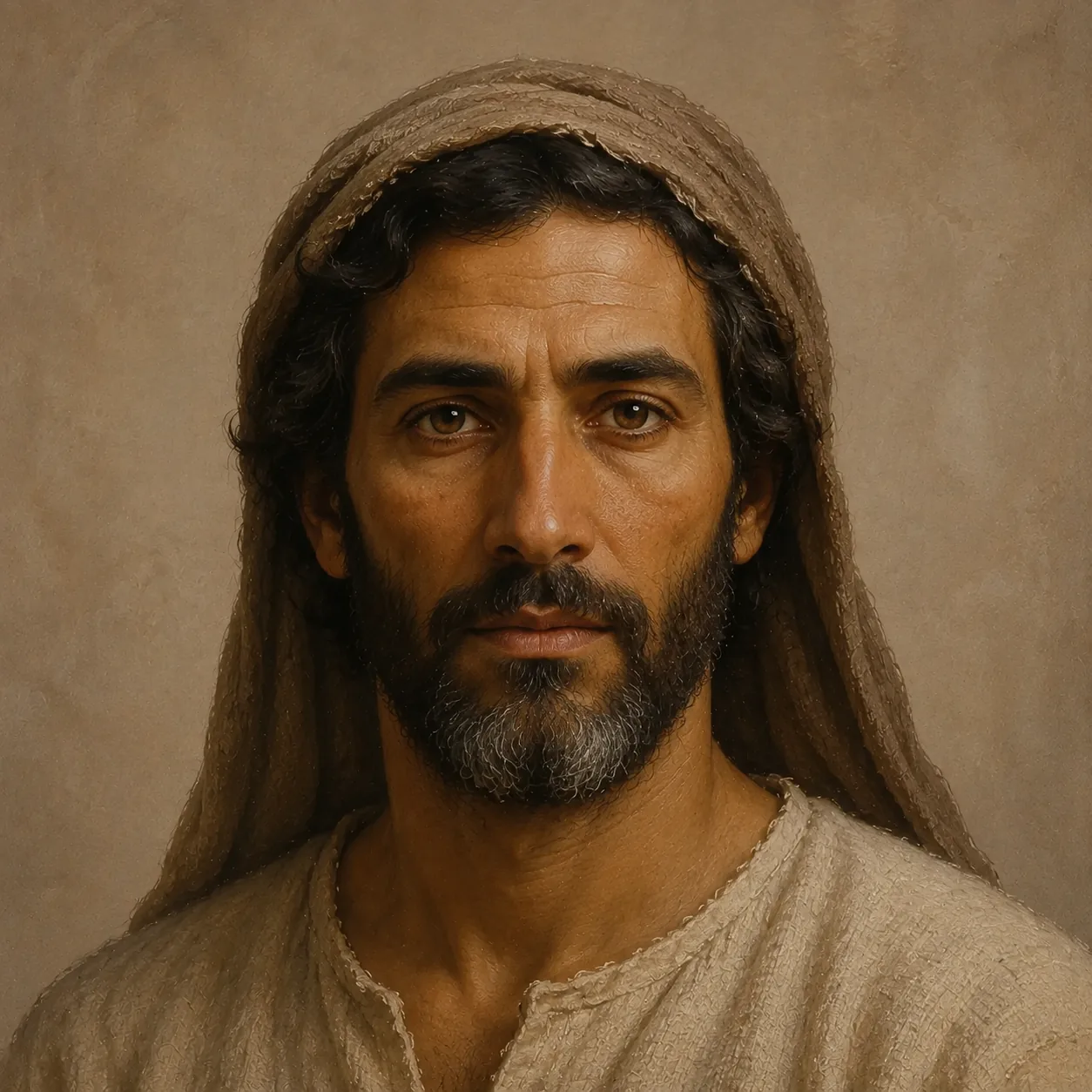
Portrait: an AI-generated artistic interpretation, not evidence of how Cain looked.
Who Cain is
Cain is the first child whose birth Genesis records. Eve bears him and says she has gotten a man from the Lord; his brother Abel follows. The narrator says Abel keeps sheep and Cain tills the ground. In process of time Cain brings an offering of the fruit of the ground, and Abel brings of the firstlings of his flock. The Lord has respect to Abel and his offering but not to Cain and his. Cain is very angry and his face falls. The Lord asks why he is angry, says he will be accepted if he does well, and says that if he does not do well sin lieth at the door, and that unto him shall be his desire and he shall rule over him. Cain talks with Abel, and in the field rises up against him and kills him. Asked where his brother is, Cain says he does not know and asks whether he is his brother's keeper. The Lord says the voice of his brother's blood cries from the ground, curses Cain from the earth, and declares that the ground will no longer yield its strength to him and that he will be a fugitive and a vagabond. Cain says his punishment is more than he can bear and fears that anyone who finds him will kill him. The Lord answers that whoever kills Cain will suffer sevenfold vengeance and sets a mark on him. Cain leaves the presence of the Lord and dwells in the land of Nod, east of Eden. He knows his wife, who bears Enoch, and he builds a city named after his son. Lamech, his descendant, later cites Cain's sevenfold vengeance. Adam's wife bears Seth and says God has appointed another seed instead of Abel, whom Cain slew. Hebrews, 1 John and Jude later name Cain in contrast or warning.
Cited passages: Genesis 4:1, Genesis 4:2, Genesis 4:3, Genesis 4:4, Genesis 4:5, Genesis 4:6, Genesis 4:7, Genesis 4:8, Genesis 4:9, Genesis 4:10, Genesis 4:11, Genesis 4:12, Genesis 4:13, Genesis 4:14, Genesis 4:15, Genesis 4:16, Genesis 4:17, Genesis 4:24, Genesis 4:25, Hebrews 11:4, 1 John 3:12, Jude 1:11
Historical setting
Genesis establishes Cain as the son of Adam and Eve, the older brother of Abel, a tiller of the ground, and the killer of his brother. It does not say why the Lord had respect to Abel's offering and not to Cain's; the narrator records the difference and moves to Cain's anger. The later writers supply readings: Hebrews says Abel's sacrifice was offered by faith and was more excellent, and 1 John says Cain killed his brother because his own works were evil and his brother's righteous. Those are later citations, not statements in Genesis 4. The text does not record what Cain and Abel talked about, only that Cain talked with his brother and the killing happened in the field. The mark is not described. The words at 4:7, unto thee shall be his desire, and thou shalt rule over him, do not name what the pronouns point to, and the text leaves that open. Cain's wife is unnamed and her origin is not given. The land of Nod is placed only as east of Eden. Cain's son Enoch, after whom the city is named, is a different man from Enoch the son of Jared in the line of Seth in chapter 5, who walked with God. Cain's line runs through Enoch, Irad, Mehujael, Methusael and Lamech; that Lamech is distinct from the Lamech who fathers Noah. Cain's death is not recorded. Jude speaks of the way of Cain without describing it further.
Cited passages: Genesis 4:1, Genesis 4:2, Genesis 4:5, Hebrews 11:4, 1 John 3:12, Genesis 4:8, Genesis 4:15, Genesis 4:17, Genesis 4:16, Genesis 5:18, Genesis 5:24, Genesis 4:18, Genesis 5:29, Jude 1:11, Genesis 4:7, Genesis 5:25
How the story is told
The Lord's questions to Cain follow the pattern of the questions in the garden. Where art thou and What is this that thou hast done in chapter 3 become Where is Abel thy brother and What hast thou done in chapter 4. The warning that sin's desire is toward Cain and that he should rule over it repeats the wording spoken to the woman about her desire and her husband's rule. The ground runs through the whole account: Cain tills the ground, offers its fruit, and then the ground receives his brother's blood, the blood cries from the ground, and the ground refuses him its strength. Cain's fear of being hidden from the Lord's face is followed by the narrator's note that he went out from the presence of the Lord. The sevenfold vengeance the Lord promises is taken up by Lamech, who claims seventy and sevenfold, so the chapter closes Cain's line with escalating violence and then turns to Seth, named as the seed in Abel's place. The New Testament references treat Cain as a fixed contrast: Hebrews against Abel's faith, 1 John against love of a brother, Jude as a way that others have followed.
Cited passages: Genesis 3:9, Genesis 3:13, Genesis 4:9, Genesis 4:10, Genesis 4:7, Genesis 3:16, Genesis 4:3, Genesis 4:11, Genesis 4:12, Genesis 4:14, Genesis 4:16, Genesis 4:15, Genesis 4:24, Genesis 4:25, Hebrews 11:4, 1 John 3:12, Jude 1:11
Story moments
- An offering from the ground (Genesis 4:3). Cain brings the fruit of the ground as an offering to the Lord.
- Cain's countenance falls (Genesis 4:5). The Lord has no respect to Cain's offering and Cain becomes very angry.
- Sin lieth at the door (Genesis 4:7). The Lord tells Cain he will be accepted if he does well and that sin lieth at the door.
- Abel slain in the field (Genesis 4:8). Cain rises up against his brother in the field and kills him.
- Am I my brother's keeper? (Genesis 4:9). Asked where Abel is, Cain denies knowing and questions his responsibility.
- A mark set on Cain (Genesis 4:15). The Lord promises sevenfold vengeance on any who kill Cain and sets a mark on him.
- A city named Enoch (Genesis 4:17). Cain's wife bears Enoch and Cain builds a city named after his son.
Key passages
Genesis 4:1
And Adam knew Eve his wife; and she conceived, and bare Cain, and said, I have gotten a man from the Lord.
Genesis 4:2
And she again bare his brother Abel. And Abel was a keeper of sheep, but Cain was a tiller of the ground.
Genesis 4:3
And in process of time it came to pass, that Cain brought of the fruit of the ground an offering unto the Lord.
Genesis 4:5
But unto Cain and to his offering he had not respect. And Cain was very wroth, and his countenance fell.
Genesis 4:6
And the Lord said unto Cain, Why art thou wroth? and why is thy countenance fallen?
Genesis 4:8
And Cain talked with Abel his brother: and it came to pass, when they were in the field, that Cain rose up against Abel his brother, and slew him.
King James Version. 16 indexed passages in total.
For reflection
The Lord speaks to Cain before anything has happened, saying that sin lieth at the door. What does it say about the account that this warning is written down and no answer from Cain is?
Books Cain appears in
Related people
Names and references are adapted from STEPBible TIPNR. A person listed with a verse is named or indexed there; it does not mean they wrote or spoke it.