Person in the Old and New Testaments
Joseph (OT)
Joseph: family betrayal, power in Egypt and the promise of departure
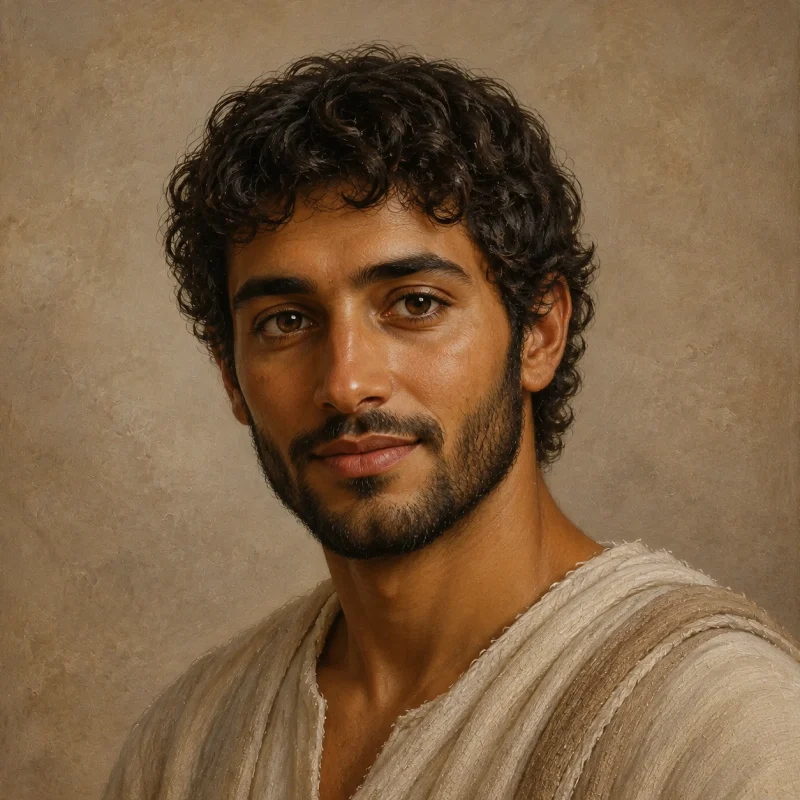
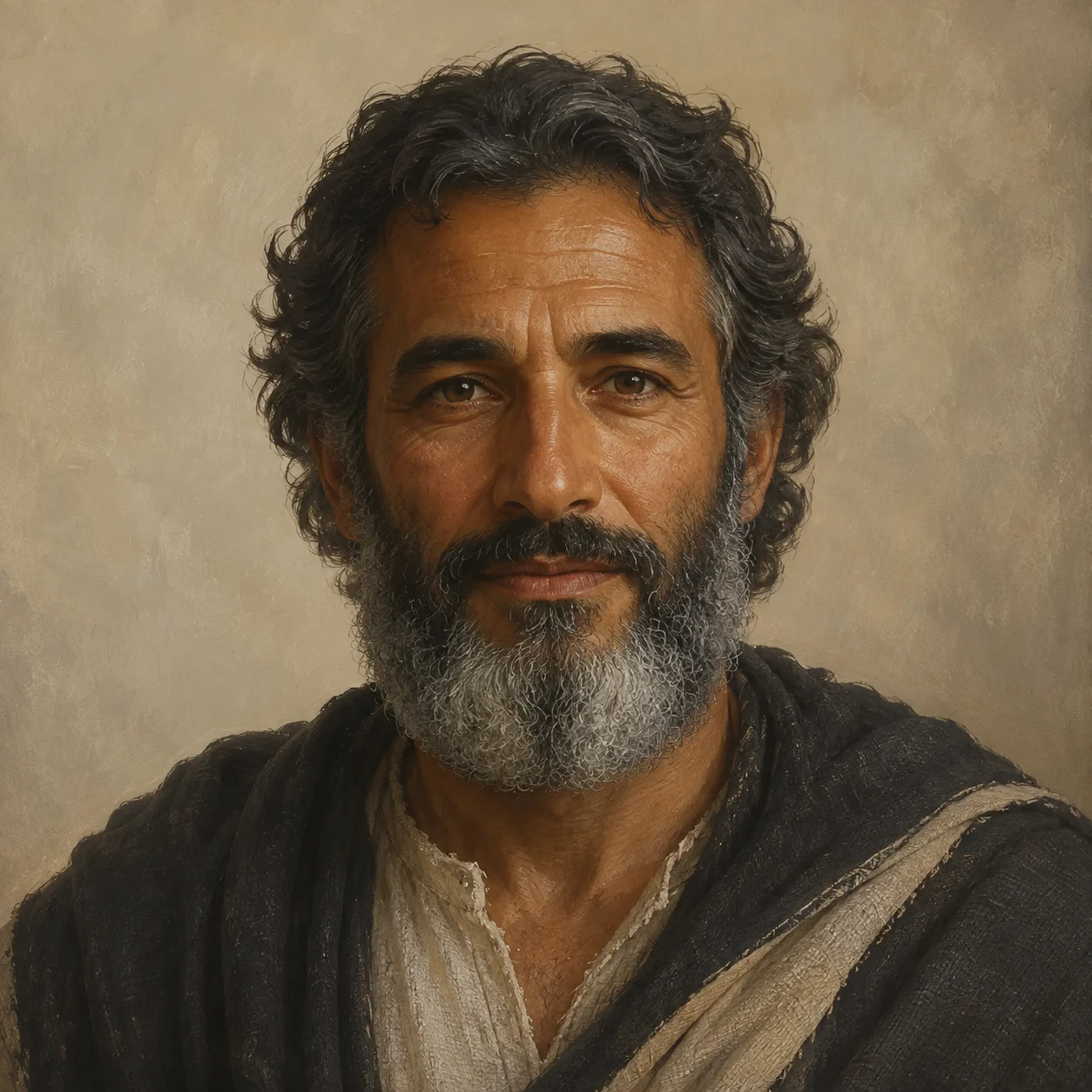
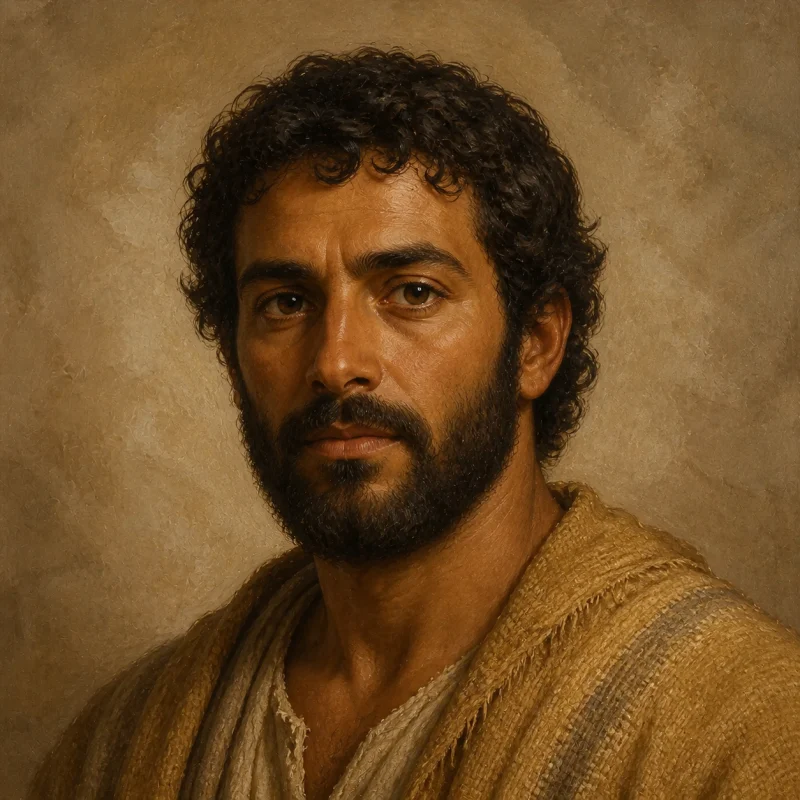
Portrait: an AI-generated artistic interpretation, not evidence of how Joseph (OT) looked.
Who Joseph (OT) is
Joseph is Jacob and Rachel's son and Benjamin's brother. At seventeen he tends the flock and reports badly of his brothers. Jacob favors him, and his dreams of others bowing to him deepen their hatred. His brothers strip him and throw him into a dry pit. Reuben intends to rescue him; Judah proposes selling him. Joseph is taken to Egypt for twenty pieces of silver, while the bloodied coat leads Jacob to believe a beast killed him. Potiphar buys Joseph and entrusts his household to him. Joseph refuses his master's wife's repeated sexual demands, citing his master's trust and sin against God. She falsely accuses him after he flees her grasp, and he is imprisoned. There he interprets the cupbearer's and baker's dreams, crediting God. The cupbearer is restored but forgets him until Pharaoh needs his dreams explained. Joseph predicts seven abundant years followed by seven famine years and recommends storing grain. Pharaoh appoints him over Egypt at thirty. When his brothers arrive to buy food, Joseph recognizes them but conceals his identity, accuses them of spying and holds Simeon until they bring Benjamin. He later orders his cup planted in Benjamin's sack. After Judah offers himself in Benjamin's place, Joseph reveals himself in tears and invites the family to Egypt, explaining that God sent him ahead to preserve life.
Cited passages: Genesis 35:24, Genesis 37:2, Genesis 37:3, Genesis 37:5, Genesis 37:7, Genesis 37:9, Genesis 37:22, Genesis 37:23, Genesis 37:24, Genesis 37:27, Genesis 37:28, Genesis 37:31, Genesis 37:33, Genesis 39:1, Genesis 39:4, Genesis 39:8, Genesis 39:9, Genesis 39:10, Genesis 39:12, Genesis 39:14, Genesis 39:20, Genesis 40:8, Genesis 40:21, Genesis 40:22, Genesis 40:23, Genesis 41:9, Genesis 41:25, Genesis 41:29, Genesis 41:30, Genesis 41:35, Genesis 41:41, Genesis 41:46, Genesis 42:7, Genesis 42:24, Genesis 44:2, Genesis 44:33, Genesis 45:1, Genesis 45:5, Genesis 45:9, Genesis 30:24, Genesis 42:19, Genesis 42:20, Genesis 43:23, Genesis 45:10, Genesis 45:11
Historical setting
Within Genesis' account, Joseph's Egyptian authority includes Pharaoh's ring, fine linen, a gold chain and the second chariot. Pharaoh gives him Asenath, daughter of Poti-phera the priest of On, as his wife; Manasseh and Ephraim are born before the famine. Joseph stores grain and then sells it. Genesis 47 describes money running out, livestock exchanged for bread, and the Egyptians offering themselves and their fields to Pharaoh to survive. Joseph buys them and their land for Pharaoh, supplies seed and requires a fifth of the harvest. Priestly lands are exempt. The people say he has saved their lives, but the account also records their loss of land and freedom. Meanwhile Joseph settles and feeds his family in Goshen. Jacob claims Ephraim and Manasseh as his own sons and gives the younger Ephraim precedence despite Joseph's objection. Joseph fulfills his oath to bury Jacob in Canaan, then returns to Egypt. When his brothers fear revenge after their father's death, he reassures them and promises food for them and their children. Joseph dies at one hundred ten, is embalmed and placed in a coffin in Egypt. Before dying he speaks of God's promised return to the ancestors' land and requires an oath to carry his bones out. Moses takes them at the exodus; the book of Joshua records their burial at Shechem. Exodus opens with Joseph's generation gone and a new king who does not know him.
Cited passages: Genesis 41:42, Genesis 41:43, Genesis 41:45, Genesis 41:50, Genesis 41:49, Genesis 41:56, Genesis 47:14, Genesis 47:17, Genesis 47:19, Genesis 47:20, Genesis 47:22, Genesis 47:23, Genesis 47:24, Genesis 47:25, Genesis 47:26, Genesis 47:12, Genesis 47:27, Genesis 48:5, Genesis 48:17, Genesis 48:18, Genesis 48:19, Genesis 48:20, Genesis 47:30, Genesis 47:31, Genesis 50:13, Genesis 50:14, Genesis 50:15, Genesis 50:19, Genesis 50:21, Genesis 50:24, Genesis 50:25, Genesis 50:26, Exodus 13:19, Joshua 24:32, Exodus 1:6, Exodus 1:8
How the story is told
Dreams, garments and delayed recognition recur through Joseph's story. His brothers bow before the ruler they do not recognize, and Joseph remembers his dreams. The coat stained by his brothers and the garment retained by Potiphar's wife both become evidence used to deceive others. The narrator says God is with Joseph in slavery and prison, before his rise to power. Joseph's explanation of events holds together his brothers' evil intention and God's purpose to preserve life; he does not call their betrayal good. Psalm 105 and Stephen's speech in Acts retell his rejection and deliverance. Hebrews singles out his dying command about his bones as an act of faith looking toward the exodus. After Joseph's lifetime, his name also denotes descendants, territories and communities. Joshua identifies Ephraim and Manasseh as the two tribes of Joseph; Chronicles distinguishes Joseph's birthright from Judah's ruling line. The blessings in Genesis 49 and Deuteronomy 33 use poetic images of strength and abundance. In Genesis 49:22 KJV and ASV describe a fruitful bough, while BBE has a young ox; these are translation differences, not additional events. Amos warns the house of Joseph and calls for justice, while Ezekiel's joined sticks portray Joseph and Judah becoming one nation. These later passages concern communities bearing his name, not further actions of the man who died in Egypt.
Cited passages: Genesis 37:9, Genesis 42:6, Genesis 42:8, Genesis 42:9, Genesis 37:31, Genesis 37:33, Genesis 39:13, Genesis 39:14, Genesis 39:16, Genesis 39:17, Genesis 39:2, Genesis 39:21, Genesis 50:20, Psalms 105:17, Psalms 105:20, Psalms 105:21, Acts 7:9, Acts 7:10, Hebrews 11:22, Joshua 14:4, 1 Chronicles 5:1, 1 Chronicles 5:2, Genesis 49:22, Genesis 49:25, Deuteronomy 33:13, Deuteronomy 33:17, Amos 5:6, Amos 5:15, Ezekiel 37:16, Ezekiel 37:19, Ezekiel 37:22
Story moments
- Joseph is sold into Egypt (Genesis 37:28). The pit and sale separate Joseph from his family; his brothers use his bloodied coat to deceive their father.
- Imprisoned after a false accusation (Genesis 39:20). Joseph refuses his master's wife and flees, but her accusation leads to prison. The narrator says God remains with him.
- Pharaoh gives Joseph authority (Genesis 41:41). After interpreting the dreams and recommending grain storage, Joseph receives authority over Egypt.
- Joseph tells his brothers who he is (Genesis 45:4). After Judah pleads for Benjamin, Joseph reveals his identity and speaks of preserving the family through the famine.
- Moses carries Joseph’s bones (Exodus 13:19). Joseph’s oath reaches beyond his death in Egypt. Moses takes the bones with Israel, and the book of Joshua records their burial at Shechem.
Key passages
Genesis 30:24
And she called his name Joseph; and said, The Lord shall add to me another son.
Genesis 30:25
And it came to pass, when Rachel had born Joseph, that Jacob said unto Laban, Send me away, that I may go unto mine own place, and to my country.
Genesis 33:2
And he put the handmaids and their children foremost, and Leah and her children after, and Rachel and Joseph hindermost.
Genesis 33:7
And Leah also with her children came near, and bowed themselves: and after came Joseph near and Rachel, and they bowed themselves.
Genesis 35:24
The sons of Rachel; Joseph, and Benjamin:
Genesis 37:2
These are the generations of Jacob. Joseph, being seventeen years old, was feeding the flock with his brethren; and the lad was with the sons of Bilhah, and with the sons of Zilpah, his father’s wives: and Joseph brought unto his father their evil report.
King James Version. 197 indexed passages in total.
For reflection
What does Joseph name as evil even while speaking of God's purpose to preserve life? How do the Egyptians' gratitude and their loss of land and freedom affect your reading of his use of power?
Books Joseph (OT) appears in
Related people
Names and references are adapted from STEPBible TIPNR. A person listed with a verse is named or indexed there; it does not mean they wrote or spoke it.