Person in the Old and New Testaments
Gideon
Gideon: deliverance and a troubled legacy
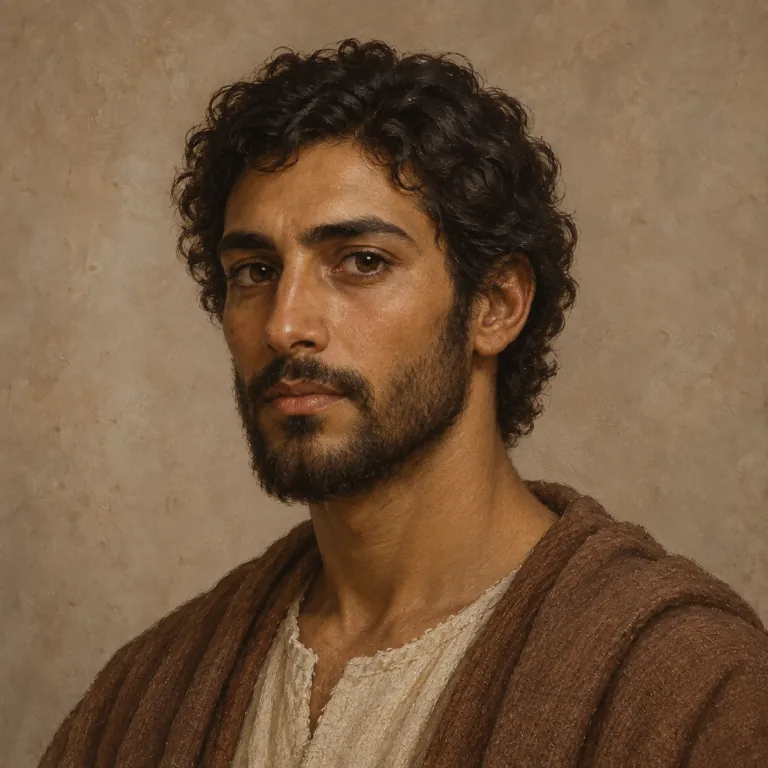
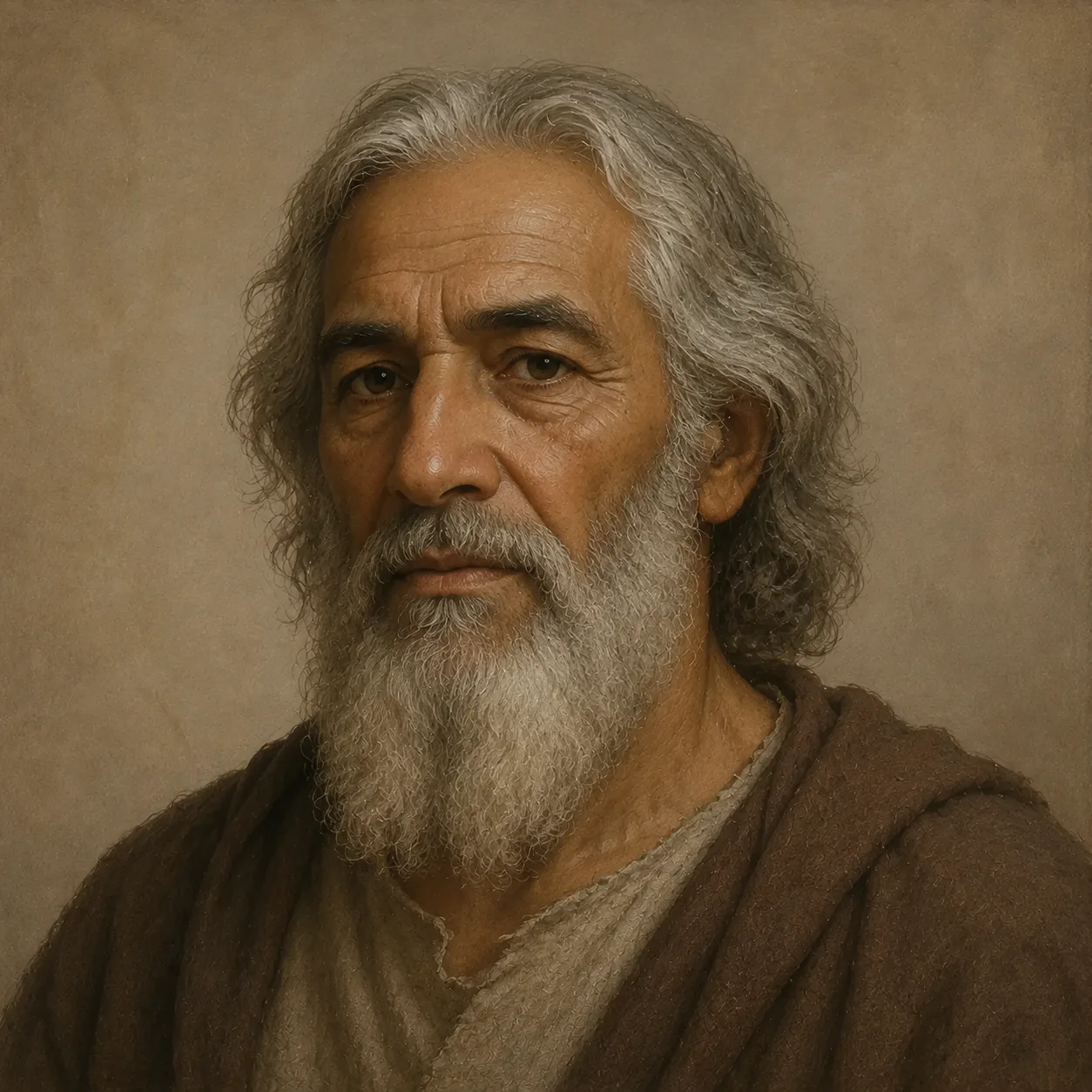
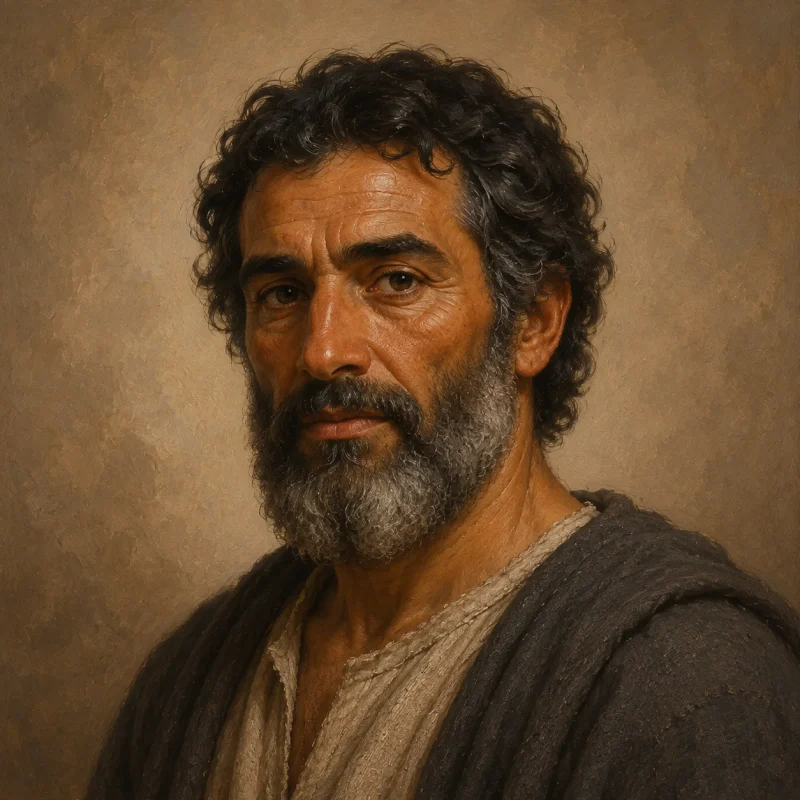
Portrait: an AI-generated artistic interpretation, not evidence of how Gideon looked.
Who Gideon is
Gideon, son of Joash the Abiezrite, is threshing wheat in a winepress to hide it from Midian when the angel of the Lord meets him. He questions Israel's condition and his own fitness, but receives the promise of the Lord's presence. After a sign and reassurance, he tears down his father's Baal altar and receives the name Jerubbaal. The Lord reduces his army to three hundred to prevent Israel claiming the victory for itself. Gideon hears an enemy dream interpreted as his victory, then leads a night attack with trumpets, jars and lights. The Lord turns the enemy's swords against one another. Gideon's pursuit ends with the capture and killing of Zebah and Zalmunna. He refuses hereditary rule, yet the gold ephod he makes becomes a snare to him and his household.
Cited passages: Judges 6:11, Judges 6:12, Judges 6:13, Judges 6:14, Judges 6:15, Judges 6:16, Judges 6:20, Judges 6:21, Judges 6:22, Judges 6:23, Judges 6:24, Judges 6:25, Judges 6:26, Judges 6:27, Judges 6:28, Judges 6:29, Judges 6:30, Judges 6:31, Judges 6:32, Judges 7:1, Judges 7:2, Judges 7:3, Judges 7:4, Judges 7:5, Judges 7:6, Judges 7:7, Judges 7:8, Judges 7:13, Judges 7:14, Judges 7:15, Judges 7:16, Judges 7:17, Judges 7:18, Judges 7:19, Judges 7:20, Judges 7:21, Judges 7:22, Judges 8:10, Judges 8:11, Judges 8:12, Judges 8:18, Judges 8:19, Judges 8:20, Judges 8:21, Judges 8:22, Judges 8:23, Judges 8:24, Judges 8:25, Judges 8:26, Judges 8:27
Historical setting
The account begins after seven years of Midianite oppression, with Israel losing crops and livestock to raiders. Gideon identifies his family as poor in Manasseh and himself as least in his father's house; those are his own words. The three hundred begin the attack, while other Israelites join the pursuit and Ephraim captures Oreb and Zeeb. After victory, the land rests for forty years during Gideon's life. Judges records many wives, seventy sons and a son, Abimelech, by a concubine in Shechem, then Gideon's death in old age and burial at Ophrah. Chapter 9 continues the family's history through Abimelech's violence after Gideon's death. Samuel later remembers Jerubbaal among the Lord's deliverers.
Cited passages: Judges 6:1, Judges 6:2, Judges 6:3, Judges 6:4, Judges 6:5, Judges 6:6, Judges 6:15, Judges 7:19, Judges 7:20, Judges 7:21, Judges 7:22, Judges 7:23, Judges 7:24, Judges 7:25, Judges 8:28, Judges 8:29, Judges 8:30, Judges 8:31, Judges 8:32, Judges 8:33, Judges 8:34, Judges 8:35, Judges 9:1, Judges 9:2, Judges 9:3, Judges 9:4, Judges 9:5, Judges 9:6, 1 Samuel 12:11
How the story is told
Questions, signs and reassurance recur before Gideon's battle. His fear is stated when he dismantles the altar by night; it need not become an invented explanation for every later choice. The army's reduction makes dependence on the Lord explicit, without describing the water test as a search for an elite force. After victory, Gideon answers Ephraim gently but punishes Succoth and kills men of Penuel, refuses dynastic rule and makes an ephod that draws Israel into unfaithfulness. These changes complicate a simple success story. Joab later anticipates a question about Abimelech, son of Jerubbesheth, and his death at Thebez. This is a retrospective family reference. Hebrews names Gideon among figures of faith without approving every action in his life.
Cited passages: Judges 6:17, Judges 6:18, Judges 6:19, Judges 6:20, Judges 6:21, Judges 6:22, Judges 6:23, Judges 6:27, Judges 6:36, Judges 6:37, Judges 6:38, Judges 6:39, Judges 6:40, Judges 7:2, Judges 7:3, Judges 7:4, Judges 7:5, Judges 7:6, Judges 7:7, Judges 7:9, Judges 7:10, Judges 7:11, Judges 7:12, Judges 7:13, Judges 7:14, Judges 7:15, Judges 8:1, Judges 8:2, Judges 8:3, Judges 8:15, Judges 8:16, Judges 8:17, Judges 8:18, Judges 8:19, Judges 8:20, Judges 8:21, Judges 8:22, Judges 8:23, Judges 8:24, Judges 8:25, Judges 8:26, Judges 8:27, Judges 9:50, Judges 9:51, Judges 9:52, Judges 9:53, Judges 9:54, 2 Samuel 11:18, 2 Samuel 11:19, 2 Samuel 11:20, 2 Samuel 11:21, Hebrews 11:32, Hebrews 11:33, Hebrews 11:34, Hebrews 11:35, Hebrews 11:36, Hebrews 11:37, Hebrews 11:38, Hebrews 11:39, Hebrews 11:40
Story moments
- Called in the winepress (Judges 6:11). The angel of the Lord meets Gideon while he hides his wheat from Midian.
- The name Jerubbaal (Judges 6:32). Gideon receives the name after pulling down Baal's altar.
- An army reduced (Judges 7:2). The Lord explains that Israel must not claim it has saved itself.
- The night attack (Judges 7:20). The three companies sound trumpets, break jars and hold their lights.
- Rule refused (Judges 8:23). Gideon says that neither he nor his son will rule over Israel, and that the Lord will rule.
- The ephod becomes a snare (Judges 8:27). The ephod at Ophrah draws Israel into unfaithfulness and becomes a snare to Gideon's house.
- A later faith reference (Hebrews 11:32). Hebrews includes Gideon among its named figures of faith.
Key passages
Judges 6:11
And there came an angel of the Lord, and sat under an oak which was in Ophrah, that pertained unto Joash the Abi-ezrite: and his son Gideon threshed wheat by the winepress, to hide it from the Midianites.
Judges 6:13
And Gideon said unto him, Oh my Lord, if the Lord be with us, why then is all this befallen us? and where be all his miracles which our fathers told us of, saying, Did not the Lord bring us up from Egypt? but now the Lord hath forsaken us, and delivered us into the hands of the Midianites.
Judges 6:19
And Gideon went in, and made ready a kid, and unleavened cakes of an ephah of flour: the flesh he put in a basket, and he put the broth in a pot, and brought it out unto him under the oak, and presented it.
Judges 6:22
And when Gideon perceived that he was an angel of the Lord, Gideon said, Alas, O Lord God! for because I have seen an angel of the Lord face to face.
Judges 6:24
Then Gideon built an altar there unto the Lord, and called it Jehovah-shalom: unto this day it is yet in Ophrah of the Abi-ezrites.
Judges 6:27
Then Gideon took ten men of his servants, and did as the Lord had said unto him: and so it was, because he feared his father’s household, and the men of the city, that he could not do it by day, that he did it by night.
King James Version. 50 indexed passages in total.
For reflection
How does Gideon's response to victory compare with his earlier need for reassurance? Read the refusal of hereditary rule beside the ephod's effect, allowing both the deliverance and the later harm to remain in view.
Books Gideon appears in
Related people
Names and references are adapted from STEPBible TIPNR. A person listed with a verse is named or indexed there; it does not mean they wrote or spoke it.