The Torah · Old Testament
Genesis 21
Isaac is born, Hagar finds water and a well is secured
General context
Sarah bears Isaac at the promised time, and Abraham names and circumcises him. After reporting the child's weaning feast, the account describes Sarah seeing Hagar's son mocking, in the King James wording cited here, and demands that he and his mother leave so he will not share Isaac's inheritance. Abraham is distressed. God tells him to listen to Sarah, distinguishes Isaac's line, and also promises a nation from Hagar's son. Abraham sends Hagar and the boy away with bread and water. When the water runs out, she fears the boy will die. God hears him, reassures her through an angel and opens her eyes to a well. The boy grows up in the wilderness. Later, Abraham and Abimelech make a covenant, and seven ewe lambs witness Abraham's claim to have dug a disputed well.
Cited passages: Genesis 21:1, Genesis 21:2, Genesis 21:3, Genesis 21:4, Genesis 21:5, Genesis 21:6, Genesis 21:7, Genesis 21:8, Genesis 21:9, Genesis 21:10, Genesis 21:11, Genesis 21:12, Genesis 21:13, Genesis 21:14, Genesis 21:15, Genesis 21:16, Genesis 21:17, Genesis 21:18, Genesis 21:19, Genesis 21:20, Genesis 21:22, Genesis 21:23, Genesis 21:24, Genesis 21:25, Genesis 21:26, Genesis 21:27, Genesis 21:28, Genesis 21:29, Genesis 21:30, Genesis 21:31, Genesis 21:32
Genesis 21 (KJV)
1And the Lord visited Sarah as he had said, and the Lord did unto Sarah as he had spoken.
2For Sarah conceived, and bare Abraham a son in his old age, at the set time of which God had spoken to him.
3And Abraham called the name of his son that was born unto him, whom Sarah bare to him, Isaac.
4And Abraham circumcised his son Isaac being eight days old, as God had commanded him.
5And Abraham was an hundred years old, when his son Isaac was born unto him.
6And Sarah said, God hath made me to laugh, so that all that hear will laugh with me.
7And she said, Who would have said unto Abraham, that Sarah should have given children suck? for I have born him a son in his old age.
8And the child grew, and was weaned: and Abraham made a great feast the same day that Isaac was weaned.
9And Sarah saw the son of Hagar the Egyptian, which she had born unto Abraham, mocking.
10Wherefore she said unto Abraham, Cast out this bondwoman and her son: for the son of this bondwoman shall not be heir with my son, even with Isaac.
11And the thing was very grievous in Abraham’s sight because of his son.
12And God said unto Abraham, Let it not be grievous in thy sight because of the lad, and because of thy bondwoman; in all that Sarah hath said unto thee, hearken unto her voice; for in Isaac shall thy seed be called.
13And also of the son of the bondwoman will I make a nation, because he is thy seed.
14And Abraham rose up early in the morning, and took bread, and a bottle of water, and gave it unto Hagar, putting it on her shoulder, and the child, and sent her away: and she departed, and wandered in the wilderness of Beer-sheba.
15And the water was spent in the bottle, and she cast the child under one of the shrubs.
16And she went, and sat her down over against him a good way off, as it were a bowshot: for she said, Let me not see the death of the child. And she sat over against him, and lift up her voice, and wept.
17And God heard the voice of the lad; and the angel of God called to Hagar out of heaven, and said unto her, What aileth thee, Hagar? fear not; for God hath heard the voice of the lad where he is.
18Arise, lift up the lad, and hold him in thine hand; for I will make him a great nation.
19And God opened her eyes, and she saw a well of water; and she went, and filled the bottle with water, and gave the lad drink.
20And God was with the lad; and he grew, and dwelt in the wilderness, and became an archer.
21And he dwelt in the wilderness of Paran: and his mother took him a wife out of the land of Egypt.
22And it came to pass at that time, that Abimelech and Phichol the chief captain of his host spake unto Abraham, saying, God is with thee in all that thou doest:
23Now therefore swear unto me here by God that thou wilt not deal falsely with me, nor with my son, nor with my son’s son: but according to the kindness that I have done unto thee, thou shalt do unto me, and to the land wherein thou hast sojourned.
24And Abraham said, I will swear.
25And Abraham reproved Abimelech because of a well of water, which Abimelech’s servants had violently taken away.
26And Abimelech said, I wot not who hath done this thing: neither didst thou tell me, neither yet heard I of it, but to day.
27And Abraham took sheep and oxen, and gave them unto Abimelech; and both of them made a covenant.
28And Abraham set seven ewe lambs of the flock by themselves.
29And Abimelech said unto Abraham, What mean these seven ewe lambs which thou hast set by themselves?
30And he said, For these seven ewe lambs shalt thou take of my hand, that they may be a witness unto me, that I have digged this well.
31Wherefore he called that place Beer-sheba; because there they sware both of them.
32Thus they made a covenant at Beer-sheba: then Abimelech rose up, and Phichol the chief captain of his host, and they returned into the land of the Philistines.
33And Abraham planted a grove in Beer-sheba, and called there on the name of the Lord, the everlasting God.
34And Abraham sojourned in the Philistines’ land many days.
This page shows the King James Version. In the app, reading opens in the Berean Standard Bible unless you have chosen another translation. The reader includes five translations: the Berean Standard Bible (BSB), the King James Version (KJV), the World English Bible (WEB), the Bible in Basic English (BBE), and the American Standard Version (ASV). Search covers three of them: Berean Standard, King James, and World English. Basic English and American Standard readers search the King James words.
Historical context
Abraham is one hundred when Isaac is born, and Isaac is circumcised at eight days. The chapter gives no age for Hagar's son at Isaac's weaning. Hagar wanders in the wilderness of Beersheba; the boy later lives in Paran, becomes an archer, and receives a wife from Egypt through his mother. Abimelech comes with Phichol, the commander of his forces, to seek an oath of honest dealing with his family and land. Abraham raises the seizure of a well by the king's servants. Abimelech says he had not known about it. The seven ewe lambs are explicitly a witness that Abraham dug the well, and the place name Beersheba is connected with their oath.
Cited passages: Genesis 21:4, Genesis 21:5, Genesis 21:8, Genesis 21:9, Genesis 21:14, Genesis 21:20, Genesis 21:21, Genesis 21:22, Genesis 21:23, Genesis 21:24, Genesis 21:25, Genesis 21:26, Genesis 21:27, Genesis 21:28, Genesis 21:29, Genesis 21:30, Genesis 21:31, Genesis 21:32
Literary context
The opening repeats that the Lord acts as he had spoken, connecting Isaac's birth with the promise. Sarah's laughter and the weaning feast give way to a painful household separation. In the wilderness, the narrative moves from Hagar's fear of seeing her son die to God's hearing the boy and her seeing water. The text says her eyes are opened to a well, not that a new well is created at that moment. Water remains important in the final scene, where a seized well is addressed through complaint, covenant and a visible gift. The chapter closes with Abraham calling on the Lord, the everlasting God, and continuing to sojourn in the land.
Cited passages: Genesis 21:1, Genesis 21:2, Genesis 21:6, Genesis 21:8, Genesis 21:10, Genesis 21:11, Genesis 21:14, Genesis 21:15, Genesis 21:16, Genesis 21:17, Genesis 21:18, Genesis 21:19, Genesis 21:25, Genesis 21:27, Genesis 21:28, Genesis 21:30, Genesis 21:31, Genesis 21:32, Genesis 21:33, Genesis 21:34
Key moments
- Sarah bears the promised son (Genesis 21:2). Sarah gives birth to Abraham's son at the time God had spoken of.
- God hears the boy (Genesis 21:17). The angel calls to Hagar and tells her that God has heard her son.
- Hagar sees a well (Genesis 21:19). God opens Hagar's eyes to a well, and she fills the water container and gives the boy a drink.
- Seven lambs witness the well claim (Genesis 21:30). Abraham explains that the seven ewe lambs will witness that he dug the well.
For reflection
How does the chapter hold together Isaac's promised future and God's attention to Hagar's son in the wilderness?
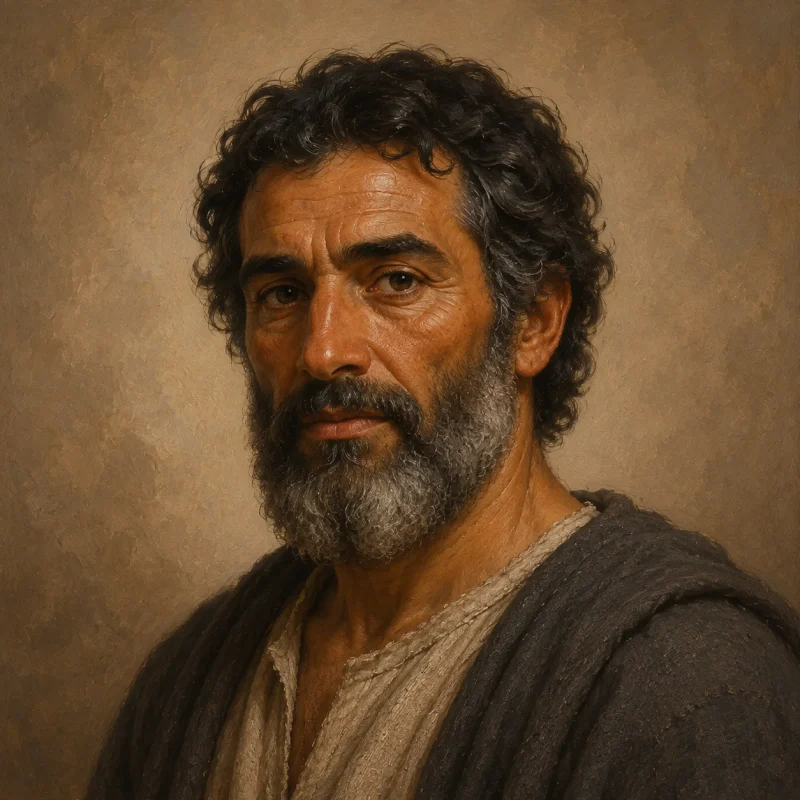
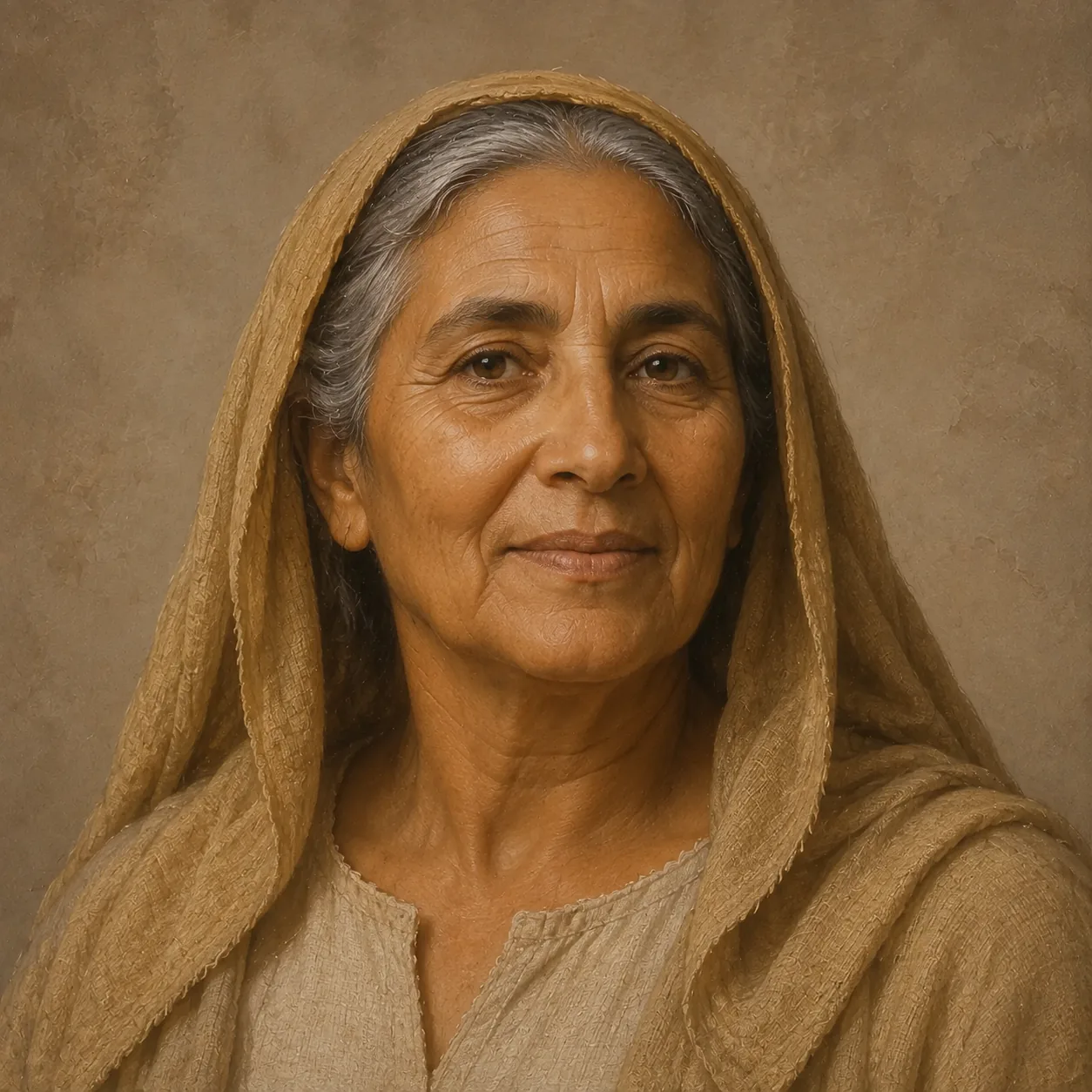
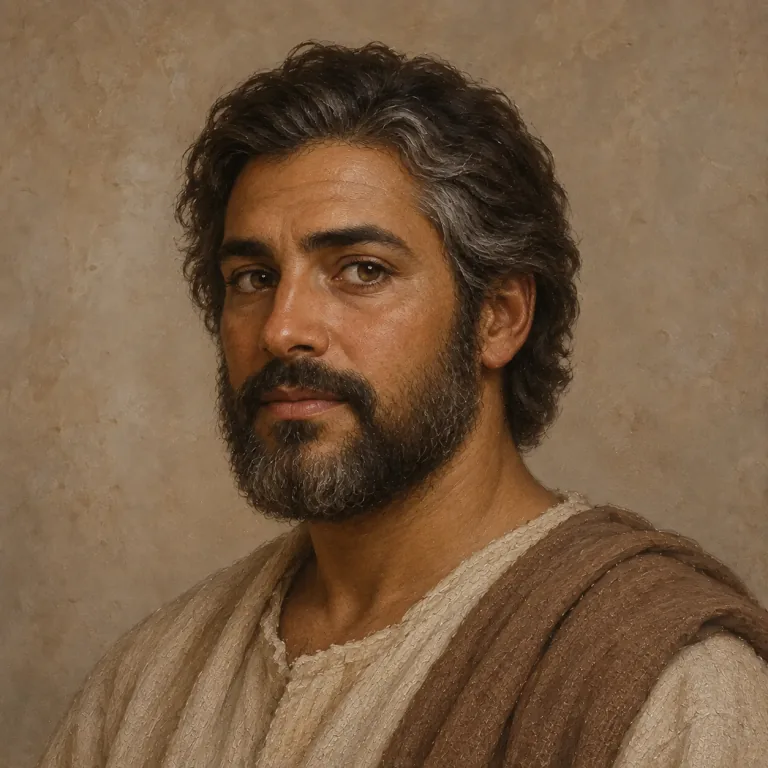
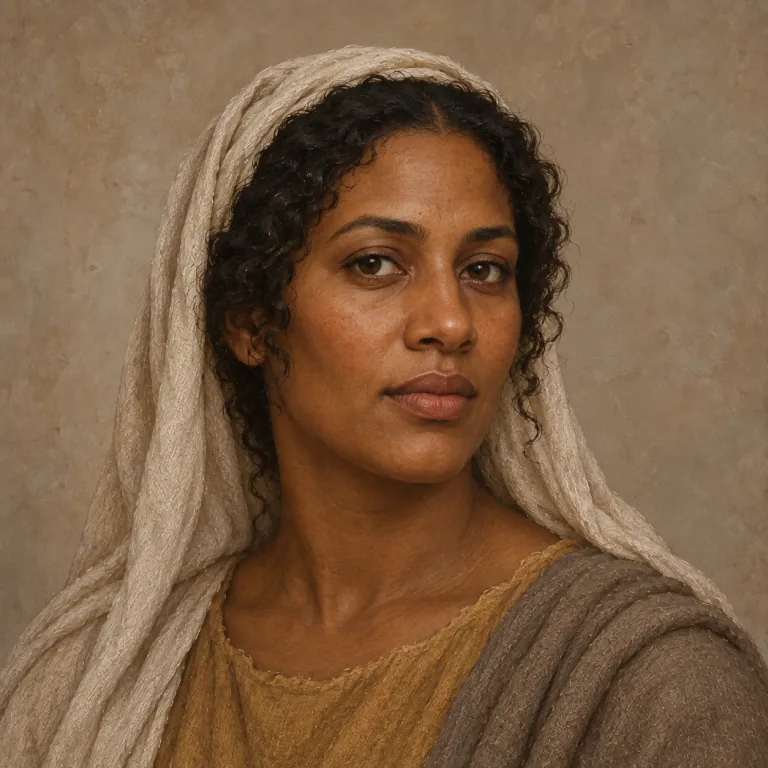
People in this chapter
Also indexed here: