Person in the Old and New Testaments
Jephthah
Jephthah: victory and a grievous vow
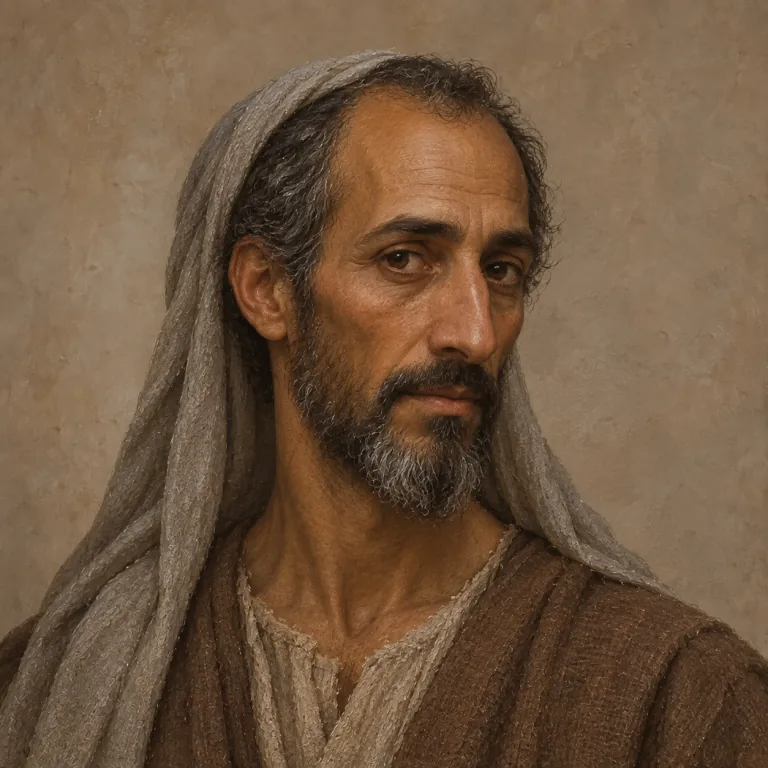
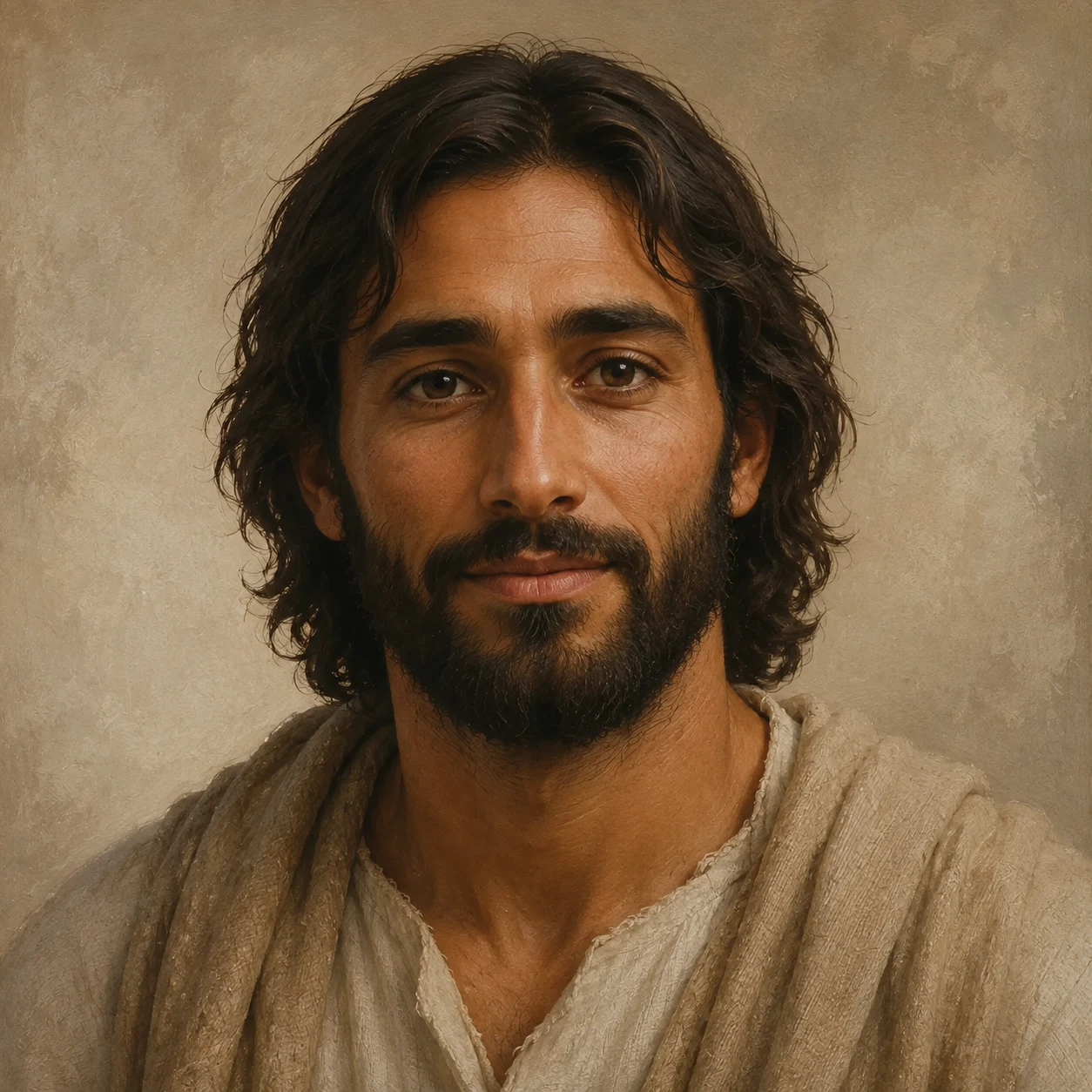
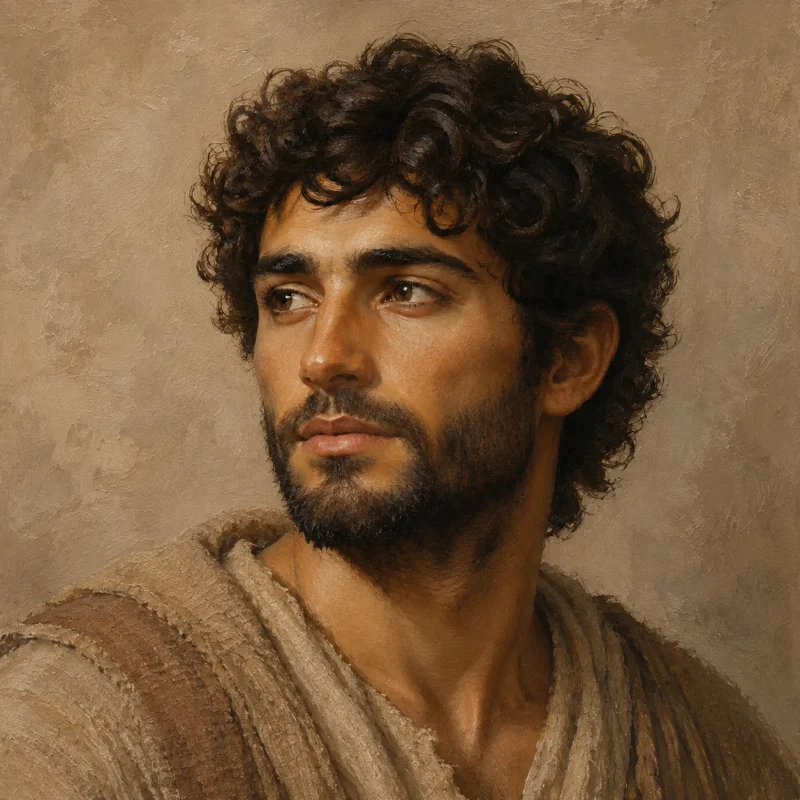
Portrait: an AI-generated artistic interpretation, not evidence of how Jephthah looked.
Who Jephthah is
Jephthah is a Gileadite warrior, the son of Gilead and a woman described as a prostitute. His brothers drive him away over the inheritance, and he settles in Tob. When Ammon attacks, Gilead's elders ask him to lead them; he negotiates recognition as their head and speaks before the Lord at Mizpeh. After an unsuccessful exchange with Ammon's king, the Spirit of the Lord comes upon him. Jephthah then vows a burnt offering from what comes out of his house to meet him if he returns victorious. His only daughter comes out celebrating. She is given two months to mourn her virginity with her companions, returns, and the narrator says he does with her according to his vow. The text reports the vow's fulfilment without describing its manner in further detail.
Cited passages: Judges 11:1, Judges 11:2, Judges 11:3, Judges 11:4, Judges 11:5, Judges 11:6, Judges 11:7, Judges 11:8, Judges 11:9, Judges 11:10, Judges 11:11, Judges 11:12, Judges 11:28, Judges 11:29, Judges 11:30, Judges 11:31, Judges 11:32, Judges 11:33, Judges 11:34, Judges 11:35, Judges 11:36, Judges 11:37, Judges 11:38, Judges 11:39, Judges 11:40
Historical setting
Jephthah's story belongs to the conflict with Ammon affecting Gilead and tribes west of the Jordan. His message to Ammon's king recounts Israel's route, earlier battles and possession of the disputed towns; the three hundred years and the appeal concerning Chemosh occur within Jephthah's argument. After the Ammonite defeat, Ephraim protests being left out, while Jephthah says he had called for help and received none. Fighting follows, and the Gileadites control the Jordan crossings, using the pronunciation of Shibboleth to identify fleeing Ephraimites. The chapter reports forty-two thousand Ephraimite deaths at that time. Jephthah judges Israel for six years, dies and is buried in Gilead. Samuel later names him among the Lord's deliverers.
Cited passages: Judges 10:8, Judges 10:9, Judges 11:12, Judges 11:13, Judges 11:14, Judges 11:15, Judges 11:16, Judges 11:17, Judges 11:18, Judges 11:19, Judges 11:20, Judges 11:21, Judges 11:22, Judges 11:23, Judges 11:24, Judges 11:25, Judges 11:26, Judges 11:27, Judges 11:28, Judges 11:32, Judges 11:33, Judges 12:1, Judges 12:2, Judges 12:3, Judges 12:4, Judges 12:5, Judges 12:6, Judges 12:7, 1 Samuel 12:11
How the story is told
The man excluded from his father's house becomes the head sought by Gilead, but the story then turns from public victory to loss within his own house. His daughter remains unnamed and is explicitly his only child. The Spirit comes before the vow, and the narrative records no divine demand for that vow. The burnt-offering language and the statement that he performed it must remain beside the daughter's mourning and the annual remembrance; the passage does not narrate an alternative ceremony of lifelong service. The dispute with Ephraim follows the victory over Ammon, extending the account into violence among Israelites. Hebrews later includes Jephthah in a faith list, without giving a separate approval of his vow.
Cited passages: Judges 11:1, Judges 11:2, Judges 11:3, Judges 11:4, Judges 11:5, Judges 11:6, Judges 11:7, Judges 11:8, Judges 11:9, Judges 11:10, Judges 11:11, Judges 11:29, Judges 11:30, Judges 11:31, Judges 11:32, Judges 11:33, Judges 11:34, Judges 11:35, Judges 11:36, Judges 11:37, Judges 11:38, Judges 11:39, Judges 11:40, Judges 12:1, Judges 12:2, Judges 12:3, Judges 12:4, Judges 12:5, Judges 12:6, Hebrews 11:32, Hebrews 11:33, Hebrews 11:34, Hebrews 11:35, Hebrews 11:36, Hebrews 11:37, Hebrews 11:38, Hebrews 11:39, Hebrews 11:40
Story moments
- Driven from his household (Judges 11:2). Jephthah's brothers deny him an inheritance and drive him away.
- Brought back to lead (Judges 11:11). The people make Jephthah their head and commander, and he speaks before the Lord at Mizpeh.
- The Spirit comes upon him (Judges 11:29). This statement precedes the vow in the following verses.
- The burnt-offering vow (Judges 11:31). Jephthah promises to offer what comes from his house to meet him after victory.
- His daughter comes out (Judges 11:34). Jephthah's only child greets his return with music and dancing.
- The vow fulfilled (Judges 11:39). After two months, his daughter returns and the narrator says he does with her according to his vow.
- Six years as judge (Judges 12:7). The account records Jephthah's six years of judging, death and burial in Gilead.
Key passages
Judges 11:1
Now Jephthah the Gileadite was a mighty man of valour, and he was the son of an harlot: and Gilead begat Jephthah.
Judges 11:2
And Gilead’s wife bare him sons; and his wife’s sons grew up, and they thrust out Jephthah, and said unto him, Thou shalt not inherit in our father’s house; for thou art the son of a strange woman.
Judges 11:3
Then Jephthah fled from his brethren, and dwelt in the land of Tob: and there were gathered vain men to Jephthah, and went out with him.
Judges 11:5
And it was so, that when the children of Ammon made war against Israel, the elders of Gilead went to fetch Jephthah out of the land of Tob:
Judges 11:6
And they said unto Jephthah, Come, and be our captain, that we may fight with the children of Ammon.
Judges 11:7
And Jephthah said unto the elders of Gilead, Did not ye hate me, and expel me out of my father’s house? and why are ye come unto me now when ye are in distress?
King James Version. 26 indexed passages in total.
For reflection
What difference does it make that the Spirit comes before Jephthah's vow? Attend to his daughter's words and the narrator's account of fulfilment without making the vow a command from God or adding an unreported outcome.
Books Jephthah appears in
Related people
Names and references are adapted from STEPBible TIPNR. A person listed with a verse is named or indexed there; it does not mean they wrote or spoke it.