Person in the Old and New Testaments
Abel
Abel: the keeper of sheep whose blood cries from the ground
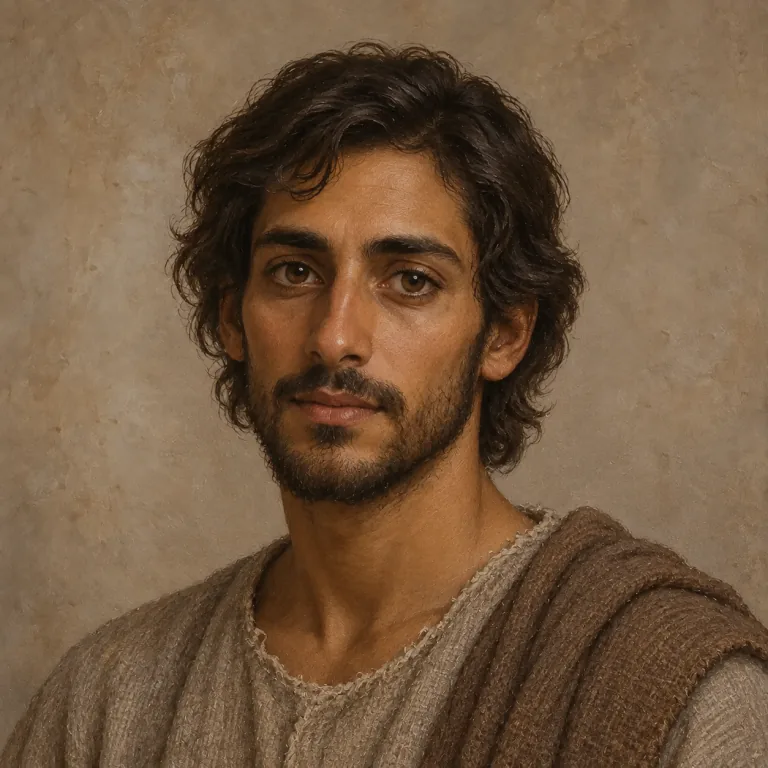
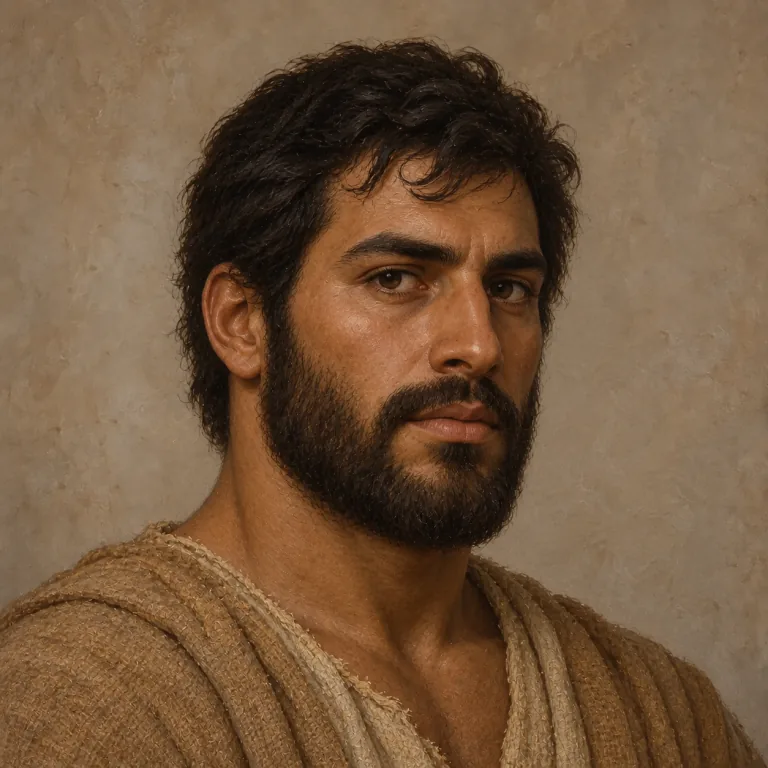
Portrait: an AI-generated artistic interpretation, not evidence of how Abel looked.
Who Abel is
Abel is Eve's second son, born after Cain. The narrator says he is a keeper of sheep while Cain tills the ground. When Cain brings an offering of the fruit of the ground, Abel also brings of the firstlings of his flock and of their fat, and the Lord has respect to Abel and his offering but not to Cain and his. Cain talks with Abel, and when they are in the field Cain rises up against him and kills him. The Lord asks Cain where Abel is, and then says the voice of Abel's blood cries to him from the ground, which has opened its mouth to receive it. Adam's wife later bears Seth and says God has appointed her another seed instead of Abel, whom Cain slew. Abel says nothing in the account; his only recorded acts are keeping sheep and bringing his offering. Later books recall him. Matthew records Jesus speaking of the blood of righteous Abel as the beginning of all the righteous blood shed on the earth, and Luke carries the same saying with the blood of Abel. Hebrews says Abel offered a more excellent sacrifice than Cain by faith, obtained witness that he was righteous, and being dead still speaks, and later says the blood of sprinkling speaks better things than that of Abel.
Cited passages: Genesis 4:2, Genesis 4:3, Genesis 4:4, Genesis 4:5, Genesis 4:8, Genesis 4:9, Genesis 4:10, Genesis 4:11, Genesis 4:25, Matthew 23:35, Luke 11:51, Hebrews 11:4, Hebrews 12:24, Matthew 23:1
Historical setting
Genesis names Abel in five verses and gives him no speech. The text establishes his parentage, his work with sheep, the content of his offering, the Lord's respect to it, and his death at Cain's hand in the field. It does not give his age, any wife or children, or the reason the Lord respected his offering rather than Cain's; the narrator states the difference and does not explain it. The word righteous is not applied to Abel in Genesis. It comes from later citations: Matthew records Jesus speaking of righteous Abel, Hebrews says he obtained witness that he was righteous by his sacrifice, and 1 John says his works were righteous in contrast with Cain's. Hebrews reads the offering as made by faith and reads Abel's continued speaking from the cry of his blood in Genesis. Hebrews 12 sets the blood of Abel against the blood of sprinkling, which it says speaks better things. Matthew and Luke place Abel at the start of a span of righteous blood ending with Zacharias, and the two Gospels describe that Zacharias differently, Matthew naming him son of Barachias and Luke giving no father. Nothing in Genesis says where Abel was buried or what became of his flock.
Cited passages: Genesis 4:2, Genesis 4:4, Genesis 4:5, Genesis 4:8, Matthew 23:35, Hebrews 11:4, 1 John 3:12, Genesis 4:10, Hebrews 12:24, Luke 11:51
How the story is told
Abel is named almost always in relation to his brother. The narrator writes his brother Abel at his birth, Abel his brother twice in the verse of the killing, and Abel thy brother in the Lord's question. His offering is introduced with he also, setting it beside Cain's, and the narrator's respect and no respect sentences run in parallel. Abel has no voice in the story until after his death, when the Lord says the voice of his blood cries from the ground; the only speech attached to him is his blood's. A younger son receiving what the elder does not comes back later in Genesis, where the Lord tells Rebekah the elder shall serve the younger. The naming of Seth as a seed instead of Abel closes the chapter by marking the loss. Hebrews turns the cry of the blood into a statement that Abel still speaks and then, in its closing chapters, compares that speaking blood with the blood of sprinkling. The Gospel sayings use his name as the first point in a line of the righteous killed.
Cited passages: Genesis 4:2, Genesis 4:8, Genesis 4:9, Genesis 4:4, Genesis 4:5, Genesis 4:10, Genesis 4:25, Hebrews 11:4, Hebrews 12:24, Matthew 23:35, Genesis 25:23
Story moments
- A keeper of sheep (Genesis 4:2). Eve bears Abel after Cain, and the narrator says Abel keeps sheep.
- The firstlings of his flock (Genesis 4:4). Abel brings the firstlings and their fat, and the Lord has respect to him and his offering.
- Killed in the field (Genesis 4:8). Cain rises up against Abel in the field and kills him.
- His blood cries from the ground (Genesis 4:10). The Lord tells Cain that the voice of his brother's blood cries from the ground.
- Dead, he yet speaks (Hebrews 11:4). Hebrews says Abel offered by faith, was witnessed righteous, and still speaks though dead.
Key passages
Genesis 4:2
And she again bare his brother Abel. And Abel was a keeper of sheep, but Cain was a tiller of the ground.
Genesis 4:4
And Abel, he also brought of the firstlings of his flock and of the fat thereof. And the Lord had respect unto Abel and to his offering:
Genesis 4:8
And Cain talked with Abel his brother: and it came to pass, when they were in the field, that Cain rose up against Abel his brother, and slew him.
Genesis 4:9
And the Lord said unto Cain, Where is Abel thy brother? And he said, I know not: Am I my brother’s keeper?
Genesis 4:25
And Adam knew his wife again; and she bare a son, and called his name Seth: For God, said she, hath appointed me another seed instead of Abel, whom Cain slew.
Matthew 23:35
That upon you may come all the righteous blood shed upon the earth, from the blood of righteous Abel unto the blood of Zacharias son of Barachias, whom ye slew between the temple and the altar.
King James Version. 9 indexed passages in total.
For reflection
Abel never speaks in Genesis, yet the Lord says his blood has a voice that cries from the ground. What does the story ask a reader to hear in a person who has been silenced?
Books Abel appears in
Related people

Names and references are adapted from STEPBible TIPNR. A person listed with a verse is named or indexed there; it does not mean they wrote or spoke it.