The Torah · Old Testament
Genesis 33
Esau welcomes Jacob, and the brothers take separate routes
General context
Seeing Esau approach with four hundred men, Jacob arranges his household and goes ahead, bowing seven times. Esau runs to meet him, embraces and kisses him, and they weep. Jacob introduces his children as God's gifts. Esau initially declines the animal gift, saying he has enough, but accepts after Jacob urges him. Esau offers to travel with him, while Jacob asks to move slowly for the children and animals with young. He also declines an offer of companions. Esau returns toward Seir. Jacob travels to Succoth, builds a house and shelters for his livestock, and later camps near Shechem in Canaan. He buys the ground where his tent stands and erects an altar.
Cited passages: Genesis 33:1, Genesis 33:2, Genesis 33:3, Genesis 33:4, Genesis 33:5, Genesis 33:6, Genesis 33:7, Genesis 33:8, Genesis 33:9, Genesis 33:10, Genesis 33:11, Genesis 33:12, Genesis 33:13, Genesis 33:14, Genesis 33:15, Genesis 33:16, Genesis 33:17, Genesis 33:18, Genesis 33:19, Genesis 33:20
Genesis 33 (KJV)
1And Jacob lifted up his eyes, and looked, and, behold, Esau came, and with him four hundred men. And he divided the children unto Leah, and unto Rachel, and unto the two handmaids.
2And he put the handmaids and their children foremost, and Leah and her children after, and Rachel and Joseph hindermost.
3And he passed over before them, and bowed himself to the ground seven times, until he came near to his brother.
4And Esau ran to meet him, and embraced him, and fell on his neck, and kissed him: and they wept.
5And he lifted up his eyes, and saw the women and the children; and said, Who are those with thee? And he said, The children which God hath graciously given thy servant.
6Then the handmaidens came near, they and their children, and they bowed themselves.
7And Leah also with her children came near, and bowed themselves: and after came Joseph near and Rachel, and they bowed themselves.
8And he said, What meanest thou by all this drove which I met? And he said, These are to find grace in the sight of my lord.
9And Esau said, I have enough, my brother; keep that thou hast unto thyself.
10And Jacob said, Nay, I pray thee, if now I have found grace in thy sight, then receive my present at my hand: for therefore I have seen thy face, as though I had seen the face of God, and thou wast pleased with me.
11Take, I pray thee, my blessing that is brought to thee; because God hath dealt graciously with me, and because I have enough. And he urged him, and he took it.
12And he said, Let us take our journey, and let us go, and I will go before thee.
13And he said unto him, My lord knoweth that the children are tender, and the flocks and herds with young are with me: and if men should overdrive them one day, all the flock will die.
14Let my lord, I pray thee, pass over before his servant: and I will lead on softly, according as the cattle that goeth before me and the children be able to endure, until I come unto my lord unto Seir.
15And Esau said, Let me now leave with thee some of the folk that are with me. And he said, What needeth it? let me find grace in the sight of my lord.
16So Esau returned that day on his way unto Seir.
17And Jacob journeyed to Succoth, and built him an house, and made booths for his cattle: therefore the name of the place is called Succoth.
18And Jacob came to Shalem, a city of Shechem, which is in the land of Canaan, when he came from Padan-aram; and pitched his tent before the city.
19And he bought a parcel of a field, where he had spread his tent, at the hand of the children of Hamor, Shechem’s father, for an hundred pieces of money.
20And he erected there an altar, and called it El-elohe-Israel.
This page shows the King James Version. In the app, reading opens in the Berean Standard Bible unless you have chosen another translation. The reader includes five translations: the Berean Standard Bible (BSB), the King James Version (KJV), the World English Bible (WEB), the Bible in Basic English (BBE), and the American Standard Version (ASV). Search covers three of them: Berean Standard, King James, and World English. Basic English and American Standard readers search the King James words.
Historical context
The handmaids and their children go first, Leah and her children next, and Rachel and Joseph last; Jacob himself goes ahead of them. His seven bows precede Esau's embrace. Both brothers say they have enough during the exchange over the gift. Jacob tells Esau he will come to him in Seir, but the route actually narrated here goes through Succoth to the area of Shechem. No visit to Seir is reported in this chapter. The field is bought from the children of Hamor for a hundred pieces of money. The account gives no modern currency equivalent. Jacob names the altar El-elohe-Israel.
Cited passages: Genesis 33:1, Genesis 33:2, Genesis 33:3, Genesis 33:4, Genesis 33:6, Genesis 33:7, Genesis 33:9, Genesis 33:10, Genesis 33:11, Genesis 33:12, Genesis 33:13, Genesis 33:14, Genesis 33:15, Genesis 33:16, Genesis 33:17, Genesis 33:18, Genesis 33:19, Genesis 33:20
Literary context
Jacob approaches with repeated bows, but Esau closes the distance by running, embracing and kissing him. Family introductions follow the tears. The dialogue over the gift moves from Esau's refusal to acceptance after Jacob insists. Jacob compares the welcome in Esau's face to seeing God's face, describing the favor he has received. Their peaceful meeting does not lead to a shared journey in the scene that follows. Esau heads toward Seir, while the narrative follows Jacob through shelters, a purchased field and an altar in Canaan.
Cited passages: Genesis 33:3, Genesis 33:4, Genesis 33:5, Genesis 33:6, Genesis 33:7, Genesis 33:8, Genesis 33:9, Genesis 33:10, Genesis 33:11, Genesis 33:12, Genesis 33:13, Genesis 33:14, Genesis 33:15, Genesis 33:16, Genesis 33:17, Genesis 33:18, Genesis 33:19, Genesis 33:20
Key moments
- Esau embraces Jacob (Genesis 33:4). Esau runs to meet Jacob, embraces and kisses him, and they weep.
- Esau accepts the gift (Genesis 33:11). Jacob urges Esau to take the gift, and Esau accepts it.
- Jacob builds at Succoth (Genesis 33:17). Jacob travels to Succoth, builds a house and makes shelters for his livestock.
- Jacob erects an altar (Genesis 33:20). Jacob erects an altar and names it El-elohe-Israel.
For reflection
What do Esau's welcome and the exchange over the gift reveal, and what does the chapter leave unsaid about the brothers' future relationship?
People in this chapter
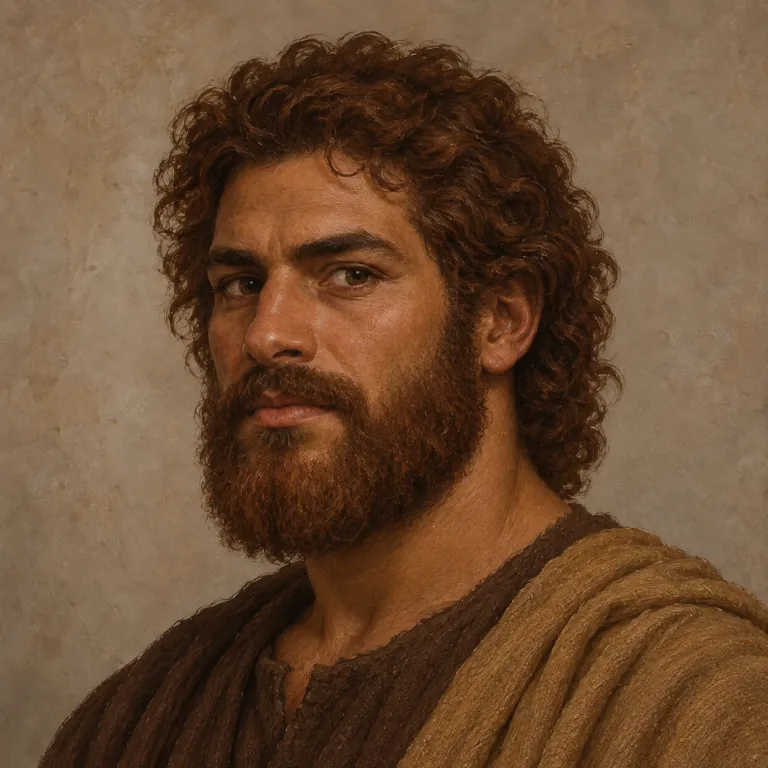
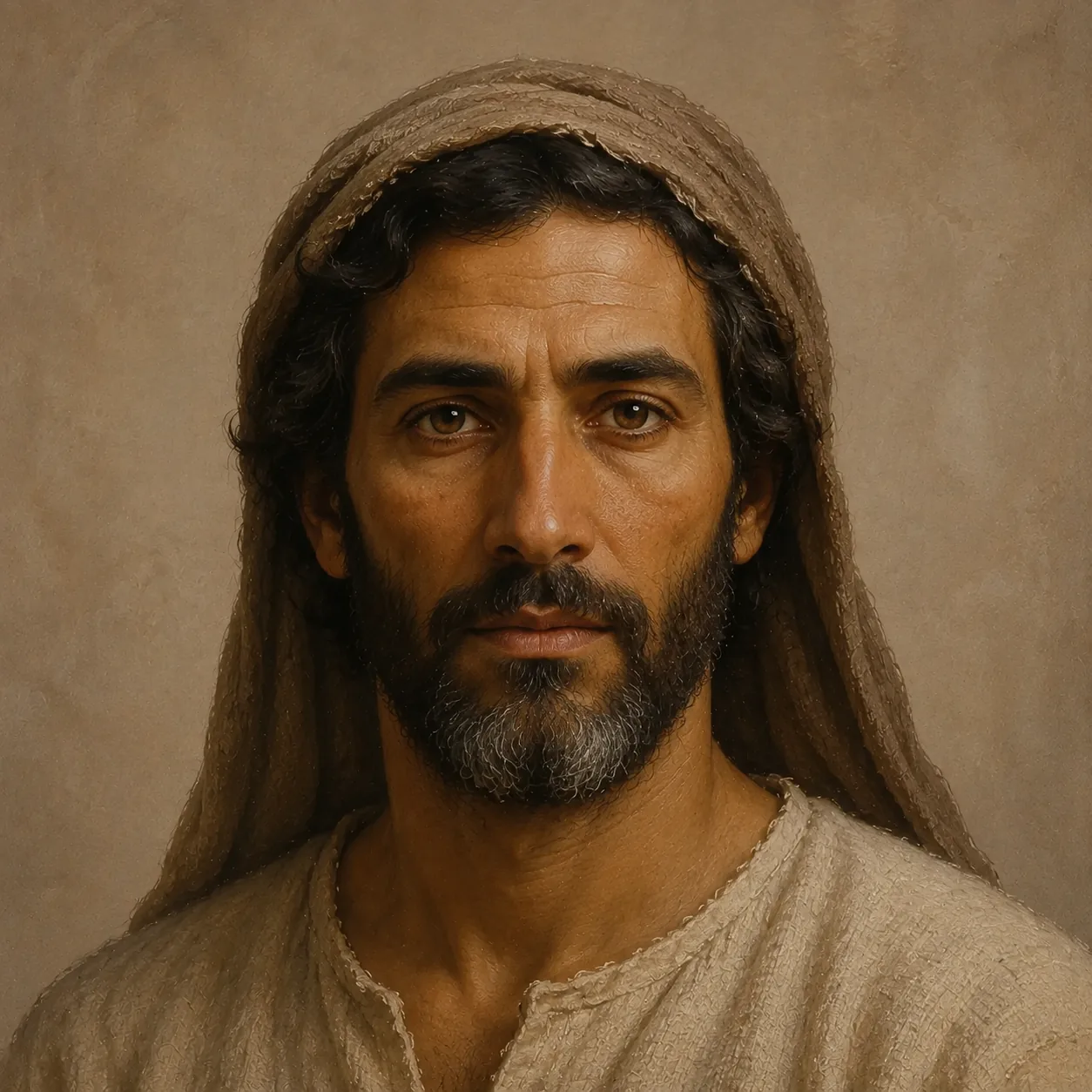
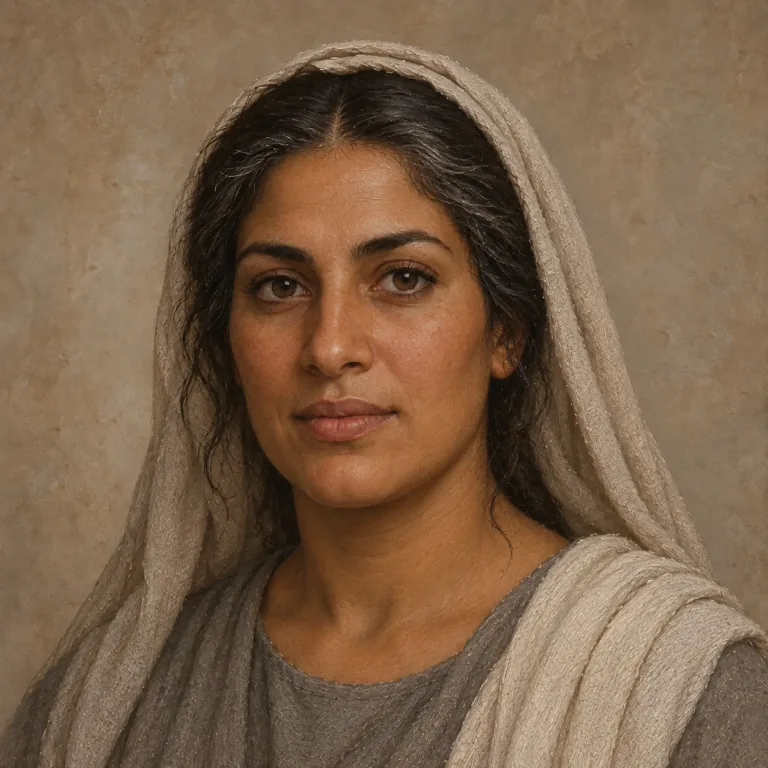
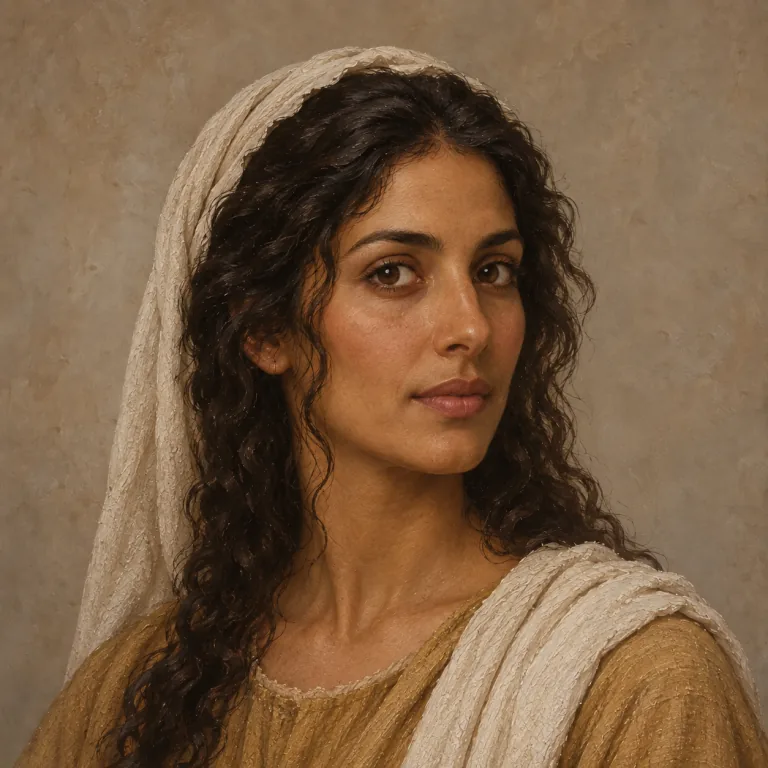
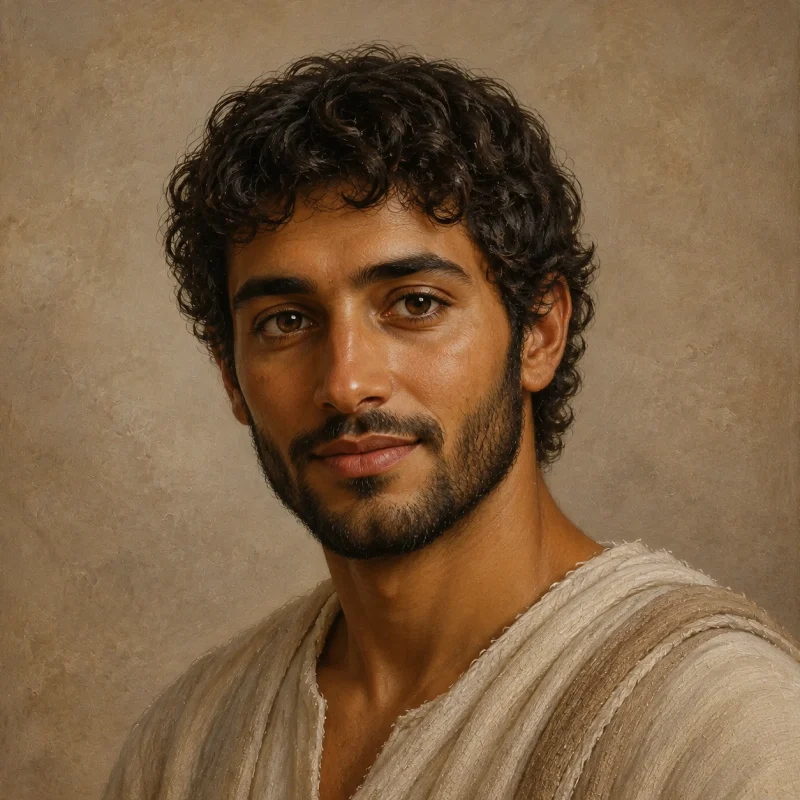
Also indexed here: