The Histories · Old Testament
1 Chronicles 1
1 Chronicles 1: names from Adam to the dukes of Edom
General context
The book opens with a bare chain of names, Adam to Noah and his three sons, with no verbs at all. It then branches: the sons of Japheth, the sons of Ham, the sons of Shem. A few asides interrupt the lists. Nimrod "began to be mighty upon the earth"; the Philistines came of Casluhim; Peleg is named "because in his days the earth was divided". A second chain runs from Shem to Abram, closed with the note "the same is Abraham". Abraham's sons are Isaac and Ishmael. Ishmael's twelve sons come first, then the sons of Keturah, called Abraham's concubine, then Isaac's sons, Esau and Israel. Esau's sons and grandsons follow, then the sons of Seir, with the note that Timna was Lotan's sister. The chapter closes with the kings who reigned in Edom "before any king reigned over the children of Israel", each succeeding when the last was dead, and finally a list of eleven dukes of Edom.
Cited passages: 1 Chronicles 1:1, 1 Chronicles 1:4, 1 Chronicles 1:5, 1 Chronicles 1:8, 1 Chronicles 1:10, 1 Chronicles 1:12, 1 Chronicles 1:17, 1 Chronicles 1:19, 1 Chronicles 1:24, 1 Chronicles 1:27, 1 Chronicles 1:28, 1 Chronicles 1:29, 1 Chronicles 1:32, 1 Chronicles 1:34, 1 Chronicles 1:35, 1 Chronicles 1:38, 1 Chronicles 1:39, 1 Chronicles 1:43, 1 Chronicles 1:44, 1 Chronicles 1:51, 1 Chronicles 1:54
1 Chronicles 1 (KJV)
1Adam, Sheth, Enosh,
2Kenan, Mahalaleel, Jered,
3Henoch, Methuselah, Lamech,
4Noah, Shem, Ham, and Japheth.
5The sons of Japheth; Gomer, and Magog, and Madai, and Javan, and Tubal, and Meshech, and Tiras.
6And the sons of Gomer; Ashchenaz, and Riphath, and Togarmah.
7And the sons of Javan; Elishah, and Tarshish, Kittim, and Dodanim.
8The sons of Ham; Cush, and Mizraim, Put, and Canaan.
9And the sons of Cush; Seba, and Havilah, and Sabta, and Raamah, and Sabtecha. And the sons of Raamah; Sheba, and Dedan.
10And Cush begat Nimrod: he began to be mighty upon the earth.
11And Mizraim begat Ludim, and Anamim, and Lehabim, and Naphtuhim,
12And Pathrusim, and Casluhim, (of whom came the Philistines,) and Caphthorim.
13And Canaan begat Zidon his firstborn, and Heth,
14The Jebusite also, and the Amorite, and the Girgashite,
15And the Hivite, and the Arkite, and the Sinite,
16And the Arvadite, and the Zemarite, and the Hamathite.
17The sons of Shem; Elam, and Asshur, and Arphaxad, and Lud, and Aram, and Uz, and Hul, and Gether, and Meshech.
18And Arphaxad begat Shelah, and Shelah begat Eber.
19And unto Eber were born two sons: the name of the one was Peleg; because in his days the earth was divided: and his brother’s name was Joktan.
20And Joktan begat Almodad, and Sheleph, and Hazarmaveth, and Jerah,
21Hadoram also, and Uzal, and Diklah,
22And Ebal, and Abimael, and Sheba,
23And Ophir, and Havilah, and Jobab. All these were the sons of Joktan.
24Shem, Arphaxad, Shelah,
25Eber, Peleg, Reu,
26Serug, Nahor, Terah,
27Abram; the same is Abraham.
28The sons of Abraham; Isaac, and Ishmael.
29These are their generations: The firstborn of Ishmael, Nebaioth; then Kedar, and Adbeel, and Mibsam,
30Mishma, and Dumah, Massa, Hadad, and Tema,
31Jetur, Naphish, and Kedemah. These are the sons of Ishmael.
32Now the sons of Keturah, Abraham’s concubine: she bare Zimran, and Jokshan, and Medan, and Midian, and Ishbak, and Shuah. And the sons of Jokshan; Sheba, and Dedan.
33And the sons of Midian; Ephah, and Epher, and Henoch, and Abida, and Eldaah. All these are the sons of Keturah.
34And Abraham begat Isaac. The sons of Isaac; Esau and Israel.
35The sons of Esau; Eliphaz, Reuel, and Jeush, and Jaalam, and Korah.
36The sons of Eliphaz; Teman, and Omar, Zephi, and Gatam, Kenaz, and Timna, and Amalek.
37The sons of Reuel; Nahath, Zerah, Shammah, and Mizzah.
38And the sons of Seir; Lotan, and Shobal, and Zibeon, and Anah, and Dishon, and Ezer, and Dishan.
39And the sons of Lotan; Hori, and Homam: and Timna was Lotan’s sister.
40The sons of Shobal; Alian, and Manahath, and Ebal, Shephi, and Onam. And the sons of Zibeon; Aiah, and Anah.
41The sons of Anah; Dishon. And the sons of Dishon; Amram, and Eshban, and Ithran, and Cheran.
42The sons of Ezer; Bilhan, and Zavan, and Jakan. The sons of Dishan; Uz, and Aran.
43Now these are the kings that reigned in the land of Edom before any king reigned over the children of Israel; Bela the son of Beor: and the name of his city was Dinhabah.
44And when Bela was dead, Jobab the son of Zerah of Bozrah reigned in his stead.
45And when Jobab was dead, Husham of the land of the Temanites reigned in his stead.
46And when Husham was dead, Hadad the son of Bedad, which smote Midian in the field of Moab, reigned in his stead: and the name of his city was Avith.
47And when Hadad was dead, Samlah of Masrekah reigned in his stead.
48And when Samlah was dead, Shaul of Rehoboth by the river reigned in his stead.
49And when Shaul was dead, Baal-hanan the son of Achbor reigned in his stead.
50And when Baal-hanan was dead, Hadad reigned in his stead: and the name of his city was Pai; and his wife’s name was Mehetabel, the daughter of Matred, the daughter of Mezahab.
51Hadad died also. And the dukes of Edom were; duke Timnah, duke Aliah, duke Jetheth,
52Duke Aholibamah, duke Elah, duke Pinon,
53Duke Kenaz, duke Teman, duke Mibzar,
54Duke Magdiel, duke Iram. These are the dukes of Edom.
This page shows the King James Version. In the app, reading opens in the Berean Standard Bible unless you have chosen another translation. The reader includes five translations: the Berean Standard Bible (BSB), the King James Version (KJV), the World English Bible (WEB), the Bible in Basic English (BBE), and the American Standard Version (ASV). Search covers three of them: Berean Standard, King James, and World English. Basic English and American Standard readers search the King James words.
Historical context
The chapter establishes a sequence of descent, not a story. It gives no ages, no dates and no events beyond three short notes: Nimrod's might, the division of the earth in Peleg's days, and the Philistines' origin from Casluhim. The only explicit identification is "Abram; the same is Abraham". Ishmael's sons and Keturah's sons are listed before Isaac's, and Esau's descendants and the Edomite kings before Israel's sons, which begin in the next chapter. The text lists Timna twice, once among the sons of Eliphaz and once as Lotan's sister, without comment. The Edomite kings are placed "before any king reigned over the children of Israel", and for some a city is named; Hadad the son of Bedad is the only one given a deed, having "smote Midian in the field of Moab". The text does not explain how the sons of Seir relate to Esau's family, why the kingship in Edom passes between unrelated men, or what the dukes were. No story is told for any of these names; the list alone carries the weight.
Cited passages: 1 Chronicles 1:10, 1 Chronicles 1:12, 1 Chronicles 1:19, 1 Chronicles 1:27, 1 Chronicles 1:31, 1 Chronicles 1:33, 1 Chronicles 1:36, 1 Chronicles 1:39, 1 Chronicles 1:43, 1 Chronicles 1:46, 1 Chronicles 1:50
Literary context
The chapter alternates two forms. Straight chains of single names (Adam to Noah, Shem to Abraham) move quickly down one line; branching lists ("The sons of Japheth", "The sons of Ham") spread sideways. The pattern narrows from all peoples to one man, Abraham, and then widens again into the families that are not Israel: Ishmael, Keturah's sons, Esau, Seir, the kings and dukes of Edom. Israel's own sons are held back for the first verse of chapter 2. The king list uses one formula seven times, "And when X was dead, Y reigned in his stead", so that the succession reads as a rhythm of deaths. The narrator withholds every story a reader might expect, giving only fragments ("he began to be mighty", "the earth was divided") that point to events without telling them. Even the closing line is a summary, "These are the dukes of Edom", not a conclusion.
Cited passages: 1 Chronicles 1:1, 1 Chronicles 1:5, 1 Chronicles 1:8, 1 Chronicles 1:24, 1 Chronicles 1:27, 1 Chronicles 1:34, 1 Chronicles 1:45, 1 Chronicles 1:47, 1 Chronicles 1:10, 1 Chronicles 1:19, 1 Chronicles 1:54
Key moments
- Adam heads the list (1 Chronicles 1:1). The book begins with three names and no verb, Adam, Sheth, Enosh.
- Nimrod's note (1 Chronicles 1:10). Cush begets Nimrod, who began to be mighty upon the earth.
- Peleg and the divided earth (1 Chronicles 1:19). Eber's son Peleg is named because in his days the earth was divided.
- Abram, the same is Abraham (1 Chronicles 1:27). The chain from Shem ends with Abram and the note identifying him as Abraham.
- Esau and Israel (1 Chronicles 1:34). Isaac's two sons are named, and Esau's line is traced first.
- Kings of Edom before Israel's kings (1 Chronicles 1:43). Edom's kings begin with Bela the son of Beor, each succeeding at the last one's death.
- The dukes of Edom (1 Chronicles 1:51). After Hadad dies, eleven dukes of Edom close the chapter.
For reflection
The chapter gives Nimrod one clause, "he began to be mighty upon the earth", and Peleg a single clause about the earth being divided. What is different about meeting such figures as entries in a list rather than as characters in a story?
People in this chapter
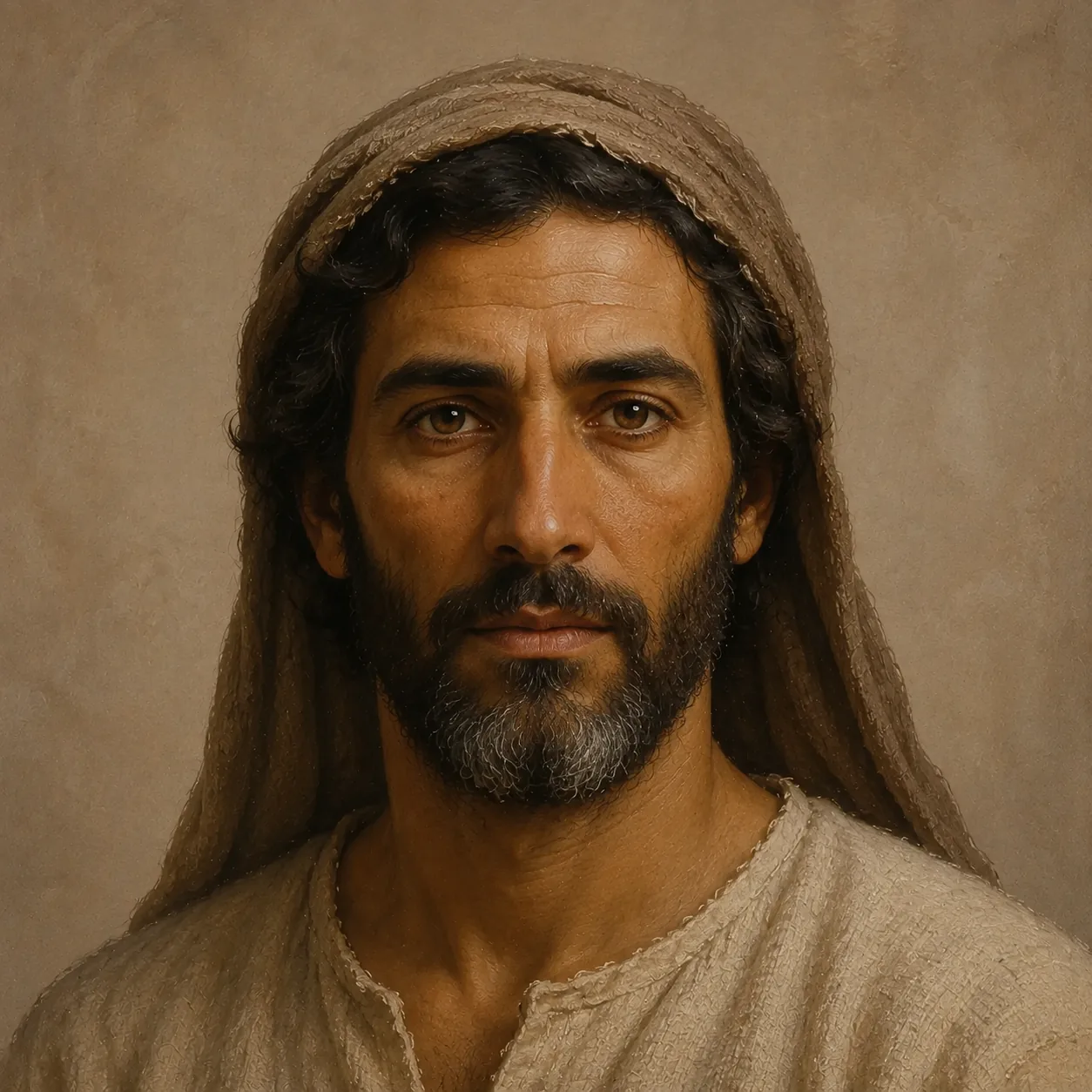
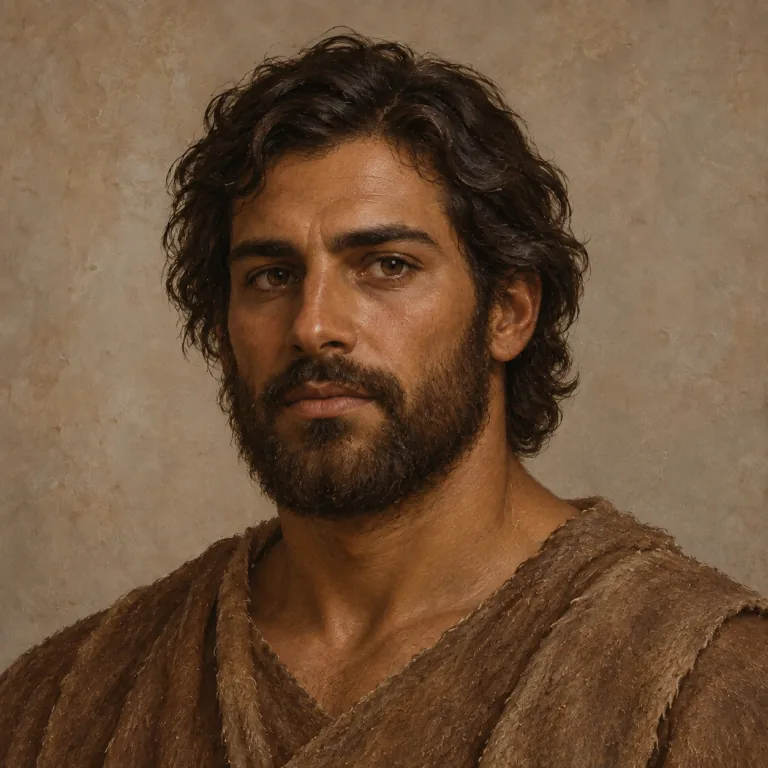
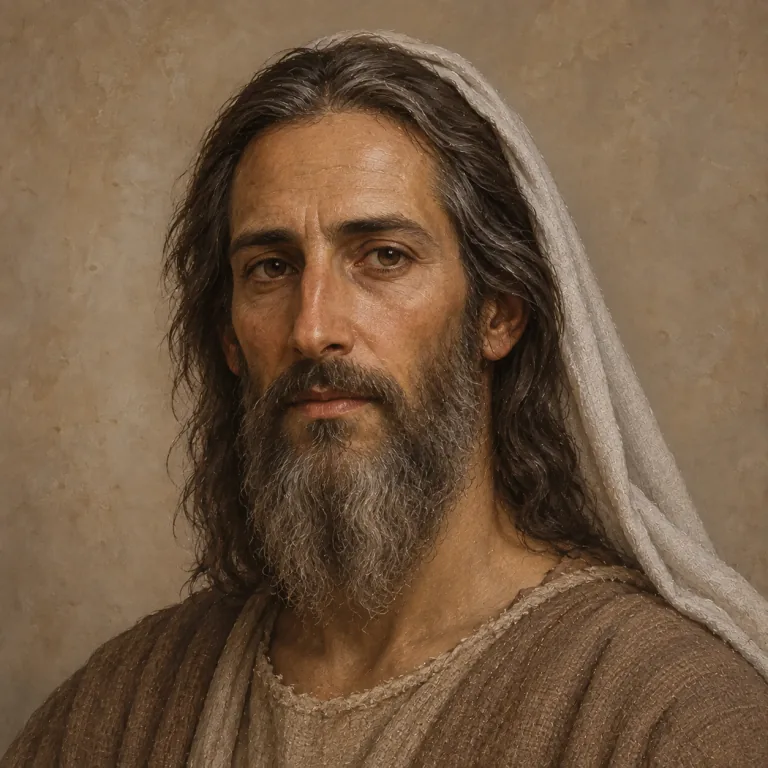
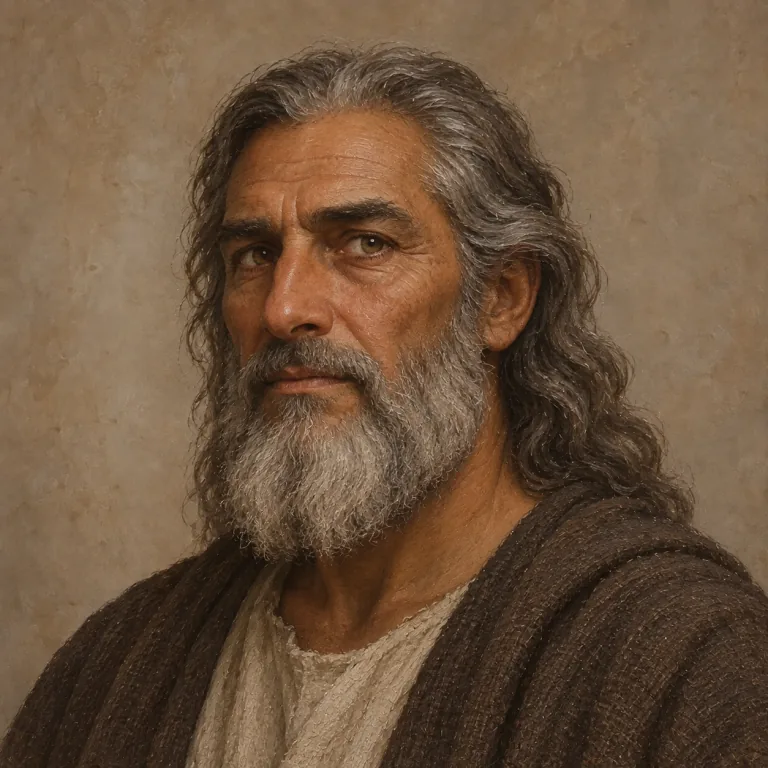
Also indexed here: