Person in the Old and New Testaments
Rebekah
Rebekah: Isaac's wife from Nahor's house, mother of Esau and Jacob
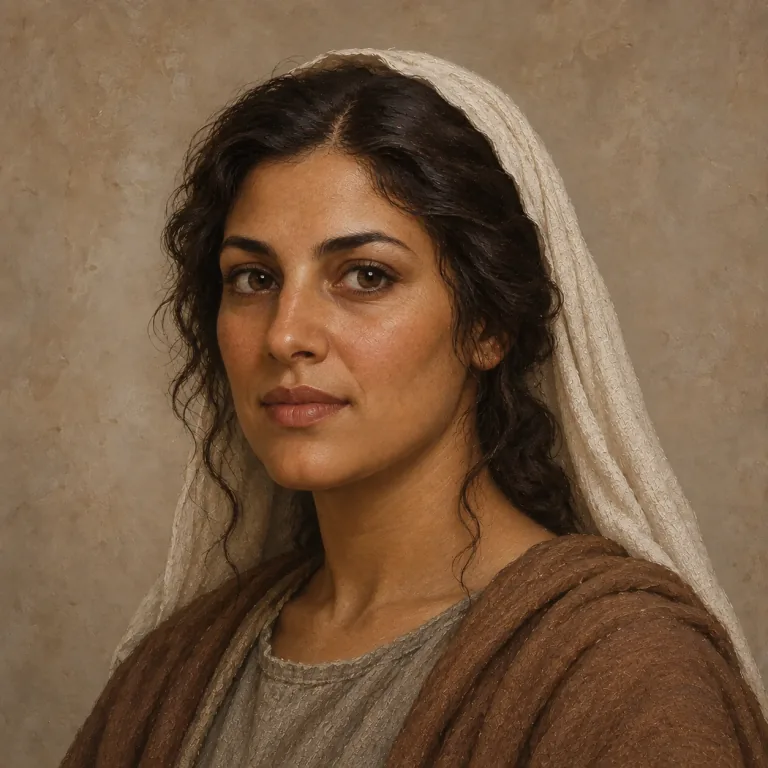
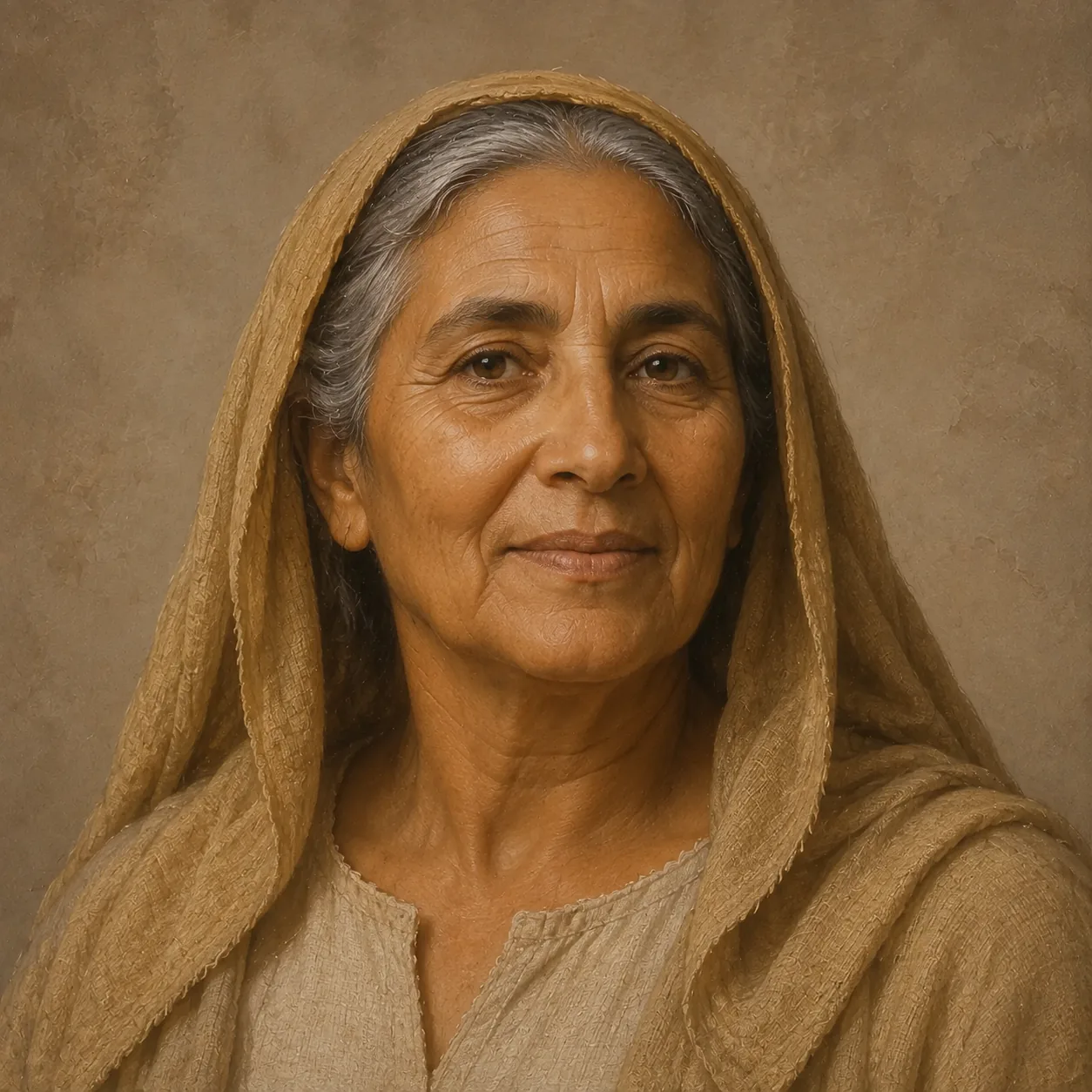
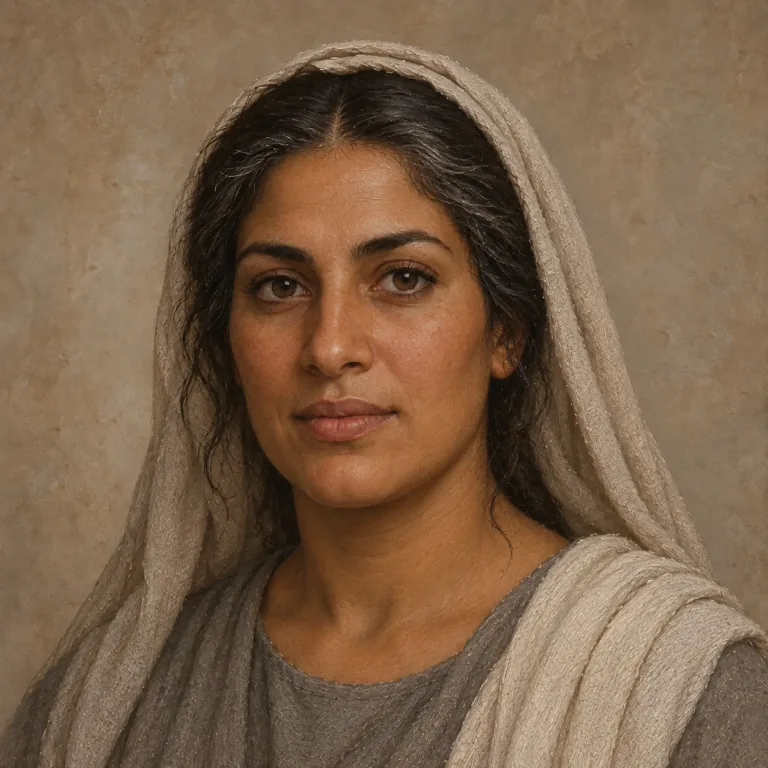
Portrait: an AI-generated artistic interpretation, not evidence of how Rebekah looked.
Who Rebekah is
Rebekah is first named in a report to Abraham: Bethuel, son of Nahor and Milcah, begat Rebekah. Abraham's servant prays at the well of the city of Nahor for a sign; she comes out with her pitcher before he has finished speaking, gives him drink, and draws for all his camels. She names her father, offers lodging, and runs to tell her mother's house. Her brother Laban brings the man in, and Laban and Bethuel say the thing proceeds from the Lord. Asked whether she will go with the man, she says I will go. Her family blesses her and she leaves with her nurse and damsels. Seeing Isaac in the field she lights off the camel and veils herself; Isaac brings her into his mother Sarah's tent, takes her as his wife and loves her. She is barren; Isaac entreats the Lord, she conceives twins, and when they struggle within her she enquires of the Lord and is told two nations are in her womb and the elder shall serve the younger. Esau and Jacob are born; Isaac loves Esau but Rebekah loves Jacob. In Gerar Isaac calls her his sister until Abimelech sees them together. Esau's Hittite wives grieve her. When Isaac prepares to bless Esau, Rebekah overhears, sends Jacob for kids to make savoury meat, dresses him in Esau's clothes and goatskins, and takes any curse on herself. After Esau purposes to kill Jacob, she sends him to her brother Laban and tells Isaac she is weary of her life because of the daughters of Heth. Her nurse Deborah dies later at Beth-el, and Jacob's last words place her burial with Isaac at Machpelah. Romans later cites what was said to Rebecca before the children were born.
Cited passages: Genesis 22:23, Genesis 24:15, Genesis 24:19, Genesis 24:24, Genesis 24:28, Genesis 24:29, Genesis 24:50, Genesis 24:51, Genesis 24:58, Genesis 24:59, Genesis 24:60, Genesis 24:64, Genesis 24:65, Genesis 24:67, Genesis 25:21, Genesis 25:22, Genesis 25:23, Genesis 25:28, Genesis 26:7, Genesis 26:8, Genesis 26:35, Genesis 27:5, Genesis 27:9, Genesis 27:13, Genesis 27:15, Genesis 27:16, Genesis 27:42, Genesis 27:43, Genesis 27:46, Genesis 35:8, Genesis 49:31, Romans 9:10, Genesis 22:20
Historical setting
Rebekah is the daughter of Bethuel, granddaughter of Nahor and Milcah, and therefore a relative of Abraham, whose brother Nahor is. The text calls Bethuel the Syrian of Padan-aram and Laban the Syrian; her mother is present in chapter 24 but never named. Isaac is forty when he marries her and sixty when the twins are born, so the narrator's statement that she was barren covers twenty years, though the text gives no other detail of them. The oracle about two nations is given to her, not to Isaac, and the text says she went to enquire of the Lord without saying where or how. In Gerar Isaac calls her his sister; the narrator gives his fear as the reason and records no claim of actual kinship like Abraham's about Sarah. Her plan in chapter 27 is stated in her own words, and Jacob's fear of seeming a deceiver is answered by her taking the curse on herself; the narrator does not judge the plan. Her promise to send and fetch Jacob is not reported as fulfilled. Genesis never records her death; her burial at Machpelah is known only from Jacob's speech in chapter 49, which sets her with Isaac, Abraham, Sarah and Leah. Her nurse is unnamed in chapter 24 and named Deborah at her death in chapter 35. Romans spells her Rebecca and cites the oracle the elder shall serve the younger as spoken before the children had done good or evil, a later argument about God's purpose. Neither Genesis nor Romans calls her chosen; that word is not a title the text gives her.
Cited passages: Genesis 22:23, Genesis 24:24, Genesis 25:20, Genesis 24:55, Genesis 25:26, Genesis 25:21, Genesis 25:22, Genesis 25:23, Genesis 26:7, Genesis 27:12, Genesis 27:13, Genesis 27:45, Genesis 49:31, Genesis 24:59, Genesis 35:8, Romans 9:11, Romans 9:12
How the story is told
Chapter 24 tells Rebekah's arrival twice, once as it happens and once in the servant's retelling to her family, and in both she acts before the prayer is finished. Her verbs at the well are haste and running: she hasted, she ran again unto the well, the damsel ran. Her decision is given in three words, I will go, after her family has already agreed, so the narrator records her consent separately from theirs. She enters Isaac's story through Sarah's tent, and the narrator ties his comfort to his mother's death. The oracle that the elder shall serve the younger is told to her alone, and chapter 27 shows her acting on Jacob's behalf with the same speed and command seen at the well: she hears, she speaks, she sends, and twice tells Jacob obey my voice. Isaac's sister claim in Gerar repeats his father's pattern, though here no king takes her and Abimelech only sees the two together. The chapter 27 scene turns on senses: Isaac cannot see, feels hairy hands, hears Jacob's voice, and smells Esau's clothes, the raiment and the skins put on Jacob by Rebekah. Her last words, weary of her life because of the daughters of Heth, give Isaac the reason to send Jacob away, and after that the narrator names her only as another person's mother, sister or wife, with no death scene. Romans uses her only for the oracle, reading it as a statement about purpose before birth.
Cited passages: Genesis 24:15, Genesis 24:45, Genesis 24:18, Genesis 24:20, Genesis 24:28, Genesis 24:58, Genesis 24:67, Genesis 25:23, Genesis 27:8, Genesis 27:43, Genesis 26:9, Genesis 27:1, Genesis 27:22, Genesis 27:27, Genesis 27:46, Genesis 28:1, Romans 9:12
Story moments
- Water for the camels (Genesis 24:19). Rebekah gives the servant drink and offers to draw for all his camels, matching his prayer.
- I will go (Genesis 24:58). Asked whether she will go with the man, Rebekah answers that she will.
- Into Sarah's tent (Genesis 24:67). Isaac brings Rebekah into his mother's tent, takes her as his wife and loves her.
- Two nations in thy womb (Genesis 25:23). The Lord tells Rebekah that two nations struggle within her and the elder will serve the younger.
- Upon me be thy curse (Genesis 27:13). Rebekah takes on herself any curse from the deception and tells Jacob to obey her voice.
- Jacob sent to Laban (Genesis 27:43). Learning that Esau plans to kill Jacob, Rebekah sends him to her brother in Haran.
- Weary of my life (Genesis 27:46). Rebekah tells Isaac she is weary of her life because of the daughters of Heth.
Key passages
Genesis 22:23
And Bethuel begat Rebekah: these eight Milcah did bear to Nahor, Abraham’s brother.
Genesis 24:15
And it came to pass, before he had done speaking, that, behold, Rebekah came out, who was born to Bethuel, son of Milcah, the wife of Nahor, Abraham’s brother, with her pitcher upon her shoulder.
Genesis 24:29
And Rebekah had a brother, and his name was Laban: and Laban ran out unto the man, unto the well.
Genesis 24:30
And it came to pass, when he saw the earring and bracelets upon his sister’s hands, and when he heard the words of Rebekah his sister, saying, Thus spake the man unto me; that he came unto the man; and, behold, he stood by the camels at the well.
Genesis 24:45
And before I had done speaking in mine heart, behold, Rebekah came forth with her pitcher on her shoulder; and she went down unto the well, and drew water: and I said unto her, Let me drink, I pray thee.
Genesis 24:51
Behold, Rebekah is before thee, take her, and go, and let her be thy master’s son’s wife, as the Lord hath spoken.
King James Version. 30 indexed passages in total.
For reflection
Rebekah alone receives the word that the elder shall serve the younger, and years later she arranges the blessing for Jacob herself. Does the text present her plan as carrying out that word, or leave the connection for the reader to draw?
Books Rebekah appears in
Related people
Names and references are adapted from STEPBible TIPNR. A person listed with a verse is named or indexed there; it does not mean they wrote or spoke it.