The Prophets · Old Testament
Obadiah 1
Obadiah 1: the vision concerning Edom and the day of the Lord upon all the heathen
General context
The book opens, "The vision of Obadiah. Thus saith the Lord God concerning Edom," and a plural voice reports, "We have heard a rumour from the Lord, and an ambassador is sent among the heathen," calling the nations to battle against her. Edom is made "small among the heathen" and "greatly despised." Her pride has deceived her: she dwells "in the clefts of the rock" and says, "Who shall bring me down to the ground?" Though she set her nest "among the stars," she will be brought down. Thieves and grapegatherers leave something, but "the things of Esau" are searched out entirely. Her confederates bring her to the border and those who eat her bread deceive her. The wise men of Edom and the mighty men of Teman will be destroyed, and "every one of the mount of Esau" cut off, "For thy violence against thy brother Jacob." On the day strangers carried away his forces and cast lots upon Jerusalem, "even thou wast as one of them." She should not have looked on, rejoiced, spoken proudly, entered the gate, laid hands on their substance, stood in the crossway or delivered up the escaped. "For the day of the Lord is near upon all the heathen: as thou hast done, it shall be done unto thee." But on mount Zion there is deliverance; Jacob and Joseph become fire and flame and Esau stubble. The south, the plain and Benjamin take possession, the captivity returns, "And saviours shall come up on mount Zion to judge the mount of Esau; and the kingdom shall be the Lord’s."
Cited passages: Obadiah 1:1, Obadiah 1:2, Obadiah 1:3, Obadiah 1:4, Obadiah 1:5, Obadiah 1:6, Obadiah 1:7, Obadiah 1:8, Obadiah 1:9, Obadiah 1:10, Obadiah 1:11, Obadiah 1:13, Obadiah 1:14, Obadiah 1:15, Obadiah 1:17, Obadiah 1:18, Obadiah 1:21
Obadiah 1 (KJV)
1The vision of Obadiah. Thus saith the Lord God concerning Edom; We have heard a rumour from the Lord, and an ambassador is sent among the heathen, Arise ye, and let us rise up against her in battle.
2Behold, I have made thee small among the heathen: thou art greatly despised.
3The pride of thine heart hath deceived thee, thou that dwellest in the clefts of the rock, whose habitation is high; that saith in his heart, Who shall bring me down to the ground?
4Though thou exalt thyself as the eagle, and though thou set thy nest among the stars, thence will I bring thee down, saith the Lord.
5If thieves came to thee, if robbers by night, (how art thou cut off!) would they not have stolen till they had enough? if the grapegatherers came to thee, would they not leave some grapes?
6How are the things of Esau searched out! how are his hidden things sought up!
7All the men of thy confederacy have brought thee even to the border: the men that were at peace with thee have deceived thee, and prevailed against thee; they that eat thy bread have laid a wound under thee: there is none understanding in him.
8Shall I not in that day, saith the Lord, even destroy the wise men out of Edom, and understanding out of the mount of Esau?
9And thy mighty men, O Teman, shall be dismayed, to the end that every one of the mount of Esau may be cut off by slaughter.
10For thy violence against thy brother Jacob shame shall cover thee, and thou shalt be cut off for ever.
11In the day that thou stoodest on the other side, in the day that the strangers carried away captive his forces, and foreigners entered into his gates, and cast lots upon Jerusalem, even thou wast as one of them.
12But thou shouldest not have looked on the day of thy brother in the day that he became a stranger; neither shouldest thou have rejoiced over the children of Judah in the day of their destruction; neither shouldest thou have spoken proudly in the day of distress.
13Thou shouldest not have entered into the gate of my people in the day of their calamity; yea, thou shouldest not have looked on their affliction in the day of their calamity, nor have laid hands on their substance in the day of their calamity;
14Neither shouldest thou have stood in the crossway, to cut off those of his that did escape; neither shouldest thou have delivered up those of his that did remain in the day of distress.
15For the day of the Lord is near upon all the heathen: as thou hast done, it shall be done unto thee: thy reward shall return upon thine own head.
16For as ye have drunk upon my holy mountain, so shall all the heathen drink continually, yea, they shall drink, and they shall swallow down, and they shall be as though they had not been.
17But upon mount Zion shall be deliverance, and there shall be holiness; and the house of Jacob shall possess their possessions.
18And the house of Jacob shall be a fire, and the house of Joseph a flame, and the house of Esau for stubble, and they shall kindle in them, and devour them; and there shall not be any remaining of the house of Esau; for the Lord hath spoken it.
19And they of the south shall possess the mount of Esau; and they of the plain the Philistines: and they shall possess the fields of Ephraim, and the fields of Samaria: and Benjamin shall possess Gilead.
20And the captivity of this host of the children of Israel shall possess that of the Canaanites, even unto Zarephath; and the captivity of Jerusalem, which is in Sepharad, shall possess the cities of the south.
21And saviours shall come up on mount Zion to judge the mount of Esau; and the kingdom shall be the Lord’s.
This page shows the King James Version. In the app, reading opens in the Berean Standard Bible unless you have chosen another translation. The reader includes five translations: the Berean Standard Bible (BSB), the King James Version (KJV), the World English Bible (WEB), the Bible in Basic English (BBE), and the American Standard Version (ASV). Search covers three of them: Berean Standard, King James, and World English. Basic English and American Standard readers search the King James words.
Historical context
The opening gives a name and nothing else, "The vision of Obadiah." No father, no office, no place and no king are attached to him, and no time marker appears anywhere in the chapter. Other men of the same name stand elsewhere in the Bible, such as the officer of 1 Kings 18:3, "Obadiah, which was the governor of his house," and this book makes no connection to any of them. The oracle is "concerning Edom," and Edom, Esau, "the mount of Esau" and Teman are used for the same party. The kinship is stated outright, "thy violence against thy brother Jacob." The day described in verse 11 has strangers carrying away his forces, foreigners entering "his gates" and lots cast "upon Jerusalem", but no invader is named and no date given. Zarephath and Sepharad are named as places and left unlocated. The plural "We have heard a rumour" in verse 1 is not assigned to any speaker. The chapter says nothing about how or when its sentence was carried out.
Cited passages: Obadiah 1:1, 1 Kings 18:3, Obadiah 1:8, Obadiah 1:9, Obadiah 1:10, Obadiah 1:11, Obadiah 1:20
Literary context
The chapter is built on height and descent. Edom sits "in the clefts of the rock," her habitation "high," and asks, "Who shall bring me down to the ground?"; the answer comes in the next verse, "thence will I bring thee down." Thieves and grapegatherers are used as a measure of restraint, since both leave something behind, while Esau is "searched out" and his hidden things "sought up." The betrayal is by allies, table companions and men at peace, so the fall comes from the same quarter as the trust. Verses 12 to 14 are a run of things that should not have been done, mostly watching and standing by, and the word "day" falls ten times across verses 11 to 14 before verse 15 names "the day of the Lord." The reversal is stated flatly, "as thou hast done, it shall be done unto thee." The turn is the "But" of verse 17, and the last third lists possession after possession, ending not with Jacob but with the Lord: "the kingdom shall be the Lord’s."
Cited passages: Obadiah 1:3, Obadiah 1:4, Obadiah 1:5, Obadiah 1:6, Obadiah 1:7, Obadiah 1:12, Obadiah 1:13, Obadiah 1:15, Obadiah 1:17, Obadiah 1:19, Obadiah 1:21
Key moments
- The vision concerning Edom (Obadiah 1:1). The book opens with Obadiah's vision and the Lord's word concerning Edom.
- The pride of thine heart (Obadiah 1:3). Edom, living in the clefts of the rock, asks who can bring her down.
- A nest among the stars (Obadiah 1:4). Even a nest set among the stars will be brought down.
- Violence against thy brother (Obadiah 1:10). The charge is violence against her brother Jacob, and shame will cover her.
- As one of them (Obadiah 1:11). On the day lots were cast upon Jerusalem, Edom stood aside and counted as one of the invaders.
- As thou hast done (Obadiah 1:15). The day of the Lord is near on all nations, and Edom's deeds return on her own head.
- The kingdom shall be the Lord's (Obadiah 1:21). Saviours come up on mount Zion to judge Esau, and the kingdom belongs to the Lord.
For reflection
Most of what Edom "shouldest not have" done in verses 12 to 14 is looking on, rejoicing and standing in the way of people who were running. What weight does the chapter give to watching, set beside the violence it names in verse 10?
People in this chapter
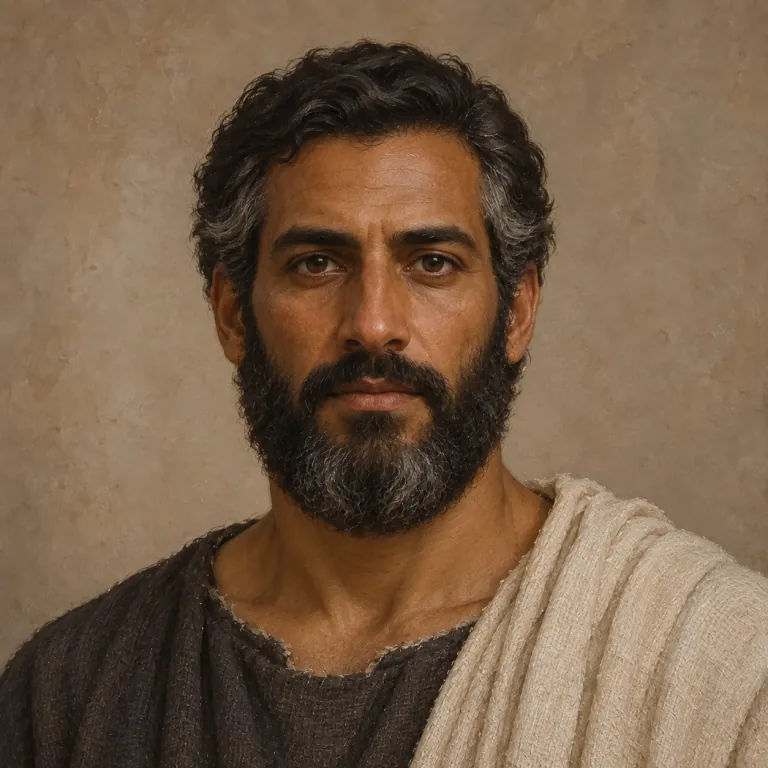
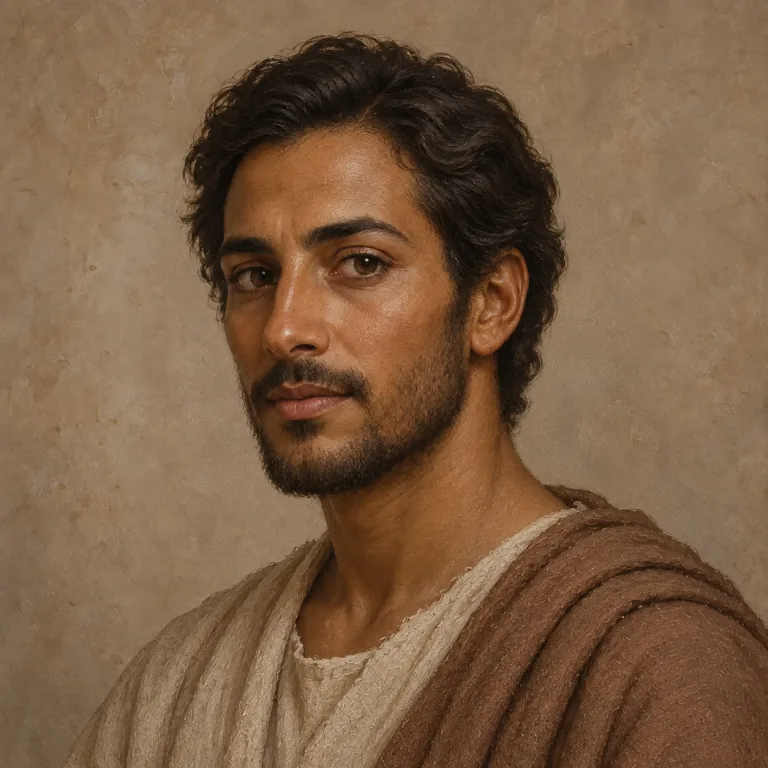
Also indexed here: