The Histories · Old Testament
Joshua 24
The covenant at Shechem and the book's closing burials
General context
Joshua gathers Israel and its leaders at Shechem. Speaking the Lord's words, he recalls ancestors who served other gods, the Lord's leading of Abraham, Isaac, Jacob and Esau, the descent into Egypt, the exodus, wilderness years and victories leading to the land. The speech credits the Lord with gifts Israel did not produce for itself. Joshua calls for sincere service and removal of other gods, declaring that he and his household will serve the Lord. The people answer with their own commitment and recall their deliverance. Joshua replies that they cannot serve the Lord, naming him as holy and jealous, and warns that abandonment for other gods will bring judgment. The people repeat their choice and acknowledge themselves as witnesses. Joshua makes a covenant, writes the words and sets up a stone as a witness beneath an oak by the sanctuary. The closing notices record Joshua's death at 110 and burial in his inheritance, Israel's service during his and the surviving elders' lifetimes, Joseph's bones buried at Shechem and Eleazar's death and burial.
Cited passages: Joshua 24:1, Joshua 24:2, Joshua 24:3, Joshua 24:4, Joshua 24:5, Joshua 24:6, Joshua 24:7, Joshua 24:8, Joshua 24:9, Joshua 24:10, Joshua 24:11, Joshua 24:12, Joshua 24:13, Joshua 24:14, Joshua 24:15, Joshua 24:16, Joshua 24:17, Joshua 24:18, Joshua 24:19, Joshua 24:20, Joshua 24:21, Joshua 24:22, Joshua 24:23, Joshua 24:24, Joshua 24:25, Joshua 24:26, Joshua 24:27, Joshua 24:28, Joshua 24:29, Joshua 24:30, Joshua 24:31, Joshua 24:32, Joshua 24:33
Joshua 24 (KJV)
1And Joshua gathered all the tribes of Israel to Shechem, and called for the elders of Israel, and for their heads, and for their judges, and for their officers; and they presented themselves before God.
2And Joshua said unto all the people, Thus saith the Lord God of Israel, Your fathers dwelt on the other side of the flood in old time, even Terah, the father of Abraham, and the father of Nachor: and they served other gods.
3And I took your father Abraham from the other side of the flood, and led him throughout all the land of Canaan, and multiplied his seed, and gave him Isaac.
4And I gave unto Isaac Jacob and Esau: and I gave unto Esau mount Seir, to possess it; but Jacob and his children went down into Egypt.
5I sent Moses also and Aaron, and I plagued Egypt, according to that which I did among them: and afterward I brought you out.
6And I brought your fathers out of Egypt: and ye came unto the sea; and the Egyptians pursued after your fathers with chariots and horsemen unto the Red sea.
7And when they cried unto the Lord, he put darkness between you and the Egyptians, and brought the sea upon them, and covered them; and your eyes have seen what I have done in Egypt: and ye dwelt in the wilderness a long season.
8And I brought you into the land of the Amorites, which dwelt on the other side Jordan; and they fought with you: and I gave them into your hand, that ye might possess their land; and I destroyed them from before you.
9Then Balak the son of Zippor, king of Moab, arose and warred against Israel, and sent and called Balaam the son of Beor to curse you:
10But I would not hearken unto Balaam; therefore he blessed you still: so I delivered you out of his hand.
11And ye went over Jordan, and came unto Jericho: and the men of Jericho fought against you, the Amorites, and the Perizzites, and the Canaanites, and the Hittites, and the Girgashites, the Hivites, and the Jebusites; and I delivered them into your hand.
12And I sent the hornet before you, which drave them out from before you, even the two kings of the Amorites; but not with thy sword, nor with thy bow.
13And I have given you a land for which ye did not labour, and cities which ye built not, and ye dwell in them; of the vineyards and oliveyards which ye planted not do ye eat.
14Now therefore fear the Lord, and serve him in sincerity and in truth: and put away the gods which your fathers served on the other side of the flood, and in Egypt; and serve ye the Lord.
15And if it seem evil unto you to serve the Lord, choose you this day whom ye will serve; whether the gods which your fathers served that were on the other side of the flood, or the gods of the Amorites, in whose land ye dwell: but as for me and my house, we will serve the Lord.
16And the people answered and said, God forbid that we should forsake the Lord, to serve other gods;
17For the Lord our God, he it is that brought us up and our fathers out of the land of Egypt, from the house of bondage, and which did those great signs in our sight, and preserved us in all the way wherein we went, and among all the people through whom we passed:
18And the Lord drave out from before us all the people, even the Amorites which dwelt in the land: therefore will we also serve the Lord; for he is our God.
19And Joshua said unto the people, Ye cannot serve the Lord: for he is an holy God; he is a jealous God; he will not forgive your transgressions nor your sins.
20If ye forsake the Lord, and serve strange gods, then he will turn and do you hurt, and consume you, after that he hath done you good.
21And the people said unto Joshua, Nay; but we will serve the Lord.
22And Joshua said unto the people, Ye are witnesses against yourselves that ye have chosen you the Lord, to serve him. And they said, We are witnesses.
23Now therefore put away, said he, the strange gods which are among you, and incline your heart unto the Lord God of Israel.
24And the people said unto Joshua, The Lord our God will we serve, and his voice will we obey.
25So Joshua made a covenant with the people that day, and set them a statute and an ordinance in Shechem.
26And Joshua wrote these words in the book of the law of God, and took a great stone, and set it up there under an oak, that was by the sanctuary of the Lord.
27And Joshua said unto all the people, Behold, this stone shall be a witness unto us; for it hath heard all the words of the Lord which he spake unto us: it shall be therefore a witness unto you, lest ye deny your God.
28So Joshua let the people depart, every man unto his inheritance.
29And it came to pass after these things, that Joshua the son of Nun, the servant of the Lord, died, being an hundred and ten years old.
30And they buried him in the border of his inheritance in Timnath-serah, which is in mount Ephraim, on the north side of the hill of Gaash.
31And Israel served the Lord all the days of Joshua, and all the days of the elders that overlived Joshua, and which had known all the works of the Lord, that he had done for Israel.
32And the bones of Joseph, which the children of Israel brought up out of Egypt, buried they in Shechem, in a parcel of ground which Jacob bought of the sons of Hamor the father of Shechem for an hundred pieces of silver: and it became the inheritance of the children of Joseph.
33And Eleazar the son of Aaron died; and they buried him in a hill that pertained to Phinehas his son, which was given him in mount Ephraim.
This page shows the King James Version. In the app, reading opens in the Berean Standard Bible unless you have chosen another translation. The reader includes five translations: the Berean Standard Bible (BSB), the King James Version (KJV), the World English Bible (WEB), the Bible in Basic English (BBE), and the American Standard Version (ASV). Search covers three of them: Berean Standard, King James, and World English. Basic English and American Standard readers search the King James words.
Historical context
Shechem is the explicit assembly and covenant location. KJV's other side of the flood is beyond the River in ASV and BBE, describing the ancestors' earlier setting rather than Noah's flood. Joshua's speech gives Jacob and Esau different movements: Esau receives Mount Seir, while Jacob's family goes to Egypt. The victory summary's not with thy sword, nor with thy bow attributes deliverance to the Lord; it does not erase the book's narrated human fighting. The stone stands by the sanctuary under an oak, without a supplied construction history for that sanctuary. Joshua is buried at Timnath-serah, Joseph's bones in Jacob's purchased plot at Shechem, and Eleazar in land associated with his son Phinehas in Ephraim's hill country. These are distinct burial notices.
Cited passages: Joshua 24:1, Joshua 24:2, Joshua 24:3, Joshua 24:4, Joshua 24:12, Joshua 24:25, Joshua 24:26, Joshua 24:27, Joshua 24:28, Joshua 24:29, Joshua 24:30, Joshua 24:31, Joshua 24:32, Joshua 24:33, Joshua 10:9, Joshua 10:10, Joshua 10:11
Literary context
The opening divine speech repeatedly makes the Lord the actor in the remembered history. Joshua turns that account into a demand for a present choice. The people's repeated promises are interrupted by his severe warning, so the exchange cannot be reduced to a single uncomplicated declaration. The written words and witness stone give the commitment a continuing public form; Joshua speaks of the stone as having heard the words. The burial notices bring the book's inheritance language into its ending, including the return of Joseph's bones from Egypt.
Cited passages: Joshua 24:2, Joshua 24:3, Joshua 24:4, Joshua 24:5, Joshua 24:6, Joshua 24:7, Joshua 24:8, Joshua 24:9, Joshua 24:10, Joshua 24:11, Joshua 24:12, Joshua 24:13, Joshua 24:14, Joshua 24:15, Joshua 24:16, Joshua 24:17, Joshua 24:18, Joshua 24:19, Joshua 24:20, Joshua 24:21, Joshua 24:22, Joshua 24:23, Joshua 24:24, Joshua 24:25, Joshua 24:26, Joshua 24:27, Joshua 24:28, Joshua 24:29, Joshua 24:30, Joshua 24:31, Joshua 24:32, Joshua 24:33
Key moments
- Joshua names his household's choice (Joshua 24:15). He declares that he and his household will serve the Lord while challenging the people to choose their service.
- The warning interrupts the pledge (Joshua 24:19). Joshua answers the people's promise by naming the Lord's holiness and jealousy and warning about sin.
- The stone as witness (Joshua 24:27). Joshua describes the stone as having heard the words and as a witness against denying God.
- Joseph's bones are buried at Shechem (Joshua 24:32). The bones brought from Egypt are buried in the plot Jacob purchased from Hamor's sons.
For reflection
The people repeat their commitment after hearing its demands and consequences. What must be understood before a public promise can be made with care?
People in this chapter
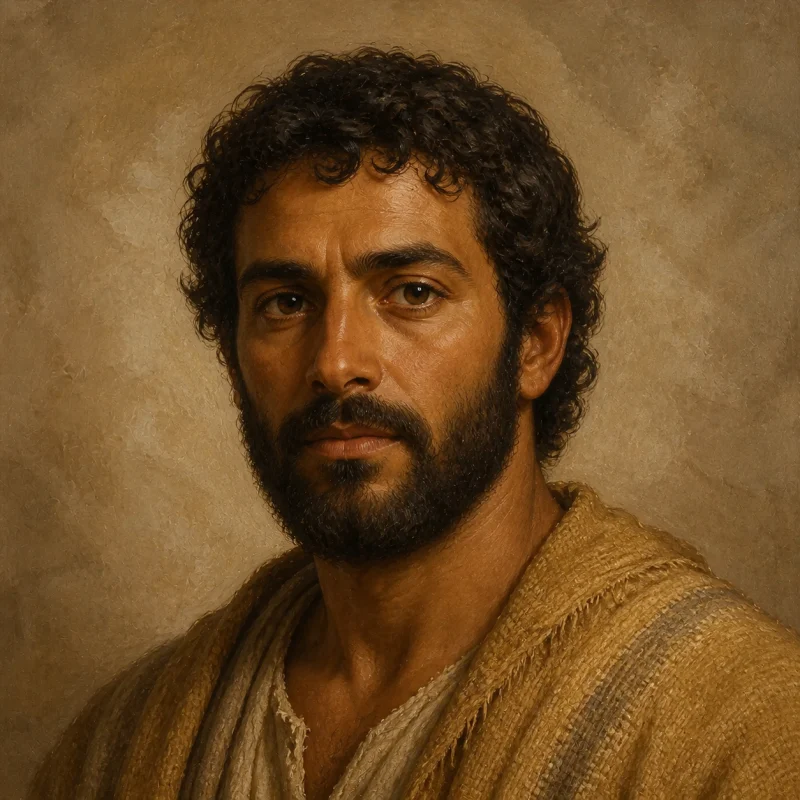
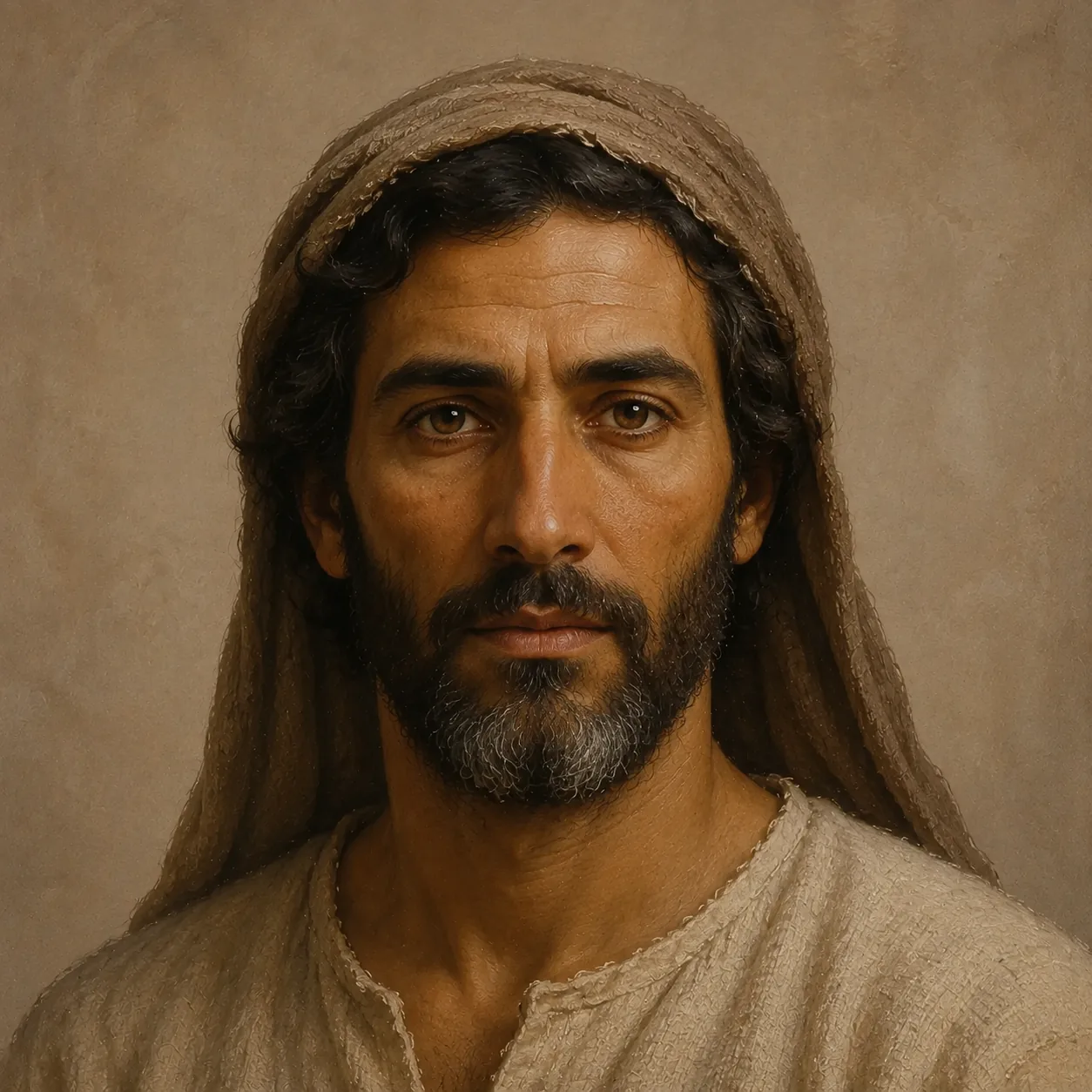
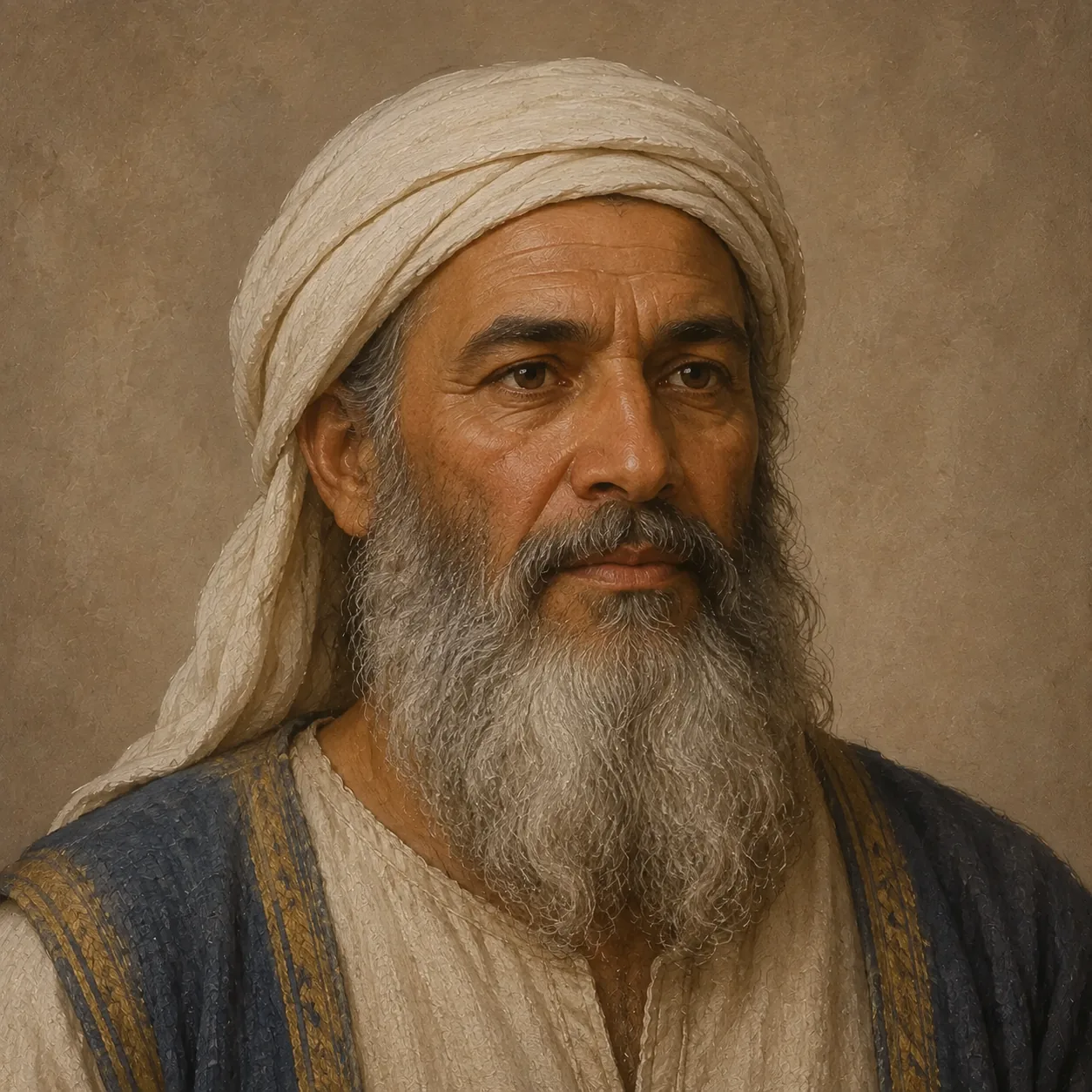
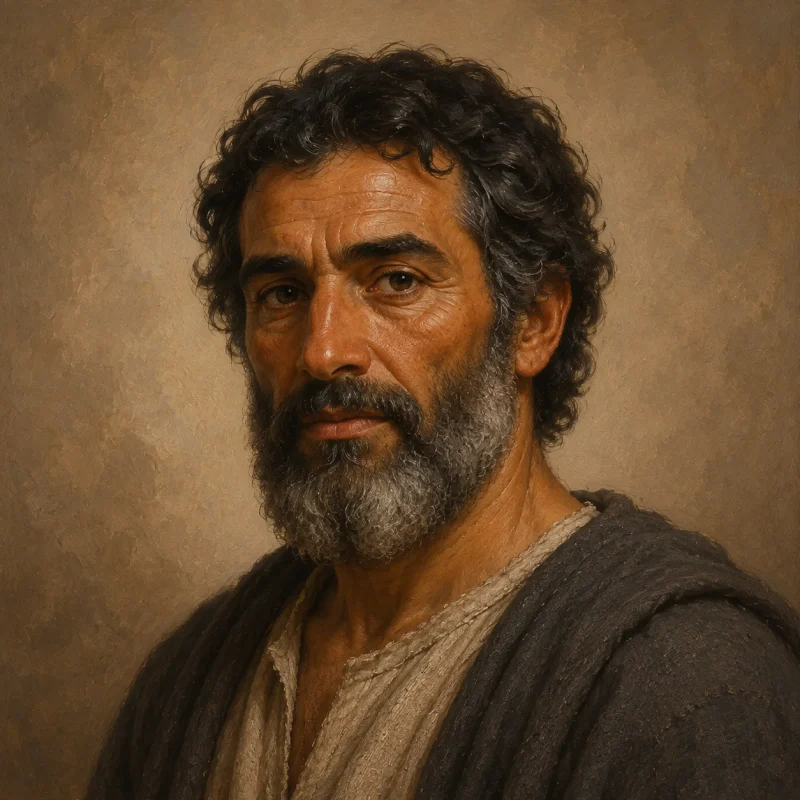
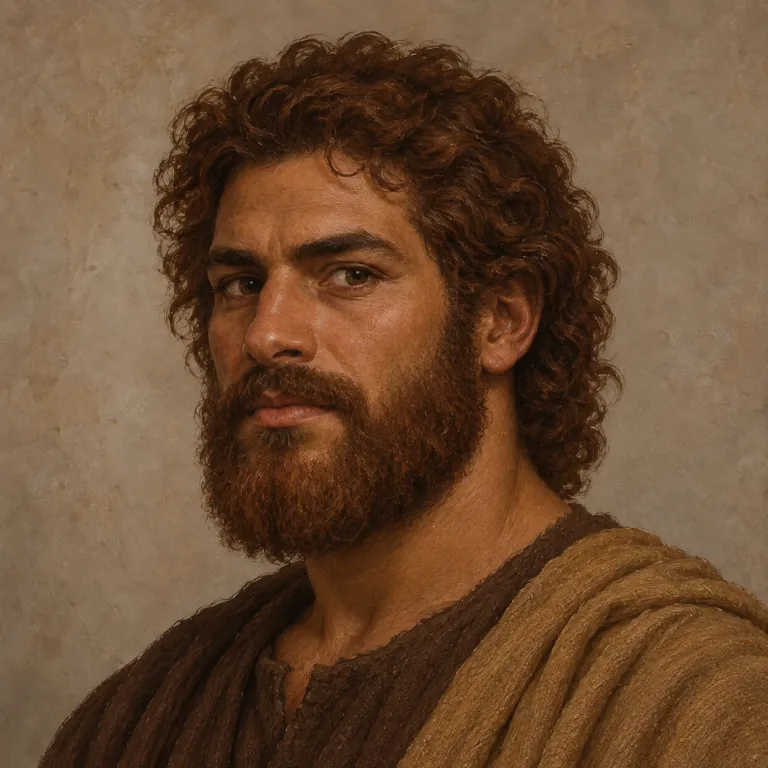
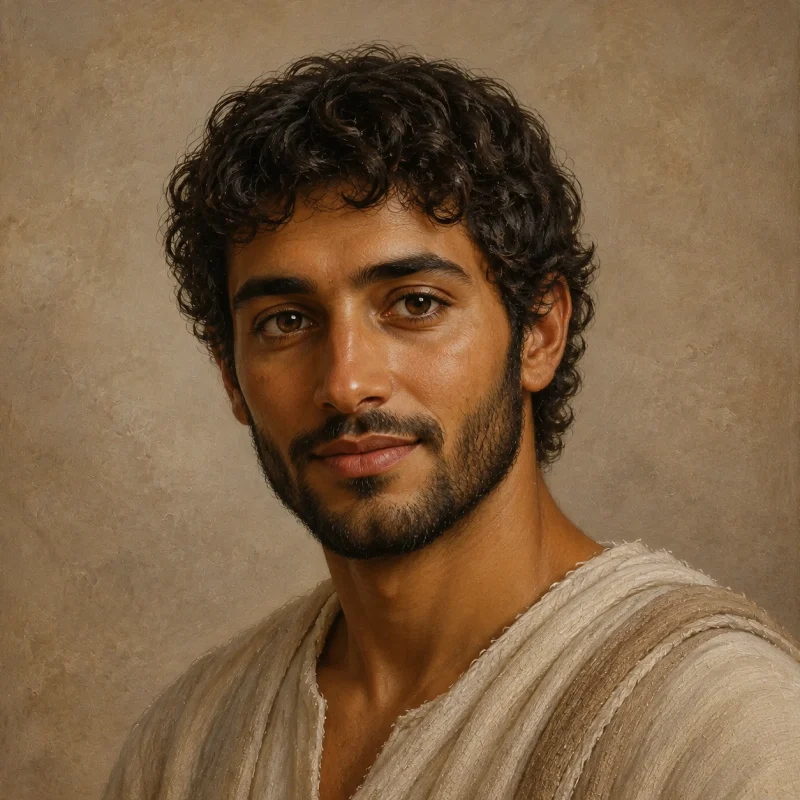
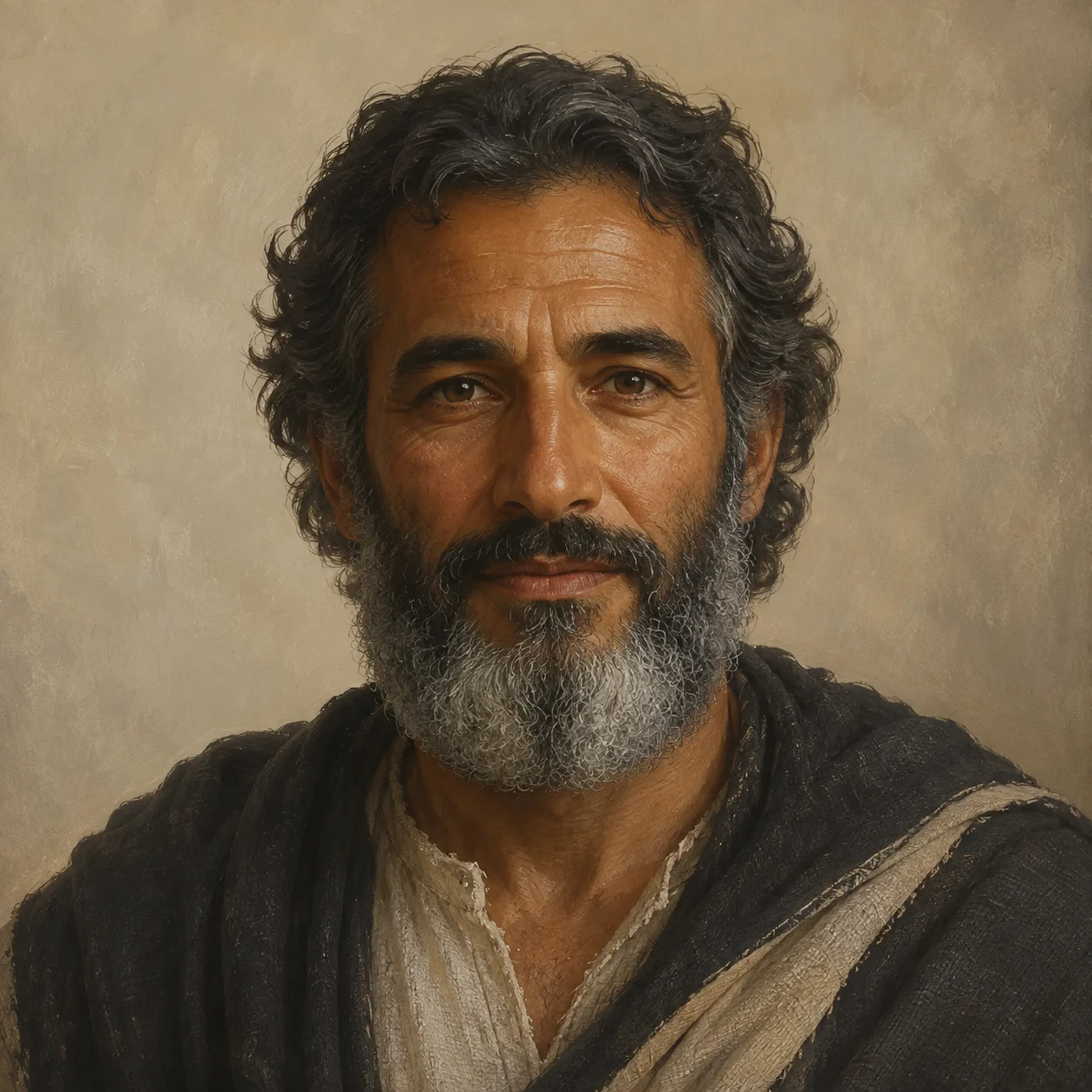
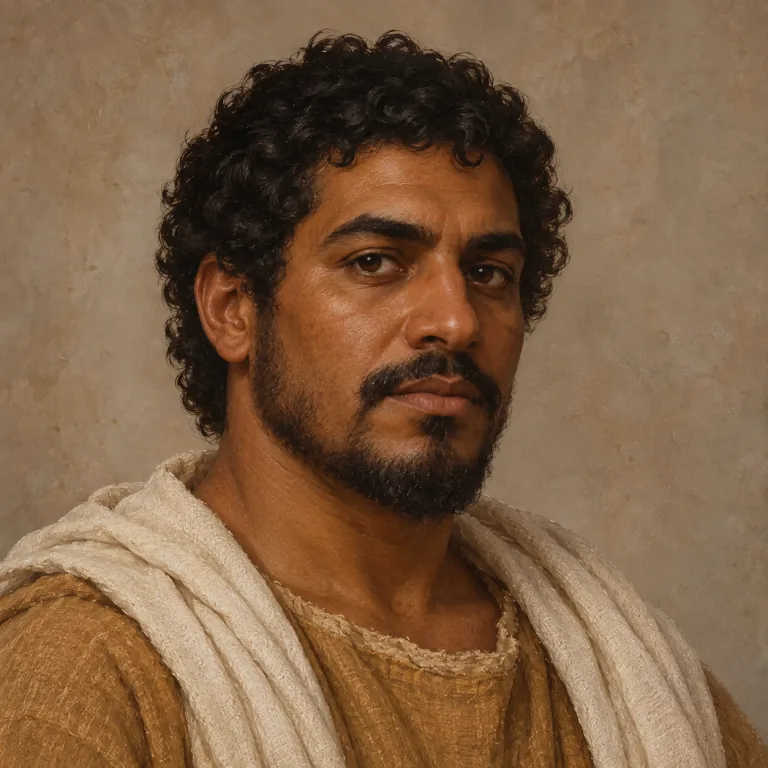
Also indexed here: