The Torah · Old Testament
Genesis 35
Jacob returns to Bethel amid births and deaths
General context
God directs Jacob to Bethel. Jacob tells his household to put away foreign gods, cleanse themselves and change their clothes; he hides the gods and earrings near Shechem. The surrounding cities do not pursue them because the terror of God is upon them. At Bethel he builds an altar. Deborah, Rebekah's nurse, dies and is buried. God blesses Jacob, calls him Israel, and promises nations, kings and the land given to Abraham and Isaac. Jacob marks the place with a stone pillar, drink offering and oil. On the journey toward Ephrath, Rachel dies giving birth. She names the child Ben-oni, but his father calls him Benjamin, and Jacob marks Rachel's grave. Reuben then has sex with Bilhah, his father's concubine, and Israel hears of it. A list groups Jacob's twelve sons by their mothers. The chapter ends with Isaac's death at one hundred and eighty and his burial by Esau and Jacob.
Cited passages: Genesis 35:1, Genesis 35:2, Genesis 35:3, Genesis 35:4, Genesis 35:5, Genesis 35:6, Genesis 35:7, Genesis 35:8, Genesis 35:9, Genesis 35:10, Genesis 35:11, Genesis 35:12, Genesis 35:13, Genesis 35:14, Genesis 35:15, Genesis 35:16, Genesis 35:17, Genesis 35:18, Genesis 35:19, Genesis 35:20, Genesis 35:21, Genesis 35:22, Genesis 35:23, Genesis 35:24, Genesis 35:25, Genesis 35:26, Genesis 35:27, Genesis 35:28, Genesis 35:29
Genesis 35 (KJV)
1And God said unto Jacob, Arise, go up to Beth-el, and dwell there: and make there an altar unto God, that appeared unto thee when thou fleddest from the face of Esau thy brother.
2Then Jacob said unto his household, and to all that were with him, Put away the strange gods that are among you, and be clean, and change your garments:
3And let us arise, and go up to Beth-el; and I will make there an altar unto God, who answered me in the day of my distress, and was with me in the way which I went.
4And they gave unto Jacob all the strange gods which were in their hand, and all their earrings which were in their ears; and Jacob hid them under the oak which was by Shechem.
5And they journeyed: and the terror of God was upon the cities that were round about them, and they did not pursue after the sons of Jacob.
6So Jacob came to Luz, which is in the land of Canaan, that is, Beth-el, he and all the people that were with him.
7And he built there an altar, and called the place El-beth-el: because there God appeared unto him, when he fled from the face of his brother.
8But Deborah Rebekah’s nurse died, and she was buried beneath Beth-el under an oak: and the name of it was called Allon-bachuth.
9And God appeared unto Jacob again, when he came out of Padan-aram, and blessed him.
10And God said unto him, Thy name is Jacob: thy name shall not be called any more Jacob, but Israel shall be thy name: and he called his name Israel.
11And God said unto him, I am God Almighty: be fruitful and multiply; a nation and a company of nations shall be of thee, and kings shall come out of thy loins;
12And the land which I gave Abraham and Isaac, to thee I will give it, and to thy seed after thee will I give the land.
13And God went up from him in the place where he talked with him.
14And Jacob set up a pillar in the place where he talked with him, even a pillar of stone: and he poured a drink offering thereon, and he poured oil thereon.
15And Jacob called the name of the place where God spake with him, Beth-el.
16And they journeyed from Beth-el; and there was but a little way to come to Ephrath: and Rachel travailed, and she had hard labour.
17And it came to pass, when she was in hard labour, that the midwife said unto her, Fear not; thou shalt have this son also.
18And it came to pass, as her soul was in departing, (for she died) that she called his name Ben-oni: but his father called him Benjamin.
19And Rachel died, and was buried in the way to Ephrath, which is Beth-lehem.
20And Jacob set a pillar upon her grave: that is the pillar of Rachel’s grave unto this day.
21And Israel journeyed, and spread his tent beyond the tower of Edar.
22And it came to pass, when Israel dwelt in that land, that Reuben went and lay with Bilhah his father’s concubine: and Israel heard it. Now the sons of Jacob were twelve:
23The sons of Leah; Reuben, Jacob’s firstborn, and Simeon, and Levi, and Judah, and Issachar, and Zebulun:
24The sons of Rachel; Joseph, and Benjamin:
25And the sons of Bilhah, Rachel’s handmaid; Dan, and Naphtali:
26And the sons of Zilpah, Leah’s handmaid; Gad, and Asher: these are the sons of Jacob, which were born to him in Padan-aram.
27And Jacob came unto Isaac his father unto Mamre, unto the city of Arbah, which is Hebron, where Abraham and Isaac sojourned.
28And the days of Isaac were an hundred and fourscore years.
29And Isaac gave up the ghost, and died, and was gathered unto his people, being old and full of days: and his sons Esau and Jacob buried him.
This page shows the King James Version. In the app, reading opens in the Berean Standard Bible unless you have chosen another translation. The reader includes five translations: the Berean Standard Bible (BSB), the King James Version (KJV), the World English Bible (WEB), the Bible in Basic English (BBE), and the American Standard Version (ASV). Search covers three of them: Berean Standard, King James, and World English. Basic English and American Standard readers search the King James words.
Historical context
The account identifies Luz with Bethel and Ephrath with Bethlehem. The foreign gods and earrings are placed beneath an oak near Shechem. Deborah is specifically Rebekah's nurse; no cause of her death or explanation of her presence is given. Rachel dies on the road, and the birth notice assigns Ben-oni to her and Benjamin to the father without explaining the names here. The sons are grouped under Leah, Rachel, Bilhah and Zilpah. The chapter reports Reuben's act and Israel hearing it but gives no immediate response from Israel. Isaac's final notice places the family at Mamre, identified with Hebron, and records both sons taking part in his burial.
Cited passages: Genesis 35:4, Genesis 35:6, Genesis 35:8, Genesis 35:16, Genesis 35:17, Genesis 35:18, Genesis 35:19, Genesis 35:20, Genesis 35:22, Genesis 35:23, Genesis 35:24, Genesis 35:25, Genesis 35:26, Genesis 35:27, Genesis 35:28, Genesis 35:29
Literary context
Instructions to return, remove foreign gods and build an altar lead into a renewed blessing. Stones mark both divine speech and human loss: Jacob sets a pillar where God speaks and another at Rachel's grave. The promises of descendants stand beside the deaths of Deborah, Rachel and Isaac, while Benjamin's birth is inseparable from his mother's death. The brief report about Reuben interrupts the travel notices before the list of twelve sons. At the close, Esau and Jacob appear together as the sons who bury Isaac.
Cited passages: Genesis 35:1, Genesis 35:2, Genesis 35:3, Genesis 35:4, Genesis 35:7, Genesis 35:8, Genesis 35:9, Genesis 35:10, Genesis 35:11, Genesis 35:12, Genesis 35:14, Genesis 35:15, Genesis 35:16, Genesis 35:18, Genesis 35:19, Genesis 35:20, Genesis 35:21, Genesis 35:22, Genesis 35:23, Genesis 35:24, Genesis 35:25, Genesis 35:26, Genesis 35:27, Genesis 35:28, Genesis 35:29
Key moments
- The household is told to put away foreign gods (Genesis 35:2). Jacob instructs his household to put away foreign gods, cleanse themselves and change their garments.
- God promises nations and kings (Genesis 35:11). God identifies himself as Almighty and promises that nations and kings will come from Jacob.
- The child receives two names (Genesis 35:18). As Rachel dies, she names the child Ben-oni; his father names him Benjamin.
- Esau and Jacob bury Isaac (Genesis 35:29). After Isaac dies, his sons Esau and Jacob bury him.
For reflection
How do the chapter's memorial stones hold together renewed promises and the family's losses?
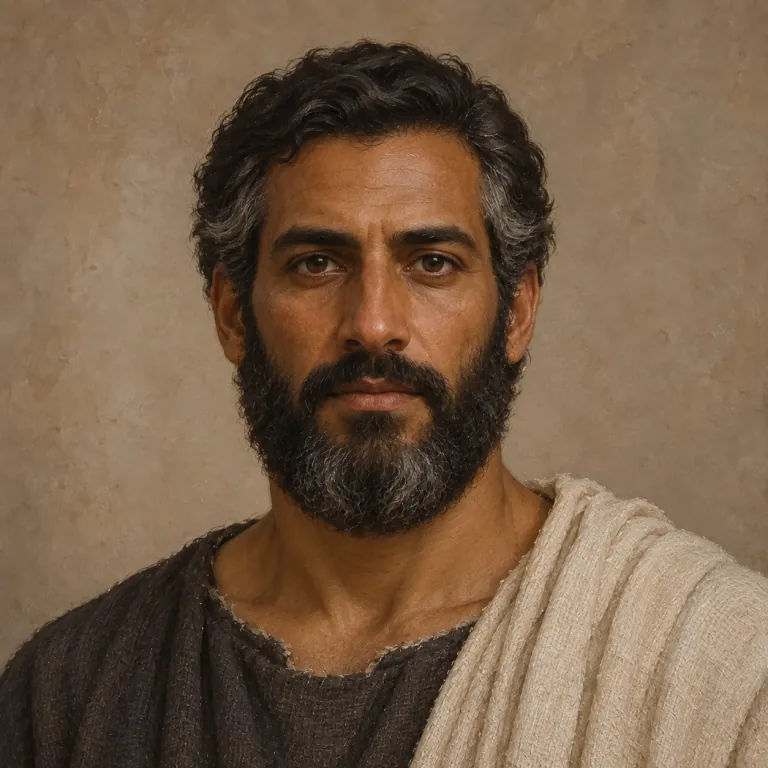
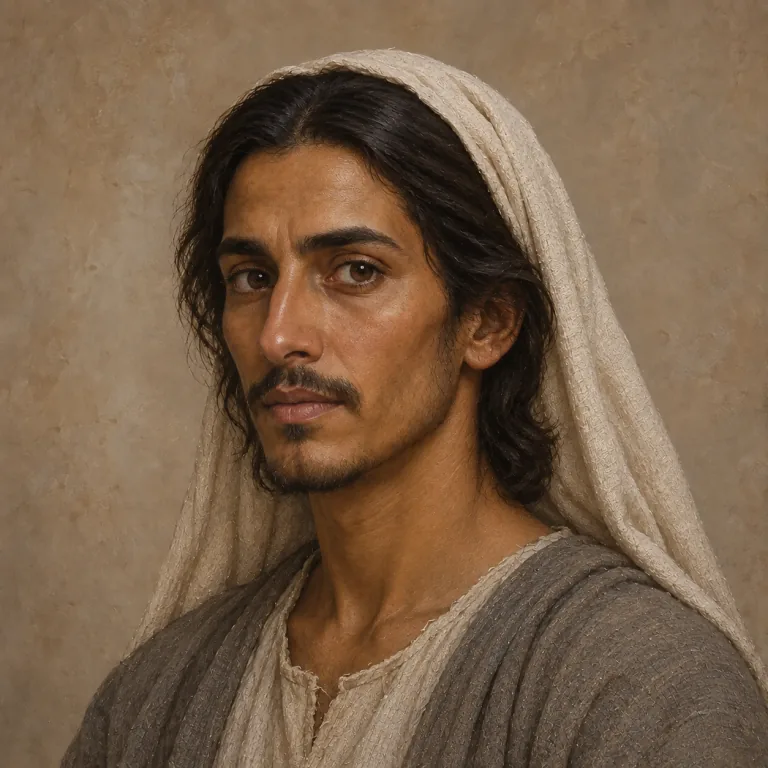
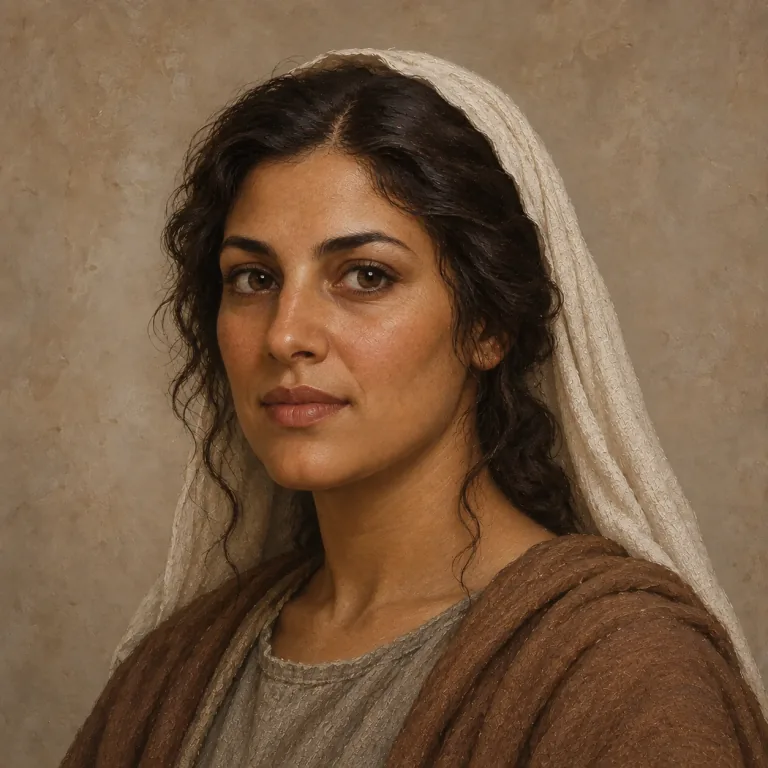
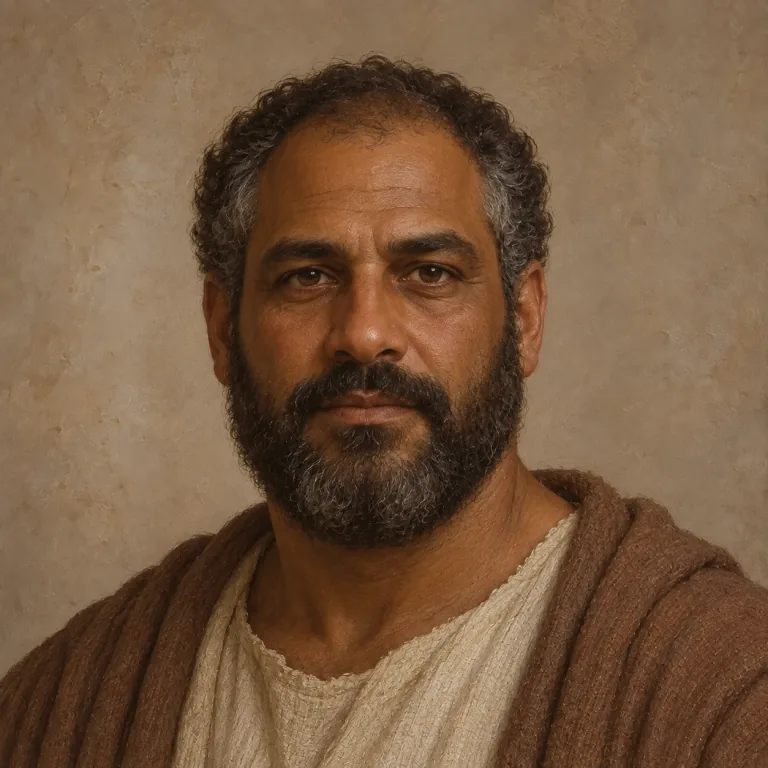
People in this chapter

Also indexed here: