The Torah · Old Testament
Genesis 28
Jacob dreams at Bethel and makes a vow
General context
Isaac blesses Jacob and sends him to his mother's family to marry, forbidding a Canaanite wife. Esau sees his father's displeasure with Canaanite marriages and adds Ishmael's daughter Mahalath to his wives. Traveling from Beersheba toward Haran, Jacob stops for the night and dreams of a ladder reaching from earth to heaven, with God's angels moving on it. The Lord identifies himself as the God of Abraham and Isaac and promises land, descendants, blessing for all families, protection and return. Jacob wakes in fear and recognizes the place as God's house and heaven's gate. In the morning he sets up his sleeping stone as a pillar and pours oil on it. He names the place Bethel and makes a conditional vow concerning God's protection, food, clothing and his safe return, saying the Lord will be his God, the pillar will be God's house, and he will give a tenth of what God gives him.
Cited passages: Genesis 28:1, Genesis 28:2, Genesis 28:3, Genesis 28:4, Genesis 28:5, Genesis 28:6, Genesis 28:7, Genesis 28:8, Genesis 28:9, Genesis 28:10, Genesis 28:11, Genesis 28:12, Genesis 28:13, Genesis 28:14, Genesis 28:15, Genesis 28:16, Genesis 28:17, Genesis 28:18, Genesis 28:19, Genesis 28:20, Genesis 28:21, Genesis 28:22
Genesis 28 (KJV)
1And Isaac called Jacob, and blessed him, and charged him, and said unto him, Thou shalt not take a wife of the daughters of Canaan.
2Arise, go to Padan-aram, to the house of Bethuel thy mother’s father; and take thee a wife from thence of the daughters of Laban thy mother’s brother.
3And God Almighty bless thee, and make thee fruitful, and multiply thee, that thou mayest be a multitude of people;
4And give thee the blessing of Abraham, to thee, and to thy seed with thee; that thou mayest inherit the land wherein thou art a stranger, which God gave unto Abraham.
5And Isaac sent away Jacob: and he went to Padan-aram unto Laban, son of Bethuel the Syrian, the brother of Rebekah, Jacob’s and Esau’s mother.
6When Esau saw that Isaac had blessed Jacob, and sent him away to Padan-aram, to take him a wife from thence; and that as he blessed him he gave him a charge, saying, Thou shalt not take a wife of the daughters of Canaan;
7And that Jacob obeyed his father and his mother, and was gone to Padan-aram;
8And Esau seeing that the daughters of Canaan pleased not Isaac his father;
9Then went Esau unto Ishmael, and took unto the wives which he had Mahalath the daughter of Ishmael Abraham’s son, the sister of Nebajoth, to be his wife.
10And Jacob went out from Beer-sheba, and went toward Haran.
11And he lighted upon a certain place, and tarried there all night, because the sun was set; and he took of the stones of that place, and put them for his pillows, and lay down in that place to sleep.
12And he dreamed, and behold a ladder set up on the earth, and the top of it reached to heaven: and behold the angels of God ascending and descending on it.
13And, behold, the Lord stood above it, and said, I am the Lord God of Abraham thy father, and the God of Isaac: the land whereon thou liest, to thee will I give it, and to thy seed;
14And thy seed shall be as the dust of the earth, and thou shalt spread abroad to the west, and to the east, and to the north, and to the south: and in thee and in thy seed shall all the families of the earth be blessed.
15And, behold, I am with thee, and will keep thee in all places whither thou goest, and will bring thee again into this land; for I will not leave thee, until I have done that which I have spoken to thee of.
16And Jacob awaked out of his sleep, and he said, Surely the Lord is in this place; and I knew it not.
17And he was afraid, and said, How dreadful is this place! this is none other but the house of God, and this is the gate of heaven.
18And Jacob rose up early in the morning, and took the stone that he had put for his pillows, and set it up for a pillar, and poured oil upon the top of it.
19And he called the name of that place Beth-el: but the name of that city was called Luz at the first.
20And Jacob vowed a vow, saying, If God will be with me, and will keep me in this way that I go, and will give me bread to eat, and raiment to put on,
21So that I come again to my father’s house in peace; then shall the Lord be my God:
22And this stone, which I have set for a pillar, shall be God’s house: and of all that thou shalt give me I will surely give the tenth unto thee.
This page shows the King James Version. In the app, reading opens in the Berean Standard Bible unless you have chosen another translation. The reader includes five translations: the Berean Standard Bible (BSB), the King James Version (KJV), the World English Bible (WEB), the Bible in Basic English (BBE), and the American Standard Version (ASV). Search covers three of them: Berean Standard, King James, and World English. Basic English and American Standard readers search the King James words.
Historical context
Isaac directs Jacob to Laban, Rebekah's brother and Bethuel's son, in Padan-aram. Mahalath is identified as Ishmael's daughter and Nebajoth's sister; Esau takes her in addition to his existing wives. Jacob's journey is toward Haran. Sunset explains his overnight stop, and the stone used at his head becomes the pillar he anoints the next morning. The account gives Luz as the city's earlier name. Jacob's vow asks for basic provisions and peaceful return to his father's house; it does not report that the return or the promised tenth has already happened.
Cited passages: Genesis 28:1, Genesis 28:2, Genesis 28:5, Genesis 28:6, Genesis 28:8, Genesis 28:9, Genesis 28:10, Genesis 28:11, Genesis 28:18, Genesis 28:19, Genesis 28:20, Genesis 28:21, Genesis 28:22
Literary context
The chapter moves from Isaac's spoken blessing to the Lord's promise in Jacob's dream. The journey away from home is met by a promise of presence and return. Jacob's waking words contrast the Lord's presence with his own earlier lack of awareness, followed by fear and the language of house and gate. The ordinary sleeping stone becomes a marked place of response. The final vow echoes the promise of accompaniment but adds Jacob's requests for food, clothing and peace, keeping the promised future distinct from the journey so far.
Cited passages: Genesis 28:3, Genesis 28:4, Genesis 28:10, Genesis 28:11, Genesis 28:12, Genesis 28:13, Genesis 28:14, Genesis 28:15, Genesis 28:16, Genesis 28:17, Genesis 28:18, Genesis 28:20, Genesis 28:21, Genesis 28:22
Key moments
- A dream joins earth and heaven (Genesis 28:12). Jacob dreams of a ladder reaching to heaven, with angels of God ascending and descending.
- Presence and return are promised (Genesis 28:15). The Lord promises to keep Jacob wherever he goes and bring him back to the land.
- The sleeping stone becomes a pillar (Genesis 28:18). Jacob sets up the stone and pours oil on its top in the morning.
- Jacob begins his vow (Genesis 28:20). Jacob vows concerning God being with him, keeping him on the journey and providing food and clothing.
For reflection
How do the promise of God's presence and Jacob's request for ordinary provisions relate within this departure from home?
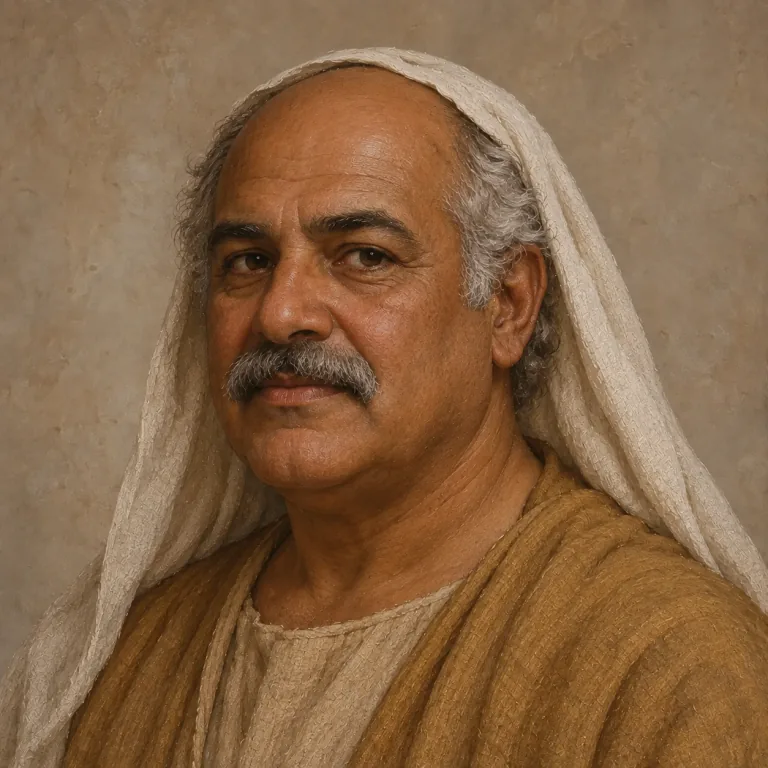
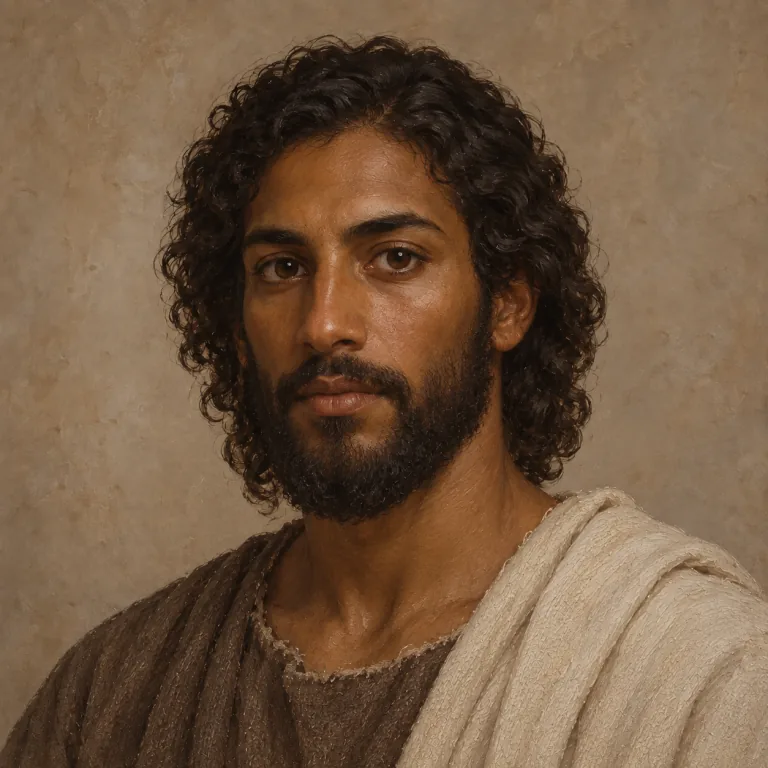
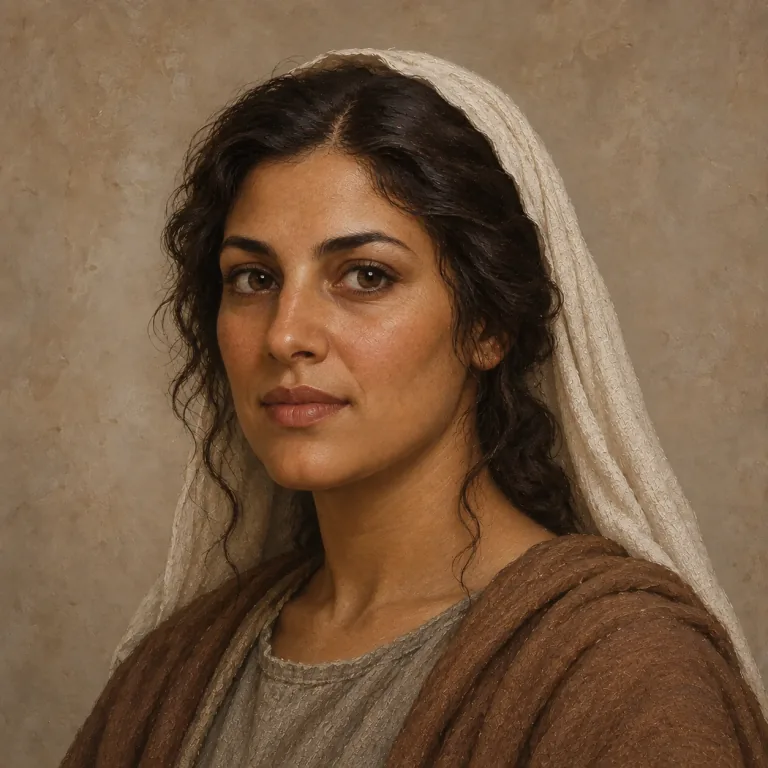
People in this chapter
Also indexed here: