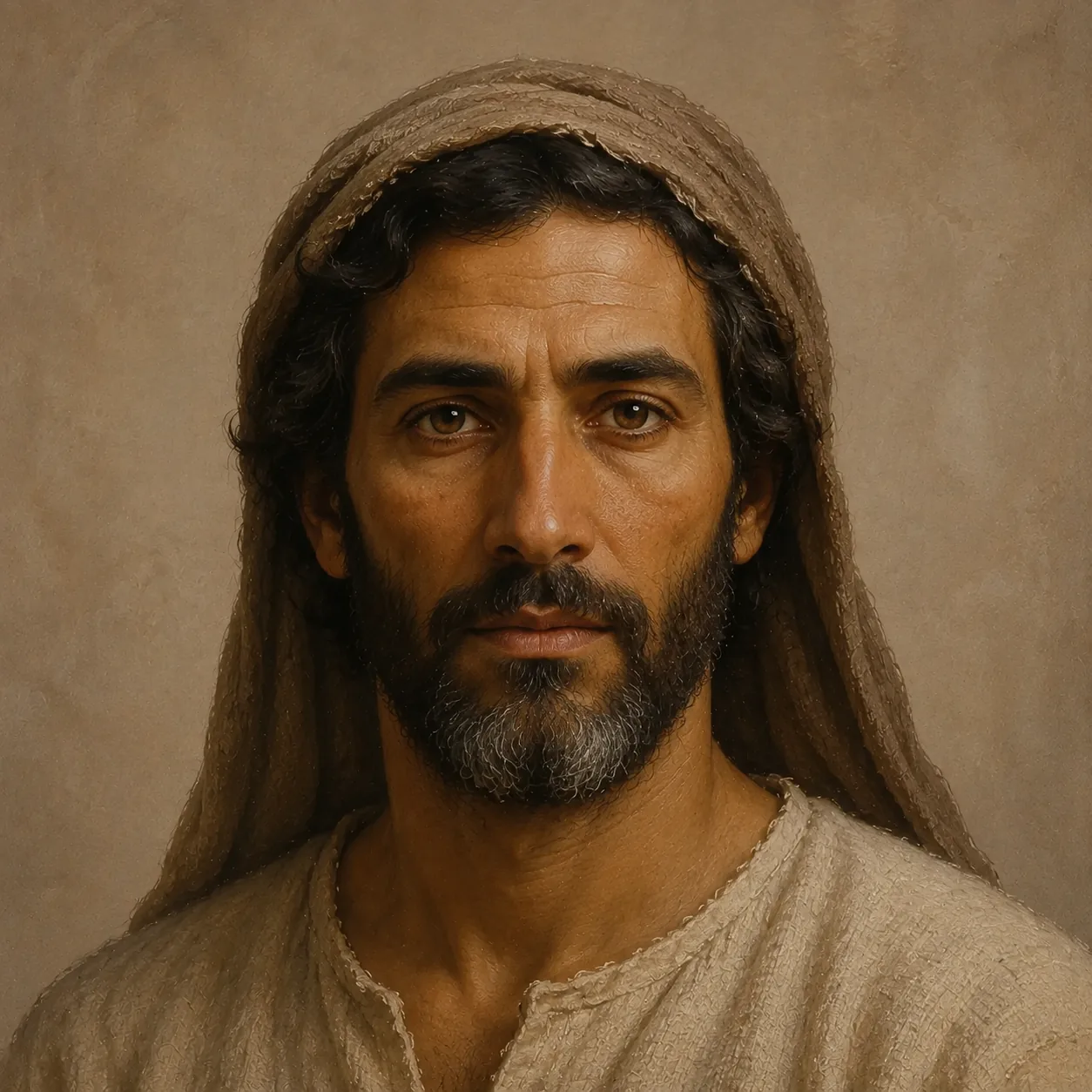
The Prophets · Old Testament
Malachi 1
Malachi 1: Wherein hast thou loved us, and the offerings brought to the altar
General context
The book opens with one line: "The burden of the word of the Lord to Israel by Malachi." The Lord says, I have loved you, and the hearers answer, Wherein hast thou loved us? He replies by asking whether Esau was not Jacob's brother, saying he loved Jacob, hated Esau, and laid his mountains waste for the dragons of the wilderness. Edom is quoted saying they will rebuild the desolate places, and the Lord of hosts answers that they will build and he will throw down, and be called the border of wickedness; Israel's own eyes will see it. The address turns to the priests: a son honours his father and a servant his master, so the Lord asks where his honour and fear are from priests who despise his name. They answer, Wherein have we despised thy name? He says they offer polluted bread on his altar and call the table of the Lord contemptible. He asks whether offering the blind, the lame and the sick is not evil, and tells them to offer such a thing to their governor and see. He has no pleasure in them and will not accept an offering at their hand, since none of them would shut the doors or kindle fire for nothing. He states that his name will be great among the Gentiles from the rising of the sun to its going down, with incense and a pure offering everywhere. The hearers have called the Lord's table polluted and the work a weariness, snuffing at it and bringing the torn, the lame and the sick. The chapter ends by cursing the deceiver who has a male in his flock and vows but sacrifices a corrupt thing, because the Lord is a great King whose name is dreadful among the heathen.
Cited passages: Malachi 1:1, Malachi 1:2, Malachi 1:3, Malachi 1:4, Malachi 1:5, Malachi 1:6, Malachi 1:7, Malachi 1:8, Malachi 1:9, Malachi 1:10, Malachi 1:11, Malachi 1:12, Malachi 1:13, Malachi 1:14
Malachi 1 (KJV)
1The burden of the word of the Lord to Israel by Malachi.
2I have loved you, saith the Lord. Yet ye say, Wherein hast thou loved us? Was not Esau Jacob’s brother? saith the Lord: yet I loved Jacob,
3And I hated Esau, and laid his mountains and his heritage waste for the dragons of the wilderness.
4Whereas Edom saith, We are impoverished, but we will return and build the desolate places; thus saith the Lord of hosts, They shall build, but I will throw down; and they shall call them, The border of wickedness, and, The people against whom the Lord hath indignation for ever.
5And your eyes shall see, and ye shall say, The Lord will be magnified from the border of Israel.
6A son honoureth his father, and a servant his master: if then I be a father, where is mine honour? and if I be a master, where is my fear? saith the Lord of hosts unto you, O priests, that despise my name. And ye say, Wherein have we despised thy name?
7Ye offer polluted bread upon mine altar; and ye say, Wherein have we polluted thee? In that ye say, The table of the Lord is contemptible.
8And if ye offer the blind for sacrifice, is it not evil? and if ye offer the lame and sick, is it not evil? offer it now unto thy governor; will he be pleased with thee, or accept thy person? saith the Lord of hosts.
9And now, I pray you, beseech God that he will be gracious unto us: this hath been by your means: will he regard your persons? saith the Lord of hosts.
10Who is there even among you that would shut the doors for nought? neither do ye kindle fire on mine altar for nought. I have no pleasure in you, saith the Lord of hosts, neither will I accept an offering at your hand.
11For from the rising of the sun even unto the going down of the same my name shall be great among the Gentiles; and in every place incense shall be offered unto my name, and a pure offering: for my name shall be great among the heathen, saith the Lord of hosts.
12But ye have profaned it, in that ye say, The table of the Lord is polluted; and the fruit thereof, even his meat, is contemptible.
13Ye said also, Behold, what a weariness is it! and ye have snuffed at it, saith the Lord of hosts; and ye brought that which was torn, and the lame, and the sick; thus ye brought an offering: should I accept this of your hand? saith the Lord.
14But cursed be the deceiver, which hath in his flock a male, and voweth, and sacrificeth unto the Lord a corrupt thing: for I am a great King, saith the Lord of hosts, and my name is dreadful among the heathen.
This page shows the King James Version. In the app, reading opens in the Berean Standard Bible unless you have chosen another translation. The reader includes five translations: the Berean Standard Bible (BSB), the King James Version (KJV), the World English Bible (WEB), the Bible in Basic English (BBE), and the American Standard Version (ASV). Search covers three of them: Berean Standard, King James, and World English. Basic English and American Standard readers search the King James words.
Historical context
The heading is the whole of verse 1, "The burden of the word of the Lord to Israel by Malachi," and it is the only place in the book where Malachi is named. No father, town, date, king or reign is given for him anywhere in these four chapters, and this source carries no superscription or title line beyond the printed verse. The only ruler mentioned in the chapter is an unnamed "governor" used in a comparison at verse 8. Esau and Jacob are named as brothers, and the statements "I loved Jacob" and "I hated Esau" are the Lord's own speech, not the narrator's; the chapter gives no account of either man's life. Edom is quoted in verse 4 and is the only nation quoted here. A later book cites the pair: Romans 9:13 reads, "As it is written, Jacob have I loved, but Esau have I hated." That is a later citation and adds nothing to what Malachi's verses say. The priests are addressed from verse 6 onward and none is named. The promise that the Lord's name will be great among the Gentiles is stated without time or place beyond "from the rising of the sun even unto the going down of the same."
Cited passages: Malachi 1:1, Malachi 1:2, Malachi 1:3, Malachi 1:4, Malachi 1:6, Malachi 1:8, Malachi 1:11, Romans 9:13, Malachi 1:14, Malachi 1:5
Literary context
The book's method is set here: the Lord makes a statement, the hearers answer with a question, and the reply supplies the evidence. It happens three times in this chapter, with Wherein hast thou loved us, Wherein have we despised thy name, and Wherein have we polluted thee, and the same form runs through chapters 2 and 3. The quoted objections are short and the answers are long, so the hearers are given a voice and then buried under detail. The argument about offerings is made by comparison rather than by law: take it to your governor and see. The animals are listed twice over, blind, lame and sick, then torn, lame and sick, so the complaint accumulates rather than develops. The verse about the Lord's name being great among the Gentiles sits directly before the hearers' saying that the table of the Lord is polluted, which sets a wide horizon against a shut door. The chapter's last word is a curse on a man who has an acceptable animal and gives a corrupt one, which names the fault as choice rather than poverty.
Cited passages: Malachi 1:2, Malachi 1:6, Malachi 1:7, Malachi 1:8, Malachi 1:10, Malachi 1:11, Malachi 1:12, Malachi 1:13, Malachi 1:14, Malachi 2:17, Malachi 3:7
Key moments
- The burden by Malachi (Malachi 1:1). A single line names the word of the Lord to Israel by Malachi.
- Wherein hast thou loved us (Malachi 1:2). The Lord says he has loved them and the hearers ask how.
- Edom answered (Malachi 1:4). Edom says it will rebuild, and the Lord of hosts says he will throw down.
- Where is mine honour (Malachi 1:6). The Lord asks the priests for the honour due a father and master.
- Offer it to thy governor (Malachi 1:8). Blind, lame and sick offerings are tested against what a governor would accept.
- Great among the Gentiles (Malachi 1:11). The Lord says his name will be great from sunrise to sunset.
- Cursed be the deceiver (Malachi 1:14). A man who vows a male and sacrifices a corrupt thing is cursed.
For reflection
The hearers answer every charge with a question, and the Lord answers each question with an example they can check. What does that exchange suggest about the distance between what they think they are doing and what they are doing?