The Torah · Old Testament
Genesis 26
Isaac faces disputes over wells and makes a covenant
General context
During a famine, Isaac goes to Gerar. The Lord tells him not to go to Egypt and repeats the promises made to Abraham. Isaac calls Rebekah his sister because he fears being killed. Abimelech sees them together, recognizes that she is his wife, rebukes Isaac and threatens death to anyone who harms either of them. Isaac prospers, provoking envy, and is told to leave. He reopens his father's wells and moves on from two disputed new wells before finding room at Rehoboth. At Beersheba the Lord again assures him of presence and blessing. Abimelech comes with companions to seek a covenant; Isaac receives them with a feast, and they exchange oaths. His servants report finding water that same day. The chapter ends with Esau's marriages to two Hittite women, which bring grief to Isaac and Rebekah.
Cited passages: Genesis 26:1, Genesis 26:2, Genesis 26:3, Genesis 26:4, Genesis 26:5, Genesis 26:6, Genesis 26:7, Genesis 26:8, Genesis 26:9, Genesis 26:10, Genesis 26:11, Genesis 26:12, Genesis 26:13, Genesis 26:14, Genesis 26:15, Genesis 26:16, Genesis 26:17, Genesis 26:18, Genesis 26:19, Genesis 26:20, Genesis 26:21, Genesis 26:22, Genesis 26:23, Genesis 26:24, Genesis 26:25, Genesis 26:26, Genesis 26:27, Genesis 26:28, Genesis 26:29, Genesis 26:30, Genesis 26:31, Genesis 26:32, Genesis 26:33, Genesis 26:34, Genesis 26:35
Genesis 26 (KJV)
1And there was a famine in the land, beside the first famine that was in the days of Abraham. And Isaac went unto Abimelech king of the Philistines unto Gerar.
2And the Lord appeared unto him, and said, Go not down into Egypt; dwell in the land which I shall tell thee of:
3Sojourn in this land, and I will be with thee, and will bless thee; for unto thee, and unto thy seed, I will give all these countries, and I will perform the oath which I sware unto Abraham thy father;
4And I will make thy seed to multiply as the stars of heaven, and will give unto thy seed all these countries; and in thy seed shall all the nations of the earth be blessed;
5Because that Abraham obeyed my voice, and kept my charge, my commandments, my statutes, and my laws.
6And Isaac dwelt in Gerar:
7And the men of the place asked him of his wife; and he said, She is my sister: for he feared to say, She is my wife; lest, said he, the men of the place should kill me for Rebekah; because she was fair to look upon.
8And it came to pass, when he had been there a long time, that Abimelech king of the Philistines looked out at a window, and saw, and, behold, Isaac was sporting with Rebekah his wife.
9And Abimelech called Isaac, and said, Behold, of a surety she is thy wife: and how saidst thou, She is my sister? And Isaac said unto him, Because I said, Lest I die for her.
10And Abimelech said, What is this thou hast done unto us? one of the people might lightly have lien with thy wife, and thou shouldest have brought guiltiness upon us.
11And Abimelech charged all his people, saying, He that toucheth this man or his wife shall surely be put to death.
12Then Isaac sowed in that land, and received in the same year an hundredfold: and the Lord blessed him.
13And the man waxed great, and went forward, and grew until he became very great:
14For he had possession of flocks, and possession of herds, and great store of servants: and the Philistines envied him.
15For all the wells which his father’s servants had digged in the days of Abraham his father, the Philistines had stopped them, and filled them with earth.
16And Abimelech said unto Isaac, Go from us; for thou art much mightier than we.
17And Isaac departed thence, and pitched his tent in the valley of Gerar, and dwelt there.
18And Isaac digged again the wells of water, which they had digged in the days of Abraham his father; for the Philistines had stopped them after the death of Abraham: and he called their names after the names by which his father had called them.
19And Isaac’s servants digged in the valley, and found there a well of springing water.
20And the herdmen of Gerar did strive with Isaac’s herdmen, saying, The water is ours: and he called the name of the well Esek; because they strove with him.
21And they digged another well, and strove for that also: and he called the name of it Sitnah.
22And he removed from thence, and digged another well; and for that they strove not: and he called the name of it Rehoboth; and he said, For now the Lord hath made room for us, and we shall be fruitful in the land.
23And he went up from thence to Beer-sheba.
24And the Lord appeared unto him the same night, and said, I am the God of Abraham thy father: fear not, for I am with thee, and will bless thee, and multiply thy seed for my servant Abraham’s sake.
25And he builded an altar there, and called upon the name of the Lord, and pitched his tent there: and there Isaac’s servants digged a well.
26Then Abimelech went to him from Gerar, and Ahuzzath one of his friends, and Phichol the chief captain of his army.
27And Isaac said unto them, Wherefore come ye to me, seeing ye hate me, and have sent me away from you?
28And they said, We saw certainly that the Lord was with thee: and we said, Let there be now an oath betwixt us, even betwixt us and thee, and let us make a covenant with thee;
29That thou wilt do us no hurt, as we have not touched thee, and as we have done unto thee nothing but good, and have sent thee away in peace: thou art now the blessed of the Lord.
30And he made them a feast, and they did eat and drink.
31And they rose up betimes in the morning, and sware one to another: and Isaac sent them away, and they departed from him in peace.
32And it came to pass the same day, that Isaac’s servants came, and told him concerning the well which they had digged, and said unto him, We have found water.
33And he called it Shebah: therefore the name of the city is Beer-sheba unto this day.
34And Esau was forty years old when he took to wife Judith the daughter of Beeri the Hittite, and Bashemath the daughter of Elon the Hittite:
35Which were a grief of mind unto Isaac and to Rebekah.
This page shows the King James Version. In the app, reading opens in the Berean Standard Bible unless you have chosen another translation. The reader includes five translations: the Berean Standard Bible (BSB), the King James Version (KJV), the World English Bible (WEB), the Bible in Basic English (BBE), and the American Standard Version (ASV). Search covers three of them: Berean Standard, King James, and World English. Basic English and American Standard readers search the King James words.
Historical context
The famine is distinguished from the earlier one in Abraham's days. Abimelech is identified here as king of the Philistines in Gerar. The account reports a hundredfold harvest in one year and substantial livestock and servants. Abraham's wells had been stopped with earth; Isaac reopens them and restores their earlier names. Gerar's herdsmen dispute water with Isaac's herdsmen at Esek and at the next well, Sitnah. No dispute is reported at Rehoboth. Ahuzzath and the army commander Phichol accompany Abimelech to Beersheba. Esau is forty when he marries Judith, daughter of Beeri, and Bashemath, daughter of Elon.
Cited passages: Genesis 26:1, Genesis 26:8, Genesis 26:12, Genesis 26:14, Genesis 26:15, Genesis 26:18, Genesis 26:19, Genesis 26:20, Genesis 26:21, Genesis 26:22, Genesis 26:23, Genesis 26:26, Genesis 26:34, Genesis 26:35
Literary context
The Lord's promises near the beginning and at Beersheba frame Isaac's experience of fear, prosperity and displacement. The sister claim is exposed by what Abimelech sees, and the king's warning names the danger Isaac's concealment created. The wells give the middle of the chapter a repeated pattern of digging, contention and moving on, until Isaac says the Lord has made room. The later covenant conversation preserves different accounts of the separation: Isaac says they hated and expelled him, while the visitors say they treated him well. A feast and mutual oaths follow, ending with peaceful departure. The final marriage notice introduces grief within the family after the public settlement.
Cited passages: Genesis 26:2, Genesis 26:3, Genesis 26:4, Genesis 26:7, Genesis 26:8, Genesis 26:9, Genesis 26:10, Genesis 26:11, Genesis 26:16, Genesis 26:18, Genesis 26:19, Genesis 26:20, Genesis 26:21, Genesis 26:22, Genesis 26:24, Genesis 26:27, Genesis 26:28, Genesis 26:29, Genesis 26:30, Genesis 26:31, Genesis 26:34, Genesis 26:35
Key moments
- The promise is repeated to Isaac (Genesis 26:3). The Lord tells Isaac to sojourn in the land and promises presence and blessing.
- Room at Rehoboth (Genesis 26:22). After another move, a well is dug without dispute, and Isaac says the Lord has made room for them.
- Assurance at Beersheba (Genesis 26:24). The Lord tells Isaac not to fear and repeats the promise of presence, blessing and descendants.
- The visitors depart in peace (Genesis 26:31). Isaac and his visitors exchange oaths in the morning, and he sends them away in peace.
For reflection
What changes between the disputed wells and the covenant meal, and what tensions does the conversation still preserve?
People in this chapter
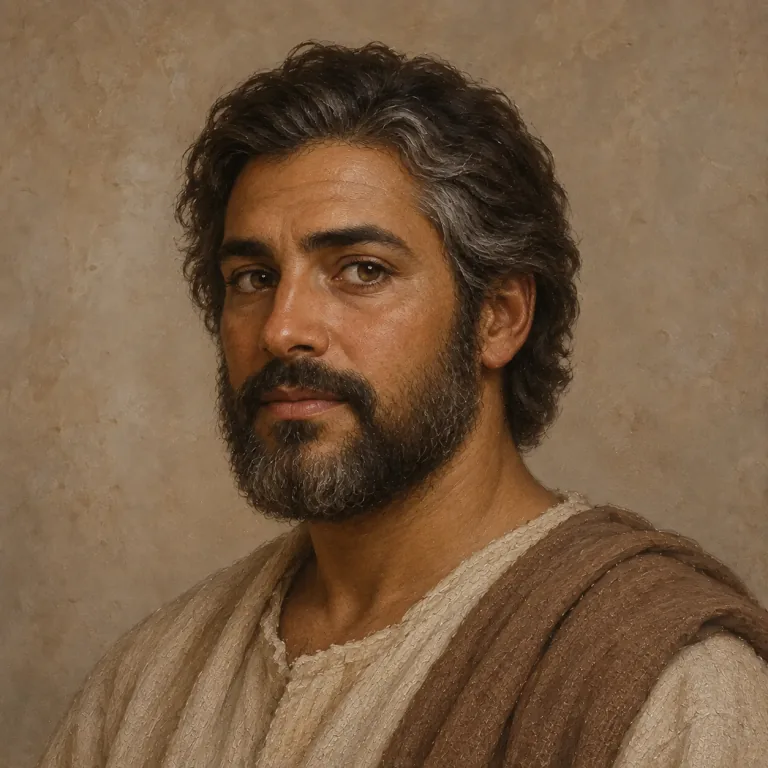
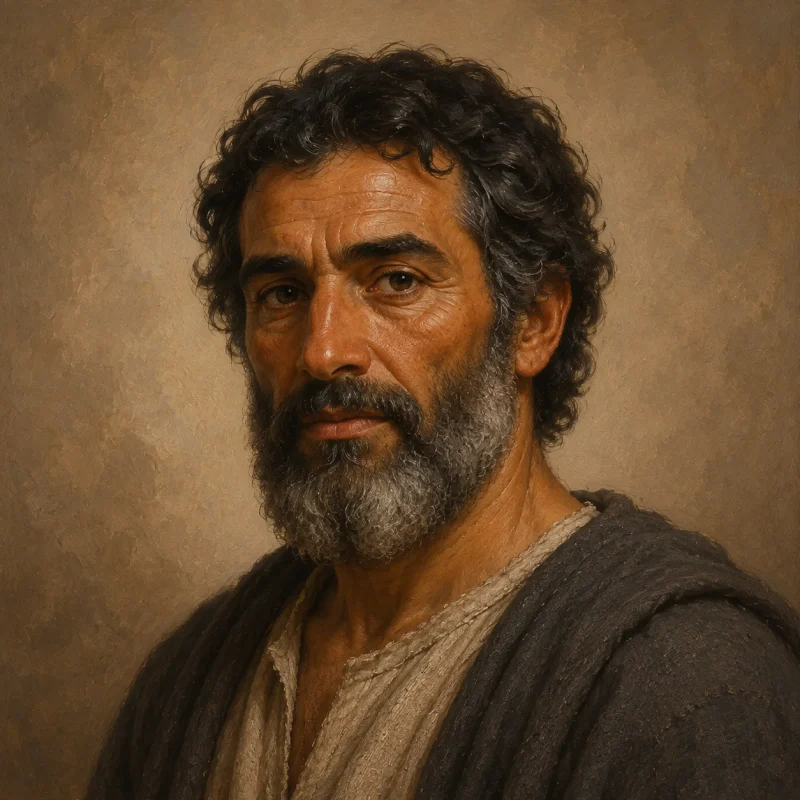
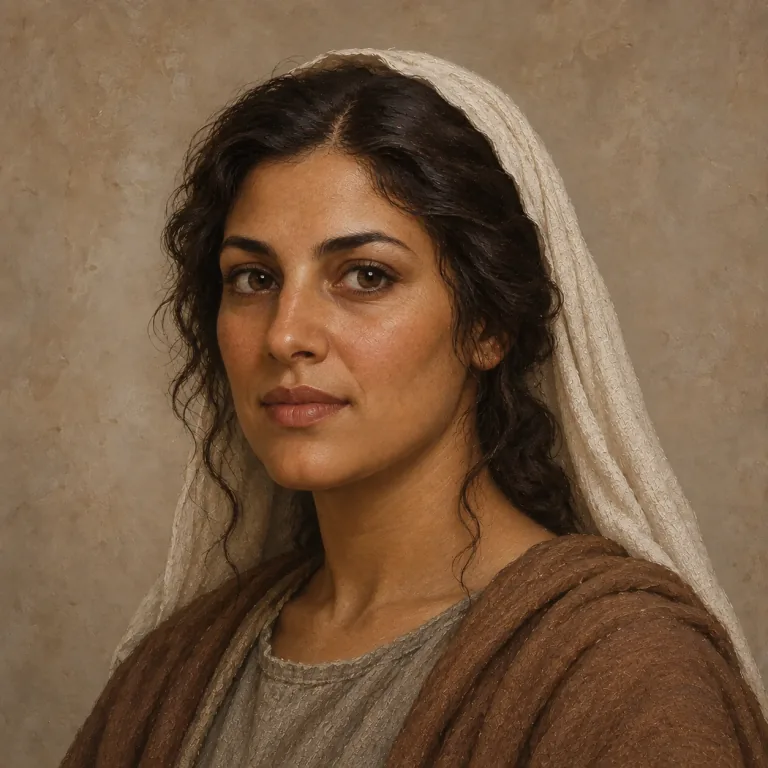
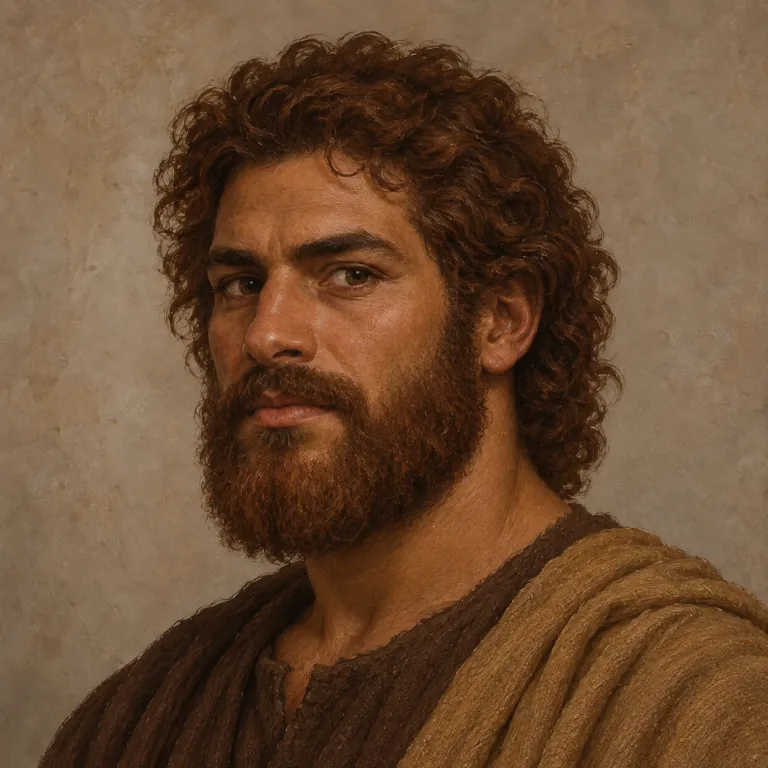
Also indexed here: