Person in the Old and New Testaments
Levi
Levi: a family story and the legacy of a name

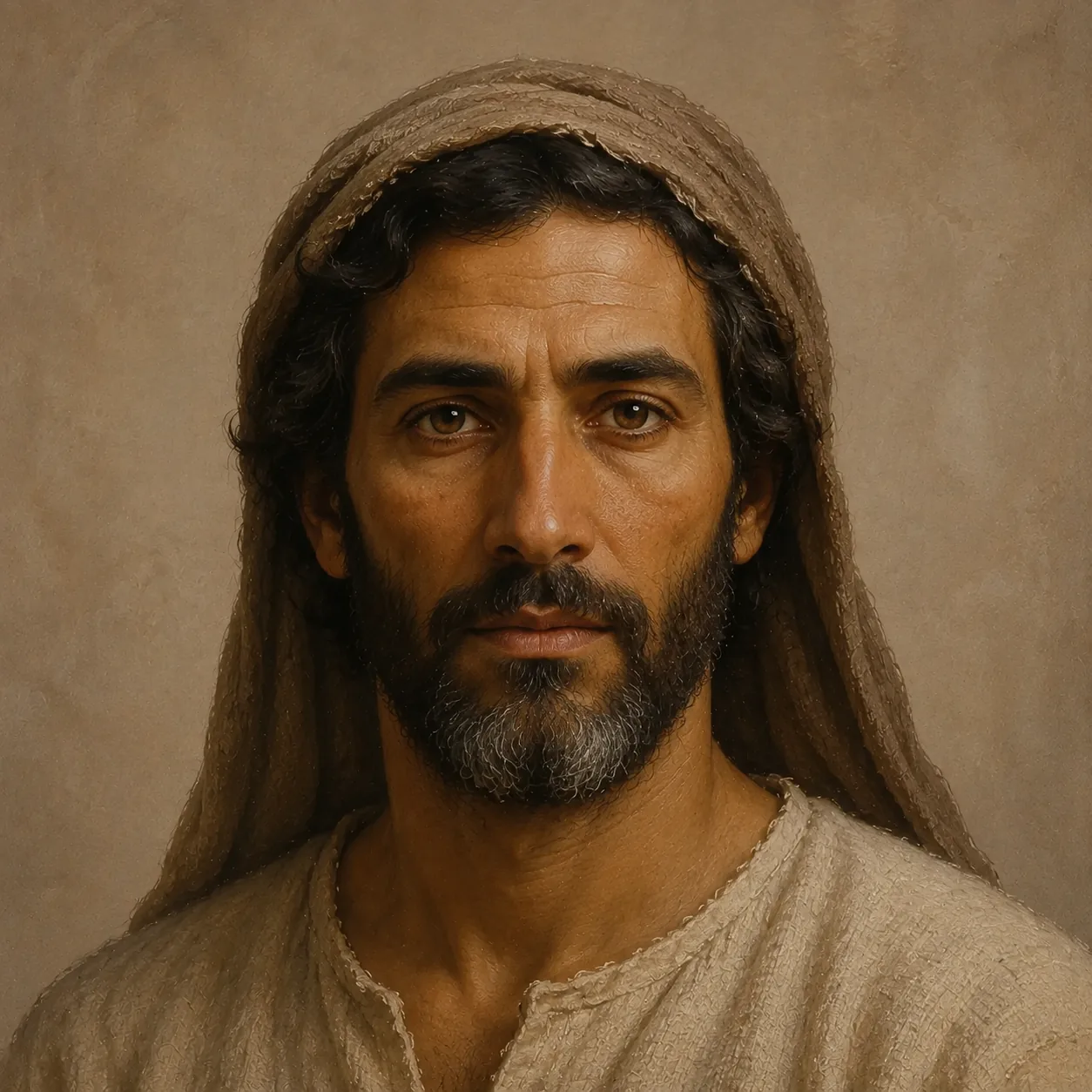
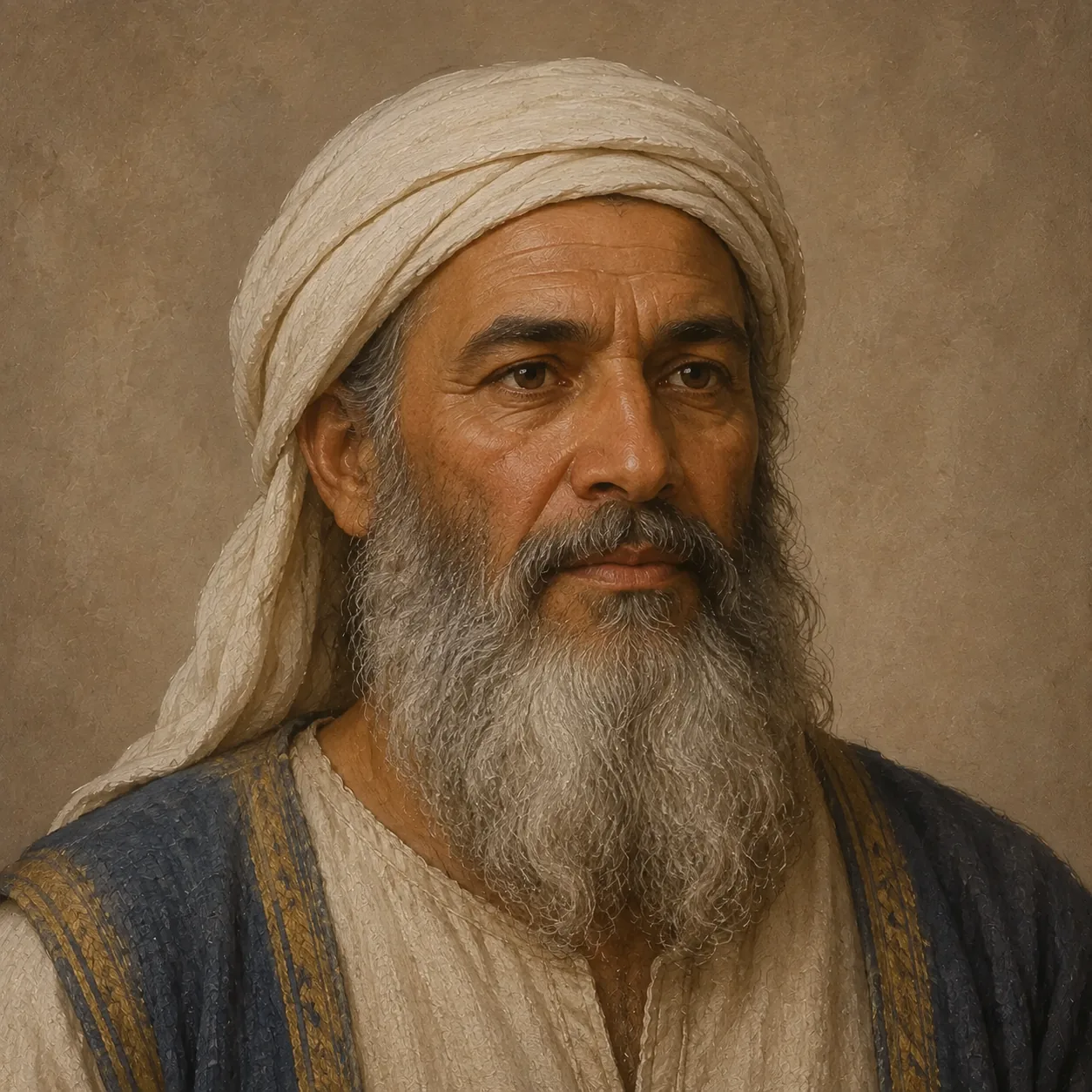
Portrait: an AI-generated artistic interpretation, not evidence of how Levi looked.
Who Levi is
Levi is the third son born to Leah and Jacob. Leah names him while hoping that her husband will now be joined to her; the naming records her hope, not its fulfillment. After Shechem violates their sister Dinah, Jacob's sons deceitfully make circumcision a condition of joining their families. While the city's men are recovering, Simeon and Levi kill all the males, including Hamor and Shechem, and take Dinah from Shechem's house. Jacob's sons then plunder the city and take its women and children captive. Jacob fears retaliation against his household; the brothers answer by appealing to their sister's treatment. Near his death, Jacob again names Simeon and Levi together, condemning their violence, cursing their fierce anger and announcing their scattering in Israel. The account does not turn their defense of Dinah into approval of the massacre.
Cited passages: Genesis 29:34, Genesis 34:2, Genesis 34:13, Genesis 34:25, Genesis 34:26, Genesis 34:29, Genesis 34:30, Genesis 34:31, Genesis 49:5, Genesis 49:7
Historical setting
Genesis places Levi within the family that goes down to Egypt and names his sons Gershon, Kohath and Merari. Exodus repeats those three family lines and gives Levi's lifespan as 137 years. Its genealogy connects Kohath with Amram and then Aaron and Moses; Numbers also names Miriam among Amram and Jochebed's children. These family records connect the ancestor with later leaders, but Levi himself is not the man who leads the Exodus or performs Aaron's priestly work. In Numbers, the tribe of Levi is assigned to assist Aaron and care for the sanctuary, while Aaron and his sons hold the priestly office. The shared ancestry does not make every Levite an Aaronic priest. Later references to the tribe and its families describe descendants and institutions, not additional episodes in the ancestor's life.
Cited passages: Genesis 46:6, Genesis 46:11, Exodus 6:16, Exodus 6:18, Exodus 6:20, Numbers 26:59, Numbers 3:6, Numbers 3:7, Numbers 3:10
How the story is told
Levi's name links a short personal narrative with a much longer communal history. Leah's longing for attachment at his birth stands beside Jacob's later language of division and scattering. Genesis 49 condemns the brothers' anger; verse 6 speaks of digging down a wall in KJV, while ASV and BBE describe harm to oxen. The shared accusation is violent anger. Malachi addresses priests and invokes the covenant with Levi as a standard of truthful teaching, then accuses them of corrupting it and showing partiality. That prophetic portrayal is not a new scene in Genesis. Hebrews explicitly reasons that Levi paid tithes through Abraham, because he was still within his ancestor when Abraham met Melchizedek. This is the letter's argument about ancestry and priesthood, not a claim that Levi personally attended the meeting. Keep these later uses distinct from the events directly narrated about Leah's son.
Cited passages: Genesis 29:34, Genesis 49:6, Genesis 49:7, Malachi 2:1, Malachi 2:6, Malachi 2:8, Malachi 2:9, Hebrews 7:9, Hebrews 7:10, Hebrews 7:11
Story moments
- Leah names her third son (Genesis 29:34). Leah connects Levi’s name with her hope for a closer bond with Jacob.
- Violence at Shechem (Genesis 34:25). Simeon and Levi attack the city while its men are recovering from circumcision.
- Jacob condemns their anger (Genesis 49:7). Jacob curses the brothers’ fierce anger and speaks of division and scattering in Israel.
- Three family lines (Exodus 6:16). Exodus names Gershon, Kohath and Merari and records Levi’s lifespan.
Key passages
Genesis 29:34
And she conceived again, and bare a son; and said, Now this time will my husband be joined unto me, because I have born him three sons: therefore was his name called Levi.
Genesis 34:25
And it came to pass on the third day, when they were sore, that two of the sons of Jacob, Simeon and Levi, Dinah’s brethren, took each man his sword, and came upon the city boldly, and slew all the males.
Genesis 34:30
And Jacob said to Simeon and Levi, Ye have troubled me to make me to stink among the inhabitants of the land, among the Canaanites and the Perizzites: and I being few in number, they shall gather themselves together against me, and slay me; and I shall be destroyed, I and my house.
Genesis 35:23
The sons of Leah; Reuben, Jacob’s firstborn, and Simeon, and Levi, and Judah, and Issachar, and Zebulun:
Genesis 46:11
And the sons of Levi; Gershon, Kohath, and Merari.
Genesis 49:5
Simeon and Levi are brethren; instruments of cruelty are in their habitations.
King James Version. 329 indexed passages in total.
For reflection
Read the brothers' reply beside the consequences for the city's families and Jacob's later judgment. How does the account distinguish anger over a wrong from responsibility for the violence done in response?
Books Levi appears in
Related people


Names and references are adapted from STEPBible TIPNR. A person listed with a verse is named or indexed there; it does not mean they wrote or spoke it.