Person in the Old and New Testaments
Reuben
Reuben: Jacob’s firstborn and an unsuccessful rescue plan
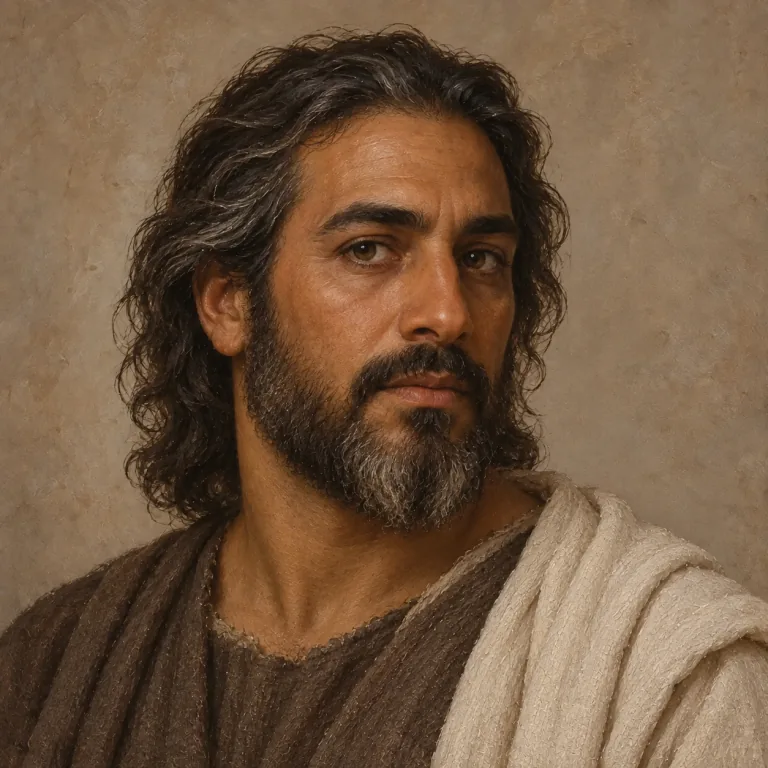
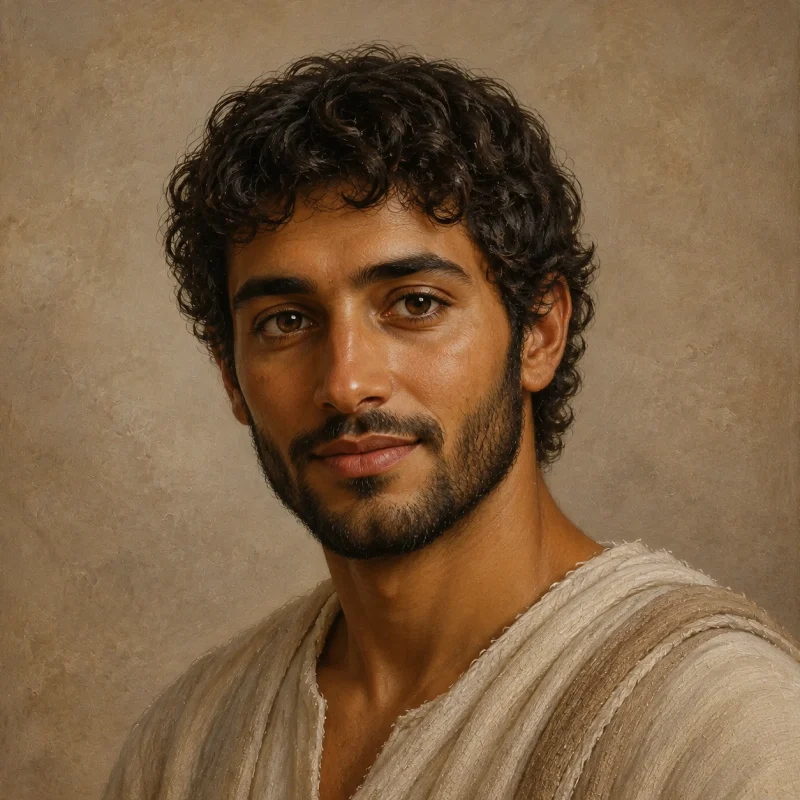
Portrait: an AI-generated artistic interpretation, not evidence of how Reuben looked.
Who Reuben is
Reuben is Jacob's firstborn, born to Leah. At his naming, Leah says the Lord has seen her affliction and hopes her husband will love her. He later brings her mandrakes found during the wheat harvest. Genesis also records that he sleeps with Bilhah, his father's concubine. When his brothers plan to kill Joseph, Reuben urges them to put Joseph in a pit without shedding blood; the narrator says he intends to return Joseph to their father. He later finds the pit empty and tears his clothes. In Egypt he reminds his brothers of his warning against harming Joseph. Back with Jacob, he offers the lives of two sons as a pledge for Benjamin's return, but Jacob refuses to let Benjamin go. The family lists name Reuben's sons as Hanoch, Pallu, Hezron and Carmi; Genesis 46:9 spells Pallu as Phallu in the KJV.
Cited passages: Genesis 29:32, Genesis 35:23, Genesis 30:14, Genesis 35:22, Genesis 37:20, Genesis 37:21, Genesis 37:22, Genesis 37:29, Genesis 37:30, Genesis 42:6, Genesis 42:22, Genesis 42:37, Genesis 42:38, Genesis 46:9, Exodus 6:14
Historical setting
Exodus includes Reuben in Jacob's family in Egypt; most later references concern his descendants and their tribe. The tribes of Reuben and Gad request cattle land east of Jordan. Moses makes their possession of Gilead conditional on crossing armed with the other Israelites until the land is subdued. Joshua records their crossing with half of Manasseh. He later commends their obedience and sends them home. Their altar near Jordan provokes an accusation of rebellion, but the eastern tribes explain that it is a witness for future generations, not a place for sacrifices. Phinehas and the leaders accept the explanation, and war is averted. In another setting, Deborah and Barak's song questions Reuben's remaining among the flocks. Kings records Hazael's attacks on the eastern tribes' land; Chronicles records the Reubenites' later removal to Assyrian captivity. These tribal events should not be assigned to the ancestor himself.
Cited passages: Exodus 1:1, Exodus 1:2, Numbers 32:1, Numbers 32:5, Numbers 32:19, Numbers 32:29, Joshua 4:12, Joshua 22:1, Joshua 22:2, Joshua 22:4, Joshua 22:10, Joshua 22:16, Joshua 22:24, Joshua 22:26, Joshua 22:27, Joshua 22:30, Joshua 22:33, Judges 5:1, Judges 5:15, Judges 5:16, 2 Kings 10:32, 2 Kings 10:33, 1 Chronicles 5:26
How the story is told
Jacob first addresses Reuben with the honor of the firstborn, then denies him preeminence because he defiled his father's bed. The KJV calls him unstable as water, the ASV describes water boiling over, and the BBE calls him uncontrolled. Chronicles makes the birthright distinction explicit: it passed to Joseph's sons, while leadership came through Judah. Reuben's birth order remains recorded. His attempts to protect Joseph do not erase this separate account of lost standing. Moses' blessing later asks that Reuben live and that his men not be few. Ezekiel's land arrangement and city gates, and Revelation's list of sealed tribes, also retain the name. These passages speak in different settings; they do not state that every later tribal event resulted from Reuben's personal wrongdoing.
Cited passages: Genesis 49:1, Genesis 49:3, Genesis 49:4, 1 Chronicles 5:1, 1 Chronicles 5:2, 1 Chronicles 5:3, Genesis 37:22, Deuteronomy 33:1, Deuteronomy 33:6, Ezekiel 48:6, Ezekiel 48:31, Revelation 7:4, Revelation 7:5
Story moments
- Leah names her first son (Genesis 29:32). Leah names Reuben and expresses her hope that Jacob will love her.
- Reuben sleeps with Bilhah (Genesis 35:22). Genesis records the act and says that Israel hears of it.
- He plans to return Joseph to their father (Genesis 37:22). Reuben urges his brothers to shed no blood; the narrator explains his rescue intention.
- He offers a pledge for Benjamin (Genesis 42:37). Reuben offers the lives of two sons if Benjamin does not return; Jacob refuses to let Benjamin go.
- Jacob denies him preeminence (Genesis 49:4). Jacob connects Reuben’s loss of standing with his having defiled his father’s bed.
Key passages
Genesis 29:32
And Leah conceived, and bare a son, and she called his name Reuben: for she said, Surely the Lord hath looked upon my affliction; now therefore my husband will love me.
Genesis 30:14
And Reuben went in the days of wheat harvest, and found mandrakes in the field, and brought them unto his mother Leah. Then Rachel said to Leah, Give me, I pray thee, of thy son’s mandrakes.
Genesis 35:22
And it came to pass, when Israel dwelt in that land, that Reuben went and lay with Bilhah his father’s concubine: and Israel heard it. Now the sons of Jacob were twelve:
Genesis 35:23
The sons of Leah; Reuben, Jacob’s firstborn, and Simeon, and Levi, and Judah, and Issachar, and Zebulun:
Genesis 37:21
And Reuben heard it, and he delivered him out of their hands; and said, Let us not kill him.
Genesis 37:22
And Reuben said unto them, Shed no blood, but cast him into this pit that is in the wilderness, and lay no hand upon him; that he might rid him out of their hands, to deliver him to his father again.
King James Version. 85 indexed passages in total.
For reflection
What does the narrator tell you Reuben intended, and what actually happens? How does that distinction affect your reading of his efforts to protect his brothers?
Books Reuben appears in
Related people



Names and references are adapted from STEPBible TIPNR. A person listed with a verse is named or indexed there; it does not mean they wrote or spoke it.