Person in the Old and New Testaments
Rachel
Rachel: longing, motherhood and remembrance
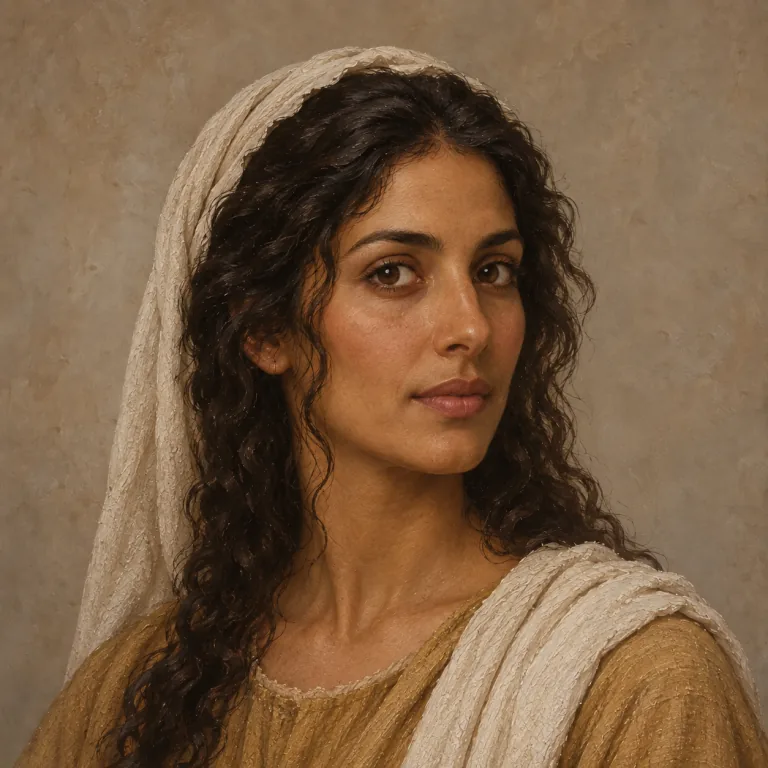
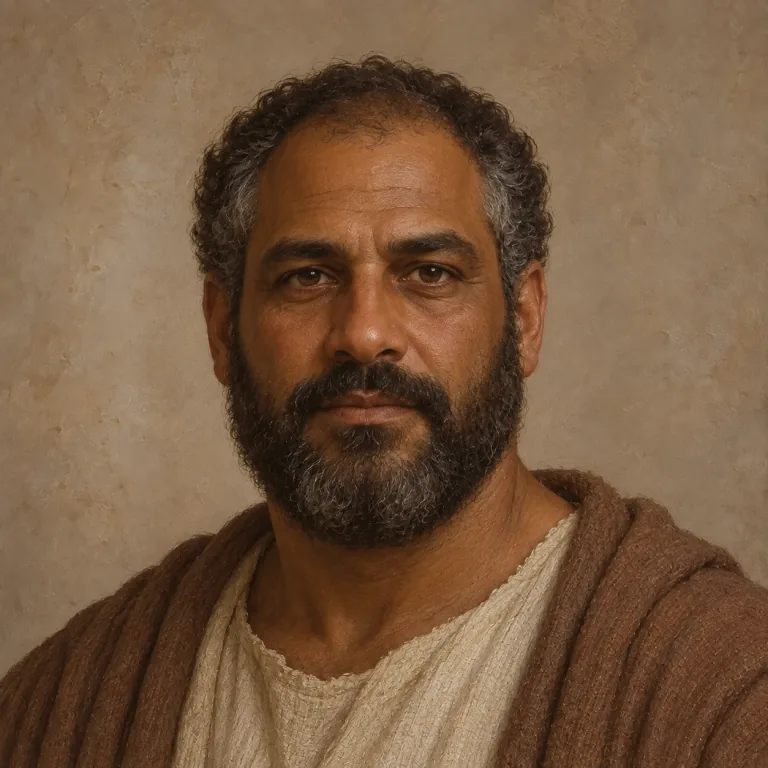
Portrait: an AI-generated artistic interpretation, not evidence of how Rachel looked.
Who Rachel is
Rachel, Laban's younger daughter, is tending her father's sheep when Jacob meets her near Haran. Jacob loves her and serves seven years to marry her, but Laban brings Leah to him instead. After Leah's wedding week, Rachel is given to Jacob, who then serves another seven years. Rachel initially has no children and envies Leah. She gives Bilhah to Jacob and names the sons Bilhah bears, Dan and Naphtali. The narrator later says God remembers Rachel, hears her and opens her womb; she bears Joseph. Rachel and Leah support Jacob's departure from Laban. On the road from Bethel, Rachel gives birth again after hard labour. She names the child Ben-oni as she dies, while Jacob names him Benjamin. Jacob buries her on the road to Ephrath, identified in the text as Bethlehem, and sets a pillar on her grave.
Cited passages: Genesis 29:4, Genesis 29:5, Genesis 29:6, Genesis 29:7, Genesis 29:8, Genesis 29:9, Genesis 29:10, Genesis 29:11, Genesis 29:12, Genesis 29:13, Genesis 29:14, Genesis 29:15, Genesis 29:16, Genesis 29:17, Genesis 29:18, Genesis 29:19, Genesis 29:20, Genesis 29:21, Genesis 29:22, Genesis 29:23, Genesis 29:24, Genesis 29:25, Genesis 29:26, Genesis 29:27, Genesis 29:28, Genesis 29:29, Genesis 29:30, Genesis 30:1, Genesis 30:2, Genesis 30:3, Genesis 30:4, Genesis 30:5, Genesis 30:6, Genesis 30:7, Genesis 30:8, Genesis 30:22, Genesis 30:23, Genesis 30:24, Genesis 31:14, Genesis 31:15, Genesis 31:16, Genesis 31:17, Genesis 31:18, Genesis 35:16, Genesis 35:17, Genesis 35:18, Genesis 35:19, Genesis 35:20
Historical setting
Rachel's household story moves from Laban's flocks and Jacob's service in Padan-aram to the return into Canaan. Before leaving, Rachel steals her father's images. When Laban searches, she hides them in the camel's furnishings, sits on them and says she cannot rise because of her monthly condition. The text records the concealment and her words without explaining her private reason for taking the images. Genesis lists Joseph and Benjamin as her sons and distinguishes the children born to Bilhah. Jacob later recalls Rachel's burial while speaking to Joseph. Her tomb is also a landmark in Samuel's directions to Saul, and Ruth's wedding witnesses remember Rachel and Leah as women who built Israel's household. These later notices do not add new actions to Rachel's life.
Cited passages: Genesis 29:9, Genesis 29:18, Genesis 29:19, Genesis 29:20, Genesis 29:21, Genesis 29:22, Genesis 29:23, Genesis 29:24, Genesis 29:25, Genesis 29:26, Genesis 29:27, Genesis 29:28, Genesis 29:29, Genesis 29:30, Genesis 31:17, Genesis 31:18, Genesis 31:19, Genesis 31:32, Genesis 31:33, Genesis 31:34, Genesis 31:35, Genesis 35:24, Genesis 35:25, Genesis 46:19, Genesis 46:20, Genesis 46:21, Genesis 46:22, Genesis 46:23, Genesis 46:24, Genesis 46:25, Genesis 48:7, 1 Samuel 10:1, 1 Samuel 10:2, Ruth 4:11
How the story is told
Rachel's name speeches connect the household rivalry with her longing for children. At Joseph's birth she speaks both of reproach removed and of another son still desired. Her next birth brings Benjamin and her own death, giving that earlier longing a painful place in the story's ending. The narrator does not connect her death to Jacob's earlier threat concerning the stolen images. Later, Jeremiah portrays Rachel weeping for her children within a passage that also promises their return. Matthew applies that lament to the children killed under Herod. These are poetic remembrance and a later fulfilment reading, not reports that Rachel was physically present at those events.
Cited passages: Genesis 30:6, Genesis 30:7, Genesis 30:8, Genesis 30:23, Genesis 30:24, Genesis 31:32, Genesis 35:16, Genesis 35:17, Genesis 35:18, Genesis 35:19, Genesis 35:20, Jeremiah 31:15, Jeremiah 31:16, Jeremiah 31:17, Matthew 2:16, Matthew 2:17, Matthew 2:18
Story moments
- At the well with the sheep (Genesis 29:9). Rachel arrives with the flock she tends for her father.
- Marriage after Leah's week (Genesis 29:28). Laban gives Rachel to Jacob after Leah's wedding week; the additional service follows.
- God remembers Rachel (Genesis 30:22). The narrator says God hears Rachel and opens her womb.
- Joseph is named (Genesis 30:24). Rachel names Joseph and expresses her desire for another son.
- Departure agreed (Genesis 31:16). Rachel and Leah tell Jacob to do what God has said.
- Benjamin's birth and Rachel's death (Genesis 35:18). Rachel names her son Ben-oni as she dies, and his father names him Benjamin.
- A later lament (Jeremiah 31:15). Jeremiah portrays Rachel weeping for her children; the following verses promise their return.
Key passages
Genesis 29:6
And he said unto them, Is he well? And they said, He is well: and, behold, Rachel his daughter cometh with the sheep.
Genesis 29:9
And while he yet spake with them, Rachel came with her father’s sheep: for she kept them.
Genesis 29:10
And it came to pass, when Jacob saw Rachel the daughter of Laban his mother’s brother, and the sheep of Laban his mother’s brother, that Jacob went near, and rolled the stone from the well’s mouth, and watered the flock of Laban his mother’s brother.
Genesis 29:11
And Jacob kissed Rachel, and lifted up his voice, and wept.
Genesis 29:12
And Jacob told Rachel that he was her father’s brother, and that he was Rebekah’s son: and she ran and told her father.
Genesis 29:16
And Laban had two daughters: the name of the elder was Leah, and the name of the younger was Rachel.
King James Version. 45 indexed passages in total.
For reflection
How do Rachel's words at Joseph's birth sound when read beside Benjamin's birth? Keep the family narrative, Jeremiah's lament and Matthew's use of it distinct as you follow the later remembrance of Rachel.
Books Rachel appears in
Related people
Names and references are adapted from STEPBible TIPNR. A person listed with a verse is named or indexed there; it does not mean they wrote or spoke it.