Person in the Old Testament
Leah
Leah: heard within a divided household
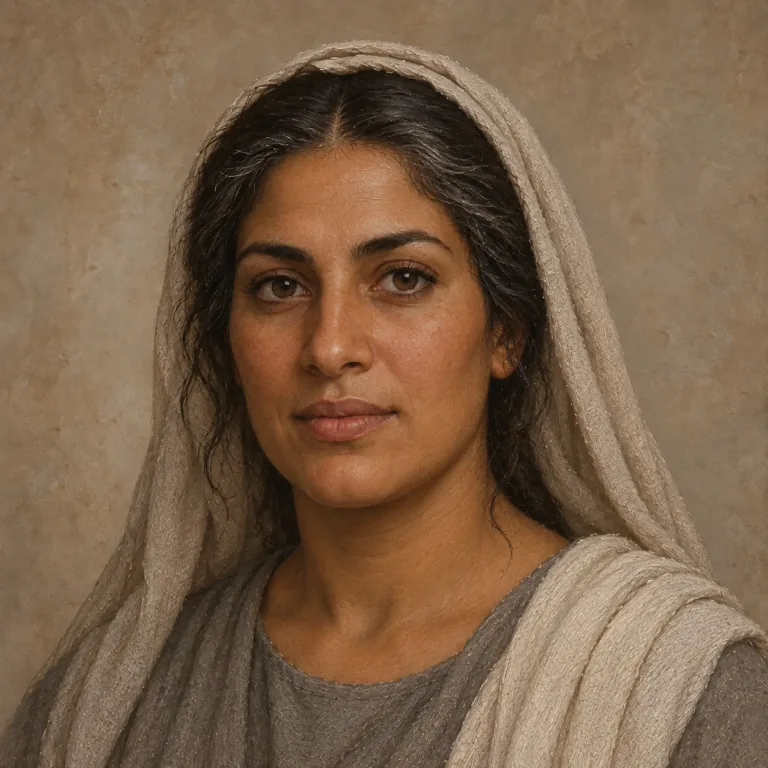
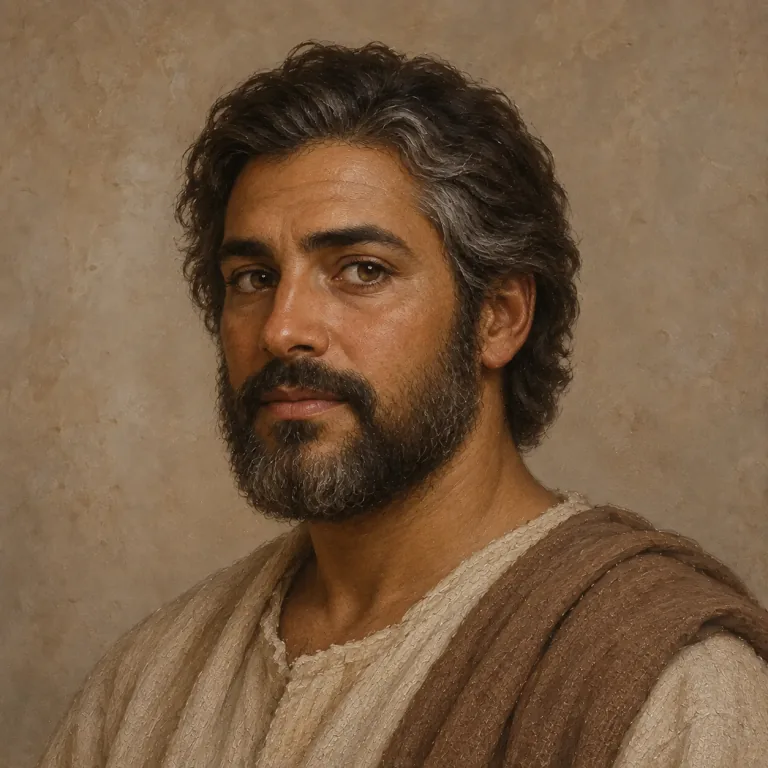
Portrait: an AI-generated artistic interpretation, not evidence of how Leah looked.
Who Leah is
Leah is Laban's elder daughter. Jacob serves seven years expecting to marry her younger sister Rachel, but Laban brings Leah to him on the wedding night. After the wedding week Jacob also marries Rachel, whom he loves more. The Lord sees Leah's unloved condition and opens her womb. Leah bears Reuben, Simeon, Levi and Judah, speaking at their births of affliction, a desire for her husband's attachment and praise to the Lord. When she stops bearing, she gives Zilpah to Jacob; Zilpah bears Gad and Asher. After an exchange involving Reuben's mandrakes and a night with Jacob, Leah bears Issachar and later Zebulun and Dinah. Leah and Rachel together support leaving Laban. Much later, Jacob states that he buried Leah in the family cave at Machpelah.
Cited passages: Genesis 29:16, Genesis 29:17, Genesis 29:18, Genesis 29:19, Genesis 29:20, Genesis 29:21, Genesis 29:22, Genesis 29:23, Genesis 29:24, Genesis 29:25, Genesis 29:26, Genesis 29:27, Genesis 29:28, Genesis 29:29, Genesis 29:30, Genesis 29:31, Genesis 29:32, Genesis 29:33, Genesis 29:34, Genesis 29:35, Genesis 30:9, Genesis 30:10, Genesis 30:11, Genesis 30:12, Genesis 30:13, Genesis 30:14, Genesis 30:15, Genesis 30:16, Genesis 30:17, Genesis 30:18, Genesis 30:19, Genesis 30:20, Genesis 30:21, Genesis 31:14, Genesis 31:15, Genesis 31:16, Genesis 49:29, Genesis 49:30, Genesis 49:31, Genesis 49:32
Historical setting
Leah's story belongs to Jacob's years of service in Laban's household. Laban justifies the substituted bride by appealing to a local practice of giving the elder daughter before the younger; that explanation is his speech. When Jacob plans to leave, both sisters say their father has treated them as outsiders and consumed the money received for them. Genesis later distinguishes Leah's six sons from the sons born to Zilpah and names Dinah as Leah's daughter. The genealogy in chapter 46 groups descendants under both women separately. The wedding witnesses in Ruth remember Leah alongside Rachel as a builder of Israel's household. Jacob's burial statement supplies no separate account of Leah's death or its date.
Cited passages: Genesis 29:15, Genesis 29:16, Genesis 29:17, Genesis 29:18, Genesis 29:19, Genesis 29:20, Genesis 29:21, Genesis 29:22, Genesis 29:23, Genesis 29:24, Genesis 29:25, Genesis 29:26, Genesis 29:27, Genesis 29:28, Genesis 29:29, Genesis 29:30, Genesis 30:21, Genesis 31:14, Genesis 31:15, Genesis 31:16, Genesis 35:23, Genesis 35:24, Genesis 35:25, Genesis 35:26, Genesis 46:8, Genesis 46:9, Genesis 46:10, Genesis 46:11, Genesis 46:12, Genesis 46:13, Genesis 46:14, Genesis 46:15, Genesis 46:16, Genesis 46:17, Genesis 46:18, Ruth 4:11, Genesis 49:29, Genesis 49:30, Genesis 49:31, Genesis 49:32
How the story is told
Leah's naming speeches make her own voice audible within the unequal marriage. She hopes that births will bring love or attachment, and at Judah's birth she announces praise. Later naming speeches again connect children with her hopes for her place in the household, so the earlier praise should not be turned into a claim that all conflict has ended. The narrator attributes conception to God's attention to Leah; the mandrake exchange is not presented as proof of a fertility remedy. The sisters' joint response to Jacob in chapter 31 gives them shared speech despite their rivalry. The narrative names Laban as the arranger of the wedding substitution without reporting a plan or motive of Leah's own.
Cited passages: Genesis 29:23, Genesis 29:24, Genesis 29:25, Genesis 29:26, Genesis 29:27, Genesis 29:28, Genesis 29:29, Genesis 29:30, Genesis 29:31, Genesis 29:32, Genesis 29:33, Genesis 29:34, Genesis 29:35, Genesis 30:9, Genesis 30:10, Genesis 30:11, Genesis 30:12, Genesis 30:13, Genesis 30:14, Genesis 30:15, Genesis 30:16, Genesis 30:17, Genesis 30:18, Genesis 30:19, Genesis 30:20, Genesis 30:21, Genesis 31:14, Genesis 31:15, Genesis 31:16
Story moments
- The substituted bride (Genesis 29:23). Laban brings Leah to Jacob on the wedding night.
- The Lord sees Leah (Genesis 29:31). The narrator says the Lord sees that Leah is unloved and opens her womb.
- A hope voiced at Reuben's birth (Genesis 29:32). Leah speaks of the Lord seeing her affliction and hopes her husband will love her.
- Praise at Judah's birth (Genesis 29:35). Leah says she will praise the Lord and names her son Judah.
- God hears Leah (Genesis 30:17). The narrator attributes the conception of Leah's fifth son to God hearing her.
- The sisters speak together (Genesis 31:14). Rachel and Leah question whether they have any inheritance left in their father's house.
- Remembered at Machpelah (Genesis 49:31). Jacob names the family burial place and says he buried Leah there.
Key passages
Genesis 29:16
And Laban had two daughters: the name of the elder was Leah, and the name of the younger was Rachel.
Genesis 29:17
Leah was tender eyed; but Rachel was beautiful and well favoured.
Genesis 29:23
And it came to pass in the evening, that he took Leah his daughter, and brought her to him; and he went in unto her.
Genesis 29:24
And Laban gave unto his daughter Leah Zilpah his maid for an handmaid.
Genesis 29:25
And it came to pass, that in the morning, behold, it was Leah: and he said to Laban, What is this thou hast done unto me? did not I serve with thee for Rachel? wherefore then hast thou beguiled me?
Genesis 29:30
And he went in also unto Rachel, and he loved also Rachel more than Leah, and served with him yet seven other years.
King James Version. 32 indexed passages in total.
For reflection
What do Leah's naming speeches reveal about what she hopes for and what she praises? Read her own words alongside the narrator's statements about God's attention, without assuming the household's tensions disappear.
Books Leah appears in
Related people




Names and references are adapted from STEPBible TIPNR. A person listed with a verse is named or indexed there; it does not mean they wrote or spoke it.