The Torah · Old Testament
Exodus 6
The Lord renews the promise and the family line identifies Moses and Aaron
General context
The Lord tells Moses that Pharaoh will let the people go and drive them from his land. God identifies himself, recalls his covenant with Abraham, Isaac and Jacob, and says he has heard Israel's groaning. Moses is to announce rescue from bondage, a relationship in which Israel is God's people, and the gift of the promised land. The people do not listen because of anguish and cruel bondage. When Moses is again told to speak to Pharaoh, he questions whether the king will listen, describing his own lips as uncircumcised. The Lord charges Moses and Aaron with bringing Israel out. A family record begins with Reuben and Simeon, then follows Levi's descendants. It names Amram and Jochebed as the parents of Aaron and Moses, and includes Aaron's marriage, his sons and Eleazar's son Phinehas. The record explicitly identifies these as the Aaron and Moses commissioned to bring Israel from Egypt. The chapter returns to the command to speak and Moses' concern that Pharaoh will not listen.
Cited passages: Exodus 6:1, Exodus 6:2, Exodus 6:3, Exodus 6:4, Exodus 6:5, Exodus 6:6, Exodus 6:7, Exodus 6:8, Exodus 6:9, Exodus 6:10, Exodus 6:11, Exodus 6:12, Exodus 6:13, Exodus 6:14, Exodus 6:15, Exodus 6:16, Exodus 6:17, Exodus 6:18, Exodus 6:19, Exodus 6:20, Exodus 6:21, Exodus 6:22, Exodus 6:23, Exodus 6:24, Exodus 6:25, Exodus 6:26, Exodus 6:27, Exodus 6:28, Exodus 6:29, Exodus 6:30
Exodus 6 (KJV)
1Then the Lord said unto Moses, Now shalt thou see what I will do to Pharaoh: for with a strong hand shall he let them go, and with a strong hand shall he drive them out of his land.
2And God spake unto Moses, and said unto him, I am the Lord:
3And I appeared unto Abraham, unto Isaac, and unto Jacob, by the name of God Almighty, but by my name Jehovah was I not known to them.
4And I have also established my covenant with them, to give them the land of Canaan, the land of their pilgrimage, wherein they were strangers.
5And I have also heard the groaning of the children of Israel, whom the Egyptians keep in bondage; and I have remembered my covenant.
6Wherefore say unto the children of Israel, I am the Lord, and I will bring you out from under the burdens of the Egyptians, and I will rid you out of their bondage, and I will redeem you with a stretched out arm, and with great judgments:
7And I will take you to me for a people, and I will be to you a God: and ye shall know that I am the Lord your God, which bringeth you out from under the burdens of the Egyptians.
8And I will bring you in unto the land, concerning the which I did swear to give it to Abraham, to Isaac, and to Jacob; and I will give it you for an heritage: I am the Lord.
9And Moses spake so unto the children of Israel: but they hearkened not unto Moses for anguish of spirit, and for cruel bondage.
10And the Lord spake unto Moses, saying,
11Go in, speak unto Pharaoh king of Egypt, that he let the children of Israel go out of his land.
12And Moses spake before the Lord, saying, Behold, the children of Israel have not hearkened unto me; how then shall Pharaoh hear me, who am of uncircumcised lips?
13And the Lord spake unto Moses and unto Aaron, and gave them a charge unto the children of Israel, and unto Pharaoh king of Egypt, to bring the children of Israel out of the land of Egypt.
14These be the heads of their fathers’ houses: The sons of Reuben the firstborn of Israel; Hanoch, and Pallu, Hezron, and Carmi: these be the families of Reuben.
15And the sons of Simeon; Jemuel, and Jamin, and Ohad, and Jachin, and Zohar, and Shaul the son of a Canaanitish woman: these are the families of Simeon.
16And these are the names of the sons of Levi according to their generations; Gershon, and Kohath, and Merari: and the years of the life of Levi were an hundred thirty and seven years.
17The sons of Gershon; Libni, and Shimi, according to their families.
18And the sons of Kohath; Amram, and Izhar, and Hebron, and Uzziel: and the years of the life of Kohath were an hundred thirty and three years.
19And the sons of Merari; Mahali and Mushi: these are the families of Levi according to their generations.
20And Amram took him Jochebed his father’s sister to wife; and she bare him Aaron and Moses: and the years of the life of Amram were an hundred and thirty and seven years.
21And the sons of Izhar; Korah, and Nepheg, and Zichri.
22And the sons of Uzziel; Mishael, and Elzaphan, and Zithri.
23And Aaron took him Elisheba, daughter of Amminadab, sister of Naashon, to wife; and she bare him Nadab, and Abihu, Eleazar, and Ithamar.
24And the sons of Korah; Assir, and Elkanah, and Abiasaph: these are the families of the Korhites.
25And Eleazar Aaron’s son took him one of the daughters of Putiel to wife; and she bare him Phinehas: these are the heads of the fathers of the Levites according to their families.
26These are that Aaron and Moses, to whom the Lord said, Bring out the children of Israel from the land of Egypt according to their armies.
27These are they which spake to Pharaoh king of Egypt, to bring out the children of Israel from Egypt: these are that Moses and Aaron.
28And it came to pass on the day when the Lord spake unto Moses in the land of Egypt,
29That the Lord spake unto Moses, saying, I am the Lord: speak thou unto Pharaoh king of Egypt all that I say unto thee.
30And Moses said before the Lord, Behold, I am of uncircumcised lips, and how shall Pharaoh hearken unto me?
This page shows the King James Version. In the app, reading opens in the Berean Standard Bible unless you have chosen another translation. The reader includes five translations: the Berean Standard Bible (BSB), the King James Version (KJV), the World English Bible (WEB), the Bible in Basic English (BBE), and the American Standard Version (ASV). Search covers three of them: Berean Standard, King James, and World English. Basic English and American Standard readers search the King James words.
Historical context
The promise recalls the ancestors' life as strangers in Canaan and the covenant to give that land. In the cited King James wording, God says he appeared to Abraham, Isaac and Jacob as God Almighty but was not known to them by his name Jehovah. This guide reports the statement without claiming to settle its relationship to divine-name usage elsewhere. The family record locates Moses and Aaron within Levi's line through Kohath and Amram. It calls Jochebed Amram's father's sister, identifies Elisheba as Aaron's wife and names their four sons. These are the family relationships given by the passage. The record is not presented here as an independently dated chronology. Moses' phrase 'uncircumcised lips' expresses his objection about speaking; the guide does not turn it into a medical diagnosis.
Cited passages: Exodus 6:2, Exodus 6:3, Exodus 6:4, Exodus 6:5, Exodus 6:8, Exodus 6:12, Exodus 6:14, Exodus 6:15, Exodus 6:16, Exodus 6:18, Exodus 6:20, Exodus 6:23, Exodus 6:25, Exodus 6:26, Exodus 6:27, Exodus 6:29, Exodus 6:30
Literary context
Repeated statements of divine identity and future action give the promise its shape. The people's inability to listen is explicitly connected with anguish and harsh bondage. Their distress is the stated reason for the response. Moses' concern about being heard appears before and after the family record. The genealogy pauses the account of the mission to identify the commissioned speakers, ending with emphatic references to this Aaron and Moses. The return to the command and objection leaves the mission unfinished and directs attention back toward Pharaoh.
Cited passages: Exodus 6:1, Exodus 6:2, Exodus 6:3, Exodus 6:5, Exodus 6:6, Exodus 6:7, Exodus 6:8, Exodus 6:9, Exodus 6:10, Exodus 6:11, Exodus 6:12, Exodus 6:13, Exodus 6:14, Exodus 6:16, Exodus 6:20, Exodus 6:23, Exodus 6:25, Exodus 6:26, Exodus 6:27, Exodus 6:28, Exodus 6:29, Exodus 6:30
Key moments
- Rescue from bondage is promised (Exodus 6:6). The Lord instructs Moses to announce deliverance from the burdens of Egypt.
- Anguish prevents a hearing (Exodus 6:9). The people do not listen to Moses because of anguish of spirit and cruel bondage.
- The family record names the parents (Exodus 6:20). The genealogy names Amram and Jochebed and identifies Aaron and Moses as their sons.
- Moses repeats his concern (Exodus 6:30). Moses questions how Pharaoh will listen to him and again describes his lips as uncircumcised.
For reflection
How does the chapter's explanation of the people's distress affect the way you hear their failure to listen?
People in this chapter
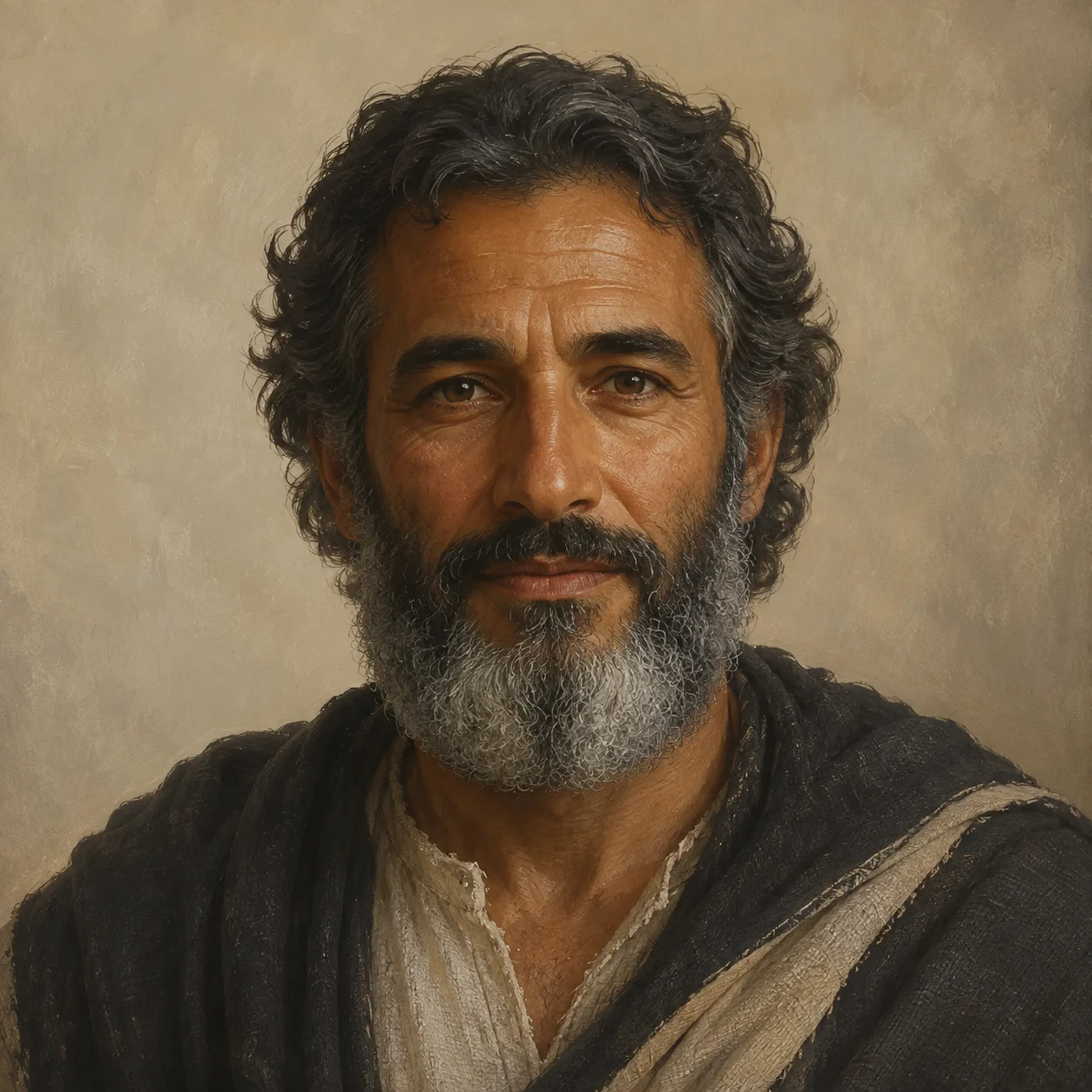 Moses
Moses Jacob
Jacob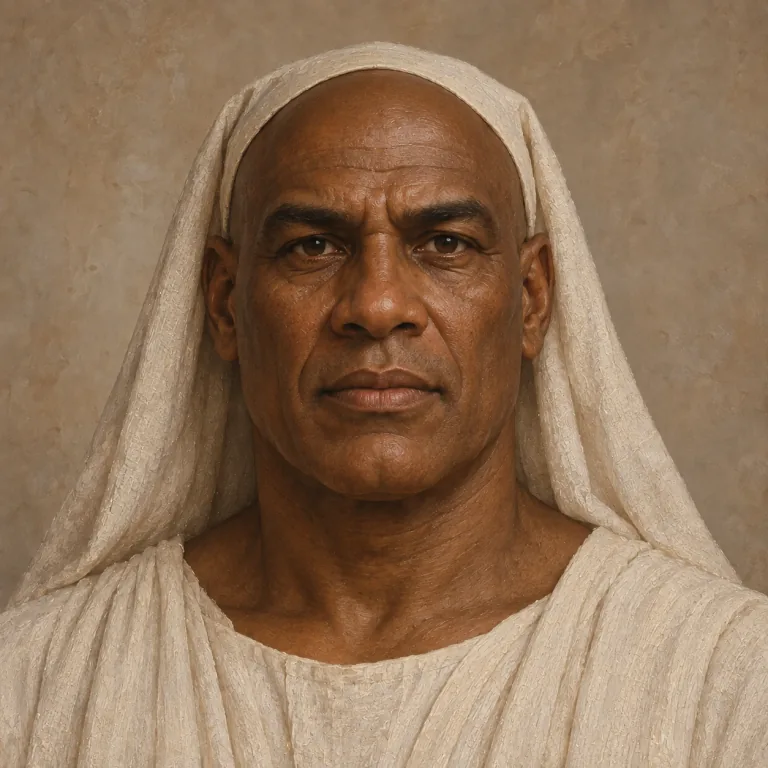 Pharaoh
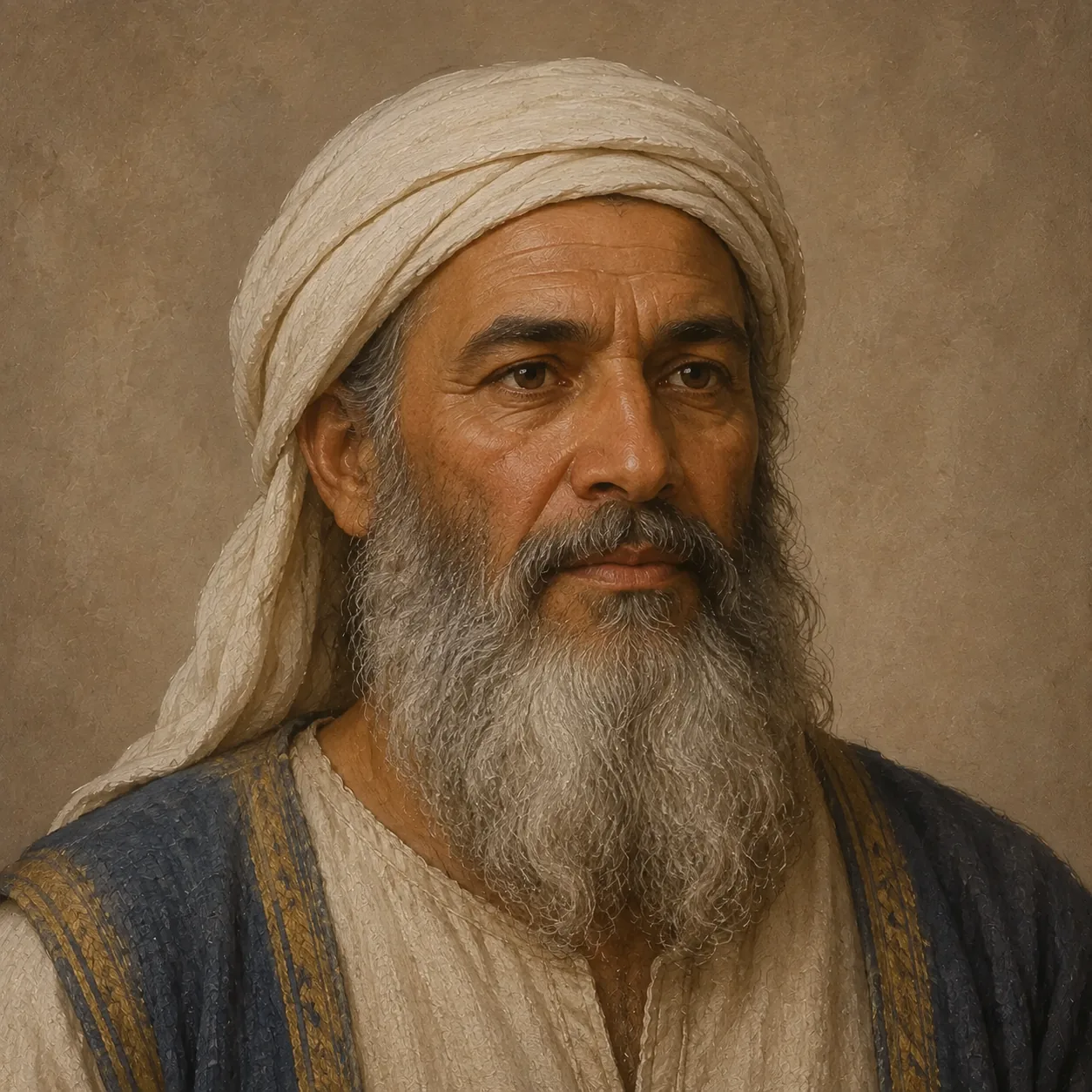 Aaron
Aaron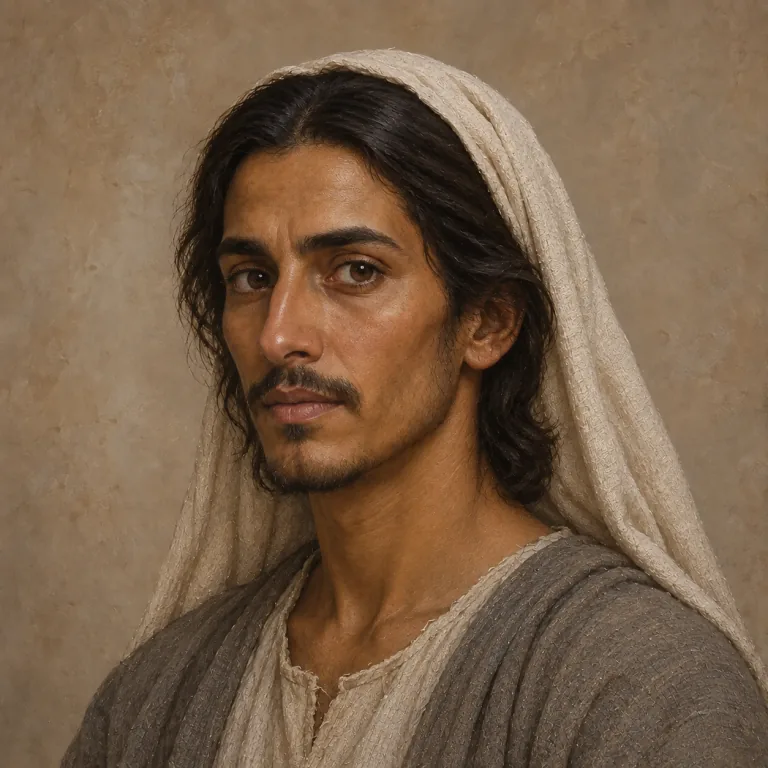 Levi
Levi Abraham
 Eleazar
 Isaac
Isaac Korah
Korah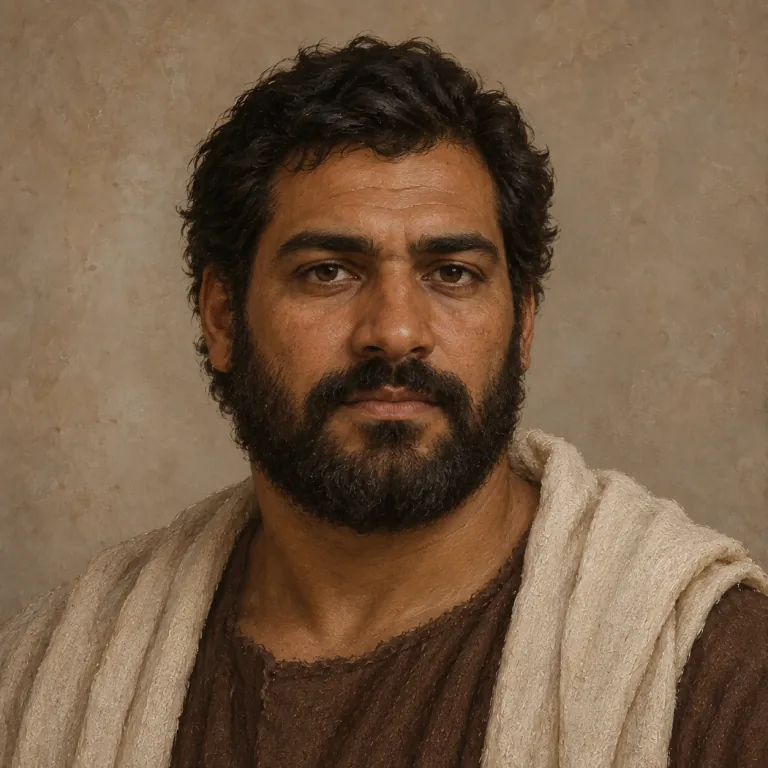 Abihu
Abihu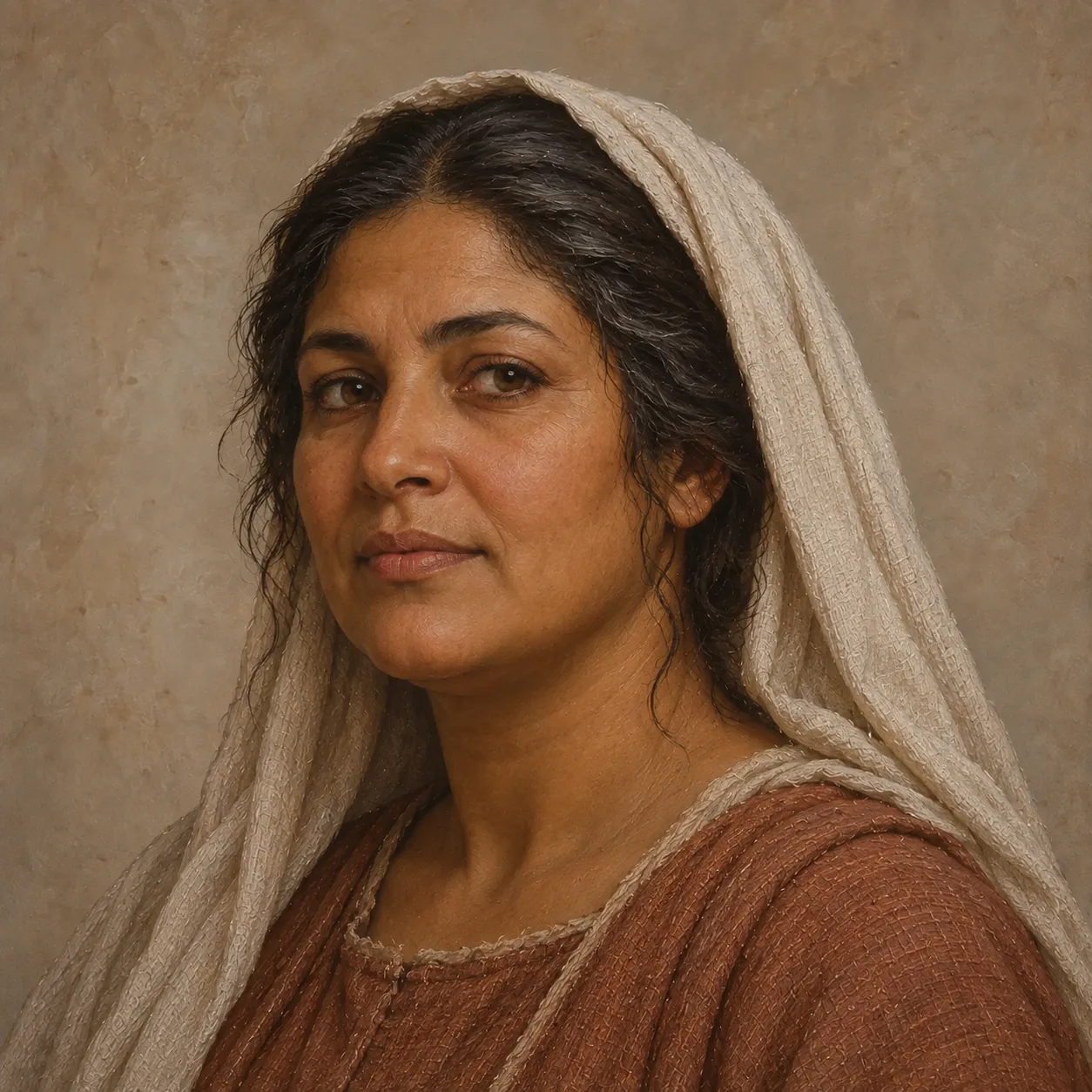 Jochebed
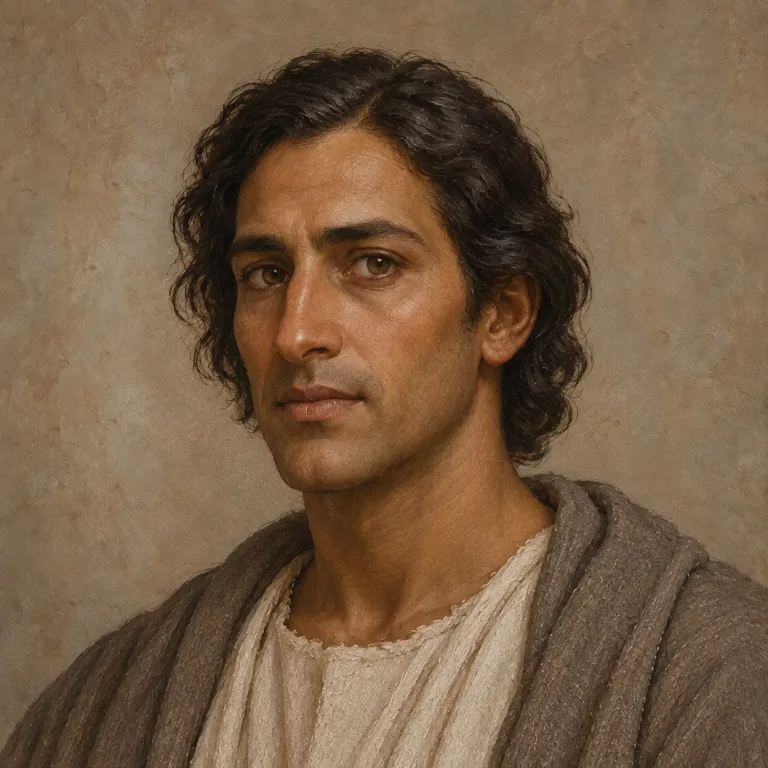 Nadab
Nadab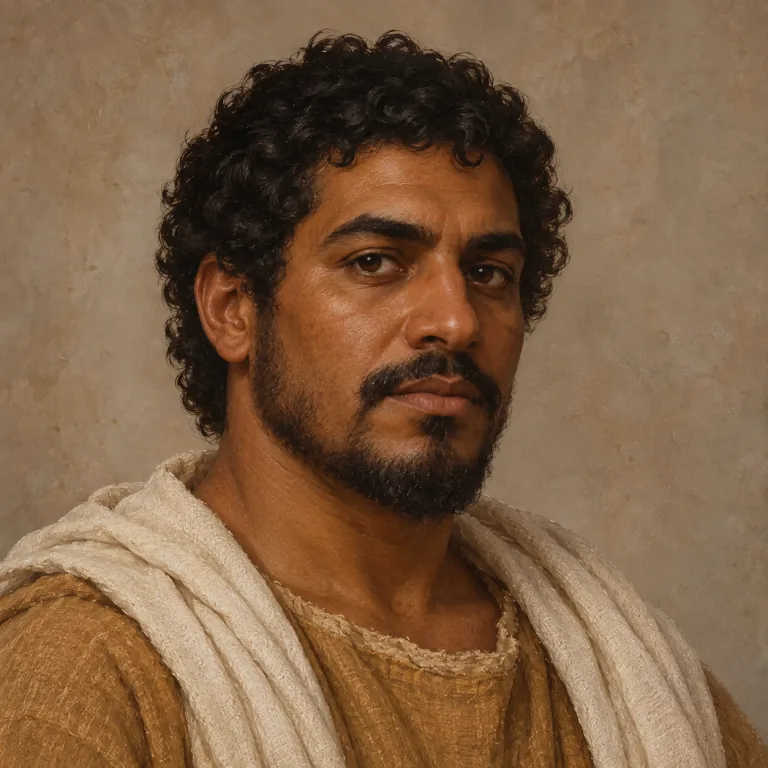 Phinehas
 Reuben
 Simeon (Leah’s son)
Also indexed here: