The Torah · Old Testament
Deuteronomy 33
Moses blesses the tribes before his death
General context
Introduced as Moses' blessing before death, the poem recalls the Lord's appearing and the law as the inheritance of Jacob's congregation. The tribal sayings ask life for Reuben and help for Judah, describe Levi's teaching and altar service, and promise safety for Benjamin. Joseph receives an extended blessing of fruitful land and strength pictured through horns, explicitly linked to Ephraim and Manasseh. The remaining sayings address Zebulun with Issachar, then Gad, Dan, Naphtali and Asher, using images of tents, seas, lions, territory and oil. Simeon has no separately named blessing in this chapter. The closing praise describes the God of Jeshurun as Israel's refuge and help, promises safety and abundance, and includes the destruction and submission of enemies.
Cited passages: Deuteronomy 33:1, Deuteronomy 33:2, Deuteronomy 33:3, Deuteronomy 33:4, Deuteronomy 33:5, Deuteronomy 33:6, Deuteronomy 33:7, Deuteronomy 33:8, Deuteronomy 33:9, Deuteronomy 33:10, Deuteronomy 33:11, Deuteronomy 33:12, Deuteronomy 33:13, Deuteronomy 33:14, Deuteronomy 33:15, Deuteronomy 33:16, Deuteronomy 33:17, Deuteronomy 33:18, Deuteronomy 33:19, Deuteronomy 33:20, Deuteronomy 33:21, Deuteronomy 33:22, Deuteronomy 33:23, Deuteronomy 33:24, Deuteronomy 33:25, Deuteronomy 33:26, Deuteronomy 33:27, Deuteronomy 33:28, Deuteronomy 33:29
Deuteronomy 33 (KJV)
1And this is the blessing, wherewith Moses the man of God blessed the children of Israel before his death.
2And he said, The Lord came from Sinai, and rose up from Seir unto them; he shined forth from mount Paran, and he came with ten thousands of saints: from his right hand went a fiery law for them.
3Yea, he loved the people; all his saints are in thy hand: and they sat down at thy feet; every one shall receive of thy words.
4Moses commanded us a law, even the inheritance of the congregation of Jacob.
5And he was king in Jeshurun, when the heads of the people and the tribes of Israel were gathered together.
6Let Reuben live, and not die; and let not his men be few.
7And this is the blessing of Judah: and he said, Hear, Lord, the voice of Judah, and bring him unto his people: let his hands be sufficient for him; and be thou an help to him from his enemies.
8And of Levi he said, Let thy Thummim and thy Urim be with thy holy one, whom thou didst prove at Massah, and with whom thou didst strive at the waters of Meribah;
9Who said unto his father and to his mother, I have not seen him; neither did he acknowledge his brethren, nor knew his own children: for they have observed thy word, and kept thy covenant.
10They shall teach Jacob thy judgments, and Israel thy law: they shall put incense before thee, and whole burnt sacrifice upon thine altar.
11Bless, Lord, his substance, and accept the work of his hands: smite through the loins of them that rise against him, and of them that hate him, that they rise not again.
12And of Benjamin he said, The beloved of the Lord shall dwell in safety by him; and the Lord shall cover him all the day long, and he shall dwell between his shoulders.
13And of Joseph he said, Blessed of the Lord be his land, for the precious things of heaven, for the dew, and for the deep that coucheth beneath,
14And for the precious fruits brought forth by the sun, and for the precious things put forth by the moon,
15And for the chief things of the ancient mountains, and for the precious things of the lasting hills,
16And for the precious things of the earth and fulness thereof, and for the good will of him that dwelt in the bush: let the blessing come upon the head of Joseph, and upon the top of the head of him that was separated from his brethren.
17His glory is like the firstling of his bullock, and his horns are like the horns of unicorns: with them he shall push the people together to the ends of the earth: and they are the ten thousands of Ephraim, and they are the thousands of Manasseh.
18And of Zebulun he said, Rejoice, Zebulun, in thy going out; and, Issachar, in thy tents.
19They shall call the people unto the mountain; there they shall offer sacrifices of righteousness: for they shall suck of the abundance of the seas, and of treasures hid in the sand.
20And of Gad he said, Blessed be he that enlargeth Gad: he dwelleth as a lion, and teareth the arm with the crown of the head.
21And he provided the first part for himself, because there, in a portion of the lawgiver, was he seated; and he came with the heads of the people, he executed the justice of the Lord, and his judgments with Israel.
22And of Dan he said, Dan is a lion’s whelp: he shall leap from Bashan.
23And of Naphtali he said, O Naphtali, satisfied with favour, and full with the blessing of the Lord: possess thou the west and the south.
24And of Asher he said, Let Asher be blessed with children; let him be acceptable to his brethren, and let him dip his foot in oil.
25Thy shoes shall be iron and brass; and as thy days, so shall thy strength be.
26There is none like unto the God of Jeshurun, who rideth upon the heaven in thy help, and in his excellency on the sky.
27The eternal God is thy refuge, and underneath are the everlasting arms: and he shall thrust out the enemy from before thee; and shall say, Destroy them.
28Israel then shall dwell in safety alone: the fountain of Jacob shall be upon a land of corn and wine; also his heavens shall drop down dew.
29Happy art thou, O Israel: who is like unto thee, O people saved by the Lord, the shield of thy help, and who is the sword of thy excellency! and thine enemies shall be found liars unto thee; and thou shalt tread upon their high places.
This page shows the King James Version. In the app, reading opens in the Berean Standard Bible unless you have chosen another translation. The reader includes five translations: the Berean Standard Bible (BSB), the King James Version (KJV), the World English Bible (WEB), the Bible in Basic English (BBE), and the American Standard Version (ASV). Search covers three of them: Berean Standard, King James, and World English. Basic English and American Standard readers search the King James words.
Historical context
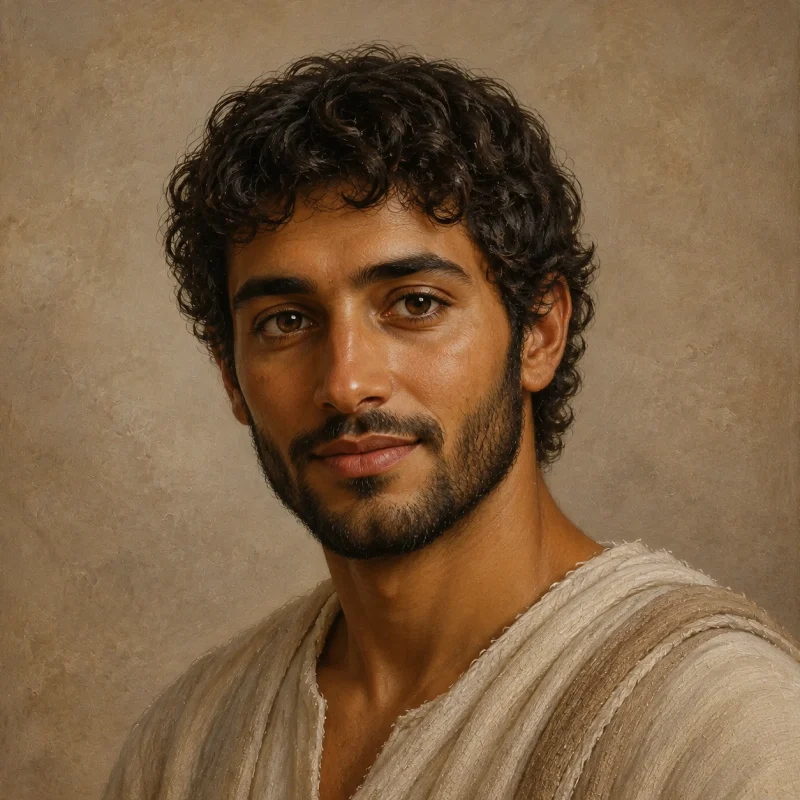
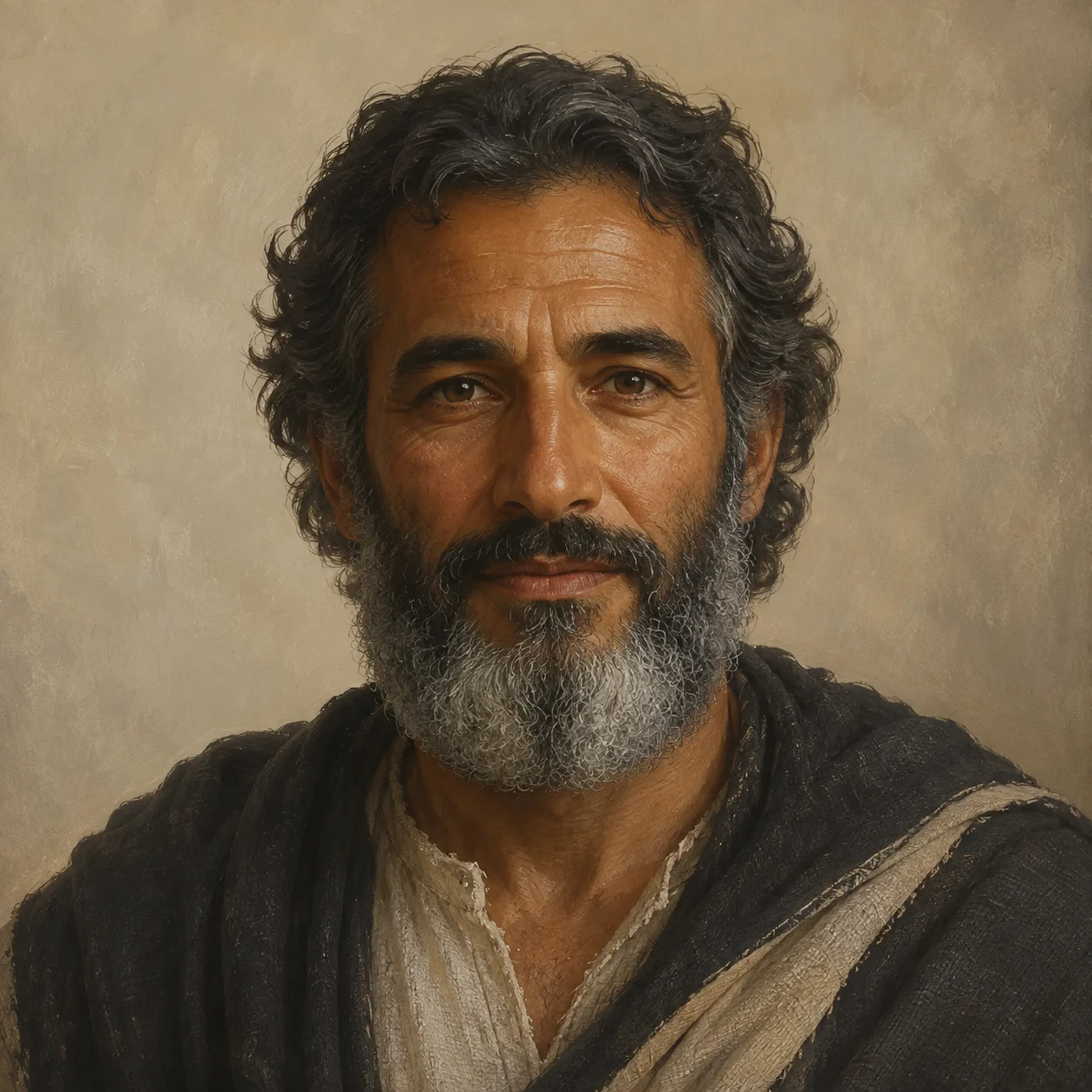
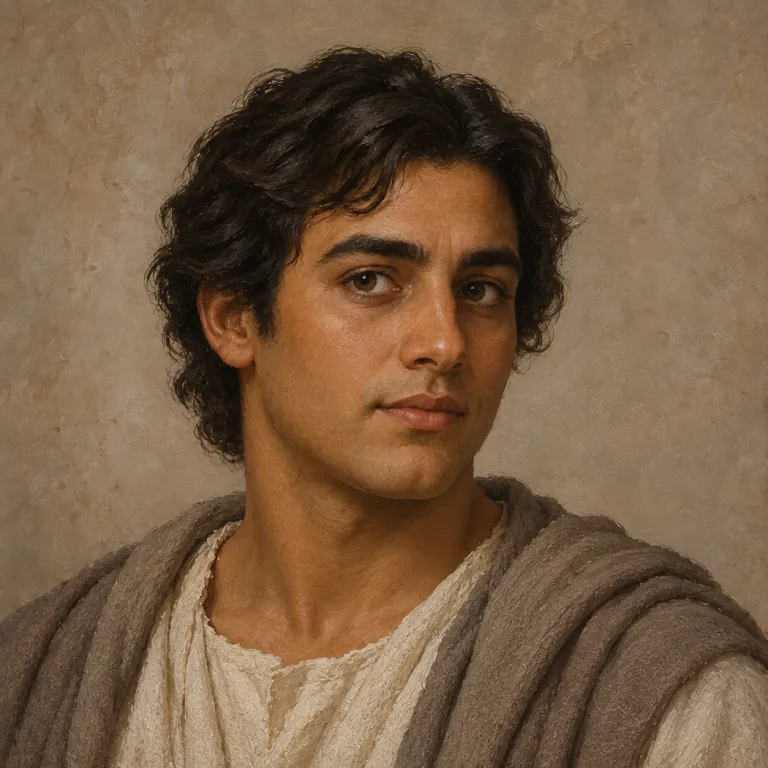
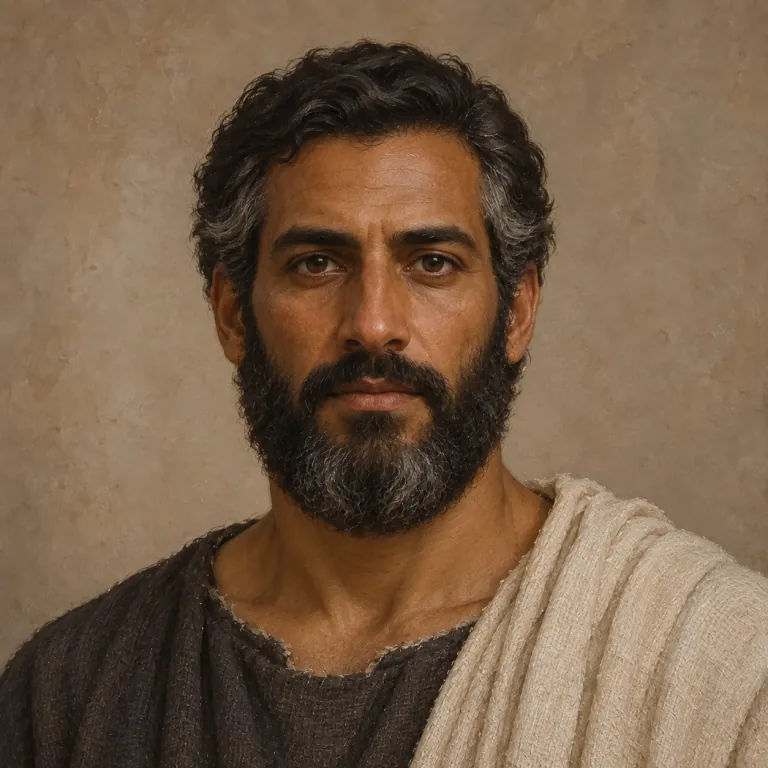
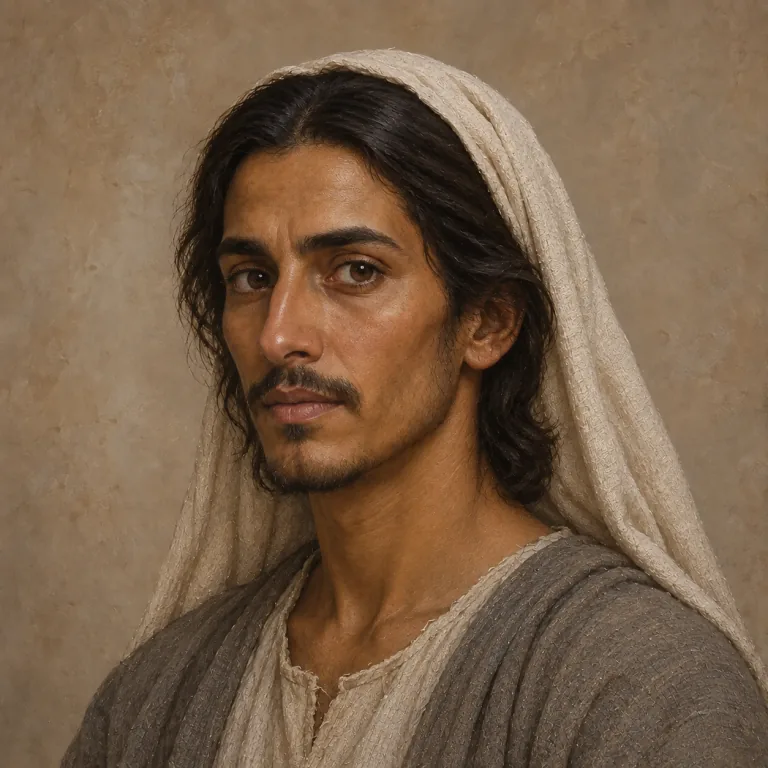
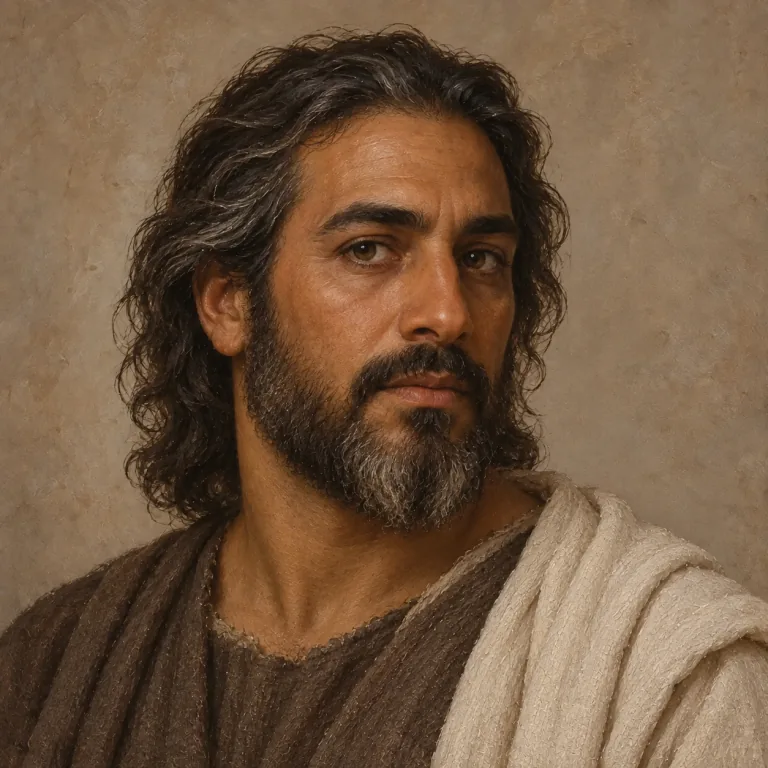
These names designate tribes within the blessing, rather than scenes of the ancestral brothers meeting Moses. The chapter does not explain Simeon's omission. The king in verse 5 is not named in that verse. The translations differ at several points: KJV and ASV verse 2 describe saints or holy ones and a fiery law, while BBE names Meribath Kadesh with fire and wrath. Joseph's unicorns in the KJV are wild-ox horns in ASV and mountain-ox horns in BBE. Naphtali receives west and south in KJV/ASV, but the sea and its fishes in BBE. Asher's iron and brass shoes become bars in ASV. These images and renderings do not supply a surveyed territorial map or a separate life event for each ancestor.
Cited passages: Deuteronomy 33:1, Deuteronomy 33:2, Deuteronomy 33:3, Deuteronomy 33:4, Deuteronomy 33:5, Deuteronomy 33:6, Deuteronomy 33:13, Deuteronomy 33:14, Deuteronomy 33:15, Deuteronomy 33:16, Deuteronomy 33:17, Deuteronomy 33:23, Deuteronomy 33:24, Deuteronomy 33:25
Literary context
The sayings vary in length and emphasis. Levi's service is expressed through covenant loyalty, teaching and sacrifice, while Joseph's land receives a succession of gifts from sky, deep, sun, moon, hills and earth. Animal images give military force to Joseph, Gad and Dan. The ending gathers the tribal sayings into a direct address to Israel as a whole: the God who rides the heavens is Israel's refuge, with everlasting arms beneath the people. Security and victory remain joined in that closing praise.
Cited passages: Deuteronomy 33:8, Deuteronomy 33:9, Deuteronomy 33:10, Deuteronomy 33:11, Deuteronomy 33:12, Deuteronomy 33:13, Deuteronomy 33:14, Deuteronomy 33:15, Deuteronomy 33:16, Deuteronomy 33:17, Deuteronomy 33:20, Deuteronomy 33:21, Deuteronomy 33:22, Deuteronomy 33:26, Deuteronomy 33:27, Deuteronomy 33:28, Deuteronomy 33:29
Key moments
- A blessing before death (Deuteronomy 33:1). The narrator identifies the words as Moses' blessing of Israel before he dies.
- Levi teaches and serves (Deuteronomy 33:10). The tribal blessing names teaching the law, offering incense and serving at the altar.
- Joseph's descendants are named (Deuteronomy 33:17). The horn image is explicitly connected with Ephraim's ten thousands and Manasseh's thousands.
- Everlasting arms (Deuteronomy 33:27). The final praise presents the eternal God as refuge while also declaring the enemy's removal and destruction.
For reflection
The blessings give different kinds of work and hope to different tribes. Which contribution in this poem do you tend to notice first, and which one might deserve more attention?
People in this chapter

Also indexed here: