Person in the Old Testament
Nebuchadnezzar
Nebuchadnezzar: the king of Babylon who carried Judah captive and was humbled
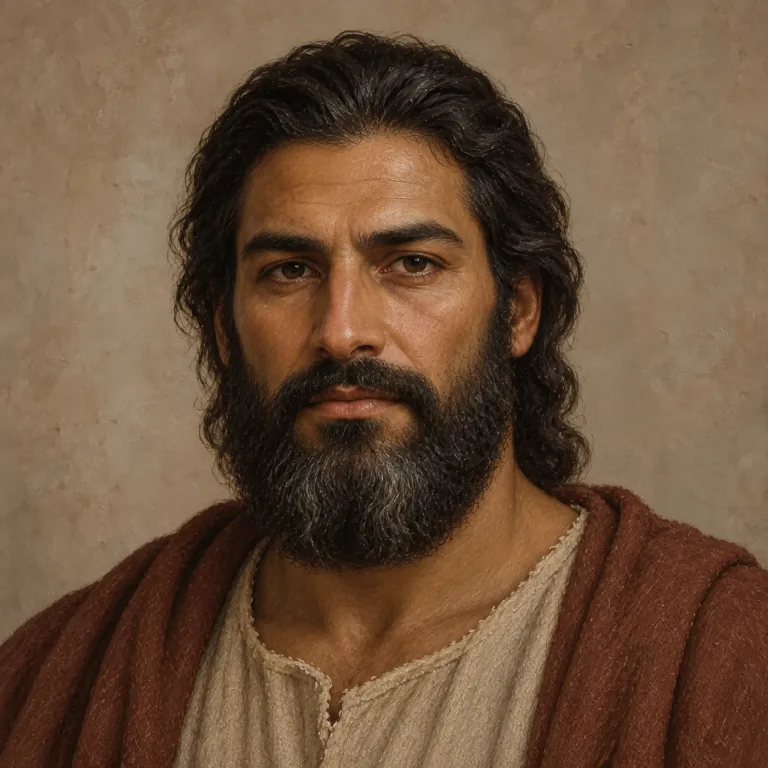
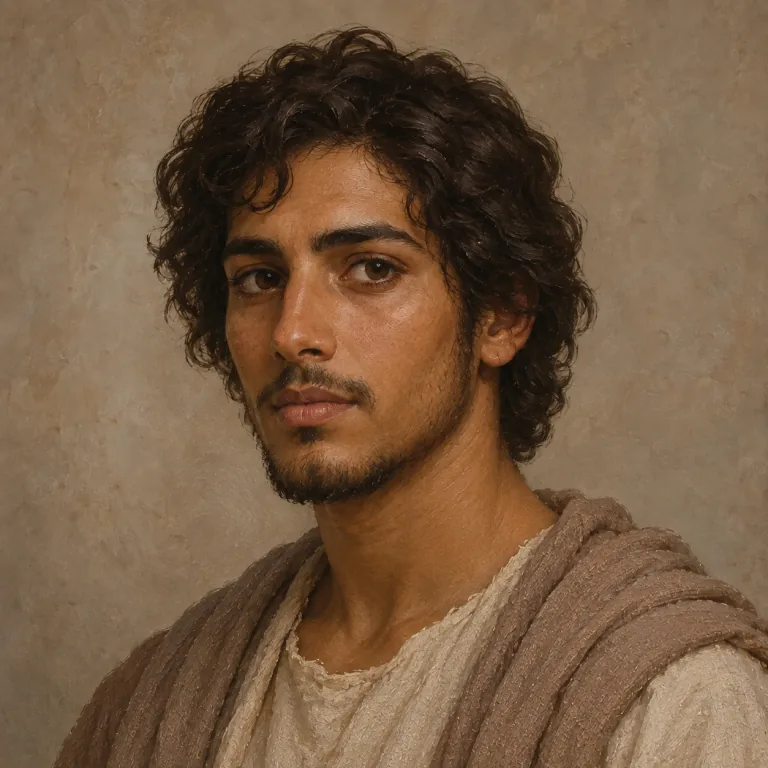
Portrait: an AI-generated artistic interpretation, not evidence of how Nebuchadnezzar looked.
Who Nebuchadnezzar is
Nebuchadnezzar king of Babylon comes up against Judah in Jehoiakim's days; Jehoiakim serves him three years and rebels. He besieges Jerusalem, takes Jehoiachin in the eighth year of his reign, carries away the temple treasures and ten thousand captives, and makes Mattaniah king as Zedekiah. When Zedekiah rebels he returns in his ninth year, besieges the city until the eleventh year of Zedekiah, has Zedekiah's sons killed before him and his eyes put out at Riblah, and in his nineteenth year his captain Nebuzar-adan burns the house of the Lord and breaks down the walls. He leaves Gedaliah over the remnant. Chronicles adds that he bound Jehoiakim in fetters and put temple vessels in his temple at Babylon, and that Zedekiah had sworn to him by God. Jeremiah calls him the Lord's servant, given all lands and the beasts of the field, and records his campaigns against Egypt, Kedar and Hazor and his charge concerning Jeremiah; Ezekiel names him against Tyrus and Egypt. In Daniel he takes captives of Judah for training, demands his dream be told, is shown the image of which he is the head of gold, sets up a golden image and casts three men into a furnace, dreams of a tree, boasts of great Babylon, is driven to eat grass for seven times, and is restored, praising the King of heaven. Ezra, Nehemiah and Esther name him as the one who carried the captives away, and Ezra adds the vessels he took, which Cyrus later restores. Belshazzar is called his son.
Cited passages: 2 Kings 24:1, 2 Kings 24:12, 2 Kings 24:14, 2 Kings 24:17, 2 Kings 25:1, 2 Kings 25:7, 2 Kings 25:8, 2 Kings 25:9, 2 Kings 25:22, 2 Chronicles 36:6, 2 Chronicles 36:7, 2 Chronicles 36:13, Jeremiah 27:6, Jeremiah 46:13, Jeremiah 49:28, Jeremiah 39:11, Ezekiel 26:7, Ezekiel 29:19, Daniel 1:1, Daniel 2:38, Daniel 3:1, Daniel 4:30, Daniel 4:33, Daniel 4:37, Ezra 1:7, Nehemiah 7:6, Esther 2:6, Daniel 5:22, 2 Kings 25:2, 2 Kings 25:6, 2 Kings 25:10
Historical setting
The KJV spells the name two ways: Nebuchadnezzar in Kings, Chronicles, Ezra, Nehemiah, Esther, Daniel and parts of Jeremiah, and Nebuchadrezzar in most of Jeremiah and in Ezekiel; the index treats both as one king. His regnal years are given from Judah's side: his first year is Jehoiakim's fourth, his eighth year takes Jehoiachin, his eighteenth is Zedekiah's tenth, his nineteenth sees the temple burned, and Jeremiah 52 counts deportations in his seventh, eighteenth and twenty-third years. Daniel 1 dates his first siege to Jehoiakim's third year, and the text does not reconcile that with Jeremiah's fourth year. Kings and Chronicles give him no speech and no inner life; he is the hand the Lord uses, and Jeremiah has the Lord call him my servant three times. Daniel alone gives him speech, dreams and a first-person letter, and Daniel 4 leaves the seven times undefined and does not say who ruled meanwhile. Daniel 5 calls him Belshazzar's father and Belshazzar his son, and the text gives no other family. No death is recorded for him anywhere in these books; 2 Kings 25 passes to Evil-merodach king of Babylon without saying how. His own gods are never named; the text speaks only of his god, the house of his gods, and his temple at Babylon.
Cited passages: Jeremiah 21:2, Jeremiah 28:3, Jeremiah 25:1, 2 Kings 24:12, Jeremiah 32:1, Jeremiah 52:12, Jeremiah 52:30, Daniel 1:1, 1 Chronicles 6:15, Jeremiah 25:9, Jeremiah 43:10, Daniel 4:1, Daniel 4:32, Daniel 5:2, 2 Kings 25:27, Daniel 1:2, Ezra 1:7, 2 Chronicles 36:7
How the story is told
Across the historical books Nebuchadnezzar is a force rather than a character: he comes up, besieges, carries away, makes kings and changes their names, and the narrator ties each act to the Lord's word through the prophets. Jeremiah sharpens this into paradox, the destroyer of Jerusalem called my servant, whose yoke the nations must bear, while a lament in Jeremiah 51 pictures him as a dragon who has swallowed the speaker. Ezekiel treats him as a king of kings sent against Tyrus and paid with Egypt. Daniel gives him a voice and a plot. He demands the impossible, worships Daniel, builds an image, rages, and in his own letter narrates his madness and recovery, so that the king who set vessels in his god's house ends by praising the King of heaven. Daniel 5 turns him into a lesson: Daniel retells his humbling to his son as the thing Belshazzar knew and ignored. Ezra, Nehemiah and Esther use his name as a date-mark for the captivity, and Ezra's vessel notices loop back to the vessels of Daniel 1 and 2 Chronicles 36, now returned.
Cited passages: 2 Kings 24:2, 2 Chronicles 36:17, Jeremiah 27:8, Jeremiah 51:34, Ezekiel 29:18, Daniel 2:5, Daniel 2:46, Daniel 3:19, Daniel 4:34, Daniel 5:18, Ezra 5:14, Ezra 6:5, Daniel 1:2, 2 Chronicles 36:7
Story moments
- Jehoiakim made his servant (2 Kings 24:1). Nebuchadnezzar comes up and Jehoiakim serves him three years before rebelling.
- Jehoiachin and the treasures taken (2 Kings 24:13). He carries out the temple treasures and cuts up Solomon's gold vessels.
- Judgment at Riblah (2 Kings 25:7). Zedekiah's sons are killed before him and his eyes put out.
- The Lord's servant (Jeremiah 27:6). The Lord says he has given all lands into Nebuchadnezzar's hand.
- The head of gold (Daniel 2:38). Daniel tells the king he is the golden head of the image.
- Driven from men (Daniel 4:33). The king eats grass as oxen until his hair grows like feathers.
- Praise to the King of heaven (Daniel 4:37). Restored, Nebuchadnezzar praises the one who can abase the proud.
Key passages
2 Kings 24:1
In his days Nebuchadnezzar king of Babylon came up, and Jehoiakim became his servant three years: then he turned and rebelled against him.
2 Kings 24:10
At that time the servants of Nebuchadnezzar king of Babylon came up against Jerusalem, and the city was besieged.
2 Kings 24:11
And Nebuchadnezzar king of Babylon came against the city, and his servants did besiege it.
2 Kings 25:1
And it came to pass in the ninth year of his reign, in the tenth month, in the tenth day of the month, that Nebuchadnezzar king of Babylon came, he, and all his host, against Jerusalem, and pitched against it; and they built forts against it round about.
2 Kings 25:8
And in the fifth month, on the seventh day of the month, which is the nineteenth year of king Nebuchadnezzar king of Babylon, came Nebuzar-adan, captain of the guard, a servant of the king of Babylon, unto Jerusalem:
2 Kings 25:22
And as for the people that remained in the land of Judah, whom Nebuchadnezzar king of Babylon had left, even over them he made Gedaliah the son of Ahikam, the son of Shaphan, ruler.
King James Version. 88 indexed passages in total.
For reflection
Jeremiah has the Lord call the man who burned Jerusalem 'my servant'. How does that description sit beside the slaughter and captivity the same books record under his hand?
Books Nebuchadnezzar appears in
Related people

Names and references are adapted from STEPBible TIPNR. A person listed with a verse is named or indexed there; it does not mean they wrote or spoke it.