The Prophets · Old Testament
Jeremiah 21
Jeremiah 21: Zedekiah's enquiry and the way of life and the way of death
General context
King Zedekiah sends Pashur the son of Melchiah and Zephaniah the son of Maaseiah the priest to Jeremiah, asking him to enquire of the Lord because Nebuchadrezzar king of Babylon is making war on them, in the hope that the Lord will deal according to his wondrous works and make the king go up from them. Jeremiah tells them to say to Zedekiah that the Lord will turn back the weapons with which they fight the Chaldeans who besiege them outside the walls, and will assemble them into the midst of the city. The Lord himself will fight against them with an outstretched hand in anger and fury, and smite the inhabitants, man and beast, with pestilence. Afterward he will deliver Zedekiah, his servants and the survivors into the hand of Nebuchadrezzar, who will smite them with the sword without pity or mercy. To the people Jeremiah is to say that the Lord sets before them the way of life and the way of death: whoever stays in the city will die by sword, famine and pestilence, but whoever goes out and falls to the Chaldeans will live and have his life for a prey. The Lord has set his face against the city for evil; it will be given to the king of Babylon, who will burn it with fire. To the house of David the Lord says to execute judgment in the morning and deliver the spoiled from the oppressor, lest his fury go out like fire that none can quench. He declares himself against the inhabitant of the valley and rock of the plain who asks who could come down against them, and will kindle a fire in their forest that devours everything around it.
Cited passages: Jeremiah 21:1, Jeremiah 21:2, Jeremiah 21:3, Jeremiah 21:4, Jeremiah 21:5, Jeremiah 21:6, Jeremiah 21:7, Jeremiah 21:8, Jeremiah 21:9, Jeremiah 21:10, Jeremiah 21:11, Jeremiah 21:12, Jeremiah 21:13, Jeremiah 21:14
Jeremiah 21 (KJV)
1The word which came unto Jeremiah from the Lord, when king Zedekiah sent unto him Pashur the son of Melchiah, and Zephaniah the son of Maaseiah the priest, saying,
2Enquire, I pray thee, of the Lord for us; for Nebuchadrezzar king of Babylon maketh war against us; if so be that the Lord will deal with us according to all his wondrous works, that he may go up from us.
3Then said Jeremiah unto them, Thus shall ye say to Zedekiah:
4Thus saith the Lord God of Israel; Behold, I will turn back the weapons of war that are in your hands, wherewith ye fight against the king of Babylon, and against the Chaldeans, which besiege you without the walls, and I will assemble them into the midst of this city.
5And I myself will fight against you with an outstretched hand and with a strong arm, even in anger, and in fury, and in great wrath.
6And I will smite the inhabitants of this city, both man and beast: they shall die of a great pestilence.
7And afterward, saith the Lord, I will deliver Zedekiah king of Judah, and his servants, and the people, and such as are left in this city from the pestilence, from the sword, and from the famine, into the hand of Nebuchadrezzar king of Babylon, and into the hand of their enemies, and into the hand of those that seek their life: and he shall smite them with the edge of the sword; he shall not spare them, neither have pity, nor have mercy.
8And unto this people thou shalt say, Thus saith the Lord; Behold, I set before you the way of life, and the way of death.
9He that abideth in this city shall die by the sword, and by the famine, and by the pestilence: but he that goeth out, and falleth to the Chaldeans that besiege you, he shall live, and his life shall be unto him for a prey.
10For I have set my face against this city for evil, and not for good, saith the Lord: it shall be given into the hand of the king of Babylon, and he shall burn it with fire.
11And touching the house of the king of Judah, say, Hear ye the word of the Lord;
12O house of David, thus saith the Lord; Execute judgment in the morning, and deliver him that is spoiled out of the hand of the oppressor, lest my fury go out like fire, and burn that none can quench it, because of the evil of your doings.
13Behold, I am against thee, O inhabitant of the valley, and rock of the plain, saith the Lord; which say, Who shall come down against us? or who shall enter into our habitations?
14But I will punish you according to the fruit of your doings, saith the Lord: and I will kindle a fire in the forest thereof, and it shall devour all things round about it.
This page shows the King James Version. In the app, reading opens in the Berean Standard Bible unless you have chosen another translation. The reader includes five translations: the Berean Standard Bible (BSB), the King James Version (KJV), the World English Bible (WEB), the Bible in Basic English (BBE), and the American Standard Version (ASV). Search covers three of them: Berean Standard, King James, and World English. Basic English and American Standard readers search the King James words.
Historical context
The heading sets the word "when king Zedekiah sent unto him Pashur the son of Melchiah, and Zephaniah the son of Maaseiah the priest." This Pashur is the son of Melchiah, not Pashur the son of Immer who struck Jeremiah in chapter 20; the text keeps them apart by their fathers. Nebuchadrezzar king of Babylon is named here for the first time in the book, and the besiegers are called "the Chaldeans, which besiege you without the walls," so the siege is already under way when the enquiry is made. The king's hope is quoted in his messengers' words, "if so be that the Lord will deal with us according to all his wondrous works, that he may go up from us." The answer has three addressees marked in the text: Zedekiah in verses 3 through 7, "this people" in verses 8 through 10, and "the house of the king of Judah" in verses 11 through 14. Zedekiah is placed in the sequence of 1:3 as the last king named before the captivity, but this chapter does not report what became of him; it foretells his delivery into Nebuchadrezzar's hand. The "inhabitant of the valley, and rock of the plain" is not named; the Lord quotes its boast, "Who shall come down against us?" The chapter does not say how the messengers or the king received the answer.
Cited passages: Jeremiah 21:1, Jeremiah 21:2, Jeremiah 21:3, Jeremiah 21:4, Jeremiah 21:7, Jeremiah 21:8, Jeremiah 21:11, Jeremiah 21:12, Jeremiah 21:13, Jeremiah 21:14
Literary context
The chapter is an enquiry and an answer that reverses every hope in the enquiry. The king asks for wondrous works so that the enemy may go up; the Lord answers that the weapons will be turned back and assembled inside the city, and that he himself will fight against Jerusalem. The phrase "with an outstretched hand and with a strong arm" describes the Lord's posture against his own city. The three plagues, pestilence, sword and famine, run through the chapter as a fixed set. The offer to the people is framed as two ways, life and death, but life means surrender: staying is death, going out to the enemy is life for a prey. The counsel to the house of David, to execute judgment in the morning, repeats the standard of justice that chapters 5 and 7 set for the whole people, and the fire that "none can quench" repeats 4:4 and 17:27. The chapter ends with a boast quoted and answered, and the same fire kindled again, this time in a forest, so that the city's confidence in its position is the last thing burned.
Cited passages: Jeremiah 21:2, Jeremiah 21:4, Jeremiah 21:5, Jeremiah 21:6, Jeremiah 21:7, Jeremiah 21:8, Jeremiah 21:9, Jeremiah 21:10, Jeremiah 21:12, Jeremiah 21:13, Jeremiah 21:14
Key moments
- Zedekiah's messengers (Jeremiah 21:1). The king sends Pashur the son of Melchiah and Zephaniah the priest to Jeremiah.
- Enquire of the Lord for us (Jeremiah 21:2). The king hopes the Lord will make Nebuchadrezzar go up from the city.
- Weapons turned back (Jeremiah 21:4). The Lord will turn back the weapons of war and assemble them into the midst of the city.
- I myself will fight against you (Jeremiah 21:5). The Lord turns his outstretched hand against Jerusalem.
- Zedekiah delivered to Nebuchadrezzar (Jeremiah 21:7). The survivors of pestilence, sword and famine will be given to the king of Babylon.
- The way of life and the way of death (Jeremiah 21:8). Staying in the city means death; going out to the Chaldeans means life.
- Execute judgment in the morning (Jeremiah 21:12). The house of David is told to deliver the spoiled from the oppressor.
For reflection
The king asks the Lord for a wondrous work, and the answer is that the Lord himself will fight against the city and that life lies in going out to the enemy. What does the chapter suggest about praying for rescue while refusing the terms on which it is offered?
People in this chapter
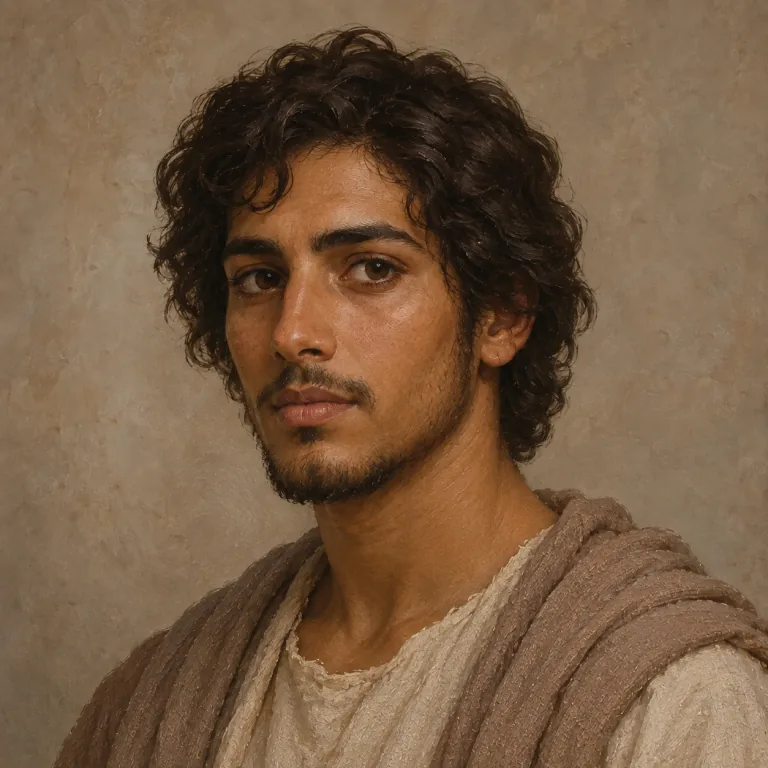
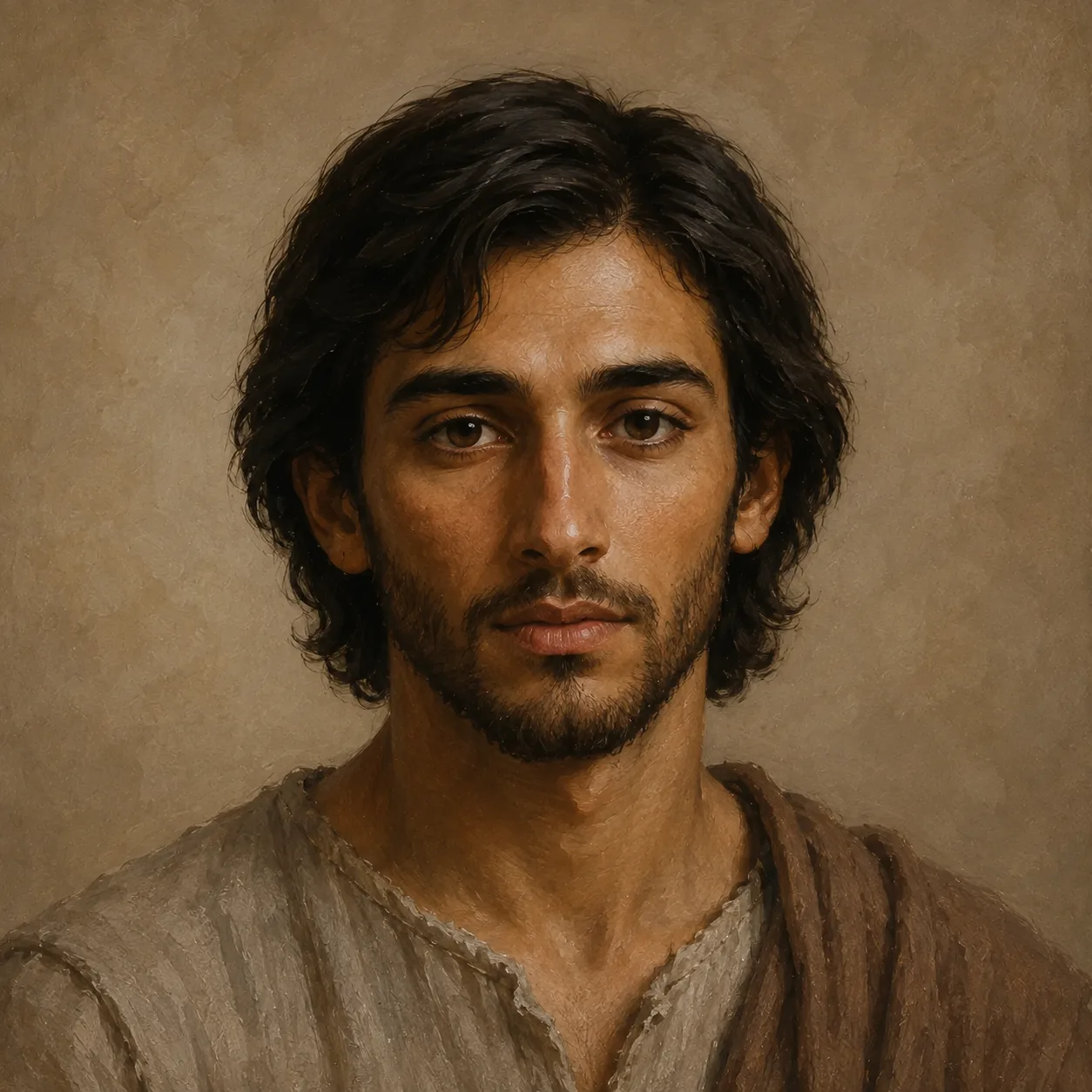
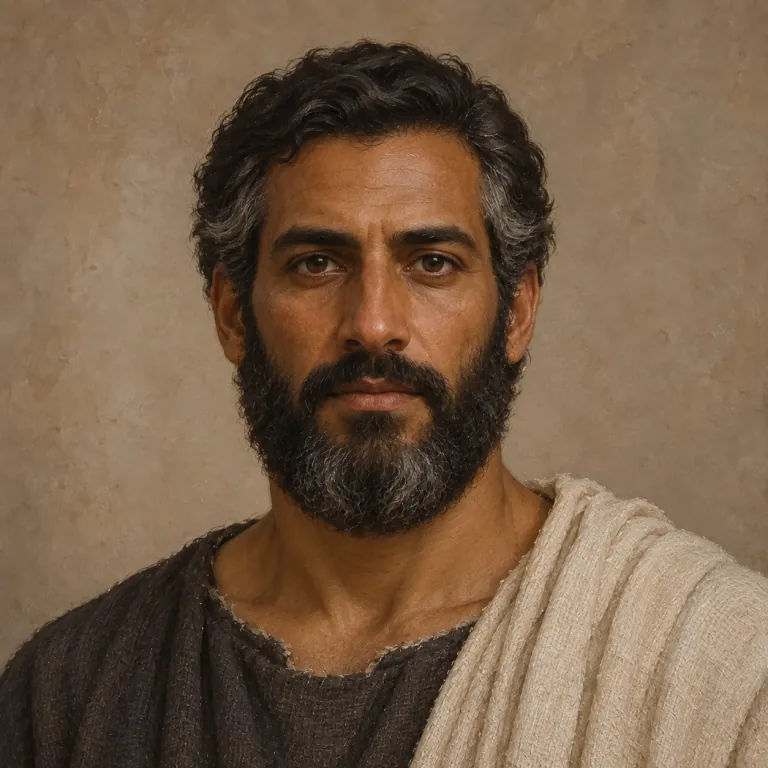
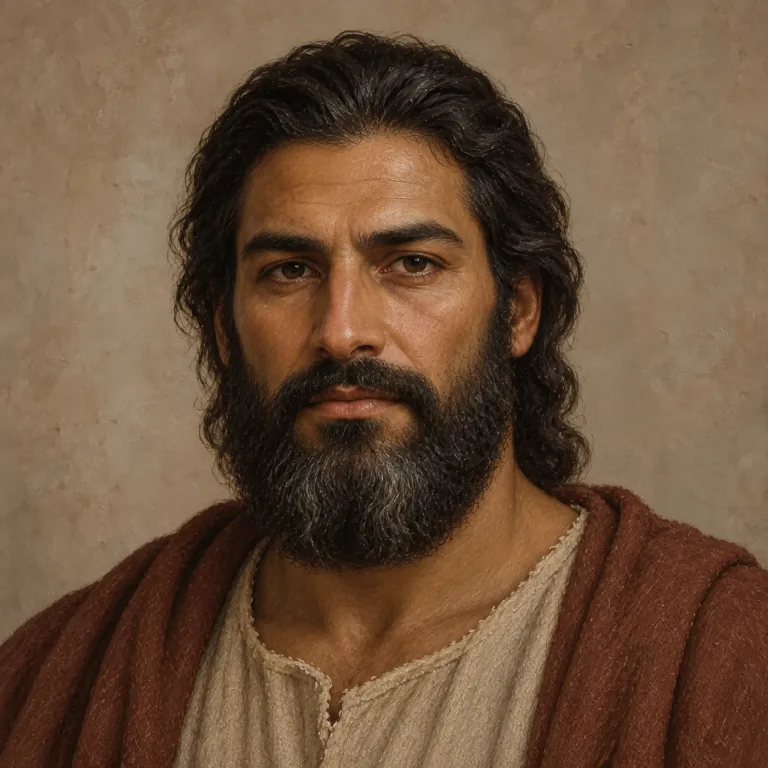
Also indexed here: