The Prophets · Old Testament
Jeremiah 52
Jeremiah 52: the fall of Jerusalem, the temple vessels and Jehoiachin's release
General context
Zedekiah begins to reign at twenty-one and reigns eleven years; his mother is Hamutal the daughter of Jeremiah of Libnah. He does evil as Jehoiakim did and rebels against the king of Babylon through the Lord's anger. In his ninth year, tenth month, tenth day, Nebuchadrezzar besieges Jerusalem; by the eleventh year, fourth month, ninth day, famine leaves no bread. The city is broken up, the men of war flee by night through the gate between the two walls, and the Chaldeans take Zedekiah in the plains of Jericho. At Riblah the king of Babylon kills his sons before his eyes and all the princes of Judah, blinds him, binds him in chains and holds him in prison till his death. In the fifth month, tenth day, of Nebuchadrezzar's nineteenth year, Nebuzar-adan burns the house of the Lord, the king's house and the rest, the army breaks the walls, and the people go captive, some of the poor left as vinedressers. The Chaldeans break the brass pillars, bases and sea, carrying the brass to Babylon with the caldrons, bowls and gold and silver vessels; one pillar stands eighteen cubits high with its chapiter. Seraiah the chief priest, Zephaniah the second priest, three doorkeepers, a eunuch, seven of the king's men, the scribe of the host and sixty men are killed at Riblah. Thus Judah is carried away captive, and three deportations are counted, four thousand six hundred persons in all. In the thirty-seventh year of Jehoiachin's captivity, Evil-merodach in his first year lifts him out of prison, seats him above the other kings, changes his prison garments and feeds him daily until his death.
Cited passages: Jeremiah 52:1, Jeremiah 52:2, Jeremiah 52:3, Jeremiah 52:4, Jeremiah 52:6, Jeremiah 52:7, Jeremiah 52:8, Jeremiah 52:10, Jeremiah 52:11, Jeremiah 52:12, Jeremiah 52:13, Jeremiah 52:14, Jeremiah 52:16, Jeremiah 52:17, Jeremiah 52:18, Jeremiah 52:21, Jeremiah 52:24, Jeremiah 52:25, Jeremiah 52:27, Jeremiah 52:30, Jeremiah 52:31, Jeremiah 52:32, Jeremiah 52:33, Jeremiah 52:34
Jeremiah 52 (KJV)
1Zedekiah was one and twenty years old when he began to reign, and he reigned eleven years in Jerusalem. And his mother’s name was Hamutal the daughter of Jeremiah of Libnah.
2And he did that which was evil in the eyes of the Lord, according to all that Jehoiakim had done.
3For through the anger of the Lord it came to pass in Jerusalem and Judah, till he had cast them out from his presence, that Zedekiah rebelled against the king of Babylon.
4And it came to pass in the ninth year of his reign, in the tenth month, in the tenth day of the month, that Nebuchadrezzar king of Babylon came, he and all his army, against Jerusalem, and pitched against it, and built forts against it round about.
5So the city was besieged unto the eleventh year of king Zedekiah.
6And in the fourth month, in the ninth day of the month, the famine was sore in the city, so that there was no bread for the people of the land.
7Then the city was broken up, and all the men of war fled, and went forth out of the city by night by the way of the gate between the two walls, which was by the king’s garden; (now the Chaldeans were by the city round about:) and they went by the way of the plain.
8But the army of the Chaldeans pursued after the king, and overtook Zedekiah in the plains of Jericho; and all his army was scattered from him.
9Then they took the king, and carried him up unto the king of Babylon to Riblah in the land of Hamath; where he gave judgment upon him.
10And the king of Babylon slew the sons of Zedekiah before his eyes: he slew also all the princes of Judah in Riblah.
11Then he put out the eyes of Zedekiah; and the king of Babylon bound him in chains, and carried him to Babylon, and put him in prison till the day of his death.
12Now in the fifth month, in the tenth day of the month, which was the nineteenth year of Nebuchadrezzar king of Babylon, came Nebuzar-adan, captain of the guard, which served the king of Babylon, into Jerusalem,
13And burned the house of the Lord, and the king’s house; and all the houses of Jerusalem, and all the houses of the great men, burned he with fire:
14And all the army of the Chaldeans, that were with the captain of the guard, brake down all the walls of Jerusalem round about.
15Then Nebuzar-adan the captain of the guard carried away captive certain of the poor of the people, and the residue of the people that remained in the city, and those that fell away, that fell to the king of Babylon, and the rest of the multitude.
16But Nebuzar-adan the captain of the guard left certain of the poor of the land for vinedressers and for husbandmen.
17Also the pillars of brass that were in the house of the Lord, and the bases, and the brasen sea that was in the house of the Lord, the Chaldeans brake, and carried all the brass of them to Babylon.
18The caldrons also, and the shovels, and the snuffers, and the bowls, and the spoons, and all the vessels of brass wherewith they ministered, took they away.
19And the basons, and the firepans, and the bowls, and the caldrons, and the candlesticks, and the spoons, and the cups; that which was of gold in gold, and that which was of silver in silver, took the captain of the guard away.
20The two pillars, one sea, and twelve brasen bulls that were under the bases, which king Solomon had made in the house of the Lord: the brass of all these vessels was without weight.
21And concerning the pillars, the height of one pillar was eighteen cubits; and a fillet of twelve cubits did compass it; and the thickness thereof was four fingers: it was hollow.
22And a chapiter of brass was upon it; and the height of one chapiter was five cubits, with network and pomegranates upon the chapiters round about, all of brass. The second pillar also and the pomegranates were like unto these.
23And there were ninety and six pomegranates on a side; and all the pomegranates upon the network were an hundred round about.
24And the captain of the guard took Seraiah the chief priest, and Zephaniah the second priest, and the three keepers of the door:
25He took also out of the city an eunuch, which had the charge of the men of war; and seven men of them that were near the king’s person, which were found in the city; and the principal scribe of the host, who mustered the people of the land; and threescore men of the people of the land, that were found in the midst of the city.
26So Nebuzar-adan the captain of the guard took them, and brought them to the king of Babylon to Riblah.
27And the king of Babylon smote them, and put them to death in Riblah in the land of Hamath. Thus Judah was carried away captive out of his own land.
28This is the people whom Nebuchadrezzar carried away captive: in the seventh year three thousand Jews and three and twenty:
29In the eighteenth year of Nebuchadrezzar he carried away captive from Jerusalem eight hundred thirty and two persons:
30In the three and twentieth year of Nebuchadrezzar Nebuzar-adan the captain of the guard carried away captive of the Jews seven hundred forty and five persons: all the persons were four thousand and six hundred.
31And it came to pass in the seven and thirtieth year of the captivity of Jehoiachin king of Judah, in the twelfth month, in the five and twentieth day of the month, that Evil-merodach king of Babylon in the first year of his reign lifted up the head of Jehoiachin king of Judah, and brought him forth out of prison,
32And spake kindly unto him, and set his throne above the throne of the kings that were with him in Babylon,
33And changed his prison garments: and he did continually eat bread before him all the days of his life.
34And for his diet, there was a continual diet given him of the king of Babylon, every day a portion until the day of his death, all the days of his life.
This page shows the King James Version. In the app, reading opens in the Berean Standard Bible unless you have chosen another translation. The reader includes five translations: the Berean Standard Bible (BSB), the King James Version (KJV), the World English Bible (WEB), the Bible in Basic English (BBE), and the American Standard Version (ASV). Search covers three of them: Berean Standard, King James, and World English. Basic English and American Standard readers search the King James words.
Historical context
The chapter follows "Thus far are the words of Jeremiah" and holds no oracle; the prophet is not in it, and the Jeremiah of Libnah in verse 1 is Hamutal's father, a namesake. Its wording runs close to the end of 2 Kings, with small differences in the day numbers. 2 Kings gives the seventh day of the fifth month for Nebuzar-adan's arrival and the twenty-seventh for Jehoiachin's release; this chapter prints the tenth and the twenty-fifth. Chapter 39 dates the siege to the ninth year and tenth month with no day, where this chapter adds the tenth; both give the ninth day of the fourth month for the breach. Chapter 39 says the king slew "all the nobles of Judah," here "all the princes of Judah." Zedekiah's end is prison till the day of his death, which neither confirms nor describes the peaceful death promised in chapter 34. The carrying off of the pillars, sea and bases matches the word of chapter 27 that they would go to Babylon. The counts by Nebuchadrezzar's seventh, eighteenth and twenty-third years appear only here. The king released at the end is called Jehoiachin king of Judah; the book elsewhere names Coniah and Jeconiah, sons of Jehoiakim, and never states that the three names are one man. Seraiah the chief priest and Zephaniah the second priest are given no fathers here; the text does not connect this Seraiah with Seraiah the son of Neriah of chapter 51, and the book earlier names Zephaniah the son of Maaseiah. Evil-merodach appears only here. Zedekiah and Jehoiachin are both carried to the day of their death in the same words, and neither death is narrated.
Cited passages: Jeremiah 51:64, Jeremiah 52:1, 2 Kings 24:18, 2 Kings 25:8, Jeremiah 52:12, 2 Kings 25:27, Jeremiah 52:31, Jeremiah 39:6, Jeremiah 52:10, Jeremiah 52:11, Jeremiah 34:5, Jeremiah 27:22, Jeremiah 52:17, Jeremiah 52:28, Jeremiah 37:1, Jeremiah 28:4, Jeremiah 52:24, Jeremiah 51:59, Jeremiah 37:3, Jeremiah 52:34
Literary context
The last chapter is record and inventory rather than speech. Dates to the day mark each stage, the siege begun, the city breached, the temple burned, the king released, and the narrator moves through them in short declarative sentences. Lists take the place of oracles: brass and gold vessels, the pillars measured to the finger and counted to the pomegranate, the officials taken to Riblah, and the persons deported in three numbered groups. The chapter quietly closes threads the book opened: Zedekiah's eyes behold the king of Babylon's eyes as chapters 32 and 34 said, the bread runs out as chapter 38 feared, and the pillars and sea go to Babylon as chapter 27 announced. The summary "Thus Judah was carried away captive out of his own land" is the narrator's one sentence of verdict. The book then ends not with Jerusalem but with a king in Babylon, and the day of his death is named twice, once for Zedekiah in prison and once for Jehoiachin at the king's table, so the two last kings of Judah are set side by side by the same words with opposite conditions.
Cited passages: Jeremiah 52:4, Jeremiah 52:6, Jeremiah 52:12, Jeremiah 52:31, Jeremiah 52:19, Jeremiah 52:23, Jeremiah 52:25, Jeremiah 52:29, Jeremiah 52:11, Jeremiah 32:4, Jeremiah 34:3, Jeremiah 38:9, Jeremiah 27:19, Jeremiah 52:17, Jeremiah 52:27, Jeremiah 52:34, Jeremiah 52:33
Key moments
- No bread in the city (Jeremiah 52:6). After a long siege the famine leaves no bread for the people.
- The city broken up (Jeremiah 52:7). The men of war flee by night through the gate between the two walls.
- Zedekiah blinded (Jeremiah 52:11). After his sons are killed before him, Zedekiah is blinded and imprisoned for life.
- The house of the Lord burned (Jeremiah 52:13). Nebuzar-adan burns the temple, the palace and every house in Jerusalem.
- The brass carried to Babylon (Jeremiah 52:17). The pillars, bases and sea are broken and their brass taken.
- Judah carried away (Jeremiah 52:27). After the killings at Riblah the narrator states that Judah is gone from its land.
- Jehoiachin lifted from prison (Jeremiah 52:31). Evil-merodach frees Jehoiachin and seats him above the other kings.
For reflection
The book ends with two kings and the same closing note, the day of his death. Zedekiah is in a Babylonian prison and Jehoiachin at a Babylonian table. What is a reader to make of a book that closes on that pairing rather than on Jerusalem?
People in this chapter
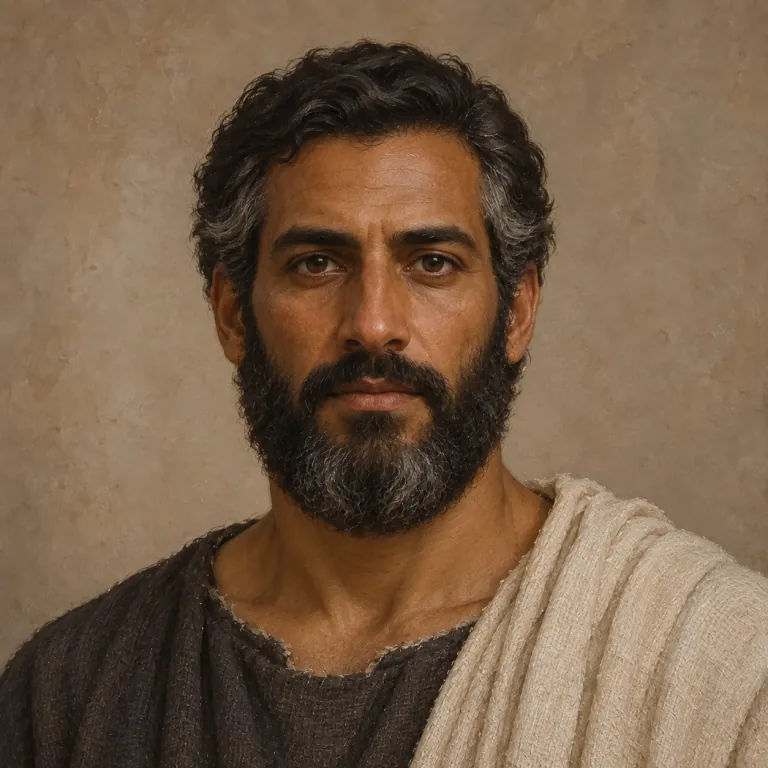
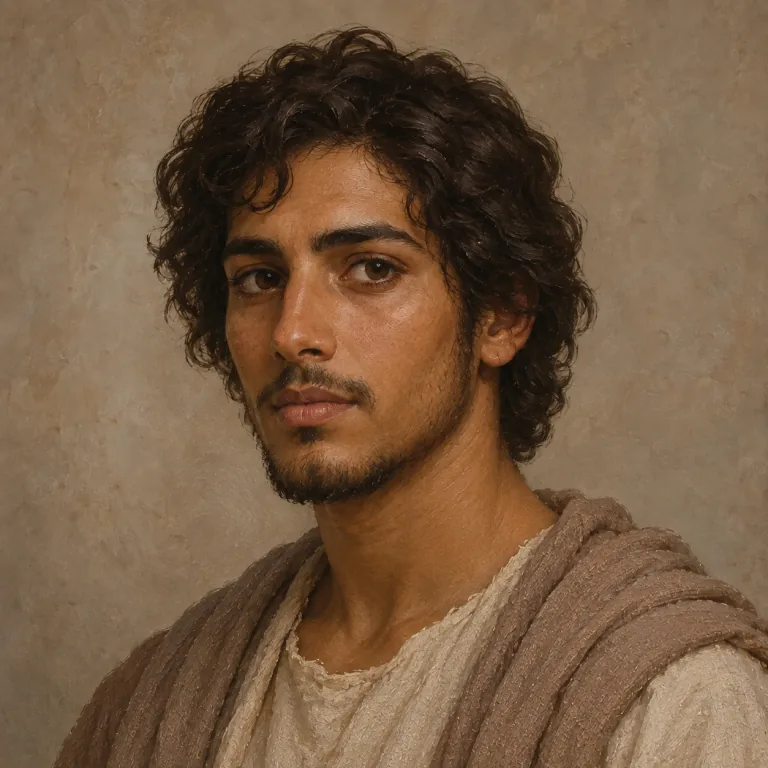
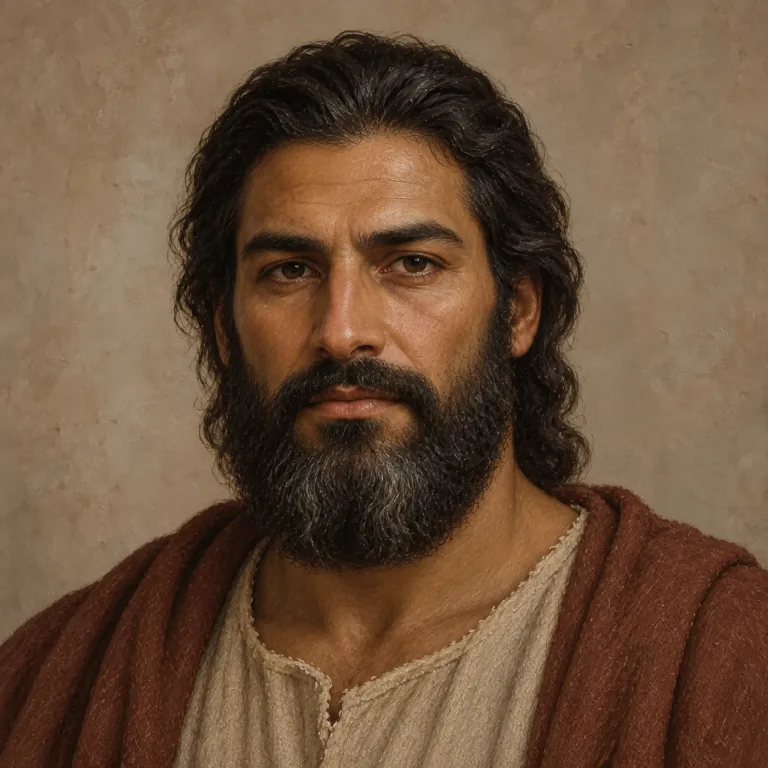
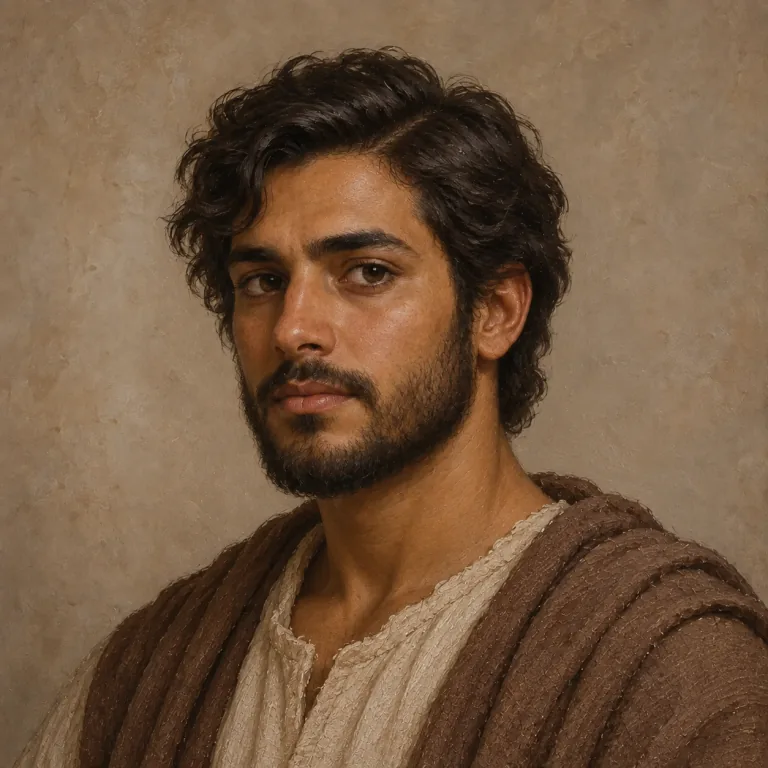
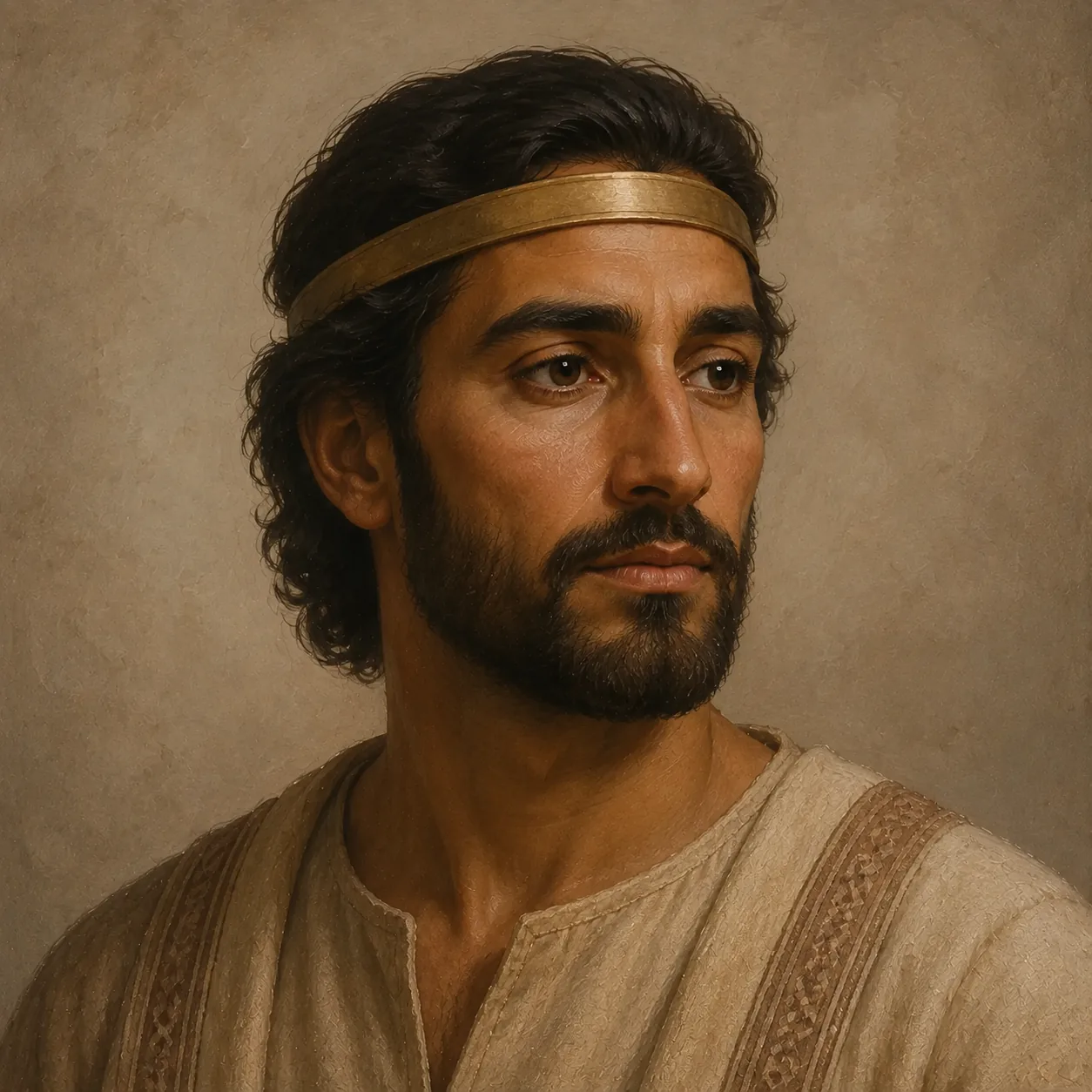
Also indexed here:
- Nebuzaradan
- Evil-merodach
- Hamutal
- Jehoiachin
- Jeremiah
- Seraiah
- Zephaniah