Person in the Old and New Testaments
Jeremiah
Jeremiah: the priest's son of Anathoth sent to root out and to plant
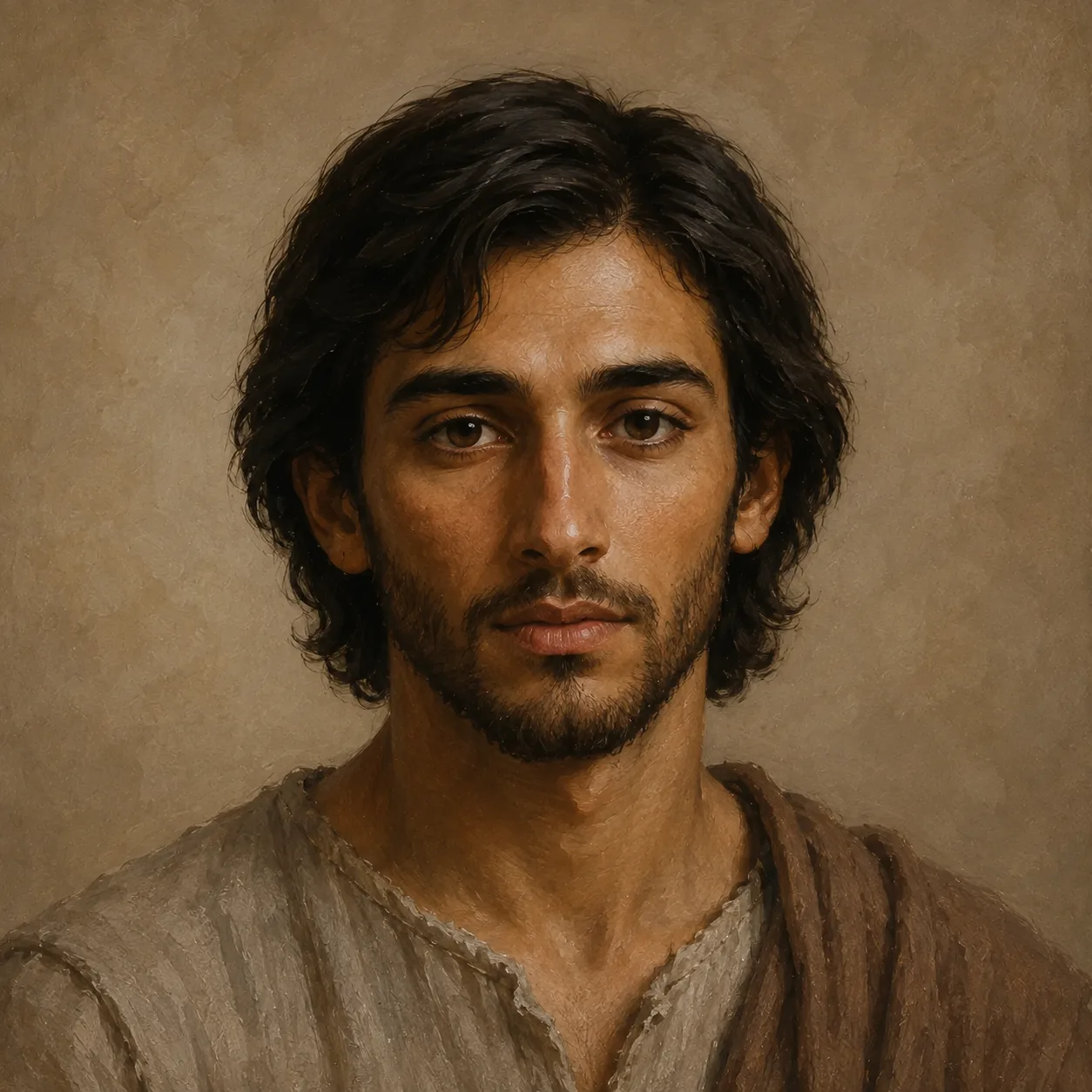
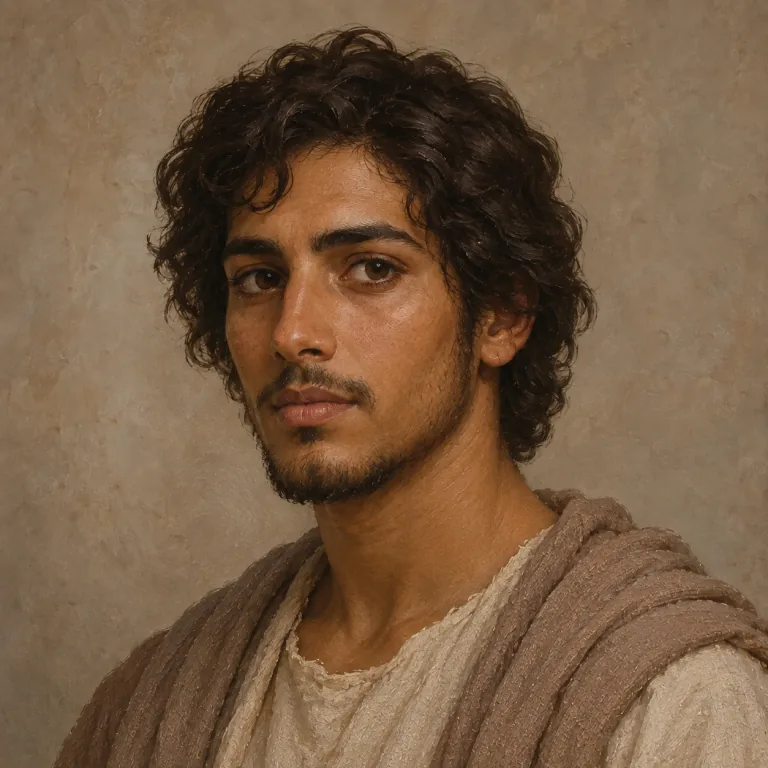
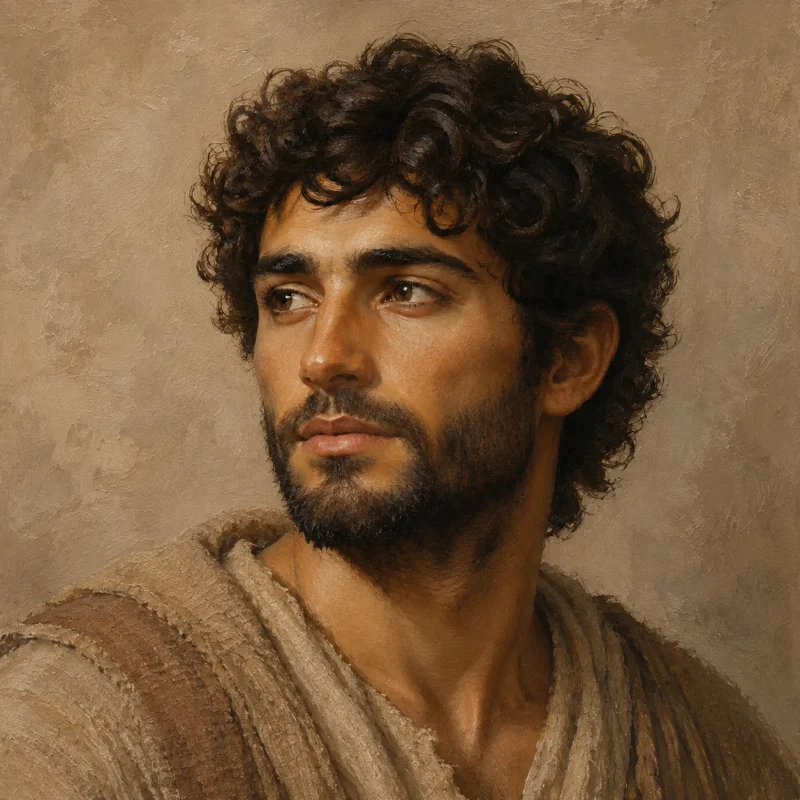
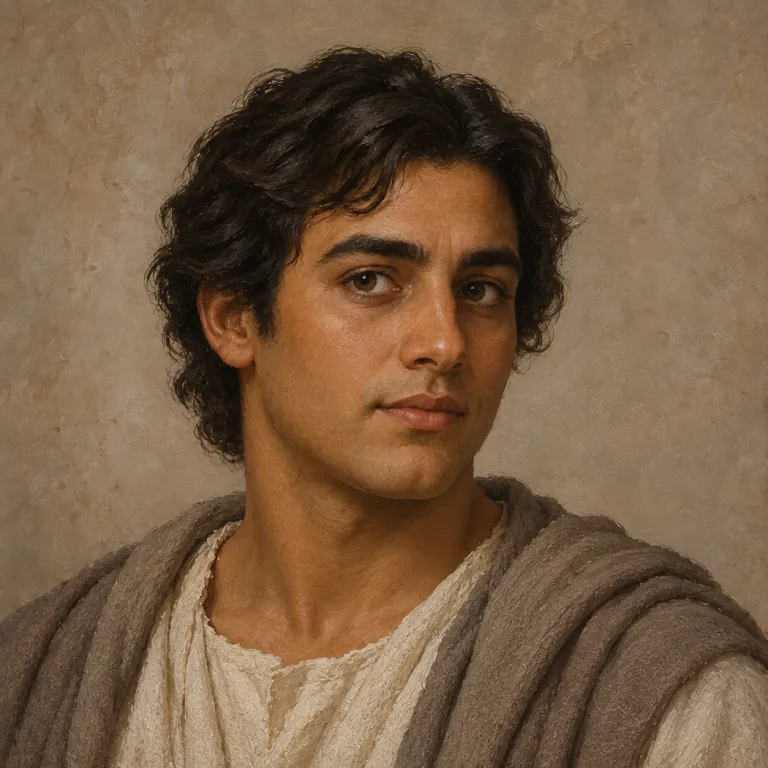
Portrait: an AI-generated artistic interpretation, not evidence of how Jeremiah looked.
Who Jeremiah is
The book opens with the words of Jeremiah the son of Hilkiah, of the priests in Anathoth in the land of Benjamin, and dates his word from the thirteenth year of Josiah to the carrying away of Jerusalem. He answers that he cannot speak because he is a child; the Lord touches his mouth and sets him over nations and kingdoms to root out and to plant. He is told to take no wife. He hides a linen girdle by Euphrates and finds it marred, goes down to the potter’s house, is told to break a potter’s bottle before witnesses, and wears bonds and yokes on his neck. Pashur the priest smites him and puts him in the stocks. The priests, the prophets and the people take him in the house of the Lord and say he must die, and the hand of Ahikam keeps him from them. Hananiah breaks the yoke from his neck, and Jeremiah tells him the Lord has not sent him. He sends a letter to the captives in Babylon. Shut up in the court of the prison, he buys the field of his uncle’s son at Anathoth and gives the deed to Baruch, who also writes his words in a roll; the king burns the roll and Jeremiah gives Baruch another. He is taken at the gate of Benjamin, beaten, held in the house of Jonathan the scribe, let down into a dungeon of mire and drawn up with cords. Nebuchadrezzar charges Nebuzar-adan to do him no harm; he is loosed and goes to Gedaliah at Mizpah. The captains carry him into Egypt, where he answers the people about the queen of heaven, and he sends a book to Babylon by the hand of Seraiah. The text does not narrate his death.
Cited passages: Jeremiah 1:1, Jeremiah 1:2, Jeremiah 1:3, Jeremiah 1:6, Jeremiah 1:9, Jeremiah 1:10, Jeremiah 16:2, Jeremiah 13:1, Jeremiah 13:7, Jeremiah 18:2, Jeremiah 19:10, Jeremiah 27:2, Jeremiah 20:2, Jeremiah 26:8, Jeremiah 26:24, Jeremiah 28:10, Jeremiah 28:15, Jeremiah 29:1, Jeremiah 32:2, Jeremiah 32:9, Jeremiah 32:12, Jeremiah 36:4, Jeremiah 36:32, Jeremiah 37:15, Jeremiah 38:6, Jeremiah 38:13, Jeremiah 39:12, Jeremiah 40:6, Jeremiah 43:6, Jeremiah 44:20, Jeremiah 51:59
Historical setting
The book names his father as Hilkiah and puts him among the priests of Anathoth in Benjamin; it says nothing else of that family, and it never narrates his death. His word is dated by reigns, from the thirteenth year of Josiah to the eleventh year of Zedekiah and the carrying away in the fifth month. Two other men share the name and are not him: Jeremiah of Libnah, whose daughter Hamutal was Zedekiah’s mother, and the Jeremiah whose son Jaazaniah stood with the Rechabites. The men of Anathoth are quoted telling him to prophesy no more in the name of the Lord, and he is told that his own brethren dealt treacherously with him. He is forbidden a wife and children in that place. Outside the book, 2 Chronicles says he lamented for Josiah and that Zedekiah did not humble himself before Jeremiah the prophet, and it ties the land’s desolation to the word of the Lord by his mouth. The same book and Ezra date the proclamation of Cyrus to the fulfilling of that word, and Daniel says he understood by books the number of the years. Matthew twice says something was fulfilled that was spoken by Jeremy the prophet, and once reports Jeremias among the answers men gave when Jesus asked who the Son of man was. The label often attached to him, the weeping prophet, is a later epithet and appears in none of these verses.
Cited passages: Jeremiah 1:1, Jeremiah 1:3, Jeremiah 52:1, Jeremiah 35:3, Jeremiah 11:21, Jeremiah 12:6, Jeremiah 16:2, 2 Chronicles 35:25, 2 Chronicles 36:12, 2 Chronicles 36:21, 2 Chronicles 36:22, Ezra 1:1, Daniel 9:2, Matthew 2:17, Matthew 27:9, Matthew 16:13, Matthew 16:14
How the story is told
The passages move between narrative about him and speech from him, and both are kept in the same book. His call is a short exchange, an objection answered by a touch on the mouth and a list of six verbs that the rest of the book works out. He is given things to do as often as things to say: a girdle marred by the river, a bottle broken before witnesses, yokes worn on the neck, a field bought inside a siege, great stones hidden in clay, a book weighted with a stone. Between those scenes stand complaints in his own voice. He calls himself a lamb brought to the slaughter, asks why the way of the wicked prospers, says the Lord deceived him, and curses the day he was born, and he also says the word was a burning fire shut up in his bones that he could not hold in. The narrative keeps one pattern. He speaks, he is seized, and someone steps in: Ahikam, the princes who tell him to hide, Ebed-melech with cords, Nebuzar-adan with a charge from the king of Babylon. After the siege begins he is nearly always in custody or in someone else’s hands, and the last narrated move is not his own, since the captains take him to the country he told them not to enter.
Cited passages: Jeremiah 1:6, Jeremiah 1:9, Jeremiah 1:10, Jeremiah 13:7, Jeremiah 19:11, Jeremiah 27:2, Jeremiah 32:9, Jeremiah 43:9, Jeremiah 51:63, Jeremiah 11:19, Jeremiah 12:1, Jeremiah 20:7, Jeremiah 20:14, Jeremiah 20:9, Jeremiah 26:24, Jeremiah 36:19, Jeremiah 38:13, Jeremiah 39:11, Jeremiah 38:28, Jeremiah 43:5
Story moments
- The mouth touched (Jeremiah 1:9). The Lord touches Jeremiah's mouth and says he has put his words there.
- Beaten and in the stocks (Jeremiah 20:2). Pashur the priest smites Jeremiah and puts him in the stocks at the high gate of Benjamin.
- Seized in the temple (Jeremiah 26:8). The priests, prophets and people take him and say he must die for what he prophesied.
- A field bought in a siege (Jeremiah 32:9). Shut in the court of the prison, he buys the field of his uncle's son at Anathoth and weighs out the silver.
- The roll written again (Jeremiah 36:32). After the king burns the roll, Jeremiah gives Baruch another and more words are added.
- Let down into the mire (Jeremiah 38:6). He is lowered by cords into a dungeon with no water but mire.
- Carried into Egypt (Jeremiah 43:6). The captains take him and Baruch with the remnant into the land he told them not to enter.
Key passages
2 Chronicles 35:25
And Jeremiah lamented for Josiah: and all the singing men and the singing women spake of Josiah in their lamentations to this day, and made them an ordinance in Israel: and, behold, they are written in the lamentations.
2 Chronicles 36:12
And he did that which was evil in the sight of the Lord his God, and humbled not himself before Jeremiah the prophet speaking from the mouth of the Lord.
2 Chronicles 36:21
To fulfil the word of the Lord by the mouth of Jeremiah, until the land had enjoyed her sabbaths: for as long as she lay desolate she kept sabbath, to fulfil threescore and ten years.
2 Chronicles 36:22
Now in the first year of Cyrus king of Persia, that the word of the Lord spoken by the mouth of Jeremiah might be accomplished, the Lord stirred up the spirit of Cyrus king of Persia, that he made a proclamation throughout all his kingdom, and put it also in writing, saying,
Ezra 1:1
Now in the first year of Cyrus king of Persia, that the word of the Lord by the mouth of Jeremiah might be fulfilled, the Lord stirred up the spirit of Cyrus king of Persia, that he made a proclamation throughout all his kingdom, and put it also in writing, saying,
Jeremiah 1:1
The words of Jeremiah the son of Hilkiah, of the priests that were in Anathoth in the land of Benjamin:
King James Version. 124 indexed passages in total.
For reflection
Jeremiah says he decided not to speak in the Lord's name again, and that the word became a fire shut up in his bones until he could not hold it in. What would it take to carry a message you have already tried to put down?
Books Jeremiah appears in
Related people
Names and references are adapted from STEPBible TIPNR. A person listed with a verse is named or indexed there; it does not mean they wrote or spoke it.