The Histories · Old Testament
Esther 2
Esther 2: Esther made queen and Mordecai's report of a plot
General context
When the king's wrath is appeased he remembers Vashti and what was decreed against her. His servants propose gathering fair young virgins to Shushan under Hege the king's chamberlain so that the maiden who pleases the king may be queen instead of Vashti, and the king agrees. The narrator introduces Mordecai, a Jew in Shushan, son of Jair, son of Shimei, son of Kish, a Benjamite, linked with the captivity carried from Jerusalem with Jeconiah king of Judah. He has brought up Hadassah, that is Esther, his uncle's orphaned daughter, as his own daughter. Esther is brought to the king's house under Hegai, pleases him, and receives seven maidens and the best place in the house of the women. She does not reveal her people or kindred because Mordecai has charged her not to, and he walks daily before the court to learn how she does. After twelve months of purification each maiden goes to the king and returns to the second house under Shaashgaz. Esther asks for nothing beyond what Hegai appoints and obtains favour from all who see her. In the tenth month of the king's seventh year she is taken to the king, who loves her above all the women, crowns her queen instead of Vashti, and holds a feast with a release and gifts. Mordecai sits in the king's gate, and Esther still keeps her kindred hidden. Two chamberlains, Bigthan and Teresh, seek to lay hand on the king; Mordecai learns of it and tells Esther, who tells the king in Mordecai's name. The matter is found out, both men are hanged on a tree, and it is written in the book of the chronicles before the king.
Cited passages: Esther 2:1, Esther 2:2, Esther 2:3, Esther 2:4, Esther 2:5, Esther 2:6, Esther 2:7, Esther 2:8, Esther 2:9, Esther 2:10, Esther 2:11, Esther 2:12, Esther 2:13, Esther 2:14, Esther 2:15, Esther 2:16, Esther 2:17, Esther 2:18, Esther 2:19, Esther 2:20, Esther 2:21, Esther 2:22, Esther 2:23
Esther 2 (KJV)
1After these things, when the wrath of king Ahasuerus was appeased, he remembered Vashti, and what she had done, and what was decreed against her.
2Then said the king’s servants that ministered unto him, Let there be fair young virgins sought for the king:
3And let the king appoint officers in all the provinces of his kingdom, that they may gather together all the fair young virgins unto Shushan the palace, to the house of the women, unto the custody of Hege the king’s chamberlain, keeper of the women; and let their things for purification be given them:
4And let the maiden which pleaseth the king be queen instead of Vashti. And the thing pleased the king; and he did so.
5Now in Shushan the palace there was a certain Jew, whose name was Mordecai, the son of Jair, the son of Shimei, the son of Kish, a Benjamite;
6Who had been carried away from Jerusalem with the captivity which had been carried away with Jeconiah king of Judah, whom Nebuchadnezzar the king of Babylon had carried away.
7And he brought up Hadassah, that is, Esther, his uncle’s daughter: for she had neither father nor mother, and the maid was fair and beautiful; whom Mordecai, when her father and mother were dead, took for his own daughter.
8So it came to pass, when the king’s commandment and his decree was heard, and when many maidens were gathered together unto Shushan the palace, to the custody of Hegai, that Esther was brought also unto the king’s house, to the custody of Hegai, keeper of the women.
9And the maiden pleased him, and she obtained kindness of him; and he speedily gave her her things for purification, with such things as belonged to her, and seven maidens, which were meet to be given her, out of the king’s house: and he preferred her and her maids unto the best place of the house of the women.
10Esther had not shewed her people nor her kindred: for Mordecai had charged her that she should not shew it.
11And Mordecai walked every day before the court of the women’s house, to know how Esther did, and what should become of her.
12Now when every maid’s turn was come to go in to king Ahasuerus, after that she had been twelve months, according to the manner of the women, (for so were the days of their purifications accomplished, to wit, six months with oil of myrrh, and six months with sweet odours, and with other things for the purifying of the women;)
13Then thus came every maiden unto the king; whatsoever she desired was given her to go with her out of the house of the women unto the king’s house.
14In the evening she went, and on the morrow she returned into the second house of the women, to the custody of Shaashgaz, the king’s chamberlain, which kept the concubines: she came in unto the king no more, except the king delighted in her, and that she were called by name.
15Now when the turn of Esther, the daughter of Abihail the uncle of Mordecai, who had taken her for his daughter, was come to go in unto the king, she required nothing but what Hegai the king’s chamberlain, the keeper of the women, appointed. And Esther obtained favour in the sight of all them that looked upon her.
16So Esther was taken unto king Ahasuerus into his house royal in the tenth month, which is the month Tebeth, in the seventh year of his reign.
17And the king loved Esther above all the women, and she obtained grace and favour in his sight more than all the virgins; so that he set the royal crown upon her head, and made her queen instead of Vashti.
18Then the king made a great feast unto all his princes and his servants, even Esther’s feast; and he made a release to the provinces, and gave gifts, according to the state of the king.
19And when the virgins were gathered together the second time, then Mordecai sat in the king’s gate.
20Esther had not yet shewed her kindred nor her people; as Mordecai had charged her: for Esther did the commandment of Mordecai, like as when she was brought up with him.
21In those days, while Mordecai sat in the king’s gate, two of the king’s chamberlains, Bigthan and Teresh, of those which kept the door, were wroth, and sought to lay hand on the king Ahasuerus.
22And the thing was known to Mordecai, who told it unto Esther the queen; and Esther certified the king thereof in Mordecai’s name.
23And when inquisition was made of the matter, it was found out; therefore they were both hanged on a tree: and it was written in the book of the chronicles before the king.
This page shows the King James Version. In the app, reading opens in the Berean Standard Bible unless you have chosen another translation. The reader includes five translations: the Berean Standard Bible (BSB), the King James Version (KJV), the World English Bible (WEB), the Bible in Basic English (BBE), and the American Standard Version (ASV). Search covers three of them: Berean Standard, King James, and World English. Basic English and American Standard readers search the King James words.
Historical context
Mordecai's line is given as Jair, Shimei and Kish, and he is called a Benjamite. The relative clause that follows speaks of one who had been carried away from Jerusalem with Jeconiah king of Judah, whom Nebuchadnezzar carried away; the text attaches this to the genealogy without saying how the captivity relates to the timing of Mordecai's own life, and the book offers no calculation. Esther carries two names, Hadassah and Esther. She is Mordecai's uncle's daughter and later the daughter of Abihail the uncle of Mordecai, so the two are cousins, and Mordecai took her for his own daughter after her parents died. The keeper of the women is spelled Hege in verse 3 and Hegai afterward. The narrator states twice that Esther did not reveal her people or kindred, and gives Mordecai's charge as the only reason. Esther goes to the king in the tenth month, Tebeth, in the seventh year of the reign, four years after the feast of the third year. The narrator says the king loved Esther above all the women; the text does not describe her own view of the process. Mordecai sits in the king's gate, and the text does not explain what position that is. The two chamberlains are named Bigthan and Teresh here and Bigthana and Teresh when the record is read later. Their hanging on a tree and the entry in the book of the chronicles are stated plainly, and the later chapter says that nothing had been done for Mordecai in return.
Cited passages: Esther 2:5, Esther 2:6, Esther 2:7, Esther 2:15, Esther 2:3, Esther 2:8, Esther 2:10, Esther 2:20, Esther 2:16, Esther 1:3, Esther 2:17, Esther 2:19, Esther 2:21, Esther 6:2, Esther 2:23, Esther 6:3
Literary context
The servants' proposal in verses 2 to 4 is carried out step by step in the rest of the chapter, and the narrator interrupts the sequence to introduce Mordecai and Esther before the gathering begins. The phrase queen instead of Vashti opens and closes the search, so the removed queen remains the measure of the new one. Esther is said to obtain kindness or favour three times, from Hegai, from all who look on her, and from the king, and the narrator sets her asking for nothing against the other maidens, who take whatever they desire. Her hidden identity is stated twice in nearly the same wording, and Mordecai's daily walk before the court and later seat in the gate keep him present without explaining the concealment. The king's feast, release and gifts are given according to the state of the king, the same phrase used of the royal wine in the first chapter. The closing plot looks detached from the story of the queen, but it ends in a written record before the king, which is what the sleepless king has read to him later. Two men hanged on a tree is the first appearance of a punishment that recurs through the book.
Cited passages: Esther 2:2, Esther 2:4, Esther 2:5, Esther 2:17, Esther 2:9, Esther 2:15, Esther 2:13, Esther 2:10, Esther 2:20, Esther 2:11, Esther 2:18, Esther 1:7, Esther 2:23, Esther 6:1
Key moments
- A new queen to be sought (Esther 2:4). The king agrees to gather maidens so that one may be queen instead of Vashti.
- Mordecai raises Esther (Esther 2:7). Mordecai has taken his orphaned cousin Hadassah, that is Esther, as his daughter.
- Esther hides her kindred (Esther 2:10). Esther does not reveal her people because Mordecai has charged her not to.
- Esther crowned queen (Esther 2:17). The king loves Esther above all the women and makes her queen instead of Vashti.
- Mordecai reports a plot (Esther 2:22). Mordecai learns of the chamberlains' plot and Esther tells the king in his name.
- Recorded in the chronicles (Esther 2:23). The two men are hanged and the matter is written in the book of the chronicles.
For reflection
The narrator twice says Esther did not reveal her people, and gives no reason beyond Mordecai's charge. What does the chapter leave open by declining to explain that silence?
People in this chapter
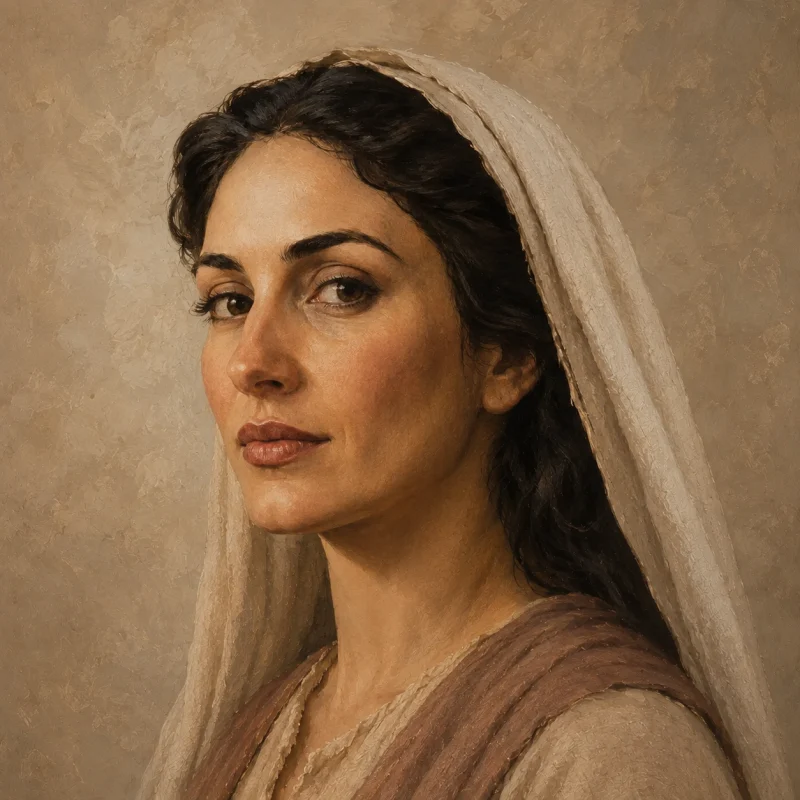
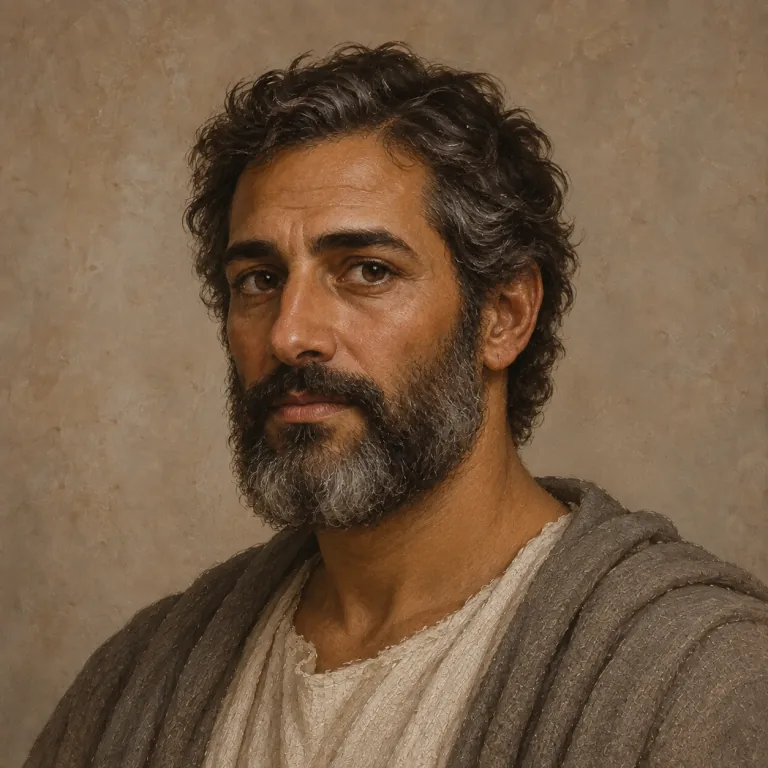
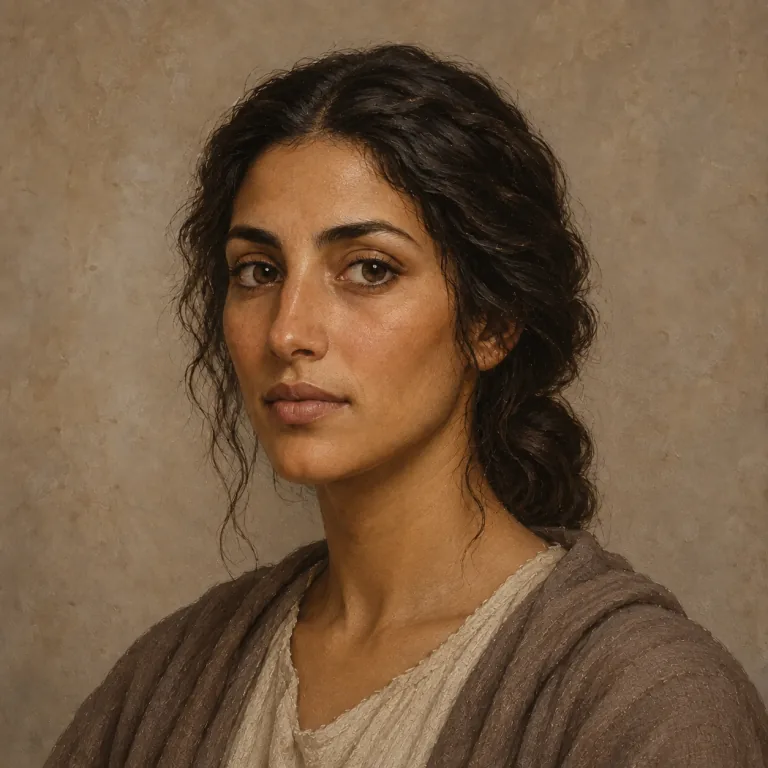
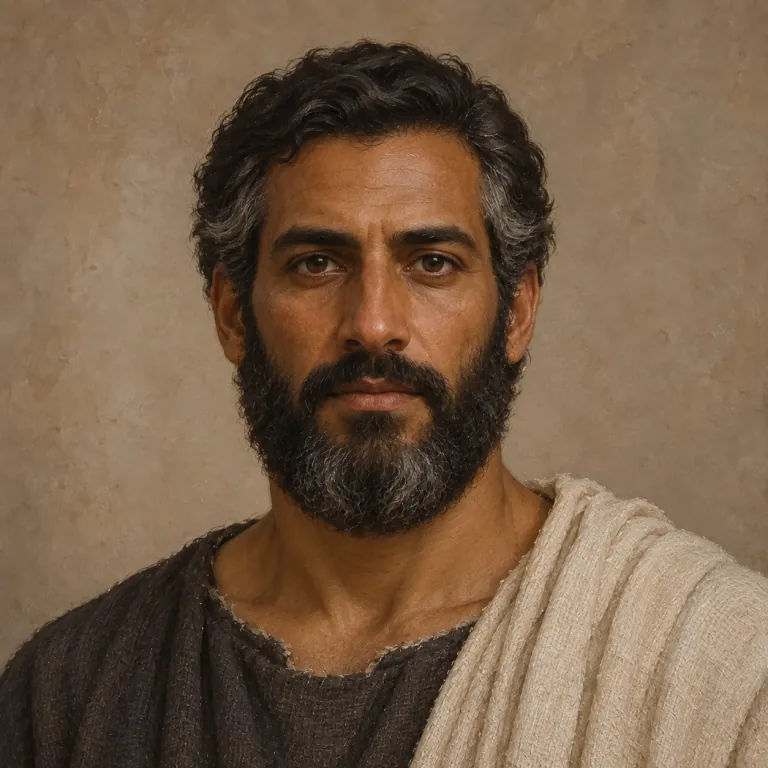
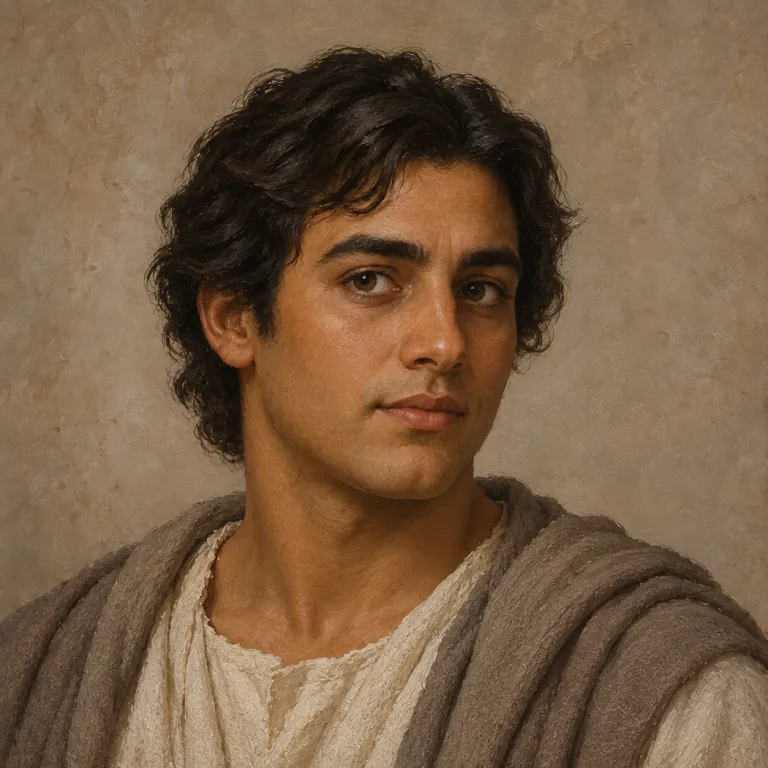
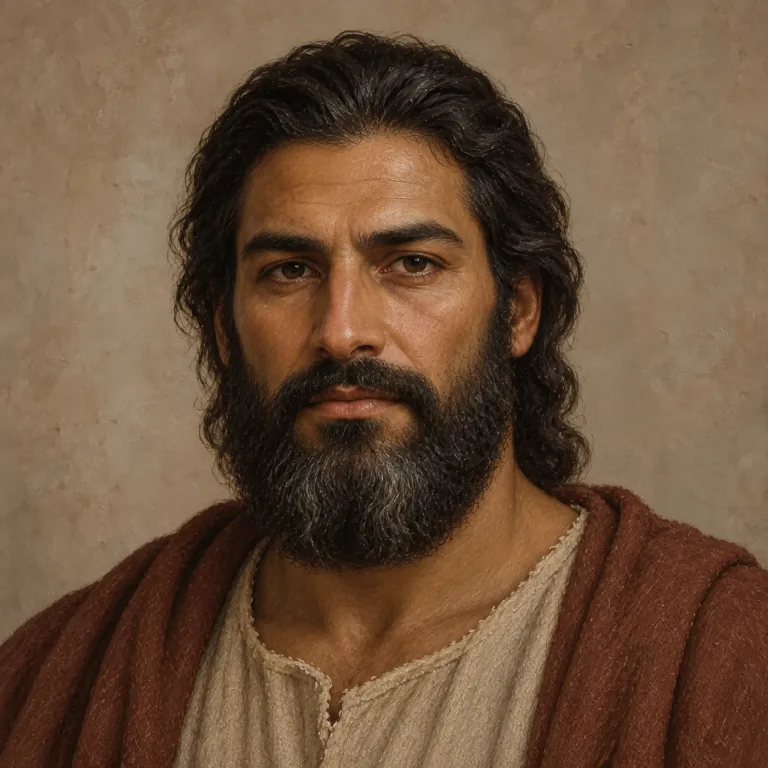
Also indexed here:
- Ahasuerus
- Hegai
- Abihail
- Bigthan
- Jair
- Jehoiachin
- Kish
- Shaashgaz
- Shimei
- Teresh