Person in the Old and New Testaments
Solomon
Solomon: wisdom, the temple and divided loyalty
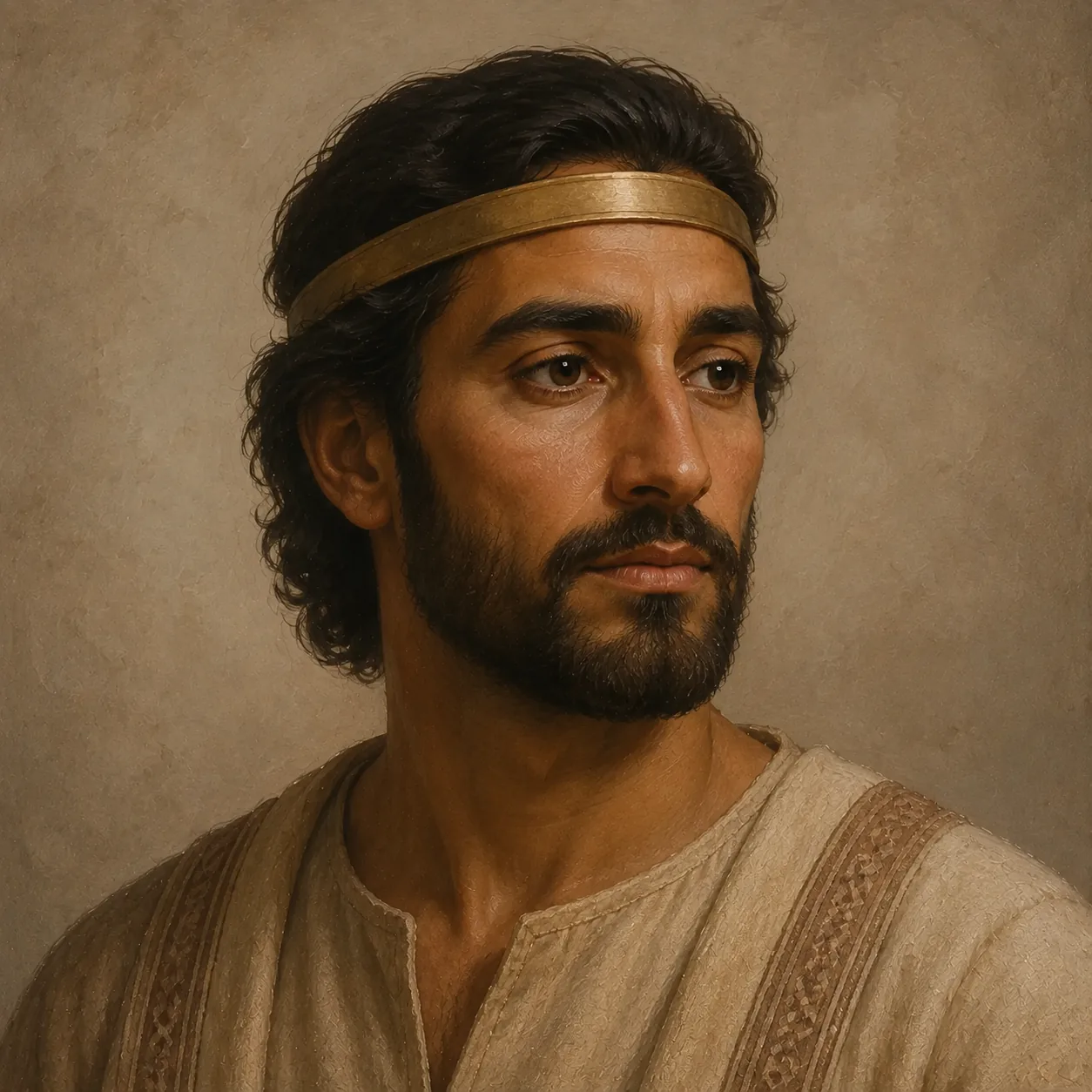
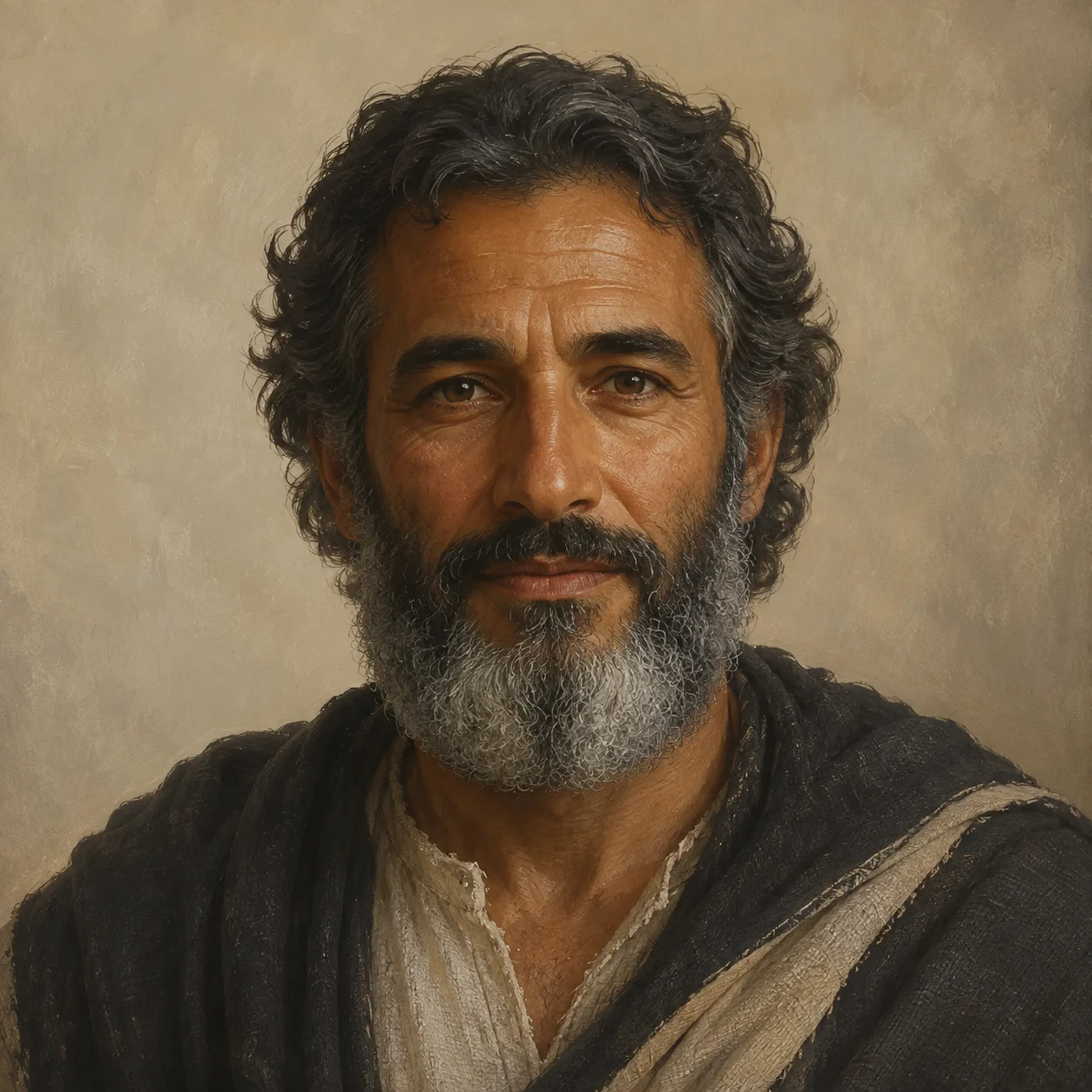
Portrait: an AI-generated artistic interpretation, not evidence of how Solomon looked.
Who Solomon is
Solomon is David and Bathsheba's son, born after the death of their earlier child; he also receives the name Jedidiah through Nathan. David confirms him as successor during Adonijah's attempt to take the throne. Solomon orders the deaths of Adonijah, Joab and Shimei and removes Abiathar from the priesthood. He asks for understanding to judge the people, receives wisdom and wealth, and builds and dedicates the Lord's temple in Jerusalem. The queen of Sheba comes to test his wisdom. In old age he follows other gods, and the Lord announces that much of the kingdom will be taken from his son. After forty years of rule, Solomon dies and Rehoboam succeeds him.
Cited passages: 2 Samuel 12:18, 2 Samuel 12:19, 2 Samuel 12:20, 2 Samuel 12:21, 2 Samuel 12:22, 2 Samuel 12:23, 2 Samuel 12:24, 2 Samuel 12:25, 1 Kings 1:28, 1 Kings 1:29, 1 Kings 1:30, 1 Kings 1:31, 1 Kings 1:32, 1 Kings 1:33, 1 Kings 1:34, 1 Kings 1:35, 1 Kings 1:36, 1 Kings 1:37, 1 Kings 1:38, 1 Kings 1:39, 1 Kings 2:22, 1 Kings 2:23, 1 Kings 2:24, 1 Kings 2:25, 1 Kings 2:26, 1 Kings 2:27, 1 Kings 2:28, 1 Kings 2:29, 1 Kings 2:30, 1 Kings 2:31, 1 Kings 2:32, 1 Kings 2:33, 1 Kings 2:34, 1 Kings 2:35, 1 Kings 2:44, 1 Kings 2:45, 1 Kings 2:46, 1 Kings 3:5, 1 Kings 3:6, 1 Kings 3:7, 1 Kings 3:8, 1 Kings 3:9, 1 Kings 3:10, 1 Kings 3:11, 1 Kings 3:12, 1 Kings 3:13, 1 Kings 3:14, 1 Kings 8:20, 1 Kings 8:21, 1 Kings 8:22, 1 Kings 8:63, 1 Kings 10:1, 1 Kings 10:2, 1 Kings 10:3, 1 Kings 10:4, 1 Kings 10:5, 1 Kings 10:6, 1 Kings 10:7, 1 Kings 10:8, 1 Kings 10:9, 1 Kings 11:1, 1 Kings 11:2, 1 Kings 11:3, 1 Kings 11:4, 1 Kings 11:5, 1 Kings 11:6, 1 Kings 11:7, 1 Kings 11:8, 1 Kings 11:9, 1 Kings 11:10, 1 Kings 11:11, 1 Kings 11:12, 1 Kings 11:13, 1 Kings 11:42, 1 Kings 11:43
Historical setting
Royal prosperity has an administrative cost in the account: twelve district officers supply the palace, and a levy of thirty thousand men serves in Lebanon by monthly rotations. First Kings credits Solomon with three thousand proverbs and a thousand and five songs; this notice alone does not identify every later writing associated with his name. The queen of Sheba is unnamed here, and the account does not describe a marriage or child between her and Solomon. The reign is recorded as forty years, but his description of himself as a little child does not state his age at accession.
Cited passages: 1 Kings 4:7, 1 Kings 4:22, 1 Kings 4:23, 1 Kings 4:24, 1 Kings 4:25, 1 Kings 4:26, 1 Kings 4:27, 1 Kings 4:28, 1 Kings 5:13, 1 Kings 5:14, 1 Kings 4:29, 1 Kings 4:30, 1 Kings 4:31, 1 Kings 4:32, 1 Kings 4:33, 1 Kings 4:34, 1 Kings 10:1, 1 Kings 10:2, 1 Kings 10:3, 1 Kings 10:4, 1 Kings 10:5, 1 Kings 10:6, 1 Kings 10:7, 1 Kings 10:8, 1 Kings 10:9, 1 Kings 10:10, 1 Kings 10:11, 1 Kings 10:12, 1 Kings 10:13, 1 Kings 11:42, 1 Kings 3:7
How the story is told
Solomon's story moves from a request for an understanding heart to a judgment that his heart has turned away. His temple prayer acknowledges that even heaven cannot contain God and asks for hearing and forgiveness; he then calls the people to wholehearted obedience. Those words give the later account of his worship a direct connection with his own speech. The narrative evaluates his choices as well as his wisdom, building and wealth.
Cited passages: 1 Kings 3:9, 1 Kings 3:10, 1 Kings 3:11, 1 Kings 3:12, 1 Kings 3:13, 1 Kings 3:14, 1 Kings 8:27, 1 Kings 8:28, 1 Kings 8:29, 1 Kings 8:30, 1 Kings 8:56, 1 Kings 8:57, 1 Kings 8:58, 1 Kings 8:59, 1 Kings 8:60, 1 Kings 8:61, 1 Kings 10:23, 1 Kings 10:24, 1 Kings 11:4, 1 Kings 11:5, 1 Kings 11:6, 1 Kings 11:7, 1 Kings 11:8, 1 Kings 11:9, 1 Kings 11:10, 1 Kings 11:11, 1 Kings 11:12, 1 Kings 11:13
Story moments
- A son born to Bathsheba (2 Samuel 12:24). Solomon is born after the earlier child's death, and the narrator says the Lord loves him.
- Anointed at Gihon (1 Kings 1:39). Zadok anoints Solomon while the gathered people acclaim him as king.
- Understanding requested (1 Kings 3:9). Solomon asks for an understanding heart to judge the people and discern good and bad.
- A child preserved by judgment (1 Kings 3:27). Solomon orders the living child given to the woman who wants him spared.
- The temple dedicated (1 Kings 8:63). Solomon and the people dedicate the Lord's house with sacrifices.
- Questions from Sheba (1 Kings 10:1). The queen of Sheba comes to test Solomon with hard questions.
- His heart turned away (1 Kings 11:4). The narrator says that in old age Solomon's wives turn his heart after other gods.
- Rehoboam succeeds him (1 Kings 11:43). Solomon dies, is buried in David's city, and is succeeded by his son Rehoboam.
Key passages
2 Samuel 5:14
And these be the names of those that were born unto him in Jerusalem; Shammua, and Shobab, and Nathan, and Solomon,
2 Samuel 12:24
And David comforted Bath-sheba his wife, and went in unto her, and lay with her: and she bare a son, and he called his name Solomon: and the Lord loved him.
2 Samuel 12:25
And he sent by the hand of Nathan the prophet; and he called his name Jedidiah, because of the Lord.
1 Kings 1:10
But Nathan the prophet, and Benaiah, and the mighty men, and Solomon his brother, he called not.
1 Kings 1:11
Wherefore Nathan spake unto Bath-sheba the mother of Solomon, saying, Hast thou not heard that Adonijah the son of Haggith doth reign, and David our lord knoweth it not?
1 Kings 1:12
Now therefore come, let me, I pray thee, give thee counsel, that thou mayest save thine own life, and the life of thy son Solomon.
King James Version. 272 indexed passages in total.
For reflection
What relationship does the narrative draw between receiving wisdom and continuing to follow the Lord's commands?
Books Solomon appears in
Related people

Names and references are adapted from STEPBible TIPNR. A person listed with a verse is named or indexed there; it does not mean they wrote or spoke it.