Person in the Old and New Testaments
Josiah
Josiah: Judah's king who responds to the book of the law
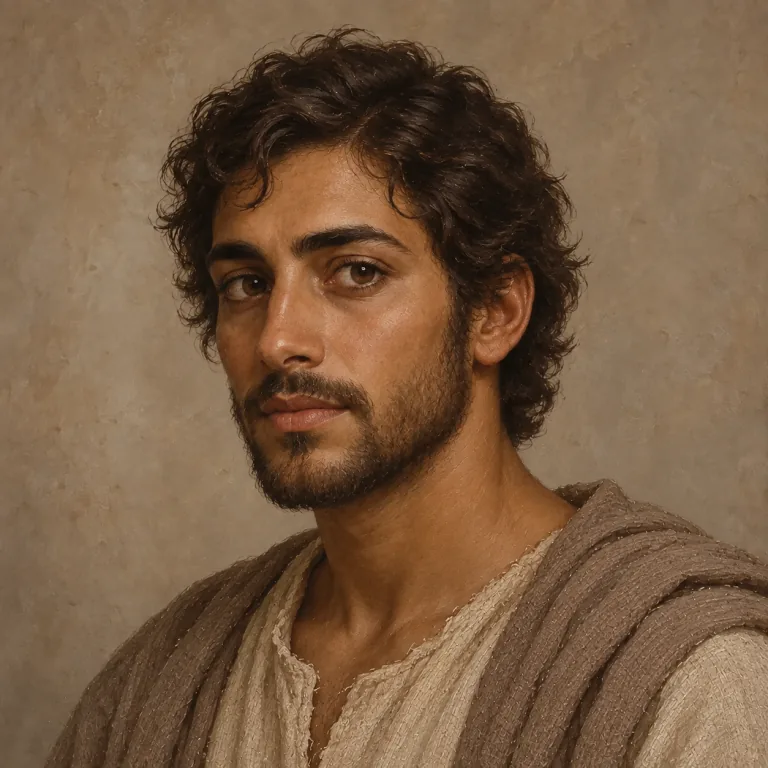
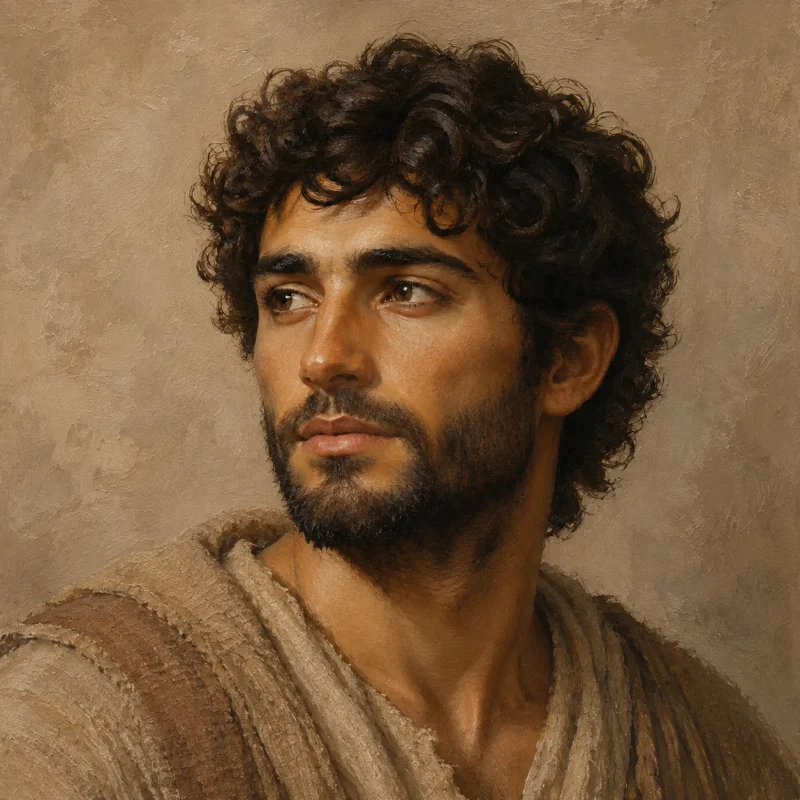
Portrait: an AI-generated artistic interpretation, not evidence of how Josiah looked.
Who Josiah is
Josiah is named in First Kings as a future son of David who will act against the altar at Bethel. Second Kings tells of his reign in Judah: he becomes king at eight and reigns thirty-one years in Jerusalem. During temple repairs in his eighteenth year, Hilkiah finds the book of the law and Shaphan reads it to him. Josiah tears his clothes and seeks the Lord's word through Huldah. He gathers the people, reads the covenant and pledges obedience. He removes objects and sites of forbidden worship, destroys Jeroboam's altar at Bethel, kills priests of the high places in the cities of Samaria and orders Passover. The narrator praises his wholehearted turning but says the Lord's wrath against Judah remains. Josiah is killed at Megiddo when he goes against Pharaoh-nechoh and is buried in Jerusalem.
Cited passages: 1 Kings 13:1, 1 Kings 13:2, 1 Kings 13:3, 2 Kings 22:1, 2 Kings 22:2, 2 Kings 22:3, 2 Kings 22:4, 2 Kings 22:5, 2 Kings 22:6, 2 Kings 22:7, 2 Kings 22:8, 2 Kings 22:9, 2 Kings 22:10, 2 Kings 22:11, 2 Kings 22:12, 2 Kings 22:13, 2 Kings 22:14, 2 Kings 22:15, 2 Kings 22:16, 2 Kings 22:17, 2 Kings 22:18, 2 Kings 22:19, 2 Kings 22:20, 2 Kings 23:1, 2 Kings 23:2, 2 Kings 23:3, 2 Kings 23:4, 2 Kings 23:5, 2 Kings 23:6, 2 Kings 23:7, 2 Kings 23:8, 2 Kings 23:9, 2 Kings 23:10, 2 Kings 23:11, 2 Kings 23:12, 2 Kings 23:13, 2 Kings 23:14, 2 Kings 23:15, 2 Kings 23:16, 2 Kings 23:17, 2 Kings 23:18, 2 Kings 23:19, 2 Kings 23:20, 2 Kings 23:21, 2 Kings 23:22, 2 Kings 23:23, 2 Kings 23:24, 2 Kings 23:25, 2 Kings 23:26, 2 Kings 23:27, 2 Kings 23:28, 2 Kings 23:29, 2 Kings 23:30
Historical setting
The name in First Kings 13 belongs to a prediction, not to someone present at Jeroboam's altar. Second Kings identifies Josiah's mother as Jedidah, daughter of Adaiah. Hilkiah finds the book, Shaphan reads it and Huldah gives the prophetic answer; these are distinct roles in the king's response. Huldah promises that he will be gathered to his grave in peace and will not see the coming disaster, while the later account records his death at Megiddo. Both statements belong to the account. His reforms do not avert the announced judgment on Judah, which the narrator links to Manasseh's provocations.
Cited passages: 1 Kings 13:2, 2 Kings 22:1, 2 Kings 22:8, 2 Kings 22:9, 2 Kings 22:10, 2 Kings 22:11, 2 Kings 22:12, 2 Kings 22:13, 2 Kings 22:14, 2 Kings 22:15, 2 Kings 22:16, 2 Kings 22:17, 2 Kings 22:18, 2 Kings 22:19, 2 Kings 22:20, 2 Kings 23:25, 2 Kings 23:26, 2 Kings 23:27, 2 Kings 23:28, 2 Kings 23:29, 2 Kings 23:30
How the story is told
Hearing the book leads first to torn clothes and inquiry, then to a public covenant and extensive action. At Bethel, the bones burned on the altar connect Josiah's actions with the earlier prophetic announcement. He spares the bones of the man of God and the prophet buried with him. The account places exceptional praise for Josiah beside the continuing judgment on Judah, and the promise concerning his burial beside the report of his violent death. Those juxtapositions keep his response from becoming a story of national disaster simply cancelled by a good king.
Cited passages: 2 Kings 22:10, 2 Kings 22:11, 2 Kings 22:12, 2 Kings 22:13, 2 Kings 22:14, 2 Kings 22:15, 2 Kings 22:16, 2 Kings 22:17, 2 Kings 22:18, 2 Kings 22:19, 2 Kings 22:20, 2 Kings 23:1, 2 Kings 23:2, 2 Kings 23:3, 2 Kings 23:15, 2 Kings 23:16, 2 Kings 23:17, 2 Kings 23:18, 2 Kings 23:19, 2 Kings 23:20, 2 Kings 23:25, 2 Kings 23:26, 2 Kings 23:27, 2 Kings 23:28, 2 Kings 23:29, 2 Kings 23:30
Story moments
- Named in the Bethel prophecy (1 Kings 13:2). The man of God names Josiah as a future figure who will act against the altar.
- The law heard (2 Kings 22:11). Josiah tears his clothes when he hears the words of the book.
- His humbling acknowledged (2 Kings 22:19). Huldah's message says the Lord has heard the king's response.
- A covenant before the Lord (2 Kings 23:3). Josiah pledges to follow the Lord and keep the commands with all his heart and soul.
- The Bethel altar destroyed (2 Kings 23:15). Josiah breaks down the altar and high place made by Jeroboam.
- Priests of the high places killed (2 Kings 23:20). Josiah kills the priests on the altars in the cities of Samaria.
- Passover commanded (2 Kings 23:21). He orders the people to keep Passover according to the book of the covenant.
- Death at Megiddo (2 Kings 23:29). Pharaoh-nechoh kills Josiah when the king goes against him.
Key passages
1 Kings 13:2
And he cried against the altar in the word of the Lord, and said, O altar, altar, thus saith the Lord; Behold, a child shall be born unto the house of David, Josiah by name; and upon thee shall he offer the priests of the high places that burn incense upon thee, and men’s bones shall be burnt upon thee.
2 Kings 21:24
And the people of the land slew all them that had conspired against king Amon; and the people of the land made Josiah his son king in his stead.
2 Kings 21:26
And he was buried in his sepulchre in the garden of Uzza: and Josiah his son reigned in his stead.
2 Kings 22:1
Josiah was eight years old when he began to reign, and he reigned thirty and one years in Jerusalem. And his mother’s name was Jedidah, the daughter of Adaiah of Boscath.
2 Kings 22:3
And it came to pass in the eighteenth year of king Josiah, that the king sent Shaphan the son of Azaliah, the son of Meshullam, the scribe, to the house of the Lord, saying,
2 Kings 23:16
And as Josiah turned himself, he spied the sepulchres that were there in the mount, and sent, and took the bones out of the sepulchres, and burned them upon the altar, and polluted it, according to the word of the Lord which the man of God proclaimed, who proclaimed these words.
King James Version. 49 indexed passages in total.
For reflection
How does the account distinguish Josiah's response to the book from the continuing consequences described for Judah?
Books Josiah appears in
Related people

Names and references are adapted from STEPBible TIPNR. A person listed with a verse is named or indexed there; it does not mean they wrote or spoke it.