The Prophets · Old Testament
Jeremiah 28
Jeremiah 28: Hananiah breaks the yoke and dies within the year
General context
In the same year, in the beginning of Zedekiah's reign, in the fourth year and fifth month, Hananiah the son of Azur, a prophet from Gibeon, speaks to Jeremiah in the house of the Lord before the priests and all the people. He says the Lord has broken the yoke of the king of Babylon and that within two full years the vessels of the Lord's house, Jeconiah and all the captives will return. Jeremiah answers Amen, asking that the Lord perform those words, but then reminds Hananiah that earlier prophets prophesied war, evil and pestilence, and that a prophet of peace is known only when his word comes to pass. Hananiah takes the yoke from Jeremiah's neck and breaks it, declaring that the Lord will break Nebuchadnezzar's yoke from all nations within two years. Jeremiah goes his way. The word of the Lord then comes to him: Hananiah has broken yokes of wood but will make yokes of iron, for the Lord has put a yoke of iron on all these nations. Jeremiah tells Hananiah that the Lord has not sent him, that he has made the people trust in a lie, and that he will die this year for teaching rebellion. The narrator reports that Hananiah dies the same year in the seventh month.
Cited passages: Jeremiah 28:1, Jeremiah 28:2, Jeremiah 28:3, Jeremiah 28:4, Jeremiah 28:6, Jeremiah 28:8, Jeremiah 28:9, Jeremiah 28:10, Jeremiah 28:11, Jeremiah 28:13, Jeremiah 28:14, Jeremiah 28:15, Jeremiah 28:16, Jeremiah 28:17
Jeremiah 28 (KJV)
1And it came to pass the same year, in the beginning of the reign of Zedekiah king of Judah, in the fourth year, and in the fifth month, that Hananiah the son of Azur the prophet, which was of Gibeon, spake unto me in the house of the Lord, in the presence of the priests and of all the people, saying,
2Thus speaketh the Lord of hosts, the God of Israel, saying, I have broken the yoke of the king of Babylon.
3Within two full years will I bring again into this place all the vessels of the Lord’s house, that Nebuchadnezzar king of Babylon took away from this place, and carried them to Babylon:
4And I will bring again to this place Jeconiah the son of Jehoiakim king of Judah, with all the captives of Judah, that went into Babylon, saith the Lord: for I will break the yoke of the king of Babylon.
5Then the prophet Jeremiah said unto the prophet Hananiah in the presence of the priests, and in the presence of all the people that stood in the house of the Lord,
6Even the prophet Jeremiah said, Amen: the Lord do so: the Lord perform thy words which thou hast prophesied, to bring again the vessels of the Lord’s house, and all that is carried away captive, from Babylon into this place.
7Nevertheless hear thou now this word that I speak in thine ears, and in the ears of all the people;
8The prophets that have been before me and before thee of old prophesied both against many countries, and against great kingdoms, of war, and of evil, and of pestilence.
9The prophet which prophesieth of peace, when the word of the prophet shall come to pass, then shall the prophet be known, that the Lord hath truly sent him.
10Then Hananiah the prophet took the yoke from off the prophet Jeremiah’s neck, and brake it.
11And Hananiah spake in the presence of all the people, saying, Thus saith the Lord; Even so will I break the yoke of Nebuchadnezzar king of Babylon from the neck of all nations within the space of two full years. And the prophet Jeremiah went his way.
12Then the word of the Lord came unto Jeremiah the prophet, after that Hananiah the prophet had broken the yoke from off the neck of the prophet Jeremiah, saying,
13Go and tell Hananiah, saying, Thus saith the Lord; Thou hast broken the yokes of wood; but thou shalt make for them yokes of iron.
14For thus saith the Lord of hosts, the God of Israel; I have put a yoke of iron upon the neck of all these nations, that they may serve Nebuchadnezzar king of Babylon; and they shall serve him: and I have given him the beasts of the field also.
15Then said the prophet Jeremiah unto Hananiah the prophet, Hear now, Hananiah; The Lord hath not sent thee; but thou makest this people to trust in a lie.
16Therefore thus saith the Lord; Behold, I will cast thee from off the face of the earth: this year thou shalt die, because thou hast taught rebellion against the Lord.
17So Hananiah the prophet died the same year in the seventh month.
This page shows the King James Version. In the app, reading opens in the Berean Standard Bible unless you have chosen another translation. The reader includes five translations: the Berean Standard Bible (BSB), the King James Version (KJV), the World English Bible (WEB), the Bible in Basic English (BBE), and the American Standard Version (ASV). Search covers three of them: Berean Standard, King James, and World English. Basic English and American Standard readers search the King James words.
Historical context
The dating verse sets "the same year" and "the beginning of the reign of Zedekiah" beside "the fourth year, and in the fifth month"; the text prints both phrases together and gives no further explanation. Hananiah is identified by his father Azur and his town Gibeon, and the narrator calls him "the prophet" throughout, the same title given to Jeremiah, so the label alone does not decide who speaks truly. The yoke Hananiah breaks is the one Jeremiah was told to wear in the previous chapter. Hananiah's promise is about the vessels and Jeconiah the son of Jehoiakim, the same objects and person named in chapter 27. Jeremiah speaks in the first person in verse 1 and is then described in the third person. By the chapter's own count, Hananiah speaks in the fifth month and dies in the seventh month, two months later; the text gives no cause of death beyond the Lord's sentence. The text does not say how the priests or people responded, or whether Jeremiah replaced the broken yoke.
Cited passages: Jeremiah 28:1, Jeremiah 28:5, Jeremiah 27:2, Jeremiah 28:10, Jeremiah 28:4, Jeremiah 28:12, Jeremiah 28:16, Jeremiah 28:17
Literary context
The chapter is a contest between two men who carry the same title, staged before the same audience of priests and people. Hananiah's claim is time-bound, "two full years," and he repeats it after breaking the yoke; the Lord's reply is also time-bound, "this year thou shalt die," and the narrator's last line confirms it with a month. Jeremiah's answer begins with Amen and a wish that the words be performed, then turns on "Nevertheless" to the record of earlier prophets and the test that peace is proved by fulfilment. The visible sign is answered by a stronger image: wood gives way to iron. The narrator withholds any immediate divine word when the yoke is broken; Jeremiah simply goes his way, and the word comes afterward. The chapter thus supplies within itself the test Jeremiah proposed in verse 9, and its closing sentence is flat and unadorned. The charge "taught rebellion against the Lord" reappears in the next chapter against Shemaiah.
Cited passages: Jeremiah 28:1, Jeremiah 28:3, Jeremiah 28:11, Jeremiah 28:16, Jeremiah 28:6, Jeremiah 28:7, Jeremiah 28:9, Jeremiah 28:13, Jeremiah 28:12, Jeremiah 29:32
Key moments
- Hananiah's promise (Jeremiah 28:2). Hananiah announces that the Lord has broken the yoke of the king of Babylon.
- Jeremiah's Amen (Jeremiah 28:6). Jeremiah wishes the hopeful words would be performed.
- The test of a prophet of peace (Jeremiah 28:9). Jeremiah says a peace prophet is known when his word comes to pass.
- The yoke broken (Jeremiah 28:10). Hananiah takes the yoke from Jeremiah's neck and breaks it.
- Yokes of iron (Jeremiah 28:13). The Lord answers the broken wooden yoke with an iron one.
- Sentence on Hananiah (Jeremiah 28:16). Jeremiah tells Hananiah he will die this year for teaching rebellion.
- Hananiah dies (Jeremiah 28:17). The narrator reports his death in the seventh month of the same year.
For reflection
Jeremiah says Amen to Hananiah's hopeful word before he opposes it. What is the difference between wanting a message to be true and claiming it comes from the Lord?
People in this chapter
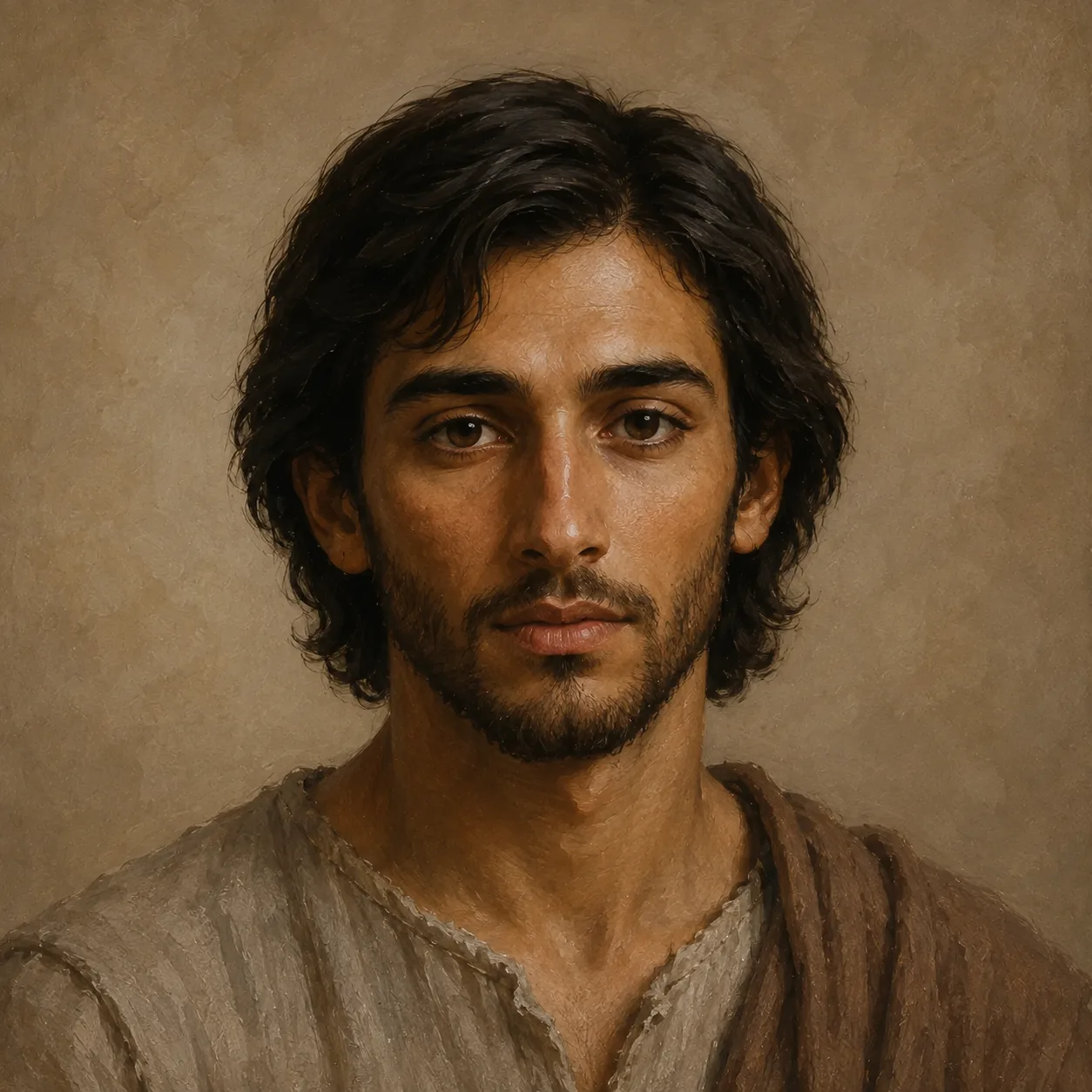
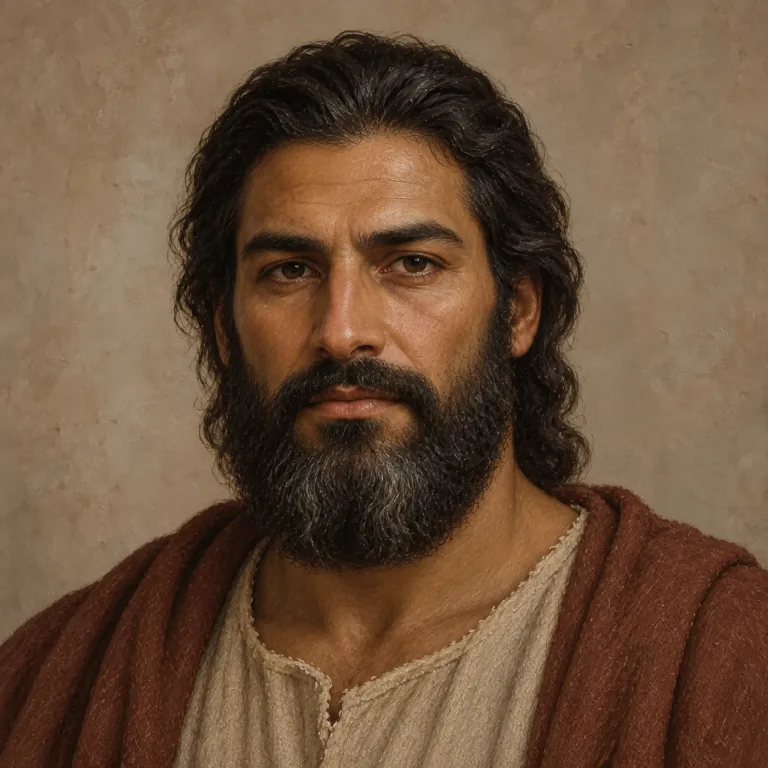
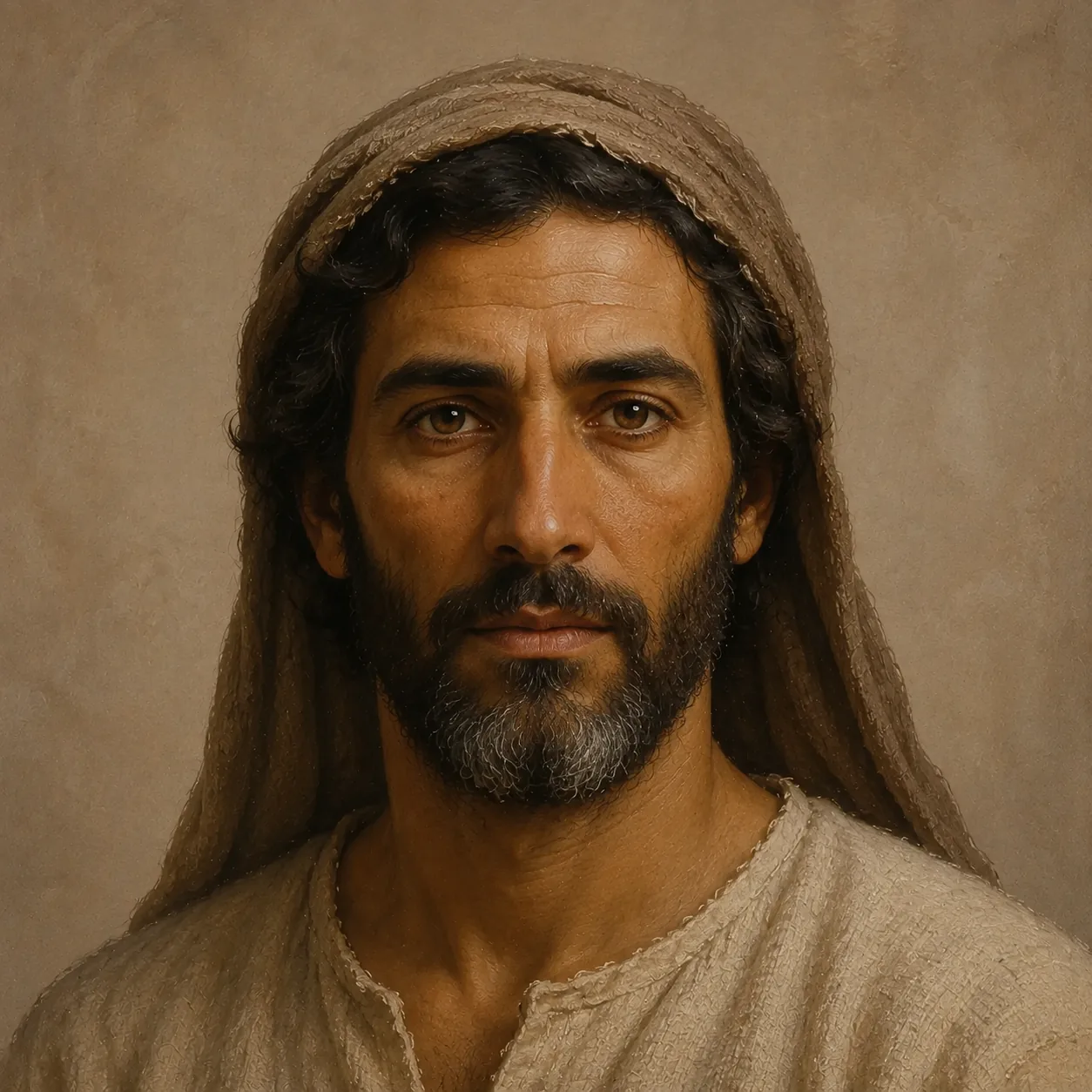
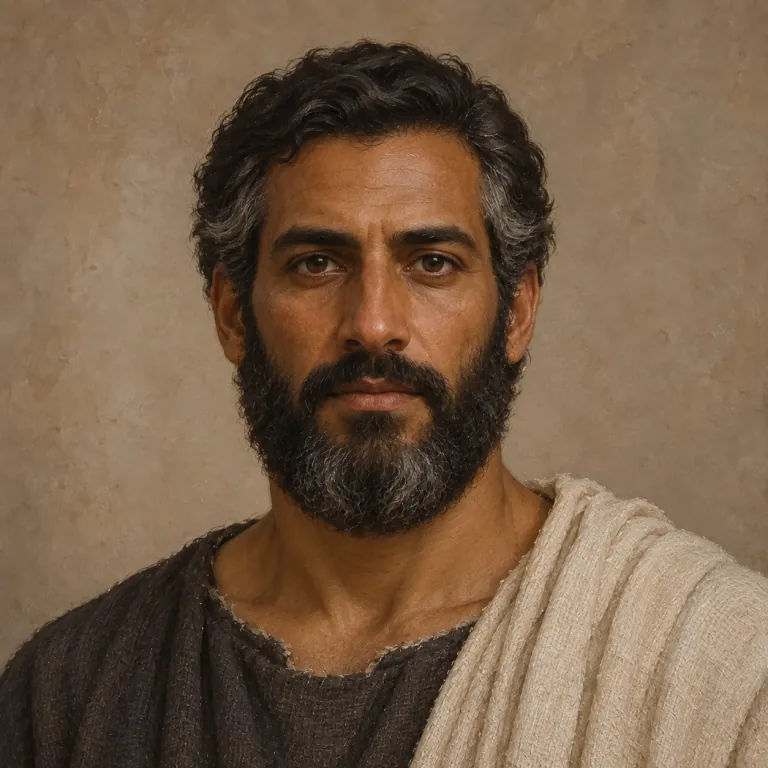

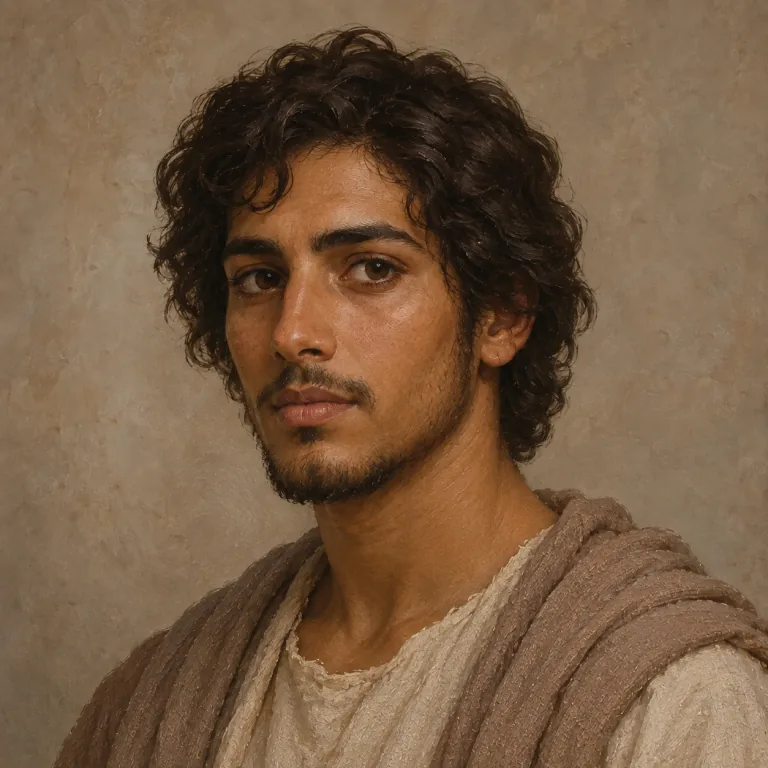
Also indexed here:
- Hananiah
- Azzur
- Jehoiachin