Person in the Old Testament
Zedekiah
Zedekiah: the last king of Judah, who asked Jeremiah for a word and was blinded at Riblah
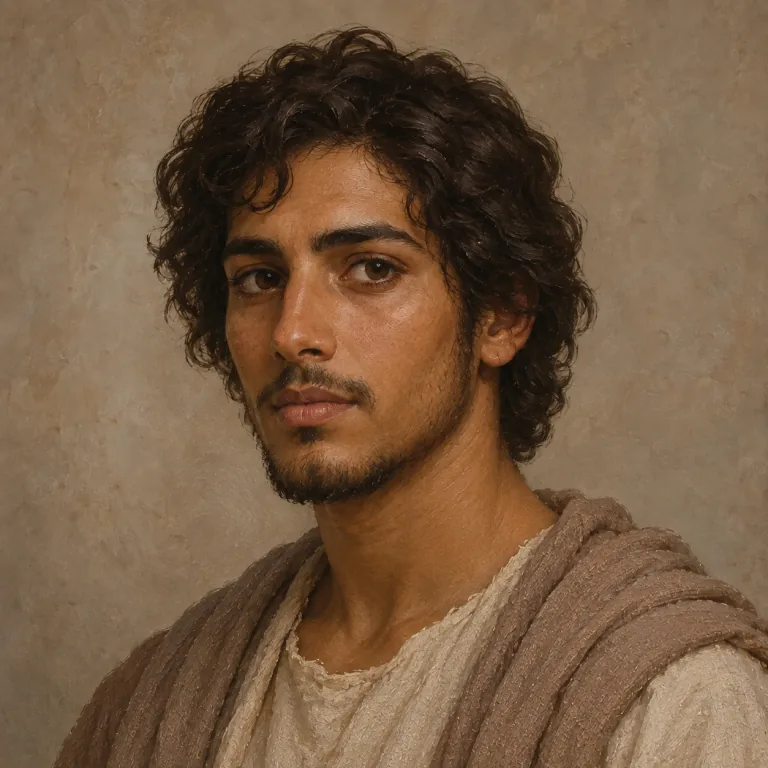
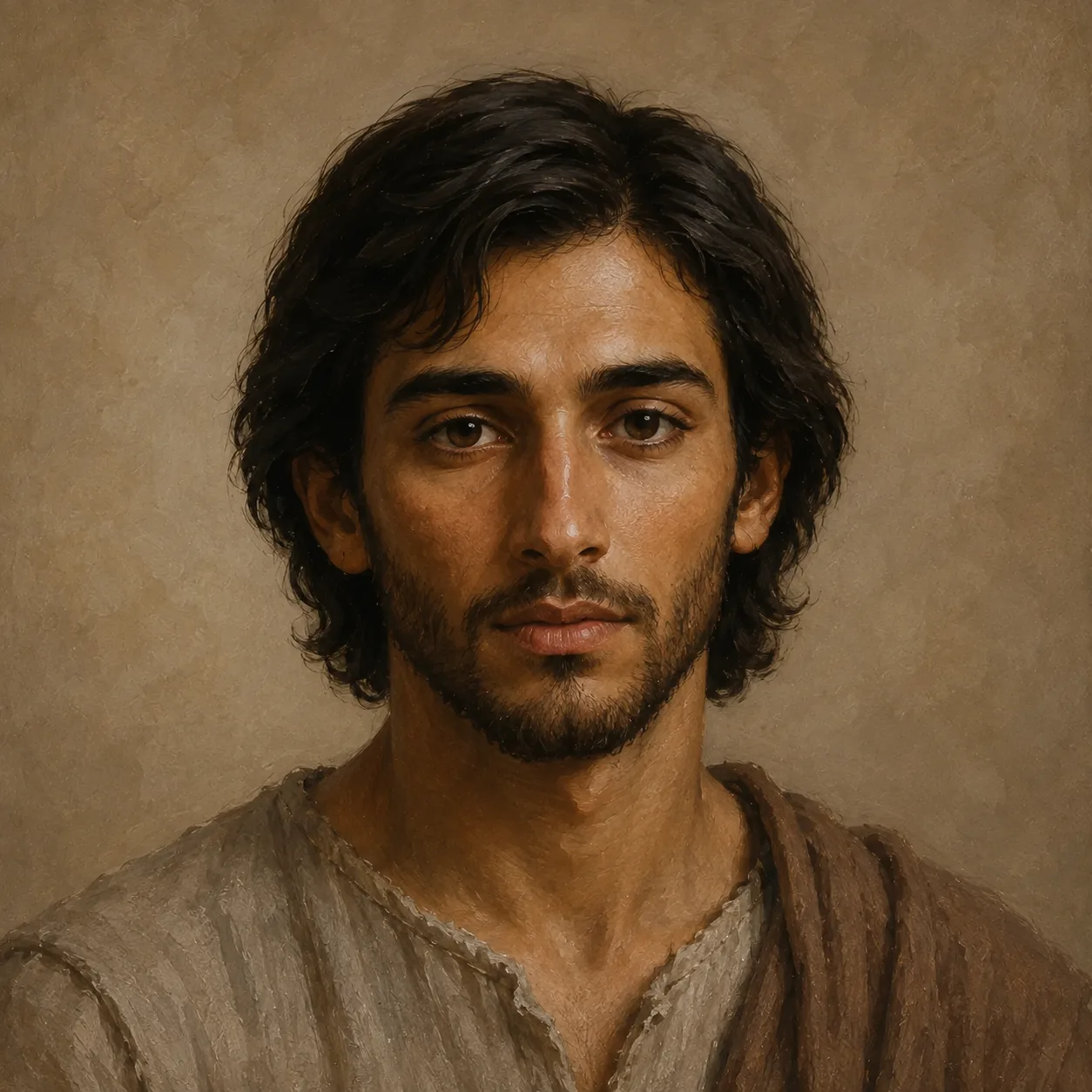
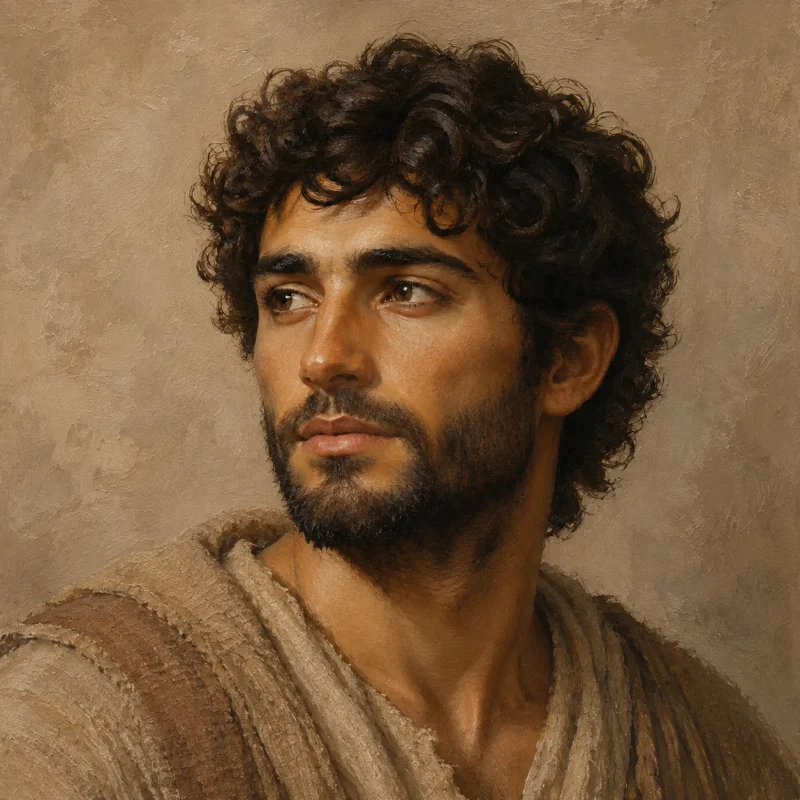
Portrait: an AI-generated artistic interpretation, not evidence of how Zedekiah looked.
Who Zedekiah is
Zedekiah is Mattaniah, whom Nebuchadnezzar makes king of Judah in Jehoiachin's place and renames. He is twenty-one, reigns eleven years, and does evil as Jehoiakim did; Kings says his rebellion against Babylon came through the Lord's anger, and Chronicles that he broke an oath sworn by God and did not humble himself before Jeremiah. Jeremiah shows him through his reign. At its start Jeremiah tells him to bring his neck under Babylon's yoke, and in his fourth year Hananiah contradicts Jeremiah; he sends envoys to Babylon and goes there with Seraiah. During the siege he twice sends men to Jeremiah, to enquire and to ask for prayer, and is told the city will fall and he will not escape. He is said to have shut Jeremiah up for saying so; he also takes him out of a dungeon and asks secretly whether there is any word from the Lord; there is, and it is his capture. He moves Jeremiah to the court of the prison with daily bread. He makes a covenant with the people to free their Hebrew servants, which is reversed. When the princes demand Jeremiah's death he says the king can do nothing against them, yet he orders Ebed-melech to draw Jeremiah from the mire. In a last secret meeting Jeremiah tells him to go out to Babylon's princes and live; he answers that he is afraid of the Jews who have already gone over, and asks for silence. When the city is broken he flees by night, is overtaken near Jericho and brought to Riblah, where his sons are killed before his eyes, his eyes are put out, and he is carried in chains to Babylon, where Jeremiah says he stays in prison until his death.
Cited passages: 2 Kings 24:17, 2 Kings 24:18, 2 Kings 24:19, 2 Kings 24:20, 2 Chronicles 36:13, 2 Chronicles 36:12, Jeremiah 27:12, Jeremiah 28:1, Jeremiah 28:4, Jeremiah 29:3, Jeremiah 51:59, Jeremiah 21:2, Jeremiah 37:3, Jeremiah 32:3, Jeremiah 37:17, Jeremiah 37:21, Jeremiah 34:8, Jeremiah 34:11, Jeremiah 38:5, Jeremiah 38:10, Jeremiah 38:17, Jeremiah 38:19, Jeremiah 38:24, Jeremiah 39:4, 2 Kings 25:5, 2 Kings 25:7, Jeremiah 52:11
Historical setting
This Zedekiah is the king, distinct from three namesakes: Zedekiah the son of Chenaanah who made iron horns before Ahab, Zedekiah the son of Maaseiah whom Jeremiah names as a false prophet in Babylon, and Zedekiah the son of Hananiah among Jehoiakim's princes. His family is stated in different ways. Kings calls him Mattaniah, the father's brother of Jehoiachin; Chronicles calls him Jehoiachin's brother; 1 Chronicles 3 lists a Zedekiah as Josiah's third son and another as Jehoiakim's son; Jeremiah calls him the son of Josiah. His mother Hamutal is also the mother of Jehoahaz, and her father Jeremiah of Libnah is not identified with the prophet. The texts do not reconcile these statements. His fate is announced twice in different terms: Jeremiah 34 says he will not die by the sword but in peace, with burnings and lament, while Jeremiah 32, 34 and 39 say his eyes will see the king of Babylon's eyes and he will go to Babylon; the narrative reports the killing of his sons before his eyes, his blinding, chains and imprisonment until death, and no passage comments on the relation between the two words. Regnal dates are given for the siege, the breach and Jeremiah's field purchase, but not for his death. The Pharaoh whose army briefly lifts the siege is unnamed in Jeremiah 37; Pharaoh-hophra is named only in a later comparison. Kings records no speech by him; Jeremiah records several. Jeremiah spells the Babylonian king both Nebuchadrezzar and Nebuchadnezzar.
Cited passages: 1 Kings 22:11, Jeremiah 29:21, Jeremiah 36:12, 2 Kings 24:17, 2 Chronicles 36:10, 1 Chronicles 3:15, 1 Chronicles 3:16, Jeremiah 37:1, Jeremiah 52:1, 2 Kings 23:31, Jeremiah 34:4, Jeremiah 34:5, Jeremiah 32:4, Jeremiah 39:6, Jeremiah 39:7, Jeremiah 32:1, Jeremiah 39:2, Jeremiah 37:5, Jeremiah 44:30, Jeremiah 39:5
How the story is told
Kings and Chronicles give Zedekiah a formula and a verdict, rebellion explained by the Lord's anger or by a broken oath, and then a flight and a blinding told without a word from him. Jeremiah makes him a king who keeps asking. He sends to enquire, sends for prayer, sends envoys, takes the prophet out of a dungeon to ask secretly, and meets him again in the temple's third entry with a request to hide nothing. The answers are one sentence long and always the same, that he will be given into the hand of the king of Babylon, and the book repeats that sentence in oracle after oracle. His own sentences show the gap between hearing and doing: the king is not he that can do any thing against you, and I am afraid of the Jews that are fallen to the Chaldeans. The narrator sets Ebed-melech beside him, a servant who goes out of the king's house and speaks, while the king sits in the gate. The covenant of liberty proclaimed and then withdrawn mirrors the king's own turning. The end is written to the earlier word: his eyes behold the king of Babylon's eyes, his sons are killed before those eyes, and then they are put out. Kings ends his story there; Jeremiah adds the prison and the day of his death.
Cited passages: 2 Kings 24:20, 2 Chronicles 36:13, Jeremiah 21:1, Jeremiah 37:17, Jeremiah 38:14, Jeremiah 21:7, Jeremiah 34:3, Jeremiah 38:18, Jeremiah 38:5, Jeremiah 38:19, Jeremiah 38:7, Jeremiah 38:8, Jeremiah 34:10, Jeremiah 34:11, 2 Kings 25:7, Jeremiah 52:11
Story moments
- Mattaniah renamed Zedekiah (2 Kings 24:17). Nebuchadnezzar makes Jehoiachin's uncle king of Judah and changes his name.
- Necks under the yoke (Jeremiah 27:12). Jeremiah tells Zedekiah to serve the king of Babylon and live.
- Is there any word from the Lord? (Jeremiah 37:17). Zedekiah takes Jeremiah from the dungeon and asks secretly; the answer is his capture.
- The king can do nothing (Jeremiah 38:5). Zedekiah hands Jeremiah to the princes, saying the king cannot act against them.
- Afraid of those who went over (Jeremiah 38:19). Told to surrender and live, Zedekiah says he fears the Jews who have gone to the Chaldeans.
- Flight by night (Jeremiah 39:4). When the city is broken up, Zedekiah and the men of war flee through the gate between the two walls.
- Sons killed, eyes put out (2 Kings 25:7). At Riblah Zedekiah's sons are killed before him, he is blinded and carried in fetters to Babylon.
Key passages
2 Kings 24:17
And the king of Babylon made Mattaniah his father’s brother king in his stead, and changed his name to Zedekiah.
2 Kings 24:18
Zedekiah was twenty and one years old when he began to reign, and he reigned eleven years in Jerusalem. And his mother’s name was Hamutal, the daughter of Jeremiah of Libnah.
2 Kings 24:20
For through the anger of the Lord it came to pass in Jerusalem and Judah, until he had cast them out from his presence, that Zedekiah rebelled against the king of Babylon.
2 Kings 25:2
And the city was besieged unto the eleventh year of king Zedekiah.
2 Kings 25:7
And they slew the sons of Zedekiah before his eyes, and put out the eyes of Zedekiah, and bound him with fetters of brass, and carried him to Babylon.
1 Chronicles 3:15
And the sons of Josiah were, the firstborn Johanan, the second Jehoiakim, the third Zedekiah, the fourth Shallum.
King James Version. 54 indexed passages in total.
For reflection
Zedekiah takes Jeremiah out of prison to ask secretly for a word, hears it, and answers that he is afraid of those who have already gone over. What does his story let a reader see about the distance between hearing a word and acting on it?
Books Zedekiah appears in
Related people
Names and references are adapted from STEPBible TIPNR. A person listed with a verse is named or indexed there; it does not mean they wrote or spoke it.