Person in the Old Testament
Jehoiakim
Jehoiakim: the son of Josiah whom Pharaoh renamed and who burned Jeremiah's roll
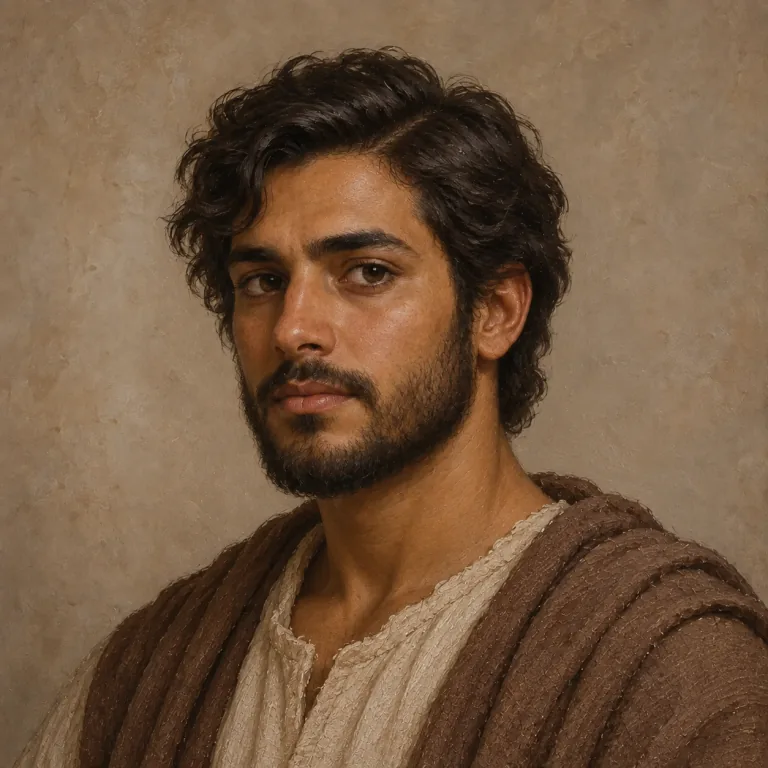
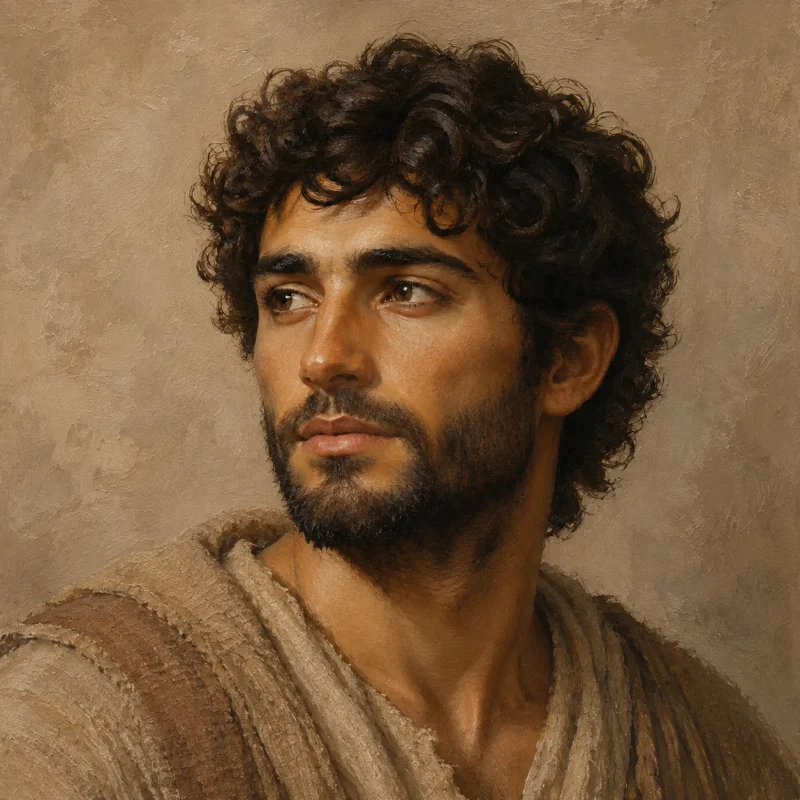
Portrait: an AI-generated artistic interpretation, not evidence of how Jehoiakim looked.
Who Jehoiakim is
Jehoiakim is Eliakim the son of Josiah, whom Pharaoh-nechoh makes king of Judah after removing Jehoahaz, changing his name to Jehoiakim. He is twenty-five, reigns eleven years, taxes the land to pay Pharaoh's tribute, and does evil. Kings says Nebuchadnezzar comes up, Jehoiakim serves him three years and then rebels, and the Lord sends bands of Chaldees, Syrians, Moabites and Ammonites against Judah; he sleeps with his fathers and Jehoiachin succeeds. Chronicles says Nebuchadnezzar bound him in fetters to carry him to Babylon and took temple vessels. Daniel opens in his third year with Nebuchadnezzar besieging Jerusalem and the Lord giving Jehoiakim into his hand. In Jeremiah he is the king who builds a cedar house by unrighteousness and withholds wages, whose father did judgment and justice, and for whom no one will lament; he will have the burial of an ass. At the start of his reign Jeremiah's temple sermon brings a demand for the prophet's death, which the princes and elders refuse, but Jehoiakim has the prophet Urijah fetched from Egypt and killed. In his fourth and fifth years Baruch writes and reads Jeremiah's roll; the king cuts it with a penknife and burns it in the winterhouse, orders the arrest of Baruch and Jeremiah, and the Lord hides them. The Lord's answer is that he will have none to sit on David's throne and his body will be cast out, and the roll is rewritten with more words. His son Jeconiah is carried to Babylon, and later kings are judged by what Jehoiakim had done.
Cited passages: 2 Kings 23:34, 2 Kings 23:36, 2 Kings 23:35, 2 Kings 23:37, 2 Kings 24:1, 2 Kings 24:2, 2 Kings 24:6, 2 Chronicles 36:6, 2 Chronicles 36:7, Daniel 1:1, Daniel 1:2, Jeremiah 22:13, Jeremiah 22:15, Jeremiah 22:18, Jeremiah 22:19, Jeremiah 26:1, Jeremiah 26:16, Jeremiah 26:23, Jeremiah 36:1, Jeremiah 36:9, Jeremiah 36:23, Jeremiah 36:26, Jeremiah 36:30, Jeremiah 36:32, Jeremiah 24:1, 2 Kings 24:9, Jeremiah 52:2
Historical setting
The texts name him three ways: Eliakim before Pharaoh renames him, Jehoiakim afterwards, and the son of Josiah throughout; 1 Chronicles 3 lists him as Josiah's second son. His mother is Zebudah the daughter of Pedaiah of Rumah, named only in Kings. Jeremiah 22 speaks of Shallum the son of Josiah who reigned instead of Josiah and was led away, where Kings names Jehoahaz as the brother who reigned first and died in Egypt; the passages do not explicitly identify the two. His end is told differently and never narrated: Kings says he slept with his fathers and gives no burial, Chronicles says Nebuchadnezzar bound him in fetters to carry him to Babylon without saying he arrived, and Jeremiah announces that his body will be cast out and that no one will lament him. Daniel places a siege in his third year, and Kings says he served Nebuchadnezzar three years before rebelling; the texts do not align these. Jeremiah dates the roll to his fourth year and equates that year with Nebuchadrezzar's first and with the defeat of Pharaoh-necho at Carchemish; Jeremiah spells the Babylonian king Nebuchadrezzar. The killing of the prophet Urijah is the one act of violence the texts narrate of him directly. His son is called Jehoiachin in Kings, Jeconiah in Jeremiah and Chronicles, and Coniah in Jeremiah 22 and 37. 1 Chronicles 3 also lists a Zedekiah as his son, while Kings and Chronicles make the king Zedekiah his brother; the texts leave the relation unstated. No scene records a prophet speaking to him face to face; the words Jeremiah has for him are sent.
Cited passages: 2 Kings 23:34, 1 Chronicles 3:15, 2 Kings 23:36, Jeremiah 22:11, 2 Kings 24:6, 2 Chronicles 36:6, Jeremiah 36:30, Daniel 1:1, 2 Kings 24:1, Jeremiah 25:1, Jeremiah 46:2, Jeremiah 26:21, Jeremiah 27:20, Jeremiah 37:1, 1 Chronicles 3:16, 2 Chronicles 36:10, 2 Kings 24:17
How the story is told
Kings gives Jehoiakim the standard frame, a foreign appointment, a tax, a verdict of evil, a rebellion and a death formula, and Chronicles compresses him to fetters and abominations. Jeremiah supplies the portrait. The woe against the cedar house sets his covetousness and innocent blood against his father's judgment and justice, so that Josiah is the measure he fails. The winterhouse scene is told slowly: three or four leaves read, the penknife, the hearth, the roll consumed, and then the narrator's note that neither the king nor his servants were afraid or rent their garments. That sentence answers the scene in which Josiah rent his clothes at the reading of the book, and the pairing of father and son around a read scroll is the sharpest contrast Jeremiah draws. The king's fire is met by a second roll with many like words added, so the narrative makes the burning enlarge the book. Chapter 26 surrounds him with people who act otherwise, princes who acquit Jeremiah, elders who cite Hezekiah, Ahikam who protects, and then reports Urijah's killing to show what the king does when no one intervenes. Daniel uses his defeat as the doorway to the exile story.
Cited passages: 2 Kings 23:35, 2 Chronicles 36:8, Jeremiah 22:17, Jeremiah 22:16, Jeremiah 36:22, Jeremiah 36:24, 2 Kings 22:11, Jeremiah 36:28, Jeremiah 36:32, Jeremiah 26:16, Jeremiah 26:19, Jeremiah 26:24, Jeremiah 26:23, Daniel 1:2
Story moments
- Renamed by Pharaoh (2 Kings 23:34). Pharaoh-nechoh makes Eliakim king in place of Josiah and changes his name to Jehoiakim.
- The burial of an ass (Jeremiah 22:19). The Lord's word against Jehoiakim says no one will lament him and his body will be cast out.
- Urijah fetched from Egypt and killed (Jeremiah 26:23). Jehoiakim has the prophet Urijah brought back from Egypt and kills him with the sword.
- The roll cut and burned (Jeremiah 36:23). As Jehudi reads, the king cuts the roll with a penknife and burns it on the hearth.
- None on David's throne (Jeremiah 36:30). The Lord answers the burning with a word that Jehoiakim will have no successor on David's throne.
- Service and rebellion (2 Kings 24:1). Jehoiakim serves Nebuchadnezzar three years and then rebels.
- Given into Nebuchadnezzar's hand (Daniel 1:2). Daniel says the Lord gave Jehoiakim and part of the temple vessels to the king of Babylon.
Key passages
2 Kings 23:34
And Pharaoh-nechoh made Eliakim the son of Josiah king in the room of Josiah his father, and turned his name to Jehoiakim, and took Jehoahaz away: and he came to Egypt, and died there.
2 Kings 23:35
And Jehoiakim gave the silver and the gold to Pharaoh; but he taxed the land to give the money according to the commandment of Pharaoh: he exacted the silver and the gold of the people of the land, of every one according to his taxation, to give it unto Pharaoh-nechoh.
2 Kings 23:36
Jehoiakim was twenty and five years old when he began to reign; and he reigned eleven years in Jerusalem. And his mother’s name was Zebudah, the daughter of Pedaiah of Rumah.
2 Kings 24:1
In his days Nebuchadnezzar king of Babylon came up, and Jehoiakim became his servant three years: then he turned and rebelled against him.
2 Kings 24:5
Now the rest of the acts of Jehoiakim, and all that he did, are they not written in the book of the chronicles of the kings of Judah?
2 Kings 24:6
So Jehoiakim slept with his fathers: and Jehoiachin his son reigned in his stead.
King James Version. 36 indexed passages in total.
For reflection
Josiah tore his clothes when the book was read to him; Jehoiakim cut the roll into the fire, and the narrator says no one in the room was afraid. What does this pairing of father and son around a read scroll ask a reader to notice about hearing a hard word?
Books Jehoiakim appears in
Related people
Names and references are adapted from STEPBible TIPNR. A person listed with a verse is named or indexed there; it does not mean they wrote or spoke it.