The Histories · Old Testament
Ezra 6
Ezra 6: Darius confirms the decree and the house is finished and dedicated
General context
Darius orders a search in the house of the rolls at Babylon, and a roll is found at Achmetha in the province of the Medes. It records Cyrus's decree in his first year: the house at Jerusalem is to be rebuilt where sacrifices were offered, sixty cubits high and sixty broad, with three rows of great stones and a row of new timber, at the king's expense, and the vessels Nebuchadnezzar took are to be restored. Darius then tells Tatnai, Shethar-boznai and their companions to keep away and let the governor and elders of the Jews build. He orders expenses paid from the tribute beyond the river and animals, wheat, salt, wine and oil supplied daily as the priests direct, so that they may offer sacrifices and pray for the king and his sons. Whoever alters the decree is to be hanged on timber from his own house, and Darius calls on God to destroy any king or people who would harm the house. Tatnai complies speedily. The elders build and prosper through the prophesying of Haggai and Zechariah, and the house is finished on the third day of Adar in the sixth year of Darius. The people keep the dedication with joy, offering bullocks, rams, lambs and twelve he goats for all Israel, and set the priests and Levites in their courses as written in the book of Moses. On the fourteenth day of the first month they keep the passover, and with those who have separated themselves from the filthiness of the heathen of the land they keep unleavened bread seven days with joy.
Cited passages: Ezra 6:1, Ezra 6:2, Ezra 6:3, Ezra 6:4, Ezra 6:5, Ezra 6:7, Ezra 6:8, Ezra 6:9, Ezra 6:10, Ezra 6:11, Ezra 6:12, Ezra 6:13, Ezra 6:14, Ezra 6:15, Ezra 6:17, Ezra 6:18, Ezra 6:19, Ezra 6:21, Ezra 6:22
Ezra 6 (KJV)
1Then Darius the king made a decree, and search was made in the house of the rolls, where the treasures were laid up in Babylon.
2And there was found at Achmetha, in the palace that is in the province of the Medes, a roll, and therein was a record thus written:
3In the first year of Cyrus the king the same Cyrus the king made a decree concerning the house of God at Jerusalem, Let the house be builded, the place where they offered sacrifices, and let the foundations thereof be strongly laid; the height thereof threescore cubits, and the breadth thereof threescore cubits;
4With three rows of great stones, and a row of new timber: and let the expenses be given out of the king’s house:
5And also let the golden and silver vessels of the house of God, which Nebuchadnezzar took forth out of the temple which is at Jerusalem, and brought unto Babylon, be restored, and brought again unto the temple which is at Jerusalem, every one to his place, and place them in the house of God.
6Now therefore, Tatnai, governor beyond the river, Shethar-boznai, and your companions the Apharsachites, which are beyond the river, be ye far from thence:
7Let the work of this house of God alone; let the governor of the Jews and the elders of the Jews build this house of God in his place.
8Moreover I make a decree what ye shall do to the elders of these Jews for the building of this house of God: that of the king’s goods, even of the tribute beyond the river, forthwith expenses be given unto these men, that they be not hindered.
9And that which they have need of, both young bullocks, and rams, and lambs, for the burnt offerings of the God of heaven, wheat, salt, wine, and oil, according to the appointment of the priests which are at Jerusalem, let it be given them day by day without fail:
10That they may offer sacrifices of sweet savours unto the God of heaven, and pray for the life of the king, and of his sons.
11Also I have made a decree, that whosoever shall alter this word, let timber be pulled down from his house, and being set up, let him be hanged thereon; and let his house be made a dunghill for this.
12And the God that hath caused his name to dwell there destroy all kings and people, that shall put to their hand to alter and to destroy this house of God which is at Jerusalem. I Darius have made a decree; let it be done with speed.
13Then Tatnai, governor on this side the river, Shethar-boznai, and their companions, according to that which Darius the king had sent, so they did speedily.
14And the elders of the Jews builded, and they prospered through the prophesying of Haggai the prophet and Zechariah the son of Iddo. And they builded, and finished it, according to the commandment of the God of Israel, and according to the commandment of Cyrus, and Darius, and Artaxerxes king of Persia.
15And this house was finished on the third day of the month Adar, which was in the sixth year of the reign of Darius the king.
16And the children of Israel, the priests, and the Levites, and the rest of the children of the captivity, kept the dedication of this house of God with joy,
17And offered at the dedication of this house of God an hundred bullocks, two hundred rams, four hundred lambs; and for a sin offering for all Israel, twelve he goats, according to the number of the tribes of Israel.
18And they set the priests in their divisions, and the Levites in their courses, for the service of God, which is at Jerusalem; as it is written in the book of Moses.
19And the children of the captivity kept the passover upon the fourteenth day of the first month.
20For the priests and the Levites were purified together, all of them were pure, and killed the passover for all the children of the captivity, and for their brethren the priests, and for themselves.
21And the children of Israel, which were come again out of captivity, and all such as had separated themselves unto them from the filthiness of the heathen of the land, to seek the Lord God of Israel, did eat,
22And kept the feast of unleavened bread seven days with joy: for the Lord had made them joyful, and turned the heart of the king of Assyria unto them, to strengthen their hands in the work of the house of God, the God of Israel.
This page shows the King James Version. In the app, reading opens in the Berean Standard Bible unless you have chosen another translation. The reader includes five translations: the Berean Standard Bible (BSB), the King James Version (KJV), the World English Bible (WEB), the Bible in Basic English (BBE), and the American Standard Version (ASV). Search covers three of them: Berean Standard, King James, and World English. Basic English and American Standard readers search the King James words.
Historical context
The roll found at Achmetha is quoted as the record of Cyrus's decree, and its contents differ in emphasis from the proclamation in Ezra 1: the roll gives dimensions, building materials and royal funding, none of which appear in the earlier version. The text presents both as Cyrus's decree without commenting on the difference. The narrator's summary says the house was finished according to the commandment of Cyrus, Darius and Artaxerxes king of Persia, though the completion date is given in the sixth year of Darius and the chapter records no order from Artaxerxes about the temple. The closing verse says the Lord turned the heart of the king of Assyria, although the king who acted in the chapter is Darius; the text does not explain the title. Darius's decree threatens death by hanging on a beam from the offender's own house, and the text states this penalty plainly. The offering of twelve he goats is tied by the narrator to the number of the tribes, though the returnees were identified with Judah and Benjamin in chapter 1. The passover is kept by the children of the captivity together with those who had separated themselves from the heathen of the land; the text does not say who these people were or how they joined. Nothing in the chapter reports the prophets' words or the response of Tatnai beyond speedy compliance.
Cited passages: Ezra 6:2, Ezra 6:3, Ezra 6:4, Ezra 1:2, Ezra 6:14, Ezra 6:15, Ezra 6:22, Ezra 6:12, Ezra 6:11, Ezra 6:17, Ezra 1:5, Ezra 6:21, Ezra 6:13
Literary context
The chapter resolves the correspondence begun in chapter 5 by producing the very document the elders had cited, so the story's earlier claims are confirmed on the page. Darius's decree mirrors the shape of the adversaries' tactics in chapter 4: where the earlier letter appealed to records to stop the work, a record now compels it, and where the earlier complaint was about revenue, the king now pays expenses from the tribute. The decree ends in a curse, and the narrator answers it with a blessing of sorts, the house finished and the people joyful. The repeated as it is written, for the priestly divisions and for the earlier altar and feast, keeps tying the new order to the book of Moses. The chapter closes with joy stated twice, at the dedication and at the feast, and the last sentence names the Lord as the one who turned the king's heart, returning to the note struck in the book's first verse. The narrative then breaks off before Ezra himself enters in chapter 7.
Cited passages: Ezra 5:17, Ezra 6:2, Ezra 4:15, Ezra 4:13, Ezra 6:8, Ezra 6:12, Ezra 6:16, Ezra 6:18, Ezra 6:22, Ezra 1:1, Ezra 7:1
Key moments
- The roll found at Achmetha (Ezra 6:2). A search turns up the record of Cyrus's decree in the palace of the Medes.
- Darius orders the work left alone (Ezra 6:7). The governors are told to let the Jews build the house of God in its place.
- A curse on any who alter it (Ezra 6:11). Darius decrees hanging and the ruin of the house of anyone who changes his word.
- The house finished (Ezra 6:15). The temple is completed on the third of Adar in Darius's sixth year.
- Dedication with joy (Ezra 6:16). Priests, Levites and the children of the captivity dedicate the house with offerings.
- Passover kept (Ezra 6:19). The returned exiles keep the passover on the fourteenth day of the first month.
- The king's heart turned (Ezra 6:22). The narrator credits the Lord with turning the king's heart to strengthen their hands.
For reflection
Darius funds the sacrifices and asks that the priests pray for the life of the king and his sons. How does the text hold together a temple built under the Lord's command and a temple maintained at a foreign king's expense and for his benefit?
People in this chapter

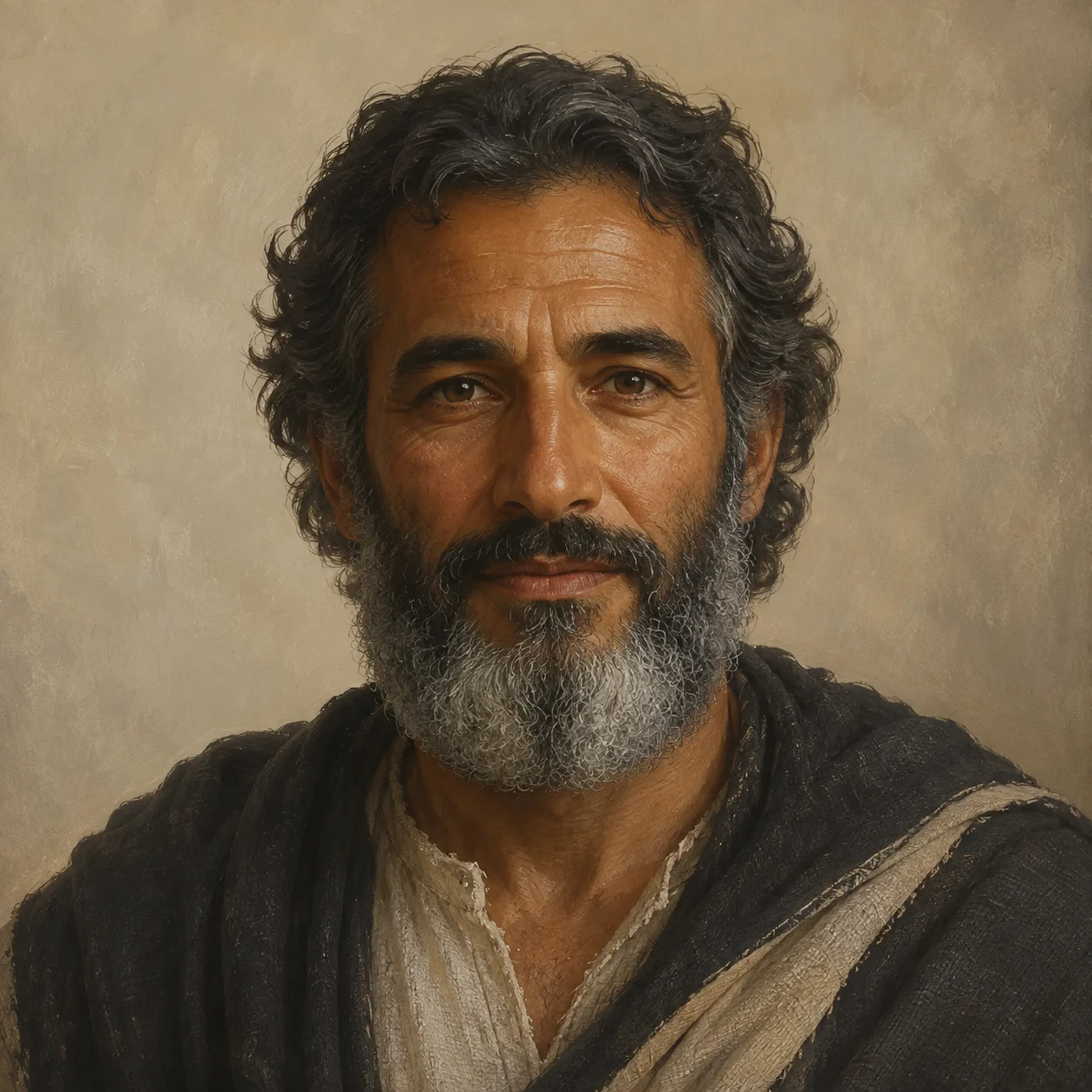
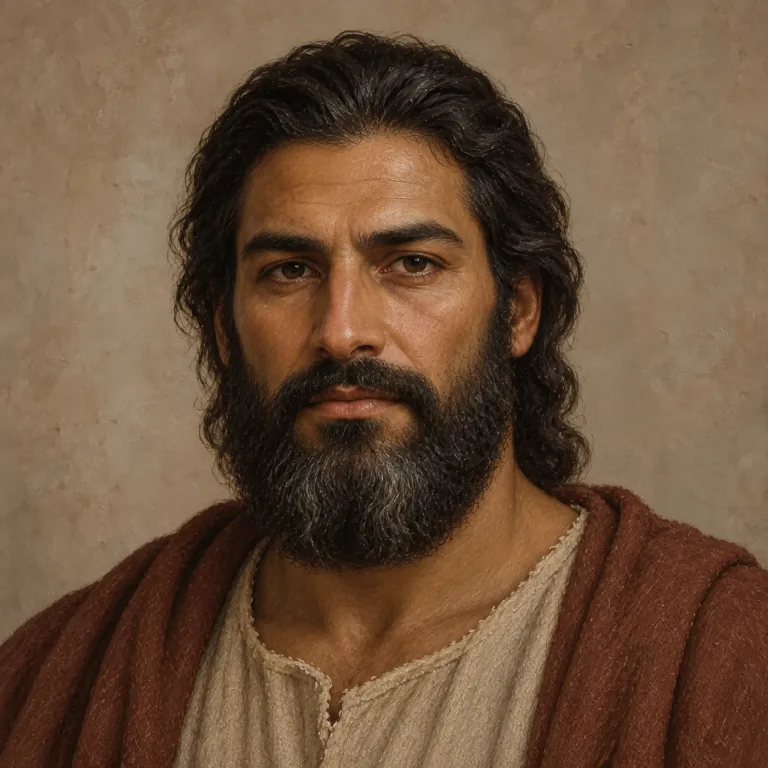
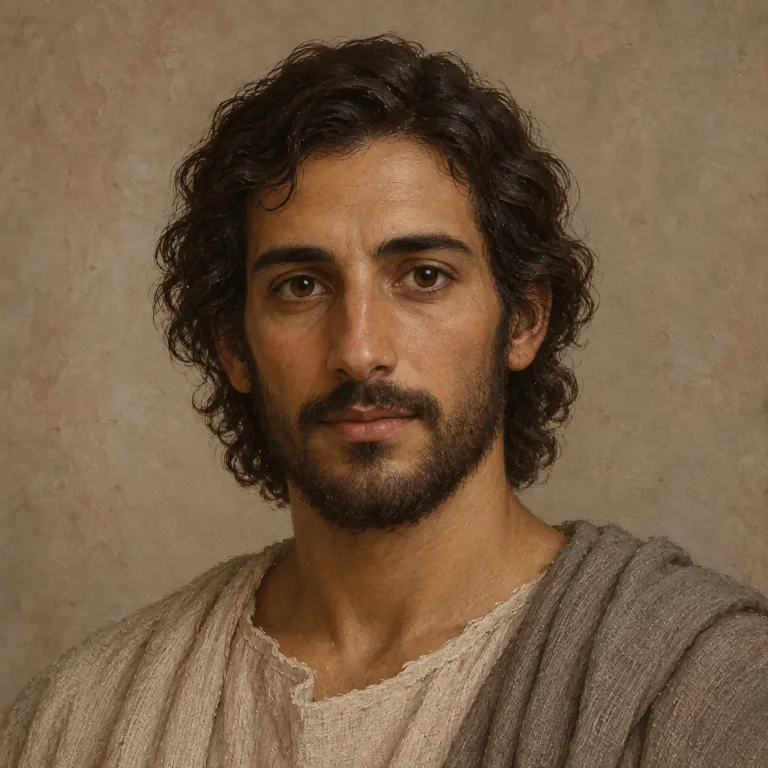
Also indexed here: