The Torah · Old Testament
Exodus 18
Jethro visits Moses and advises him to share the work of judging
General context
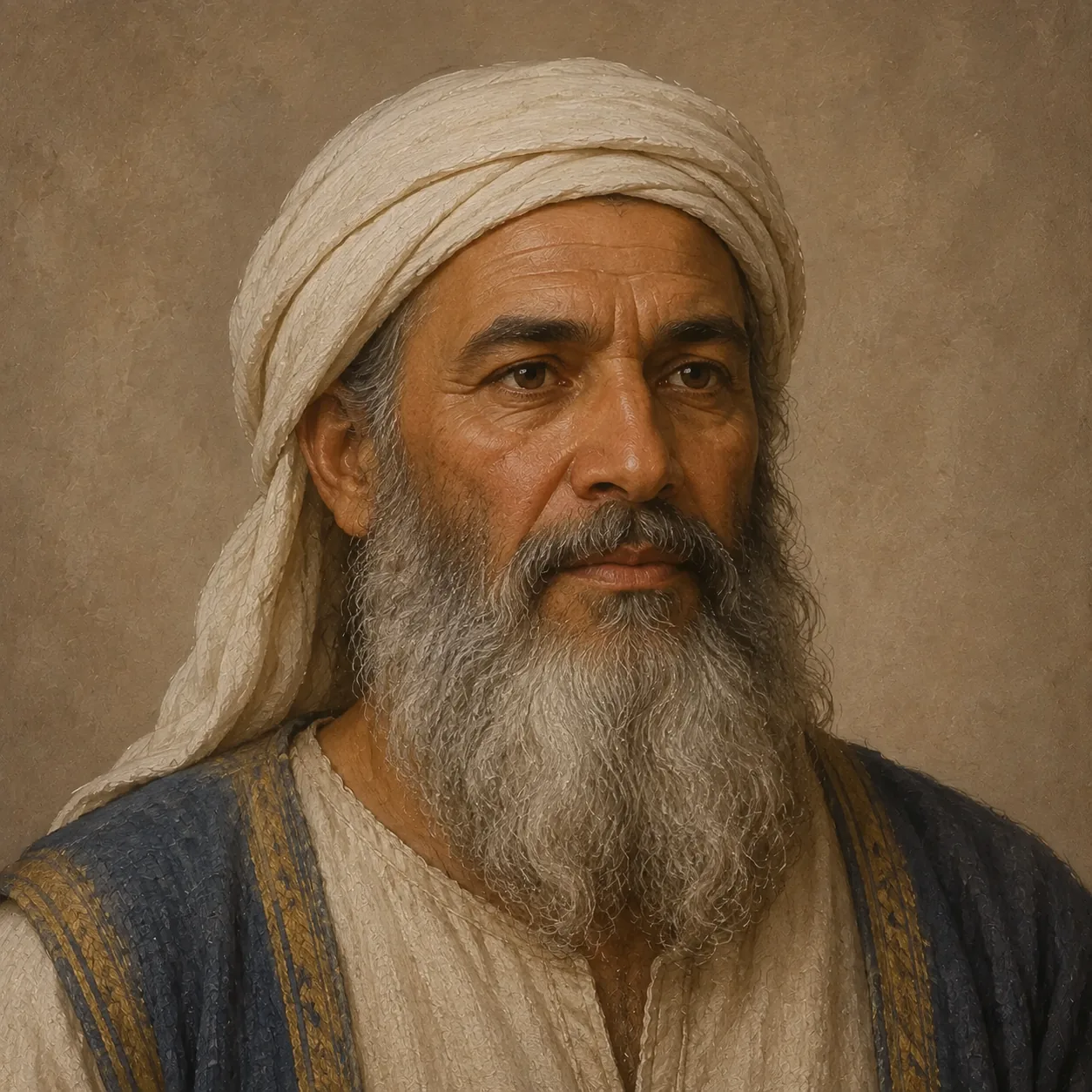
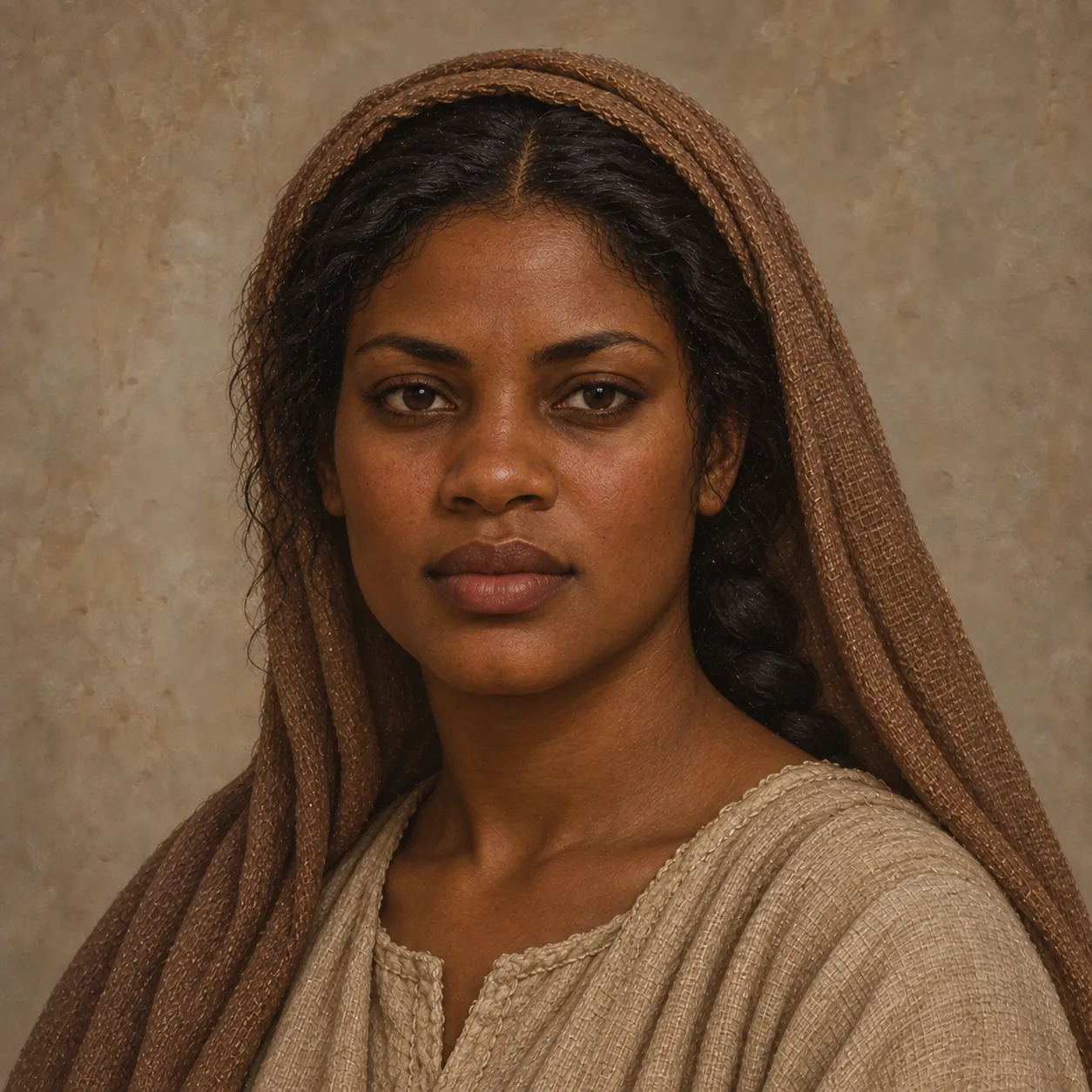
Jethro, the priest of Midian and Moses' father-in-law, hears of Israel's deliverance and brings Zipporah and her sons Gershom and Eliezer to Moses at the mount of God. Moses greets him and recounts the rescue from Egypt and the hardships along the way. Jethro rejoices, blesses the Lord and declares his greatness above all gods. He brings offerings, and Aaron and Israel's elders share a meal with him before God. The next day Jethro sees Moses judging while the people stand around him from morning to evening. Moses explains that they come to inquire of God and settle disputes. Jethro warns that the burden is too great for Moses and the people. He advises Moses to continue representing the people before God and teaching them, while appointing capable, truthful men who fear God and hate dishonest gain to judge smaller matters. Greater matters are to reach Moses. Jethro makes his proposed outcome conditional on Moses doing this and God commanding it. Moses follows the counsel and appoints leaders over groups of different sizes. They handle smaller cases and bring hard ones to him. Jethro then returns to his own land.
Cited passages: Exodus 18:1, Exodus 18:2, Exodus 18:3, Exodus 18:4, Exodus 18:5, Exodus 18:6, Exodus 18:7, Exodus 18:8, Exodus 18:9, Exodus 18:10, Exodus 18:11, Exodus 18:12, Exodus 18:13, Exodus 18:14, Exodus 18:15, Exodus 18:16, Exodus 18:17, Exodus 18:18, Exodus 18:19, Exodus 18:20, Exodus 18:21, Exodus 18:22, Exodus 18:23, Exodus 18:24, Exodus 18:25, Exodus 18:26, Exodus 18:27
Exodus 18 (KJV)
1When Jethro, the priest of Midian, Moses’ father in law, heard of all that God had done for Moses, and for Israel his people, and that the Lord had brought Israel out of Egypt;
2Then Jethro, Moses’ father in law, took Zipporah, Moses’ wife, after he had sent her back,
3And her two sons; of which the name of the one was Gershom; for he said, I have been an alien in a strange land:
4And the name of the other was Eliezer; for the God of my father, said he, was mine help, and delivered me from the sword of Pharaoh:
5And Jethro, Moses’ father in law, came with his sons and his wife unto Moses into the wilderness, where he encamped at the mount of God:
6And he said unto Moses, I thy father in law Jethro am come unto thee, and thy wife, and her two sons with her.
7And Moses went out to meet his father in law, and did obeisance, and kissed him; and they asked each other of their welfare; and they came into the tent.
8And Moses told his father in law all that the Lord had done unto Pharaoh and to the Egyptians for Israel’s sake, and all the travail that had come upon them by the way, and how the Lord delivered them.
9And Jethro rejoiced for all the goodness which the Lord had done to Israel, whom he had delivered out of the hand of the Egyptians.
10And Jethro said, Blessed be the Lord, who hath delivered you out of the hand of the Egyptians, and out of the hand of Pharaoh, who hath delivered the people from under the hand of the Egyptians.
11Now I know that the Lord is greater than all gods: for in the thing wherein they dealt proudly he was above them.
12And Jethro, Moses’ father in law, took a burnt offering and sacrifices for God: and Aaron came, and all the elders of Israel, to eat bread with Moses’ father in law before God.
13And it came to pass on the morrow, that Moses sat to judge the people: and the people stood by Moses from the morning unto the evening.
14And when Moses’ father in law saw all that he did to the people, he said, What is this thing that thou doest to the people? why sittest thou thyself alone, and all the people stand by thee from morning unto even?
15And Moses said unto his father in law, Because the people come unto me to enquire of God:
16When they have a matter, they come unto me; and I judge between one and another, and I do make them know the statutes of God, and his laws.
17And Moses’ father in law said unto him, The thing that thou doest is not good.
18Thou wilt surely wear away, both thou, and this people that is with thee: for this thing is too heavy for thee; thou art not able to perform it thyself alone.
19Hearken now unto my voice, I will give thee counsel, and God shall be with thee: Be thou for the people to God-ward, that thou mayest bring the causes unto God:
20And thou shalt teach them ordinances and laws, and shalt shew them the way wherein they must walk, and the work that they must do.
21Moreover thou shalt provide out of all the people able men, such as fear God, men of truth, hating covetousness; and place such over them, to be rulers of thousands, and rulers of hundreds, rulers of fifties, and rulers of tens:
22And let them judge the people at all seasons: and it shall be, that every great matter they shall bring unto thee, but every small matter they shall judge: so shall it be easier for thyself, and they shall bear the burden with thee.
23If thou shalt do this thing, and God command thee so, then thou shalt be able to endure, and all this people shall also go to their place in peace.
24So Moses hearkened to the voice of his father in law, and did all that he had said.
25And Moses chose able men out of all Israel, and made them heads over the people, rulers of thousands, rulers of hundreds, rulers of fifties, and rulers of tens.
26And they judged the people at all seasons: the hard causes they brought unto Moses, but every small matter they judged themselves.
27And Moses let his father in law depart; and he went his way into his own land.
This page shows the King James Version. In the app, reading opens in the Berean Standard Bible unless you have chosen another translation. The reader includes five translations: the Berean Standard Bible (BSB), the King James Version (KJV), the World English Bible (WEB), the Bible in Basic English (BBE), and the American Standard Version (ASV). Search covers three of them: Berean Standard, King James, and World English. Basic English and American Standard readers search the King James words.
Historical context
The chapter calls Zipporah Moses' wife and says she had been sent back, without explaining when or why. It names her two sons and relates Gershom's name to being a stranger and Eliezer's to divine help and rescue from Pharaoh's sword. Jethro's title and relationship are given directly; the guide does not reconcile other names for Moses' relatives. The proposed leaders serve thousands, hundreds, fifties and tens. Their qualifications include ability, fear of God, truthfulness and rejection of unjust gain. The passage describes a division of judicial work, without supplying a modern court system or identifying the named leaders individually.
Cited passages: Exodus 18:1, Exodus 18:2, Exodus 18:3, Exodus 18:4, Exodus 18:5, Exodus 18:6, Exodus 18:13, Exodus 18:14, Exodus 18:15, Exodus 18:16, Exodus 18:19, Exodus 18:20, Exodus 18:21, Exodus 18:22, Exodus 18:23, Exodus 18:24, Exodus 18:25, Exodus 18:26, Exodus 18:27
Literary context
Jethro first listens to Moses' account of deliverance, then observes the daily burden of governing disputes. His questions draw out Moses' understanding of his role before the counsel is offered. The warning concerns the risk of wearing out both Moses and the people waiting for him. The proposed arrangement preserves Moses' teaching and representative role while making smaller cases the responsibility of others. The narrative then repeats the proposed group sizes and distinguishes hard from small cases when describing implementation. A family visit thus includes both shared thanksgiving and a practical change in how the people are served.
Cited passages: Exodus 18:7, Exodus 18:8, Exodus 18:9, Exodus 18:10, Exodus 18:11, Exodus 18:12, Exodus 18:13, Exodus 18:14, Exodus 18:15, Exodus 18:16, Exodus 18:17, Exodus 18:18, Exodus 18:19, Exodus 18:20, Exodus 18:21, Exodus 18:22, Exodus 18:23, Exodus 18:24, Exodus 18:25, Exodus 18:26, Exodus 18:27
Key moments
- Moses recounts rescue and hardship (Exodus 18:8). Moses tells Jethro what the Lord did in Egypt and how he delivered Israel through difficulties on the way.
- Jethro warns that the burden is too heavy (Exodus 18:18). Jethro says that both Moses and the people will wear out under the current arrangement.
- The proposed leaders need integrity (Exodus 18:21). Jethro calls for able men who fear God, speak truth and reject covetousness or unjust gain.
- Judging is shared (Exodus 18:26). The appointed leaders judge smaller matters and bring hard cases to Moses.
For reflection
What does Jethro's concern for both Moses and the waiting people add to his advice?
People in this chapter
Also indexed here: