The Torah · Old Testament
Exodus 3
God calls Moses at the burning bush
General context
While tending Jethro's flock, Moses reaches Horeb. The angel of the Lord appears in fire within a bush that is not consumed. God calls Moses from the bush, tells him to remove his shoes on holy ground and identifies himself with Abraham, Isaac and Jacob. The Lord says he has seen Israel's oppression and heard their cry, and sends Moses to Pharaoh to bring them out of Egypt. Moses questions his own suitability and asks what name he should give the people. God promises his presence and answers with the name rendered 'I AM THAT I AM' in the cited King James text. Moses is to gather Israel's elders and go with them to request a three-day journey into the wilderness for sacrifice. God anticipates the king's resistance and promises wonders that will precede their departure. The people are promised favor with the Egyptians and will leave with silver, gold and clothing.
Cited passages: Exodus 3:1, Exodus 3:2, Exodus 3:3, Exodus 3:4, Exodus 3:5, Exodus 3:6, Exodus 3:7, Exodus 3:8, Exodus 3:9, Exodus 3:10, Exodus 3:11, Exodus 3:12, Exodus 3:13, Exodus 3:14, Exodus 3:15, Exodus 3:16, Exodus 3:17, Exodus 3:18, Exodus 3:19, Exodus 3:20, Exodus 3:21, Exodus 3:22
Exodus 3 (KJV)
1Now Moses kept the flock of Jethro his father in law, the priest of Midian: and he led the flock to the backside of the desert, and came to the mountain of God, even to Horeb.
2And the angel of the Lord appeared unto him in a flame of fire out of the midst of a bush: and he looked, and, behold, the bush burned with fire, and the bush was not consumed.
3And Moses said, I will now turn aside, and see this great sight, why the bush is not burnt.
4And when the Lord saw that he turned aside to see, God called unto him out of the midst of the bush, and said, Moses, Moses. And he said, Here am I.
5And he said, Draw not nigh hither: put off thy shoes from off thy feet, for the place whereon thou standest is holy ground.
6Moreover he said, I am the God of thy father, the God of Abraham, the God of Isaac, and the God of Jacob. And Moses hid his face; for he was afraid to look upon God.
7And the Lord said, I have surely seen the affliction of my people which are in Egypt, and have heard their cry by reason of their taskmasters; for I know their sorrows;
8And I am come down to deliver them out of the hand of the Egyptians, and to bring them up out of that land unto a good land and a large, unto a land flowing with milk and honey; unto the place of the Canaanites, and the Hittites, and the Amorites, and the Perizzites, and the Hivites, and the Jebusites.
9Now therefore, behold, the cry of the children of Israel is come unto me: and I have also seen the oppression wherewith the Egyptians oppress them.
10Come now therefore, and I will send thee unto Pharaoh, that thou mayest bring forth my people the children of Israel out of Egypt.
11And Moses said unto God, Who am I, that I should go unto Pharaoh, and that I should bring forth the children of Israel out of Egypt?
12And he said, Certainly I will be with thee; and this shall be a token unto thee, that I have sent thee: When thou hast brought forth the people out of Egypt, ye shall serve God upon this mountain.
13And Moses said unto God, Behold, when I come unto the children of Israel, and shall say unto them, The God of your fathers hath sent me unto you; and they shall say to me, What is his name? what shall I say unto them?
14And God said unto Moses, I AM THAT I AM: and he said, Thus shalt thou say unto the children of Israel, I AM hath sent me unto you.
15And God said moreover unto Moses, Thus shalt thou say unto the children of Israel, The Lord God of your fathers, the God of Abraham, the God of Isaac, and the God of Jacob, hath sent me unto you: this is my name for ever, and this is my memorial unto all generations.
16Go, and gather the elders of Israel together, and say unto them, The Lord God of your fathers, the God of Abraham, of Isaac, and of Jacob, appeared unto me, saying, I have surely visited you, and seen that which is done to you in Egypt:
17And I have said, I will bring you up out of the affliction of Egypt unto the land of the Canaanites, and the Hittites, and the Amorites, and the Perizzites, and the Hivites, and the Jebusites, unto a land flowing with milk and honey.
18And they shall hearken to thy voice: and thou shalt come, thou and the elders of Israel, unto the king of Egypt, and ye shall say unto him, The Lord God of the Hebrews hath met with us: and now let us go, we beseech thee, three days’ journey into the wilderness, that we may sacrifice to the Lord our God.
19And I am sure that the king of Egypt will not let you go, no, not by a mighty hand.
20And I will stretch out my hand, and smite Egypt with all my wonders which I will do in the midst thereof: and after that he will let you go.
21And I will give this people favour in the sight of the Egyptians: and it shall come to pass, that, when ye go, ye shall not go empty:
22But every woman shall borrow of her neighbour, and of her that sojourneth in her house, jewels of silver, and jewels of gold, and raiment: and ye shall put them upon your sons, and upon your daughters; and ye shall spoil the Egyptians.
This page shows the King James Version. In the app, reading opens in the Berean Standard Bible unless you have chosen another translation. The reader includes five translations: the Berean Standard Bible (BSB), the King James Version (KJV), the World English Bible (WEB), the Bible in Basic English (BBE), and the American Standard Version (ASV). Search covers three of them: Berean Standard, King James, and World English. Basic English and American Standard readers search the King James words.
Historical context
The setting names Horeb and identifies Jethro as Moses' father-in-law and the priest of Midian. The promised destination is described through its abundance and the peoples living there. Moses' commission joins the suffering of the people in Egypt to the God of their ancestors. The elders are to accompany the request to Pharaoh. The requested three-day journey concerns sacrifice in the wilderness. The passage supplies no date for these events or personal name for this king. The divine name is quoted here in the King James wording; this guide does not attempt an exhaustive account of its meaning. The final instruction uses 'borrow' in King James and 'ask' in the American Standard Version. It does not describe a repayment arrangement.
Cited passages: Exodus 3:1, Exodus 3:6, Exodus 3:7, Exodus 3:8, Exodus 3:10, Exodus 3:12, Exodus 3:14, Exodus 3:15, Exodus 3:16, Exodus 3:17, Exodus 3:18, Exodus 3:19, Exodus 3:20, Exodus 3:21, Exodus 3:22
Literary context
Moses turns aside to examine the bush before receiving a task directed toward Israel's suffering. God's statements about seeing, hearing and knowing that suffering lead into the command to go to Pharaoh. Moses' questions about himself and the sender's name receive answers centered on divine presence and identity. The promise that the freed people will serve God on this mountain places a future return within the commission. The closing instructions anticipate resistance as well as departure, so the call does not promise an immediate welcome from the king.
Cited passages: Exodus 3:2, Exodus 3:3, Exodus 3:4, Exodus 3:7, Exodus 3:9, Exodus 3:10, Exodus 3:11, Exodus 3:12, Exodus 3:13, Exodus 3:14, Exodus 3:15, Exodus 3:16, Exodus 3:18, Exodus 3:19, Exodus 3:20
Key moments
- A bush burns without being consumed (Exodus 3:2). Moses sees fire in the bush while it remains unconsumed.
- Moses is sent to Pharaoh (Exodus 3:10). The Lord commissions Moses to bring Israel out of Egypt.
- A promise of presence (Exodus 3:12). God promises to be with Moses and describes the people serving him on this mountain.
- The elders are to accompany Moses (Exodus 3:18). Moses and the elders are to ask the king for a journey into the wilderness to sacrifice.
For reflection
How does God's answer to Moses' question about himself direct attention toward the one who sends him?
People in this chapter
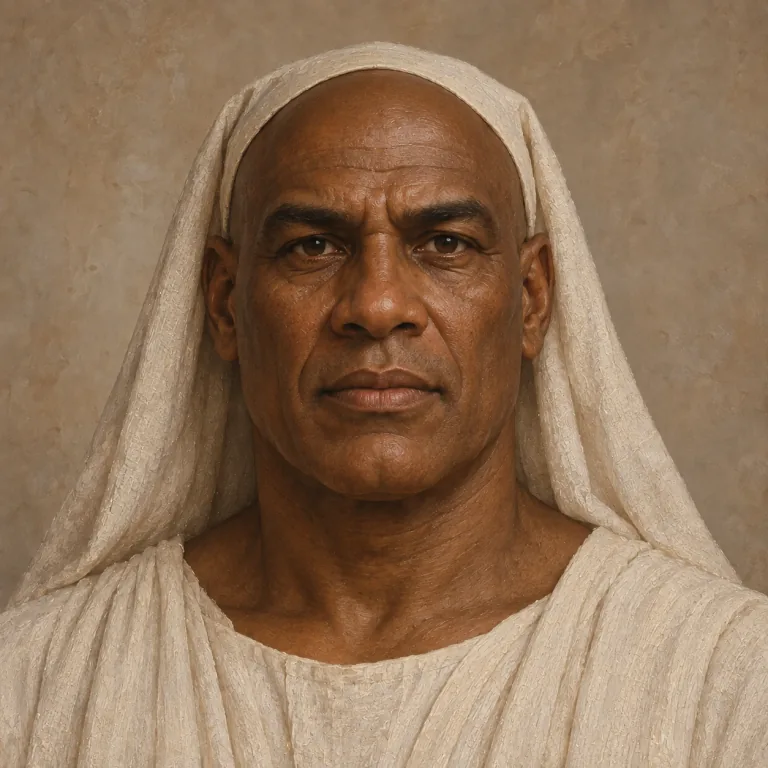
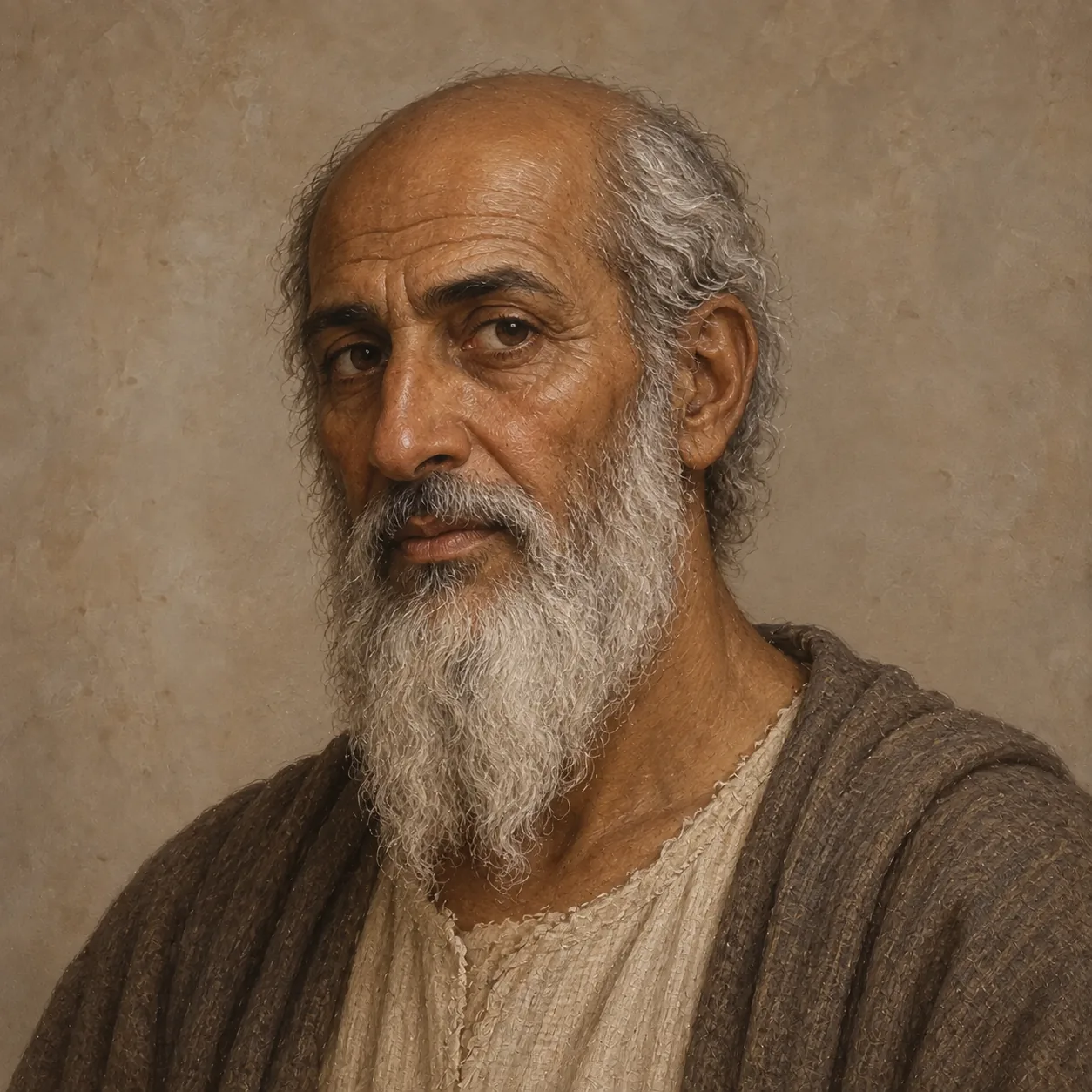
Also indexed here: