The Torah · Old Testament
Numbers 27
The daughters' inheritance and Joshua's commission
General context
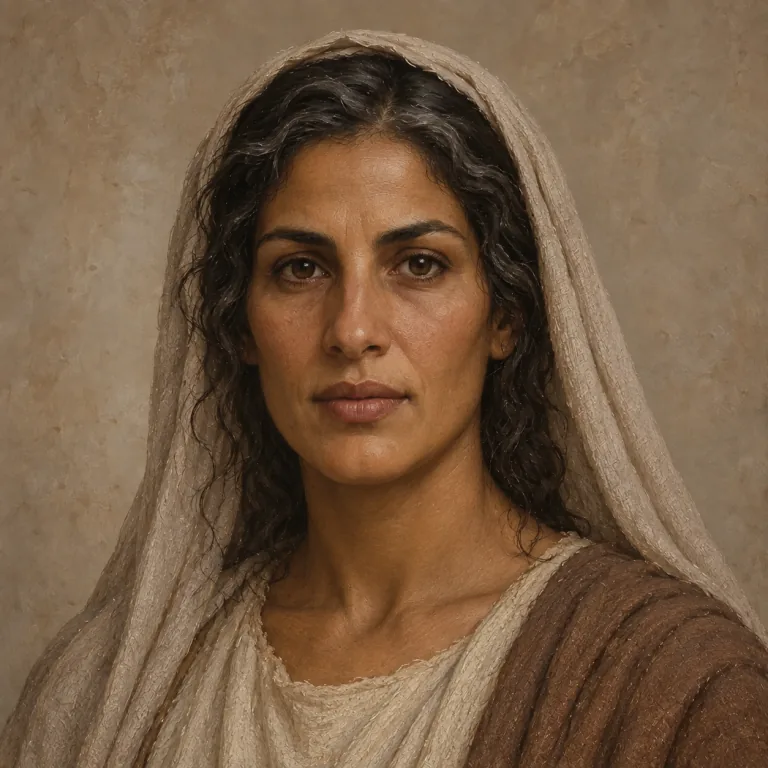
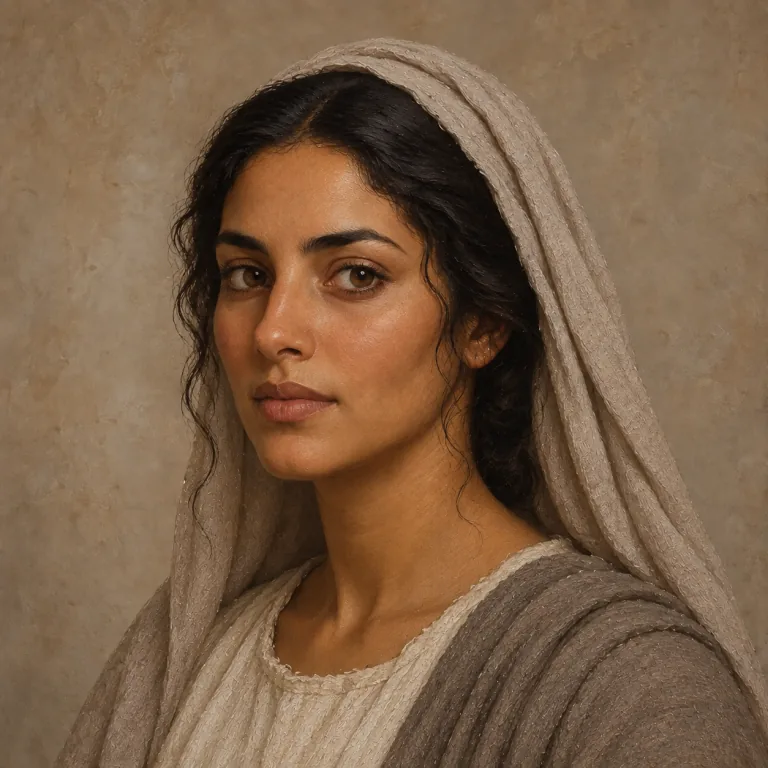
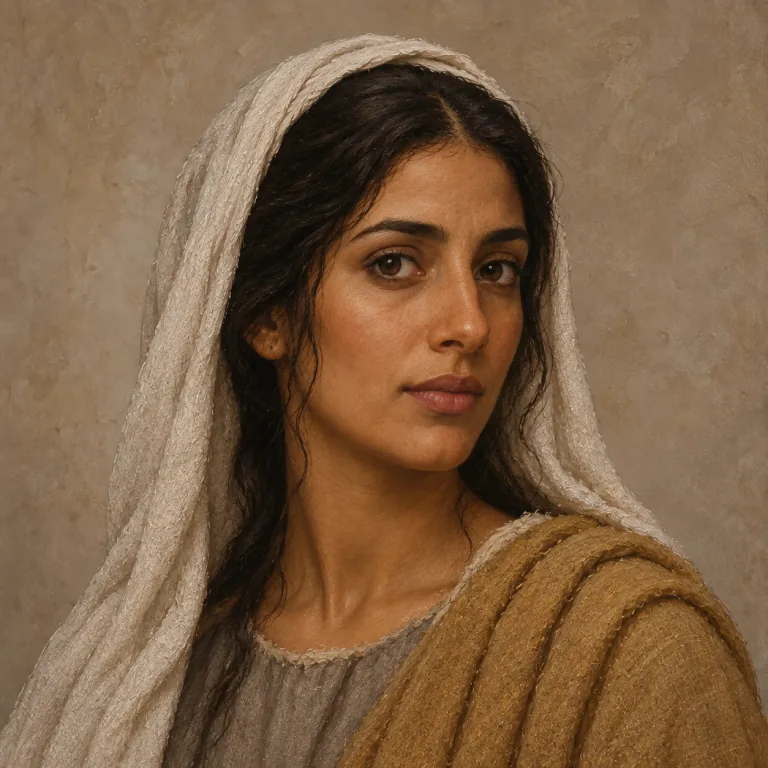
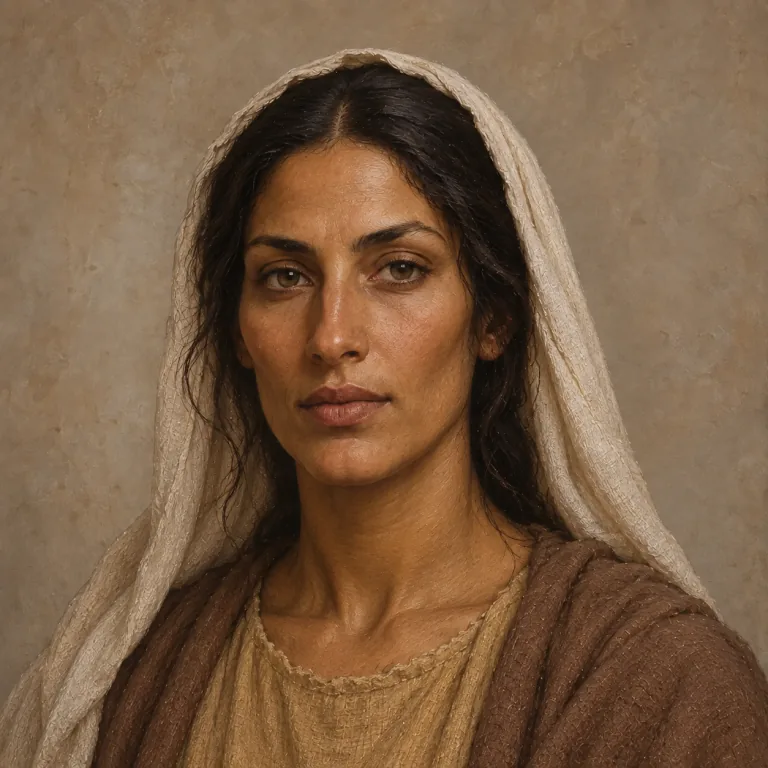
Mahlah, Noah, Hoglah, Milcah and Tirzah ask for a possession among their father's relatives because Zelophehad died without a son. They say he was not part of Korah's company, and Moses brings their case before the Lord. The Lord declares that they speak rightly and commands that the inheritance pass to them, followed by a wider order of succession when a man leaves no son. Moses then hears that he will see the land and afterward die, with the announcement recalling his rebellion at Meribah. He asks for a leader so the congregation will not be like sheep without a shepherd. Joshua is chosen, and Moses lays hands on him and commissions him publicly.
Cited passages: Numbers 27:1, Numbers 27:2, Numbers 27:3, Numbers 27:4, Numbers 27:5, Numbers 27:6, Numbers 27:7, Numbers 27:8, Numbers 27:9, Numbers 27:10, Numbers 27:11, Numbers 27:12, Numbers 27:13, Numbers 27:14, Numbers 27:15, Numbers 27:16, Numbers 27:17, Numbers 27:18, Numbers 27:19, Numbers 27:20, Numbers 27:21, Numbers 27:22, Numbers 27:23
Numbers 27 (KJV)
1Then came the daughters of Zelophehad, the son of Hepher, the son of Gilead, the son of Machir, the son of Manasseh, of the families of Manasseh the son of Joseph: and these are the names of his daughters; Mahlah, Noah, and Hoglah, and Milcah, and Tirzah.
2And they stood before Moses, and before Eleazar the priest, and before the princes and all the congregation, by the door of the tabernacle of the congregation, saying,
3Our father died in the wilderness, and he was not in the company of them that gathered themselves together against the Lord in the company of Korah; but died in his own sin, and had no sons.
4Why should the name of our father be done away from among his family, because he hath no son? Give unto us therefore a possession among the brethren of our father.
5And Moses brought their cause before the Lord.
6And the Lord spake unto Moses, saying,
7The daughters of Zelophehad speak right: thou shalt surely give them a possession of an inheritance among their father’s brethren; and thou shalt cause the inheritance of their father to pass unto them.
8And thou shalt speak unto the children of Israel, saying, If a man die, and have no son, then ye shall cause his inheritance to pass unto his daughter.
9And if he have no daughter, then ye shall give his inheritance unto his brethren.
10And if he have no brethren, then ye shall give his inheritance unto his father’s brethren.
11And if his father have no brethren, then ye shall give his inheritance unto his kinsman that is next to him of his family, and he shall possess it: and it shall be unto the children of Israel a statute of judgment, as the Lord commanded Moses.
12And the Lord said unto Moses, Get thee up into this mount Abarim, and see the land which I have given unto the children of Israel.
13And when thou hast seen it, thou also shalt be gathered unto thy people, as Aaron thy brother was gathered.
14For ye rebelled against my commandment in the desert of Zin, in the strife of the congregation, to sanctify me at the water before their eyes: that is the water of Meribah in Kadesh in the wilderness of Zin.
15And Moses spake unto the Lord, saying,
16Let the Lord, the God of the spirits of all flesh, set a man over the congregation,
17Which may go out before them, and which may go in before them, and which may lead them out, and which may bring them in; that the congregation of the Lord be not as sheep which have no shepherd.
18And the Lord said unto Moses, Take thee Joshua the son of Nun, a man in whom is the spirit, and lay thine hand upon him;
19And set him before Eleazar the priest, and before all the congregation; and give him a charge in their sight.
20And thou shalt put some of thine honour upon him, that all the congregation of the children of Israel may be obedient.
21And he shall stand before Eleazar the priest, who shall ask counsel for him after the judgment of Urim before the Lord: at his word shall they go out, and at his word they shall come in, both he, and all the children of Israel with him, even all the congregation.
22And Moses did as the Lord commanded him: and he took Joshua, and set him before Eleazar the priest, and before all the congregation:
23And he laid his hands upon him, and gave him a charge, as the Lord commanded by the hand of Moses.
This page shows the King James Version. In the app, reading opens in the Berean Standard Bible unless you have chosen another translation. The reader includes five translations: the Berean Standard Bible (BSB), the King James Version (KJV), the World English Bible (WEB), the Bible in Basic English (BBE), and the American Standard Version (ASV). Search covers three of them: Berean Standard, King James, and World English. Basic English and American Standard readers search the King James words.
Historical context
The sisters' lineage runs through Hepher, Gilead and Machir to Manasseh. Their petition is presented before Moses, Eleazar, the leaders and congregation at the tent entrance. The ruling places a daughter next when there is no son, then names brothers, the father's brothers and the nearest family kinsman. Joshua's commission also occurs before Eleazar and the congregation. He is to receive some of Moses' honor, while Eleazar inquires for him through the Urim. No mechanism for the Urim is explained here.
Cited passages: Numbers 27:1, Numbers 27:2, Numbers 27:3, Numbers 27:4, Numbers 27:5, Numbers 27:6, Numbers 27:7, Numbers 27:8, Numbers 27:9, Numbers 27:10, Numbers 27:11, Numbers 27:18, Numbers 27:19, Numbers 27:20, Numbers 27:21, Numbers 27:22, Numbers 27:23
Literary context
Two questions about continuity after death stand side by side: who receives a father's inheritance, and who leads the congregation after Moses. Both are brought before the Lord and answered with directions carried out or to be carried out publicly. The sisters' collective speech is affirmed before the general inheritance rule is stated. Moses' shepherd image then directs attention to the people who will need leadership. His death is announced here, but the chapter ends with Joshua's commission, not Moses' death.
Cited passages: Numbers 27:2, Numbers 27:3, Numbers 27:4, Numbers 27:5, Numbers 27:6, Numbers 27:7, Numbers 27:8, Numbers 27:9, Numbers 27:10, Numbers 27:11, Numbers 27:12, Numbers 27:13, Numbers 27:14, Numbers 27:15, Numbers 27:16, Numbers 27:17, Numbers 27:18, Numbers 27:19, Numbers 27:20, Numbers 27:21, Numbers 27:22, Numbers 27:23
Key moments
- A request for a possession (Numbers 27:4). The sisters ask why their father's name should disappear because he had no son.
- The request is affirmed (Numbers 27:7). The Lord declares that the daughters speak rightly and orders an inheritance for them.
- Joshua is commissioned (Numbers 27:23). Moses lays his hands on Joshua and gives him the charge as commanded.
For reflection
What allows a particular family's request to expose a question for the wider community? How do the two scenes address responsibilities that will continue after someone's death?
People in this chapter
Also indexed here: