The Torah · Old Testament
Deuteronomy 34
Moses sees the land and dies in Moab
General context
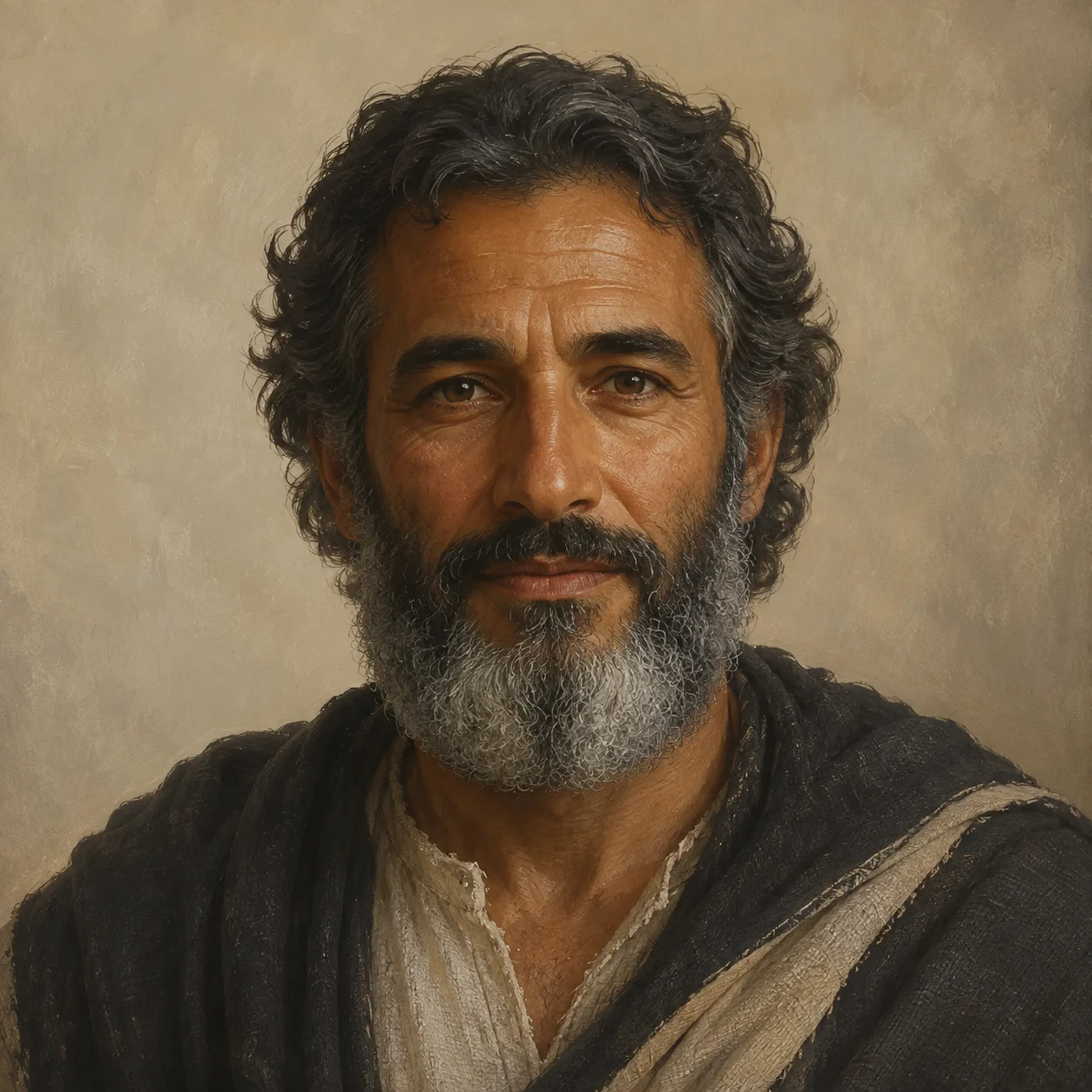
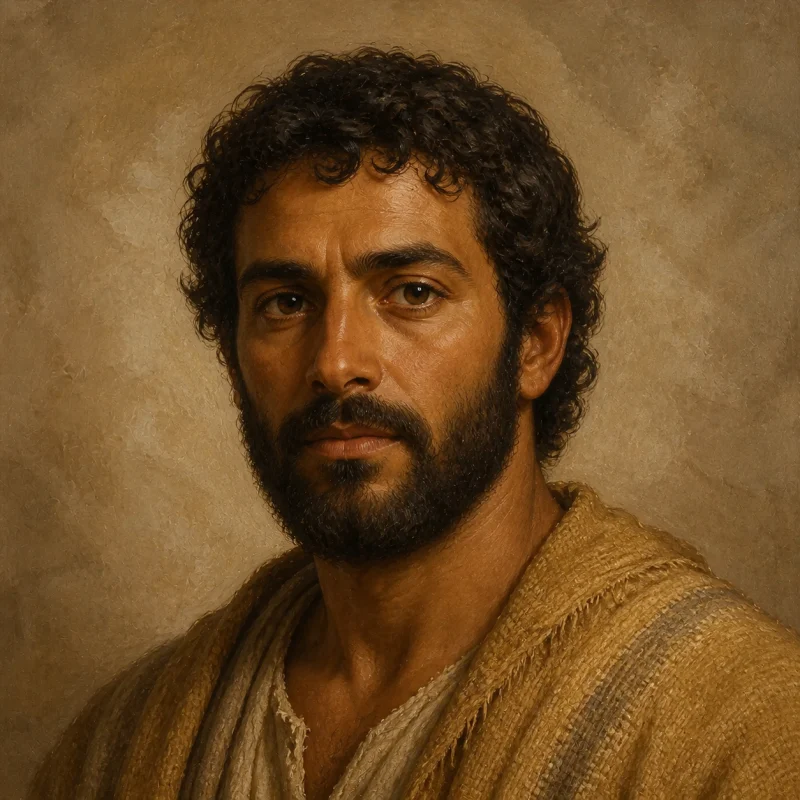
Moses climbs from the plains of Moab to Nebo, at the top of Pisgah opposite Jericho. The Lord shows him the land and recalls the oath to Abraham, Isaac and Jacob, while repeating that Moses will see it without crossing into it. Moses dies in Moab as the Lord has said. His burial is placed in a valley opposite Beth-peor, with its exact location unknown in the narrator's day. He is 120, with undimmed eyes and unabated strength. Israel mourns for thirty days. Joshua is full of the spirit of wisdom because Moses has laid hands on him, and the people listen to him. The final tribute says no prophet like Moses has arisen in Israel since, recalling his face-to-face relationship with the Lord and the signs and mighty acts in Egypt and before Israel.
Cited passages: Deuteronomy 34:1, Deuteronomy 34:2, Deuteronomy 34:3, Deuteronomy 34:4, Deuteronomy 34:5, Deuteronomy 34:6, Deuteronomy 34:7, Deuteronomy 34:8, Deuteronomy 34:9, Deuteronomy 34:10, Deuteronomy 34:11, Deuteronomy 34:12
Deuteronomy 34 (KJV)
1And Moses went up from the plains of Moab unto the mountain of Nebo, to the top of Pisgah, that is over against Jericho. And the Lord shewed him all the land of Gilead, unto Dan,
2And all Naphtali, and the land of Ephraim, and Manasseh, and all the land of Judah, unto the utmost sea,
3And the south, and the plain of the valley of Jericho, the city of palm trees, unto Zoar.
4And the Lord said unto him, This is the land which I sware unto Abraham, unto Isaac, and unto Jacob, saying, I will give it unto thy seed: I have caused thee to see it with thine eyes, but thou shalt not go over thither.
5So Moses the servant of the Lord died there in the land of Moab, according to the word of the Lord.
6And he buried him in a valley in the land of Moab, over against Beth-peor: but no man knoweth of his sepulchre unto this day.
7And Moses was an hundred and twenty years old when he died: his eye was not dim, nor his natural force abated.
8And the children of Israel wept for Moses in the plains of Moab thirty days: so the days of weeping and mourning for Moses were ended.
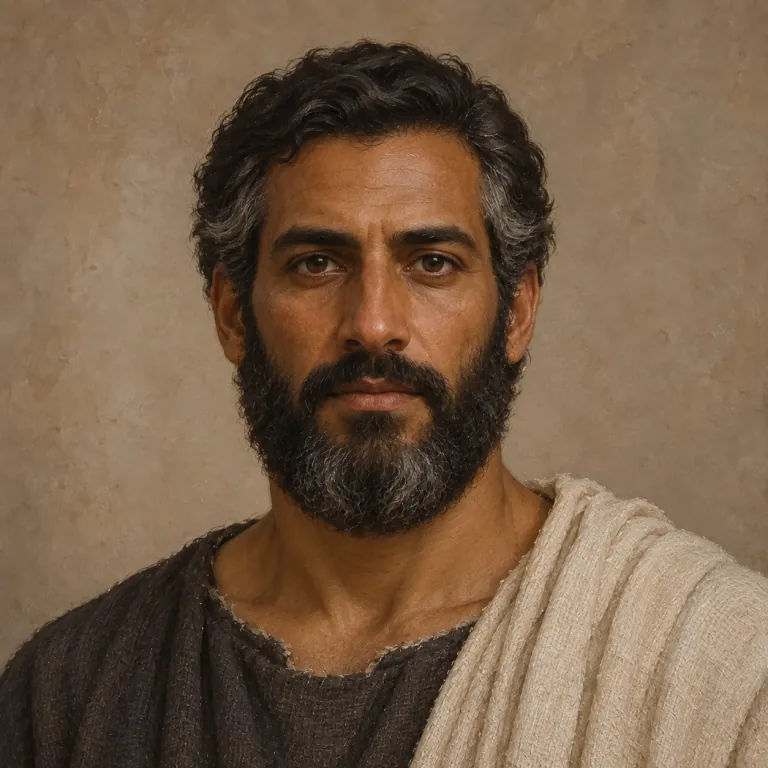
9And Joshua the son of Nun was full of the spirit of wisdom; for Moses had laid his hands upon him: and the children of Israel hearkened unto him, and did as the Lord commanded Moses.
10And there arose not a prophet since in Israel like unto Moses, whom the Lord knew face to face,
11In all the signs and the wonders, which the Lord sent him to do in the land of Egypt to Pharaoh, and to all his servants, and to all his land,
12And in all that mighty hand, and in all the great terror which Moses shewed in the sight of all Israel.
This page shows the King James Version. In the app, reading opens in the Berean Standard Bible unless you have chosen another translation. The reader includes five translations: the Berean Standard Bible (BSB), the King James Version (KJV), the World English Bible (WEB), the Bible in Basic English (BBE), and the American Standard Version (ASV). Search covers three of them: Berean Standard, King James, and World English. Basic English and American Standard readers search the King James words.
Historical context
The final scene locates Moses east of the Jordan and surveys the promised land by named regions, from Gilead and Dan through the tribal lands to the sea and southward to Zoar. It gives no coordinates for the grave. In verse 6 the KJV and ASV say he buried him; the BBE explicitly names the Lord as the one who puts Moses to rest. The narrator's until this day and no prophet since mark a retrospective voice without identifying the writer or date. The description of Moses' strength at death stands beside his earlier statement that he could no longer go out and come in; the text supplies no medical explanation for that difference.
Cited passages: Deuteronomy 34:1, Deuteronomy 34:2, Deuteronomy 34:3, Deuteronomy 34:4, Deuteronomy 34:5, Deuteronomy 34:6, Deuteronomy 34:7, Deuteronomy 34:10, Deuteronomy 34:11, Deuteronomy 34:12, Deuteronomy 31:2
Literary context
Seeing and crossing are separated at the climax: the promise is displayed to Moses, while entering it belongs to the people under his successor. Death, mourning and Joshua's recognized wisdom provide a transition, but the book closes by looking back to Moses. The last tribute joins personal encounter with public action: known face to face by the Lord, he performs signs before Pharaoh and mighty acts in Israel's sight. The ending honors his distinct place while allowing the people's journey to continue.
Cited passages: Deuteronomy 34:4, Deuteronomy 34:5, Deuteronomy 34:6, Deuteronomy 34:7, Deuteronomy 34:8, Deuteronomy 34:9, Deuteronomy 34:10, Deuteronomy 34:11, Deuteronomy 34:12
Key moments
- The promise is shown (Deuteronomy 34:4). The Lord recalls the ancestral oath and allows Moses to see the land he will not cross into.
- Death in Moab (Deuteronomy 34:5). Moses dies in Moab, described as the Lord's servant.
- Thirty days of mourning (Deuteronomy 34:8). Israel weeps for Moses in the plains of Moab before the mourning ends.
- Joshua is heard (Deuteronomy 34:9). The people listen to Joshua, whose wisdom is linked to Moses' laying on of hands.
- A prophet remembered as unique (Deuteronomy 34:10). The narrator closes with Moses' unmatched prophetic place in Israel up to that point.
For reflection
Moses sees a future he will not personally enter. What can you help prepare whose completion may belong to someone else's work?
People in this chapter
Also indexed here: