The Torah · Old Testament
Genesis 39
Joseph refuses his master's wife and is imprisoned
General context
Potiphar buys Joseph in Egypt. The Lord is with Joseph, and his master puts the household and possessions under his care. Potiphar's wife repeatedly asks Joseph to have sex with her. He refuses, naming his master's trust and the wrong of sinning against God. When she catches his garment, he leaves it in her hand and flees. She uses the garment to support a false account, first to the household men and then to her husband, claiming that Joseph tried to have sex with her and fled when she cried out. Potiphar becomes angry and puts Joseph in the prison where the king's prisoners are held. The Lord remains with Joseph, and the keeper entrusts the prisoners and their work to him. The chapter ends with Joseph still in prison, receiving favor and responsibility there.
Cited passages: Genesis 39:1, Genesis 39:2, Genesis 39:3, Genesis 39:4, Genesis 39:5, Genesis 39:6, Genesis 39:7, Genesis 39:8, Genesis 39:9, Genesis 39:10, Genesis 39:11, Genesis 39:12, Genesis 39:13, Genesis 39:14, Genesis 39:15, Genesis 39:16, Genesis 39:17, Genesis 39:18, Genesis 39:19, Genesis 39:20, Genesis 39:21, Genesis 39:22, Genesis 39:23
Genesis 39 (KJV)
1And Joseph was brought down to Egypt; and Potiphar, an officer of Pharaoh, captain of the guard, an Egyptian, bought him of the hands of the Ishmeelites, which had brought him down thither.
2And the Lord was with Joseph, and he was a prosperous man; and he was in the house of his master the Egyptian.
3And his master saw that the Lord was with him, and that the Lord made all that he did to prosper in his hand.
4And Joseph found grace in his sight, and he served him: and he made him overseer over his house, and all that he had he put into his hand.
5And it came to pass from the time that he had made him overseer in his house, and over all that he had, that the Lord blessed the Egyptian’s house for Joseph’s sake; and the blessing of the Lord was upon all that he had in the house, and in the field.
6And he left all that he had in Joseph’s hand; and he knew not ought he had, save the bread which he did eat. And Joseph was a goodly person, and well favoured.
7And it came to pass after these things, that his master’s wife cast her eyes upon Joseph; and she said, Lie with me.
8But he refused, and said unto his master’s wife, Behold, my master wotteth not what is with me in the house, and he hath committed all that he hath to my hand;
9There is none greater in this house than I; neither hath he kept back any thing from me but thee, because thou art his wife: how then can I do this great wickedness, and sin against God?
10And it came to pass, as she spake to Joseph day by day, that he hearkened not unto her, to lie by her, or to be with her.
11And it came to pass about this time, that Joseph went into the house to do his business; and there was none of the men of the house there within.
12And she caught him by his garment, saying, Lie with me: and he left his garment in her hand, and fled, and got him out.
13And it came to pass, when she saw that he had left his garment in her hand, and was fled forth,
14That she called unto the men of her house, and spake unto them, saying, See, he hath brought in an Hebrew unto us to mock us; he came in unto me to lie with me, and I cried with a loud voice:
15And it came to pass, when he heard that I lifted up my voice and cried, that he left his garment with me, and fled, and got him out.
16And she laid up his garment by her, until his lord came home.
17And she spake unto him according to these words, saying, The Hebrew servant, which thou hast brought unto us, came in unto me to mock me:
18And it came to pass, as I lifted up my voice and cried, that he left his garment with me, and fled out.
19And it came to pass, when his master heard the words of his wife, which she spake unto him, saying, After this manner did thy servant to me; that his wrath was kindled.
20And Joseph’s master took him, and put him into the prison, a place where the king’s prisoners were bound: and he was there in the prison.
21But the Lord was with Joseph, and shewed him mercy, and gave him favour in the sight of the keeper of the prison.
22And the keeper of the prison committed to Joseph’s hand all the prisoners that were in the prison; and whatsoever they did there, he was the doer of it.
23The keeper of the prison looked not to any thing that was under his hand; because the Lord was with him, and that which he did, the Lord made it to prosper.
This page shows the King James Version. In the app, reading opens in the Berean Standard Bible unless you have chosen another translation. The reader includes five translations: the Berean Standard Bible (BSB), the King James Version (KJV), the World English Bible (WEB), the Bible in Basic English (BBE), and the American Standard Version (ASV). Search covers three of them: Berean Standard, King James, and World English. Basic English and American Standard readers search the King James words.
Historical context
Joseph is bought and placed under Potiphar's authority. Potiphar is identified as an Egyptian officer of Pharaoh and captain of the guard; his wife is not named. Her requests continue day after day, and the final confrontation occurs when none of the household men is inside. Joseph's garment stays with her after he flees, and she keeps it until her husband returns. Her account reverses the initiative described by the narrator. The chapter gives no formal trial, sentence length or explanation of why imprisonment is chosen. Its closing scene names the keeper's confidence in Joseph without reporting his release.
Cited passages: Genesis 39:1, Genesis 39:4, Genesis 39:7, Genesis 39:8, Genesis 39:9, Genesis 39:10, Genesis 39:11, Genesis 39:12, Genesis 39:13, Genesis 39:14, Genesis 39:15, Genesis 39:16, Genesis 39:17, Genesis 39:18, Genesis 39:19, Genesis 39:20, Genesis 39:21, Genesis 39:22, Genesis 39:23
Literary context
The repeated statement that the Lord is with Joseph joins the household and prison scenes. In each place, another man entrusts substantial responsibility to him. Between those scenes, the account carefully distinguishes Joseph's refusal and flight from the woman's accusations. The same garment is first left behind in escape and then presented as support for her story. Favor and successful work therefore coexist with enslavement and unjust imprisonment; the final repetition of divine presence does not undo the confinement within this chapter.
Cited passages: Genesis 39:1, Genesis 39:2, Genesis 39:3, Genesis 39:4, Genesis 39:5, Genesis 39:6, Genesis 39:8, Genesis 39:9, Genesis 39:10, Genesis 39:11, Genesis 39:12, Genesis 39:14, Genesis 39:15, Genesis 39:16, Genesis 39:17, Genesis 39:18, Genesis 39:19, Genesis 39:20, Genesis 39:21, Genesis 39:22, Genesis 39:23
Key moments
- Joseph receives household responsibility (Genesis 39:4). Potiphar makes Joseph overseer of his household and entrusts his possessions to him.
- Joseph explains his refusal (Genesis 39:9). Joseph names his master's trust and calls the proposed act a great wrong and a sin against God.
- Joseph leaves the garment and flees (Genesis 39:12). When she catches his garment, Joseph leaves it in her hand and escapes outside.
- The Lord is with Joseph in prison (Genesis 39:21). The narrator reports the Lord's presence and mercy and Joseph's favor with the prison keeper.
For reflection
What does the repetition of God's presence mean within a chapter that ends with Joseph still confined?
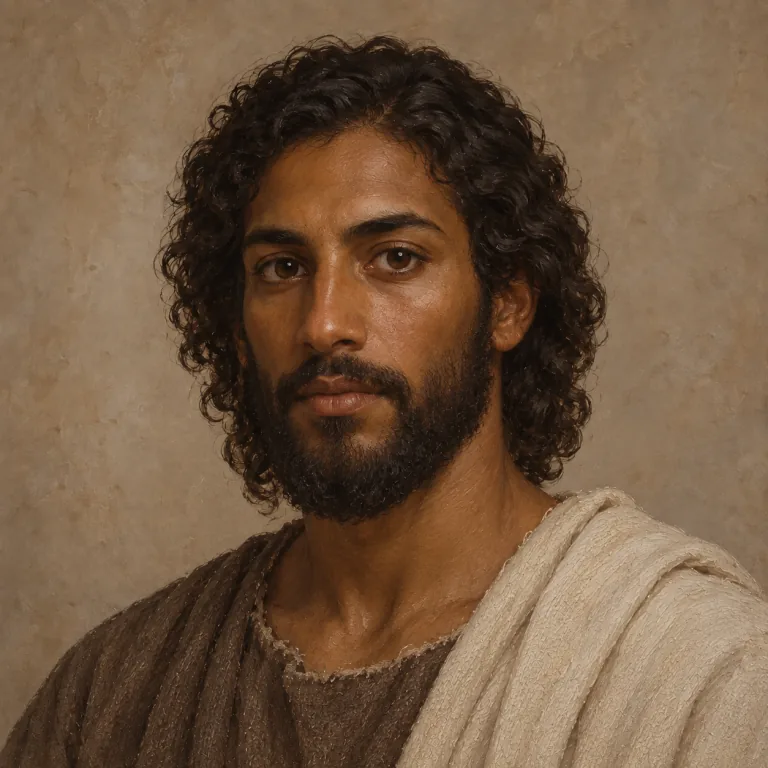
People in this chapter

Also indexed here:
- Pharaoh
- Potiphar