Person in the Old Testament
Eleazar
Eleazar: Aaron’s son, priest and partner in the land allotments
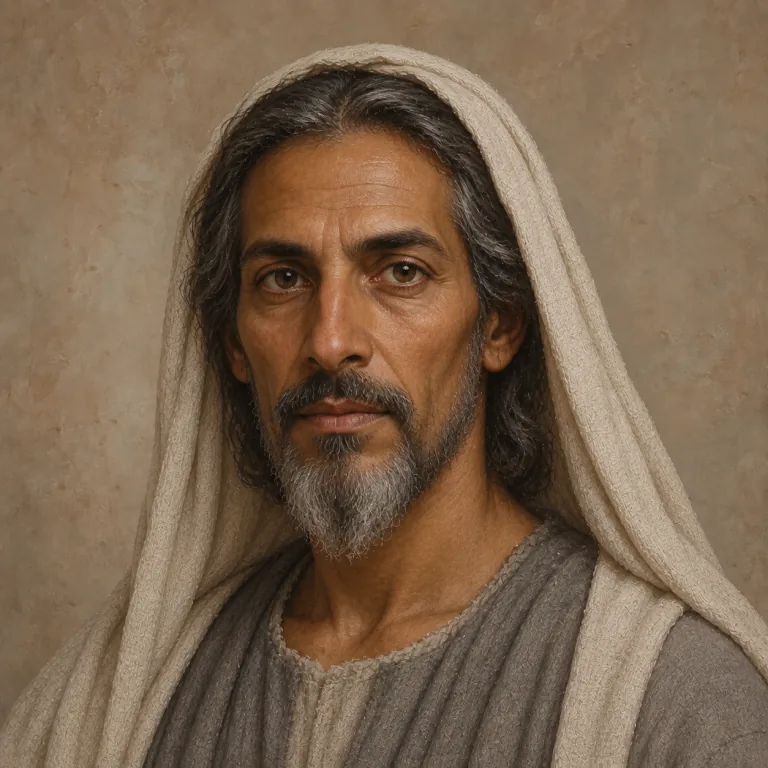
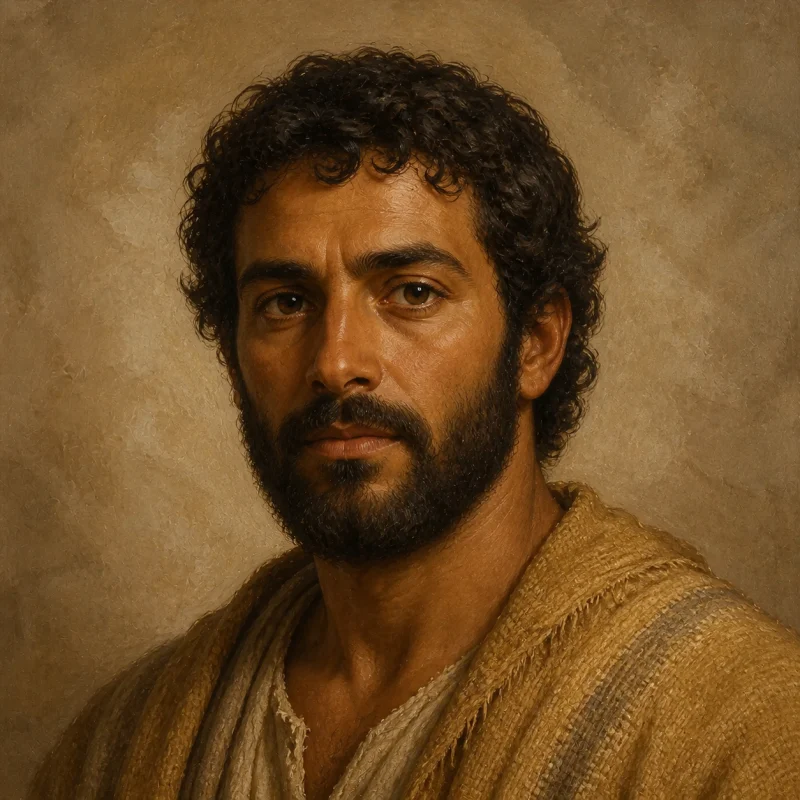
Portrait: an AI-generated artistic interpretation, not evidence of how Eleazar looked.
Who Eleazar is
Eleazar is a son of Aaron and Elisheba, brother of Nadab, Abihu and Ithamar. He marries an unnamed daughter of Putiel, who bears Phinehas. Called to priestly service with Aaron and his brothers, he continues serving with Ithamar after Nadab and Abihu die. Leviticus records Moses' anger with the surviving sons over a burned sin offering; Aaron answers, and Moses accepts his explanation. Numbers assigns Eleazar oversight of those caring for the sanctuary, together with responsibility for the lamp oil, incense, daily meal offering, anointing oil and tabernacle contents. His later work includes the census with Moses and distribution of land with Joshua and the tribal heads.
Cited passages: Exodus 6:23, Exodus 6:25, Exodus 28:1, Numbers 3:4, Leviticus 10:16, Leviticus 10:19, Leviticus 10:20, Numbers 3:32, Numbers 4:16, Numbers 26:1, Numbers 26:2, Numbers 26:3, Joshua 14:1
Historical setting
After the incense-offerers are killed by fire, Eleazar retrieves their censers, which become a covering for the altar and a warning about unauthorized incense offerings. The red-heifer law assigns him duties outside the camp, including sprinkling blood toward the tent seven times; another person slaughters the animal before him. After the Midian campaign, he gives purification instructions and joins Moses in handling the captives and spoils. The surrounding account includes Moses' order to kill male children and women who had had sex, while keeping the other girls alive; the levy given to Eleazar includes captive persons. At Joshua’s commissioning, he stands with the assembly as Moses gives Joshua his charge; Joshua is to seek guidance through Eleazar using the Urim. He helps distribute the land by lot. Zelophehad's daughters bring their inheritance claim before him and Joshua and receive their share under the earlier ruling given through Moses. The Levite family heads likewise approach the leaders for their promised towns, which Israel supplies.
Cited passages: Numbers 16:35, Numbers 16:37, Numbers 16:39, Numbers 16:40, Numbers 19:3, Numbers 19:4, Numbers 31:12, Numbers 31:17, Numbers 31:18, Numbers 31:21, Numbers 31:23, Numbers 31:26, Numbers 31:31, Numbers 31:40, Numbers 31:41, Numbers 27:19, Numbers 27:21, Numbers 27:22, Numbers 27:23, Joshua 19:51, Numbers 27:5, Numbers 27:7, Joshua 17:4, Joshua 21:1, Joshua 21:2, Joshua 21:3
How the story is told
The transfer of Aaron's garments makes Eleazar's succession visible: Moses puts them on him, Aaron dies, and Moses and Eleazar descend. Numbers places this at Mount Hor; Deuteronomy names Mosera when recounting Aaron's death and Eleazar's service in his place. The accounts give different locations without explaining their relationship. Joshua closes with Eleazar's death and burial on the hill belonging to his son Phinehas in Ephraim. References naming Phinehas as Eleazar's son do not assign the son's actions to the father. Chronicles later traces priestly families through Eleazar and Ithamar: its sixteen heads from Eleazar's line and eight from Ithamar's are later family divisions, not counts of their immediate sons. Ezra's genealogy also names Eleazar in the priestly line.
Cited passages: Numbers 20:25, Numbers 20:26, Numbers 20:28, Deuteronomy 10:6, Joshua 24:33, Numbers 25:7, Numbers 31:6, Joshua 22:13, 1 Chronicles 24:3, 1 Chronicles 24:4, 1 Chronicles 24:5, Ezra 7:1, Ezra 7:5
Story moments
- Responsibility for the sanctuary (Numbers 4:16). Eleazar receives oversight of the tabernacle and responsibility for its oil, incense and daily meal offering.
- Aaron’s garments pass to Eleazar (Numbers 20:28). At Mount Hor, Moses places Aaron’s garments on Eleazar before Aaron dies.
- Joshua stands before Eleazar and the assembly (Numbers 27:22). Moses brings Joshua before them for his public commission.
- The land allotments are completed (Joshua 19:51). Eleazar, Joshua and the tribal heads complete the allotments at Shiloh.
- Eleazar is buried in Ephraim (Joshua 24:33). Eleazar dies and is buried on the hill belonging to Phinehas his son.
Key passages
Exodus 6:23
And Aaron took him Elisheba, daughter of Amminadab, sister of Naashon, to wife; and she bare him Nadab, and Abihu, Eleazar, and Ithamar.
Exodus 6:25
And Eleazar Aaron’s son took him one of the daughters of Putiel to wife; and she bare him Phinehas: these are the heads of the fathers of the Levites according to their families.
Exodus 28:1
And take thou unto thee Aaron thy brother, and his sons with him, from among the children of Israel, that he may minister unto me in the priest’s office, even Aaron, Nadab and Abihu, Eleazar and Ithamar, Aaron’s sons.
Leviticus 10:6
And Moses said unto Aaron, and unto Eleazar and unto Ithamar, his sons, Uncover not your heads, neither rend your clothes; lest ye die, and lest wrath come upon all the people: but let your brethren, the whole house of Israel, bewail the burning which the Lord hath kindled.
Leviticus 10:12
And Moses spake unto Aaron, and unto Eleazar and unto Ithamar, his sons that were left, Take the meat offering that remaineth of the offerings of the Lord made by fire, and eat it without leaven beside the altar: for it is most holy:
Leviticus 10:16
And Moses diligently sought the goat of the sin offering, and, behold, it was burnt: and he was angry with Eleazar and Ithamar, the sons of Aaron which were left alive, saying,
King James Version. 61 indexed passages in total.
For reflection
Which responsibilities does the text assign to Eleazar himself, and which belong to Moses, Joshua, Phinehas or later priestly families?
Books Eleazar appears in
Related people

Names and references are adapted from STEPBible TIPNR. A person listed with a verse is named or indexed there; it does not mean they wrote or spoke it.