The Torah · Old Testament
Leviticus 10
Nadab and Abihu die, and Aaron answers Moses
General context
Nadab and Abihu offer incense with fire the Lord has not commanded, and fire from the Lord kills them. Moses speaks of the Lord's holiness, and Aaron remains silent. Mishael and Elzaphan carry the bodies outside the camp. Aaron, Eleazar and Ithamar receive restrictions on mourning and leaving the tabernacle, while Israel may mourn. The Lord tells Aaron that priests must abstain from wine and strong drink when entering the tent, distinguish holy from unholy and clean from unclean, and teach Israel. Moses gives instructions about priestly food, then becomes angry because the sin-offering goat was burned instead of eaten. Aaron asks whether eating it after what has befallen him would have pleased the Lord. Moses accepts his answer.
Cited passages: Leviticus 10:1, Leviticus 10:2, Leviticus 10:3, Leviticus 10:4, Leviticus 10:5, Leviticus 10:6, Leviticus 10:7, Leviticus 10:8, Leviticus 10:9, Leviticus 10:10, Leviticus 10:11, Leviticus 10:12, Leviticus 10:13, Leviticus 10:14, Leviticus 10:15, Leviticus 10:16, Leviticus 10:17, Leviticus 10:18, Leviticus 10:19, Leviticus 10:20
Leviticus 10 (KJV)
1And Nadab and Abihu, the sons of Aaron, took either of them his censer, and put fire therein, and put incense thereon, and offered strange fire before the Lord, which he commanded them not.
2And there went out fire from the Lord, and devoured them, and they died before the Lord.
3Then Moses said unto Aaron, This is it that the Lord spake, saying, I will be sanctified in them that come nigh me, and before all the people I will be glorified. And Aaron held his peace.
4And Moses called Mishael and Elzaphan, the sons of Uzziel the uncle of Aaron, and said unto them, Come near, carry your brethren from before the sanctuary out of the camp.
5So they went near, and carried them in their coats out of the camp; as Moses had said.
6And Moses said unto Aaron, and unto Eleazar and unto Ithamar, his sons, Uncover not your heads, neither rend your clothes; lest ye die, and lest wrath come upon all the people: but let your brethren, the whole house of Israel, bewail the burning which the Lord hath kindled.
7And ye shall not go out from the door of the tabernacle of the congregation, lest ye die: for the anointing oil of the Lord is upon you. And they did according to the word of Moses.
8And the Lord spake unto Aaron, saying,
9Do not drink wine nor strong drink, thou, nor thy sons with thee, when ye go into the tabernacle of the congregation, lest ye die: it shall be a statute for ever throughout your generations:
10And that ye may put difference between holy and unholy, and between unclean and clean;
11And that ye may teach the children of Israel all the statutes which the Lord hath spoken unto them by the hand of Moses.
12And Moses spake unto Aaron, and unto Eleazar and unto Ithamar, his sons that were left, Take the meat offering that remaineth of the offerings of the Lord made by fire, and eat it without leaven beside the altar: for it is most holy:
13And ye shall eat it in the holy place, because it is thy due, and thy sons’ due, of the sacrifices of the Lord made by fire: for so I am commanded.
14And the wave breast and heave shoulder shall ye eat in a clean place; thou, and thy sons, and thy daughters with thee: for they be thy due, and thy sons’ due, which are given out of the sacrifices of peace offerings of the children of Israel.
15The heave shoulder and the wave breast shall they bring with the offerings made by fire of the fat, to wave it for a wave offering before the Lord; and it shall be thine, and thy sons’ with thee, by a statute for ever; as the Lord hath commanded.
16And Moses diligently sought the goat of the sin offering, and, behold, it was burnt: and he was angry with Eleazar and Ithamar, the sons of Aaron which were left alive, saying,
17Wherefore have ye not eaten the sin offering in the holy place, seeing it is most holy, and God hath given it you to bear the iniquity of the congregation, to make atonement for them before the Lord?
18Behold, the blood of it was not brought in within the holy place: ye should indeed have eaten it in the holy place, as I commanded.
19And Aaron said unto Moses, Behold, this day have they offered their sin offering and their burnt offering before the Lord; and such things have befallen me: and if I had eaten the sin offering to day, should it have been accepted in the sight of the Lord?
20And when Moses heard that, he was content.
This page shows the King James Version. In the app, reading opens in the Berean Standard Bible unless you have chosen another translation. The reader includes five translations: the Berean Standard Bible (BSB), the King James Version (KJV), the World English Bible (WEB), the Bible in Basic English (BBE), and the American Standard Version (ASV). Search covers three of them: Berean Standard, King James, and World English. Basic English and American Standard readers search the King James words.
Historical context
The text identifies Nadab and Abihu as Aaron's sons and names Eleazar and Ithamar as his surviving sons. It states that the fire they offered was not commanded, but does not say they were drunk. The later drinking prohibition cannot establish that as their cause of death. The KJV's instruction not to uncover the head in verse 6 is rendered as not letting the hair go loose in the ASV. The final dispute concerns a sin offering whose blood had not entered the holy place, the reason Moses gives for expecting it to be eaten.
Cited passages: Leviticus 10:1, Leviticus 10:2, Leviticus 10:3, Leviticus 10:4, Leviticus 10:5, Leviticus 10:6, Leviticus 10:7, Leviticus 10:8, Leviticus 10:9, Leviticus 10:16, Leviticus 10:17, Leviticus 10:18, Leviticus 10:19, Leviticus 10:20
Literary context
Aaron's silence after the deaths and his speech at the close give the chapter two different responses from the same bereaved priest. Instructions about holiness, teaching and food stand between them. The ending records Moses' acceptance of Aaron's answer without erasing the opening deaths or explaining away the chapter's severity. This connection is a literary reading of the scenes.
Cited passages: Leviticus 10:2, Leviticus 10:3, Leviticus 10:8, Leviticus 10:9, Leviticus 10:10, Leviticus 10:11, Leviticus 10:12, Leviticus 10:13, Leviticus 10:14, Leviticus 10:15, Leviticus 10:16, Leviticus 10:17, Leviticus 10:18, Leviticus 10:19, Leviticus 10:20
Key moments
- An offering not commanded (Leviticus 10:1). Nadab and Abihu bring fire and incense that the Lord has not commanded.
- Distinguishing holy and clean (Leviticus 10:10). The priestly charge includes distinguishing holy from unholy and unclean from clean.
- Moses accepts Aaron's answer (Leviticus 10:20). After Aaron questions whether eating the offering would have been accepted that day, Moses is content.
For reflection
What difference does Aaron's final question make to the way the chapter's instructions are heard after his sons' deaths?
People in this chapter
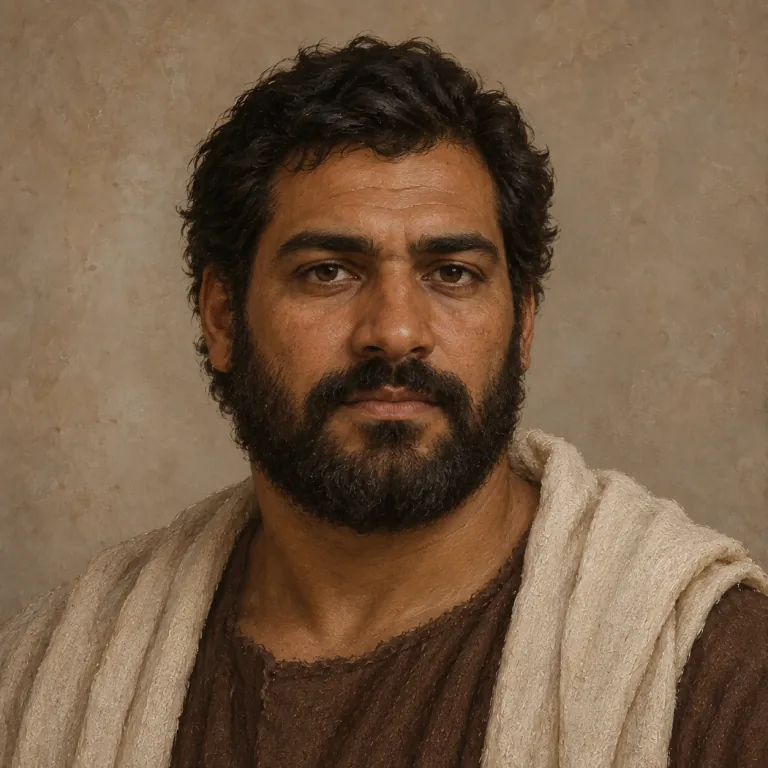
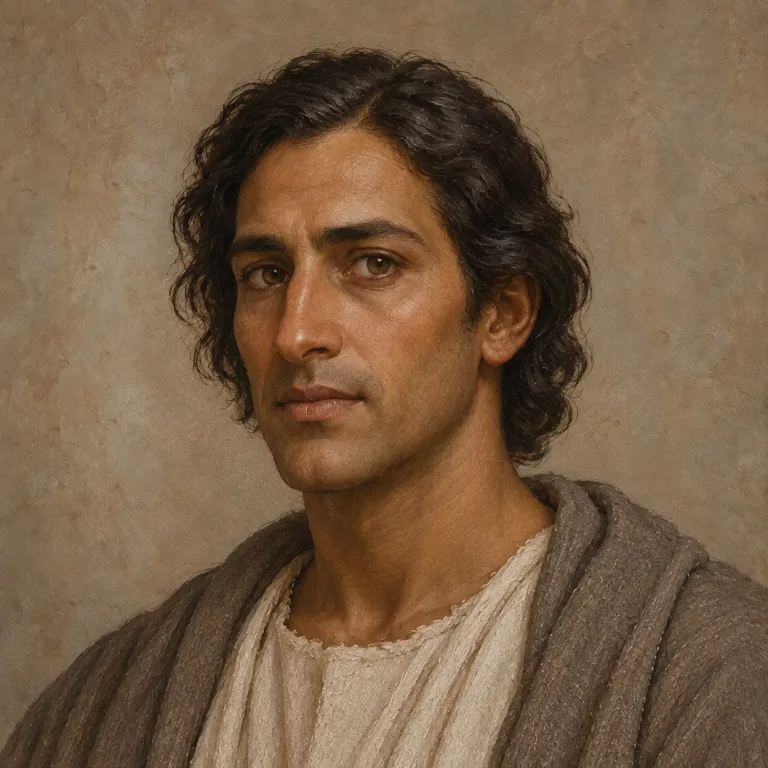
Also indexed here: