Person in the Old Testament
Abihu
Abihu: Aaron's son in the covenant and priesthood accounts

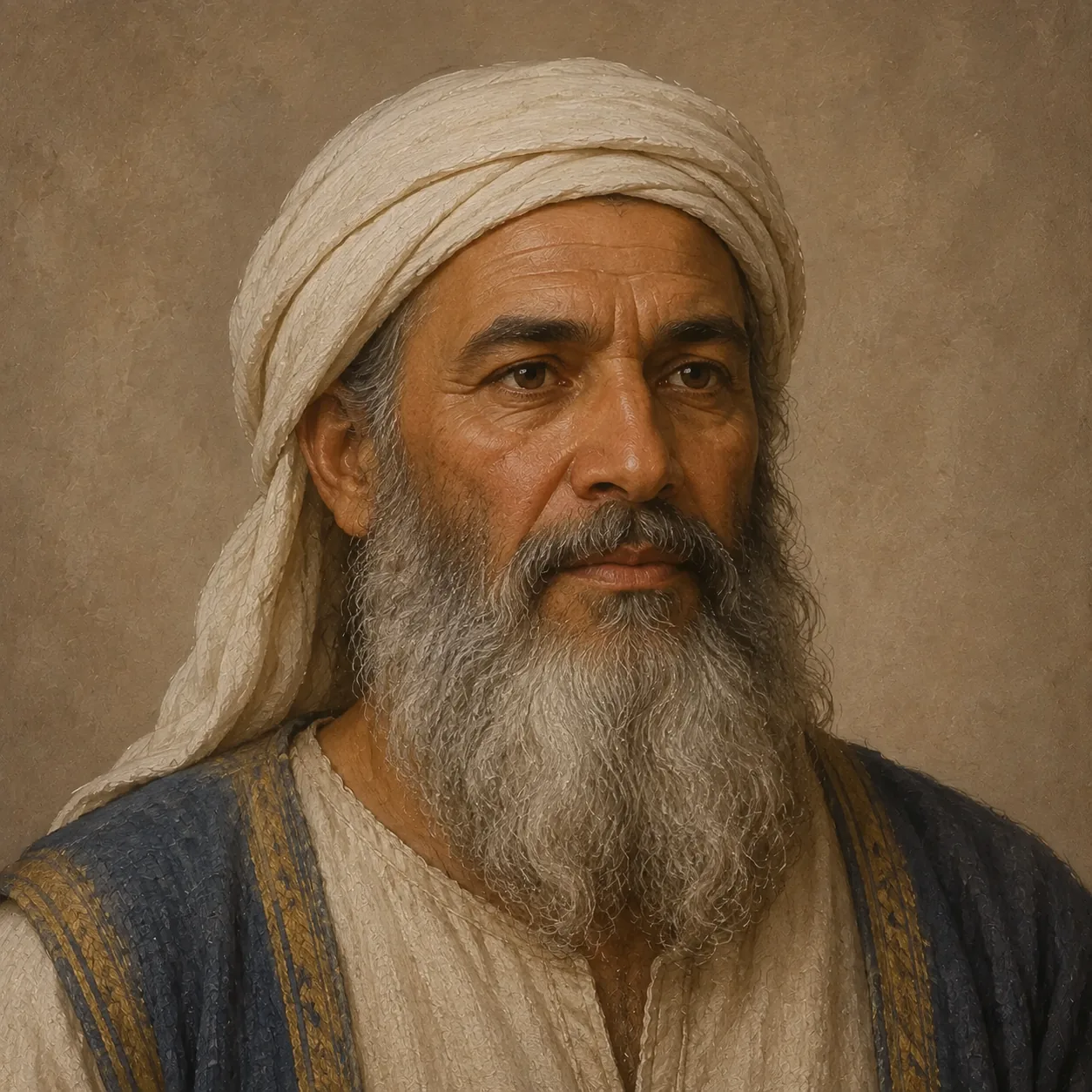
Portrait: an AI-generated artistic interpretation, not evidence of how Abihu looked.
Who Abihu is
Abihu is a son of Aaron and Elisheba, named with his brothers Nadab, Eleazar and Ithamar. He and Nadab are named among those who ascend with Moses, Aaron and seventy elders in Exodus 24. The group sees the God of Israel and eats and drinks. Exodus later names the brothers with Aaron for priestly service. In Leviticus, Nadab and Abihu each take a censer and offer fire that the Lord had not commanded. Fire comes from the Lord, and both die. Numbers records that they had no children and that Eleazar and Ithamar ministered in their father's presence.
Cited passages: Exodus 6:23, Numbers 3:2, Exodus 24:9, Exodus 24:10, Exodus 24:11, Exodus 28:1, Leviticus 10:1, Leviticus 10:2, Numbers 3:3, Numbers 3:4
Historical setting
The passage describes Abihu's final act together with Nadab's. It says each took a censer and that their offering was not commanded; it does not give either brother an individual explanation or motive. Numbers locates their deaths in the wilderness of Sinai, and Chronicles says they died before Aaron. The later priestly divisions belong to the lines of Eleazar and Ithamar, not to descendants of these two brothers.
Cited passages: Leviticus 10:1, Numbers 3:4, 1 Chronicles 24:1, 1 Chronicles 24:2, 1 Chronicles 24:3, 1 Chronicles 24:4
How the story is told
Exodus 24 names the brothers within the group invited to ascend, while distinguishing Moses' closer approach. The later account of their offering describes the Lord's judgment, followed by Moses' statement about holiness and Aaron's silence. Numbers and Chronicles recall the deaths in family and priestly records. These repetitions preserve both the brothers' earlier inclusion and the end of their line without supplying separate personalities for them.
Cited passages: Exodus 24:1, Exodus 24:2, Exodus 24:9, Leviticus 10:1, Leviticus 10:2, Leviticus 10:3, Numbers 26:60, Numbers 26:61, 1 Chronicles 6:3, 1 Chronicles 24:1, 1 Chronicles 24:2
Story moments
- He ascends with the named group (Exodus 24:9). Abihu and Nadab go up with Moses, Aaron and seventy elders.
- He is named for priestly service (Exodus 28:1). Abihu appears with Aaron and his other sons in the instruction.
- The brothers offer uncommanded fire (Leviticus 10:1). Nadab and Abihu each take a censer and make the offering described in the passage.
- Their deaths and lack of children are recorded (Numbers 3:4). Numbers recalls the deaths and names Eleazar and Ithamar as ministering before Aaron.
Key passages
Exodus 6:23
And Aaron took him Elisheba, daughter of Amminadab, sister of Naashon, to wife; and she bare him Nadab, and Abihu, Eleazar, and Ithamar.
Exodus 24:1
And he said unto Moses, Come up unto the Lord, thou, and Aaron, Nadab, and Abihu, and seventy of the elders of Israel; and worship ye afar off.
Exodus 24:9
Then went up Moses, and Aaron, Nadab, and Abihu, and seventy of the elders of Israel:
Exodus 28:1
And take thou unto thee Aaron thy brother, and his sons with him, from among the children of Israel, that he may minister unto me in the priest’s office, even Aaron, Nadab and Abihu, Eleazar and Ithamar, Aaron’s sons.
Leviticus 10:1
And Nadab and Abihu, the sons of Aaron, took either of them his censer, and put fire therein, and put incense thereon, and offered strange fire before the Lord, which he commanded them not.
Numbers 3:2
And these are the names of the sons of Aaron; Nadab the firstborn, and Abihu, Eleazar, and Ithamar.
King James Version. 12 indexed passages in total.
For reflection
How do Abihu's earlier inclusion and the later account of the uncommanded offering contribute to the story's treatment of approaching God?
Books Abihu appears in
Related people






Names and references are adapted from STEPBible TIPNR. A person listed with a verse is named or indexed there; it does not mean they wrote or spoke it.