Person in the Old and New Testaments
Hezekiah
Hezekiah: the king of Judah who cleansed the temple, trusted the Lord against Assyria and was healed
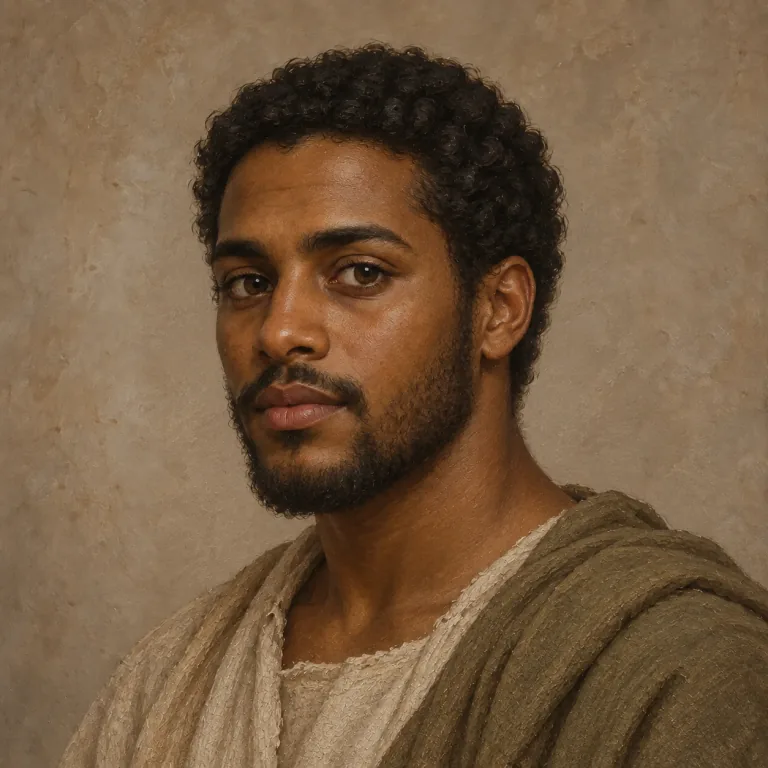
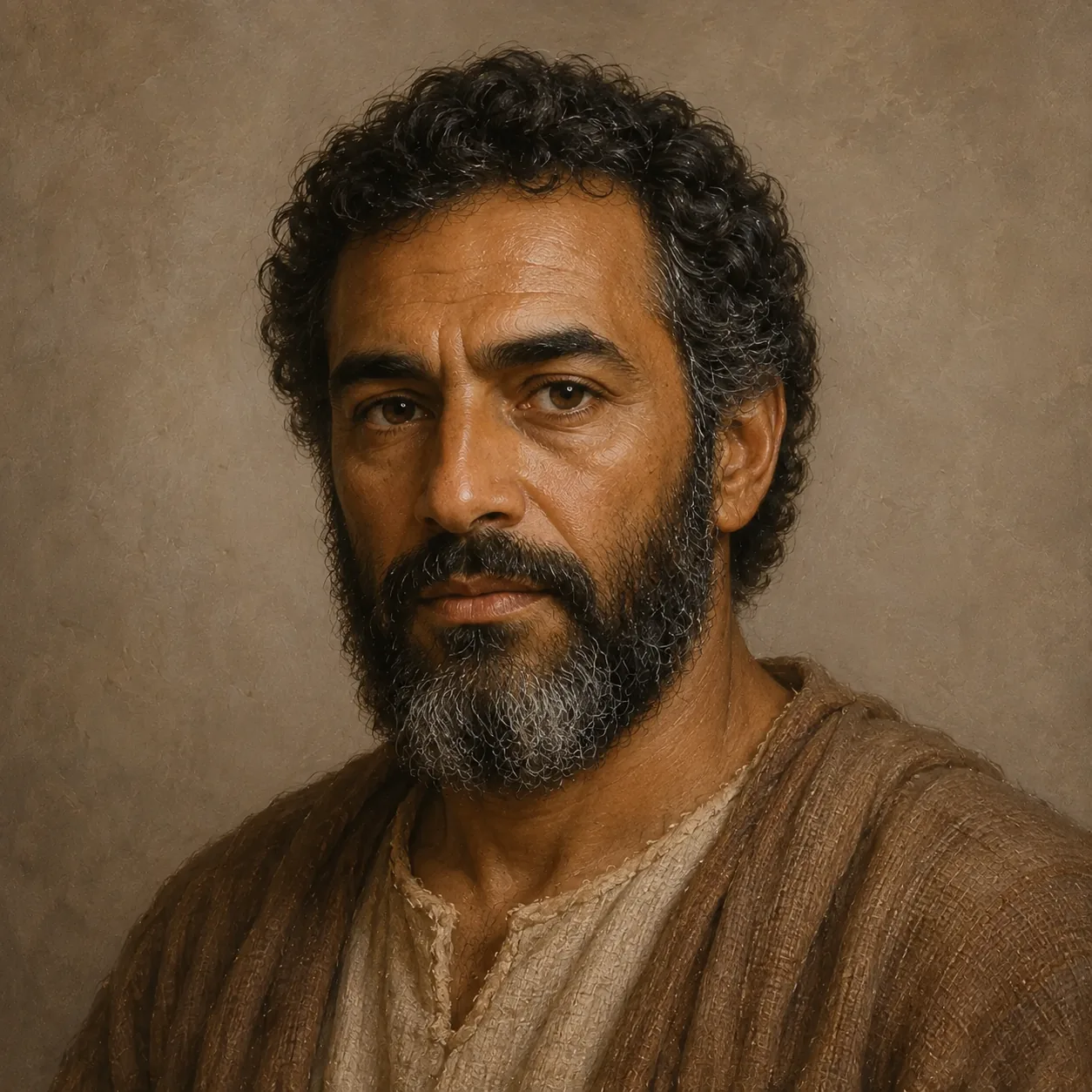
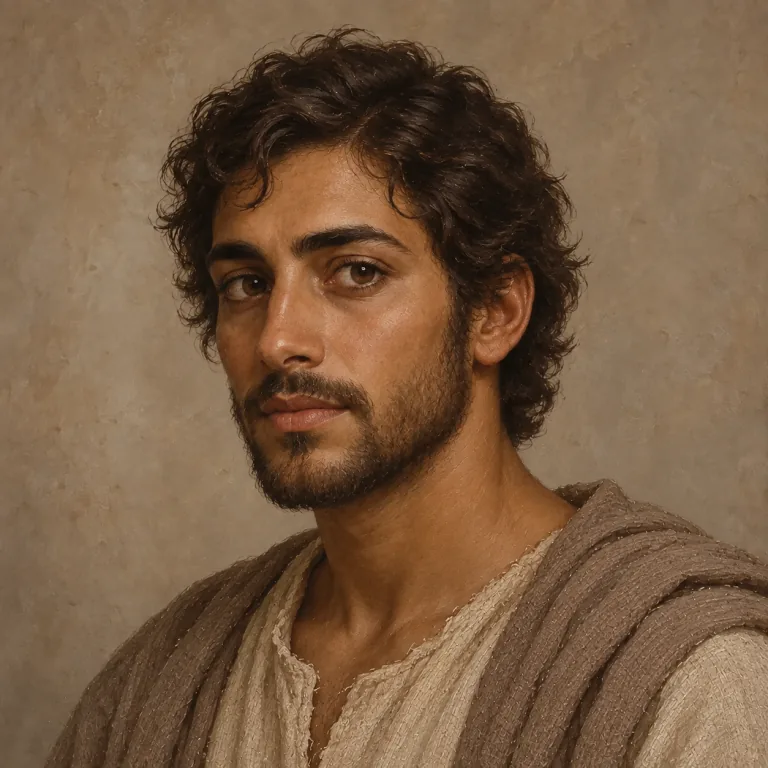
Portrait: an AI-generated artistic interpretation, not evidence of how Hezekiah looked.
Who Hezekiah is
Hezekiah is the son of Ahaz and becomes king of Judah at twenty-five, reigning twenty-nine years. Kings says he does right as David did, removes the high places, breaks the brasen serpent, trusts the Lord as no other king of Judah, rebels against Assyria and smites the Philistines. Chronicles tells how in his first year he opens the temple doors, has the Levites cleanse the house, restores the offerings with song, invites all Israel to a passover, prays for those who eat it unclean, and organises the priestly courses and tithes. In his fourteenth year Sennacherib takes the fenced cities; Kings records a tribute paid with temple silver and gold, then an embassy whose spokesman Rab-shakeh mocks Hezekiah's trust. Hezekiah goes into the house of the Lord in sackcloth, sends to Isaiah, spreads Sennacherib's letter before the Lord and prays that all kingdoms may know the Lord alone. The angel of the Lord kills a hundred and eighty-five thousand Assyrians, and Sennacherib goes home and is killed by his sons. Chronicles adds that Hezekiah stops the springs, repairs the wall, and tells the people that with Assyria is an arm of flesh. Sick unto death, he prays and weeps; the Lord adds fifteen years and turns the shadow back on the dial of Ahaz, and Isaiah preserves his writing after recovery. He shows Babylon's envoys all his treasures, and Isaiah tells him they and some of his sons will go to Babylon; he calls the word good. Chronicles says his heart was lifted up and he humbled himself, and that he was honoured at his death. Manasseh succeeds him and rebuilds what he destroyed.
Cited passages: 2 Kings 18:1, 2 Kings 18:2, 2 Kings 18:4, 2 Kings 18:5, 2 Kings 18:7, 2 Kings 18:8, 2 Chronicles 29:3, 2 Chronicles 29:5, 2 Chronicles 29:27, 2 Chronicles 30:1, 2 Chronicles 30:18, 2 Chronicles 31:2, 2 Kings 18:13, 2 Kings 18:15, 2 Kings 18:19, 2 Kings 19:1, 2 Kings 19:14, 2 Kings 19:19, 2 Kings 19:35, 2 Kings 19:37, 2 Chronicles 32:4, 2 Chronicles 32:8, 2 Kings 20:3, 2 Kings 20:6, 2 Kings 20:11, Isaiah 38:9, 2 Kings 20:13, 2 Kings 20:18, 2 Kings 20:19, 2 Chronicles 32:25, 2 Chronicles 32:26, 2 Chronicles 32:33, 2 Kings 21:3
Historical setting
Hezekiah's story is told three times, in 2 Kings 18 to 20, Isaiah 36 to 39 and 2 Chronicles 29 to 32, and the accounts do not carry the same material. Kings and Isaiah run nearly word for word through the siege, the illness and the envoys; Isaiah alone adds Hezekiah's writing after his recovery, and Kings alone records the tribute paid at Lachish and the naming of the serpent Nehushtan. Chronicles gives four chapters to temple cleansing, passover and tithes, compresses the siege, omits the tribute, says his heart was lifted up after his healing, and says God left him to try him in the matter of the Babylonian ambassadors. His mother is Abi in Kings and Abijah in Chronicles. Isaiah the son of Amoz is the only prophet who speaks to him in these narratives, and the superscriptions of Isaiah, Hosea and Micah place those prophets in his days; Jeremiah 26 records elders recalling that Hezekiah feared the Lord when Micah prophesied against Zion rather than putting him to death. Proverbs 25 credits the men of Hezekiah with copying Solomon's proverbs, and 1 Chronicles 4 dates a settlement by men written by name to his days. Matthew lists him as Ezekias in Jesus' genealogy, and Jeremiah 15 names Manasseh as his son. The texts do not date the illness or the envoys beyond in those days and at that time, and they do not say why the tribute was followed by the embassy. The title Reformer belongs to the product handle, not to the text.
Cited passages: Isaiah 36:1, Isaiah 38:9, 2 Kings 18:14, 2 Kings 18:4, 2 Chronicles 32:9, 2 Chronicles 32:25, 2 Chronicles 32:31, 2 Kings 18:2, 2 Chronicles 29:1, Isaiah 1:1, Hosea 1:1, Micah 1:1, Jeremiah 26:18, Jeremiah 26:19, Proverbs 25:1, 1 Chronicles 4:41, Matthew 1:9, Jeremiah 15:4, 2 Kings 20:1, 2 Kings 20:12
How the story is told
In Kings the word that defines Hezekiah is trust. The narrator praises it, Rab-shakeh turns it into a taunt, and Hezekiah answers by taking the enemy's letter into the house of the Lord. He is set against his father Ahaz, who called himself Assyria's servant and paid with the temple's silver, and against his son Manasseh, who rebuilds what he destroyed; his own tribute at Lachish sits inside that contrast without cancelling the praise. Two scenes with Isaiah run in opposite directions, a death sentence reversed by tears and a friendly visit that ends in a sentence on his sons. Chronicles builds him as a king of worship: doors opened in his first month, Levites sanctified, song restored, a passover with joy not seen since Solomon, and a prayer for the unclean that the Lord hears. Its siege story is short and its speech is his, an arm of flesh against the Lord our God, and it then turns to pride and humbling. Isaiah lets him speak in the first person after his recovery, in the images of a shepherd's tent and a weaver's cut thread, and closes on the living who praise. Jeremiah uses him as a precedent for how a king should answer a prophet, and Matthew makes him a link in a list.
Cited passages: 2 Kings 18:5, 2 Kings 18:20, 2 Kings 19:14, 2 Kings 16:7, 2 Kings 16:8, 2 Chronicles 33:3, 2 Kings 18:16, 2 Kings 20:5, 2 Kings 20:17, 2 Chronicles 29:3, 2 Chronicles 30:26, 2 Chronicles 30:20, 2 Chronicles 32:8, 2 Chronicles 32:26, Isaiah 38:12, Isaiah 38:19, Jeremiah 26:19, Matthew 1:10
Story moments
- Nehushtan broken (2 Kings 18:4). Hezekiah removes the high places and breaks the brasen serpent Moses made.
- The temple doors opened (2 Chronicles 29:3). In his first month Hezekiah opens and repairs the doors of the house of the Lord.
- Prayer for the unclean (2 Chronicles 30:20). The Lord hears Hezekiah's prayer for those who ate the passover unclean and heals the people.
- The letter spread before the Lord (2 Kings 19:14). Hezekiah takes Sennacherib's letter into the temple and prays.
- The Assyrian camp struck (2 Kings 19:35). The angel of the Lord kills a hundred and eighty-five thousand Assyrians in one night.
- Fifteen years added (2 Kings 20:5). The Lord hears Hezekiah's prayer and tears and promises healing.
- Everything shown to Babylon (2 Kings 20:17). After Hezekiah shows the envoys his treasures, Isaiah says they will be carried to Babylon.
Key passages
2 Kings 16:20
And Ahaz slept with his fathers, and was buried with his fathers in the city of David: and Hezekiah his son reigned in his stead.
2 Kings 18:1
Now it came to pass in the third year of Hoshea son of Elah king of Israel, that Hezekiah the son of Ahaz king of Judah began to reign.
2 Kings 18:9
And it came to pass in the fourth year of king Hezekiah, which was the seventh year of Hoshea son of Elah king of Israel, that Shalmaneser king of Assyria came up against Samaria, and besieged it.
2 Kings 18:10
And at the end of three years they took it: even in the sixth year of Hezekiah, that is the ninth year of Hoshea king of Israel, Samaria was taken.
2 Kings 18:13
Now in the fourteenth year of king Hezekiah did Sennacherib king of Assyria come up against all the fenced cities of Judah, and took them.
2 Kings 18:14
And Hezekiah king of Judah sent to the king of Assyria to Lachish, saying, I have offended; return from me: that which thou puttest on me will I bear. And the king of Assyria appointed unto Hezekiah king of Judah three hundred talents of silver and thirty talents of gold.
King James Version. 116 indexed passages in total.
For reflection
Kings praises Hezekiah's trust as unmatched among Judah's kings and, a few verses later, records him stripping the temple gold to pay Assyria. What does reading both in the same chapter suggest about how the narrator understands trust?
Books Hezekiah appears in
Related people
Names and references are adapted from STEPBible TIPNR. A person listed with a verse is named or indexed there; it does not mean they wrote or spoke it.