The Histories · Old Testament
2 Chronicles 31
2 Chronicles 31: tithes laid in heaps and Hezekiah's provision for the priests
General context
When the feast is over, all Israel present go out and break the images, cut down the groves and throw down the high places and altars in Judah, Benjamin, Ephraim and Manasseh, then return home. Hezekiah appoints the courses of priests and Levites, sets aside the king's portion for the daily, sabbath, new moon and feast burnt offerings as written in the law, and commands the people of Jerusalem to give the priests' and Levites' portion so that they may be encouraged in the law. The people bring firstfruits and tithes of produce, oxen, sheep and holy things, laying them in heaps from the third month to the seventh. Hezekiah and the princes see the heaps and bless the Lord and his people. Asked about the heaps, Azariah the chief priest of the house of Zadok answers that since the offerings began they have had enough to eat with plenty left, because the Lord has blessed his people. Hezekiah orders chambers prepared in the house of the Lord, and the offerings, tithes and dedicated things are brought in faithfully under Cononiah the Levite, his brother Shimei and ten named overseers. Kore the porter oversees the freewill offerings, with six men in the priests' cities distributing by courses to great and small, by genealogy, to priests, Levites, their families and the priests in the fields around their cities. The narrator sums up that Hezekiah did what was good, right and true throughout Judah, and that in every work he began he acted with all his heart and prospered.
Cited passages: 2 Chronicles 31:1, 2 Chronicles 31:2, 2 Chronicles 31:3, 2 Chronicles 31:4, 2 Chronicles 31:5, 2 Chronicles 31:6, 2 Chronicles 31:7, 2 Chronicles 31:8, 2 Chronicles 31:9, 2 Chronicles 31:10, 2 Chronicles 31:11, 2 Chronicles 31:12, 2 Chronicles 31:13, 2 Chronicles 31:14, 2 Chronicles 31:15, 2 Chronicles 31:16, 2 Chronicles 31:17, 2 Chronicles 31:18, 2 Chronicles 31:19, 2 Chronicles 31:20, 2 Chronicles 31:21
2 Chronicles 31 (KJV)
1Now when all this was finished, all Israel that were present went out to the cities of Judah, and brake the images in pieces, and cut down the groves, and threw down the high places and the altars out of all Judah and Benjamin, in Ephraim also and Manasseh, until they had utterly destroyed them all. Then all the children of Israel returned, every man to his possession, into their own cities.
2And Hezekiah appointed the courses of the priests and the Levites after their courses, every man according to his service, the priests and Levites for burnt offerings and for peace offerings, to minister, and to give thanks, and to praise in the gates of the tents of the Lord.
3He appointed also the king’s portion of his substance for the burnt offerings, to wit, for the morning and evening burnt offerings, and the burnt offerings for the sabbaths, and for the new moons, and for the set feasts, as it is written in the law of the Lord.
4Moreover he commanded the people that dwelt in Jerusalem to give the portion of the priests and the Levites, that they might be encouraged in the law of the Lord.
5And as soon as the commandment came abroad, the children of Israel brought in abundance the firstfruits of corn, wine, and oil, and honey, and of all the increase of the field; and the tithe of all things brought they in abundantly.
6And concerning the children of Israel and Judah, that dwelt in the cities of Judah, they also brought in the tithe of oxen and sheep, and the tithe of holy things which were consecrated unto the Lord their God, and laid them by heaps.
7In the third month they began to lay the foundation of the heaps, and finished them in the seventh month.
8And when Hezekiah and the princes came and saw the heaps, they blessed the Lord, and his people Israel.
9Then Hezekiah questioned with the priests and the Levites concerning the heaps.
10And Azariah the chief priest of the house of Zadok answered him, and said, Since the people began to bring the offerings into the house of the Lord, we have had enough to eat, and have left plenty: for the Lord hath blessed his people; and that which is left is this great store.
11Then Hezekiah commanded to prepare chambers in the house of the Lord; and they prepared them,
12And brought in the offerings and the tithes and the dedicated things faithfully: over which Cononiah the Levite was ruler, and Shimei his brother was the next.
13And Jehiel, and Azaziah, and Nahath, and Asahel, and Jerimoth, and Jozabad, and Eliel, and Ismachiah, and Mahath, and Benaiah, were overseers under the hand of Cononiah and Shimei his brother, at the commandment of Hezekiah the king, and Azariah the ruler of the house of God.
14And Kore the son of Imnah the Levite, the porter toward the east, was over the freewill offerings of God, to distribute the oblations of the Lord, and the most holy things.
15And next him were Eden, and Miniamin, and Jeshua, and Shemaiah, Amariah, and Shecaniah, in the cities of the priests, in their set office, to give to their brethren by courses, as well to the great as to the small:
16Beside their genealogy of males, from three years old and upward, even unto every one that entereth into the house of the Lord, his daily portion for their service in their charges according to their courses;
17Both to the genealogy of the priests by the house of their fathers, and the Levites from twenty years old and upward, in their charges by their courses;
18And to the genealogy of all their little ones, their wives, and their sons, and their daughters, through all the congregation: for in their set office they sanctified themselves in holiness:
19Also of the sons of Aaron the priests, which were in the fields of the suburbs of their cities, in every several city, the men that were expressed by name, to give portions to all the males among the priests, and to all that were reckoned by genealogies among the Levites.
20And thus did Hezekiah throughout all Judah, and wrought that which was good and right and truth before the Lord his God.
21And in every work that he began in the service of the house of God, and in the law, and in the commandments, to seek his God, he did it with all his heart, and prospered.
This page shows the King James Version. In the app, reading opens in the Berean Standard Bible unless you have chosen another translation. The reader includes five translations: the Berean Standard Bible (BSB), the King James Version (KJV), the World English Bible (WEB), the Bible in Basic English (BBE), and the American Standard Version (ASV). Search covers three of them: Berean Standard, King James, and World English. Basic English and American Standard readers search the King James words.
Historical context
The destruction of images and high places extends beyond Judah and Benjamin into Ephraim and Manasseh, and the text states this without explaining how it was possible there. Azariah is called the chief priest of the house of Zadok; an Azariah was chief priest under Uzziah, and the chapter does not say whether this is the same man. The heaps accumulate from the third month to the seventh, the only time markers given. The distribution rules set age thresholds, males from three years old who enter the house and Levites from twenty years old, and cover wives, sons and daughters through the genealogies, as well as priests living in the fields around their cities. The officers are named: Cononiah and Shimei, ten overseers under them, Kore the son of Imnah, and six men under Kore. The phrase the tents of the Lord is the text's own for the place of praise. No opposition, prophet or enemy appears in the chapter, and the closing verdict on Hezekiah, that he did every work with all his heart and prospered, immediately precedes the next chapter's opening, after these things, and the establishment thereof, which introduces Sennacherib's invasion.
Cited passages: 2 Chronicles 31:1, 2 Chronicles 31:10, 2 Chronicles 26:20, 2 Chronicles 31:7, 2 Chronicles 31:16, 2 Chronicles 31:17, 2 Chronicles 31:18, 2 Chronicles 31:19, 2 Chronicles 31:12, 2 Chronicles 31:14, 2 Chronicles 31:2, 2 Chronicles 31:21, 2 Chronicles 32:1
Literary context
The chapter moves from a single verse of destruction to a long account of order: courses, the king's portion, the people's portion, the heaps, a question and its answer, chambers, officers and the rules of distribution, and then a verdict. The heaps are the visible center. They rise over four months, the king and princes see them and bless, and the only dialogue in the chapter is the king's question about them and the priest's reply that there has been enough and plenty left. That reply reverses two earlier scenes, the Levites who did not hasten Joash's collection and the priests too few for Hezekiah's first offerings; here abundance is the problem to be managed. The narrator stresses faithfully, by courses and by genealogy, so that the distribution reaches the small as well as the great. The closing verdict gathers the king's whole conduct into good and right and truth and all his heart, and the next chapter begins by testing that establishment with an invading army.
Cited passages: 2 Chronicles 31:1, 2 Chronicles 31:6, 2 Chronicles 31:8, 2 Chronicles 31:10, 2 Chronicles 24:5, 2 Chronicles 29:34, 2 Chronicles 31:12, 2 Chronicles 31:15, 2 Chronicles 31:20, 2 Chronicles 32:1
Key moments
- Images broken across the land (2 Chronicles 31:1). All Israel present destroy the high places and altars in Judah, Benjamin, Ephraim and Manasseh.
- The priests' portion commanded (2 Chronicles 31:4). Hezekiah orders Jerusalem to support the priests and Levites so they can keep the law.
- Tithes laid in heaps (2 Chronicles 31:6). The people bring tithes of cattle and holy things and pile them up.
- Azariah's answer (2 Chronicles 31:10). The chief priest reports enough to eat and a great store left over.
- Chambers prepared (2 Chronicles 31:11). The king has storerooms built in the house of the Lord for the offerings.
- With all his heart (2 Chronicles 31:21). The narrator says Hezekiah did every work wholeheartedly and prospered.
For reflection
The chief priest says that since the people began to bring their offerings, those who serve have had enough to eat and plenty left. What connection does the chapter draw between what a people gives and the encouragement of those who serve them, and where does the surplus go?
People in this chapter
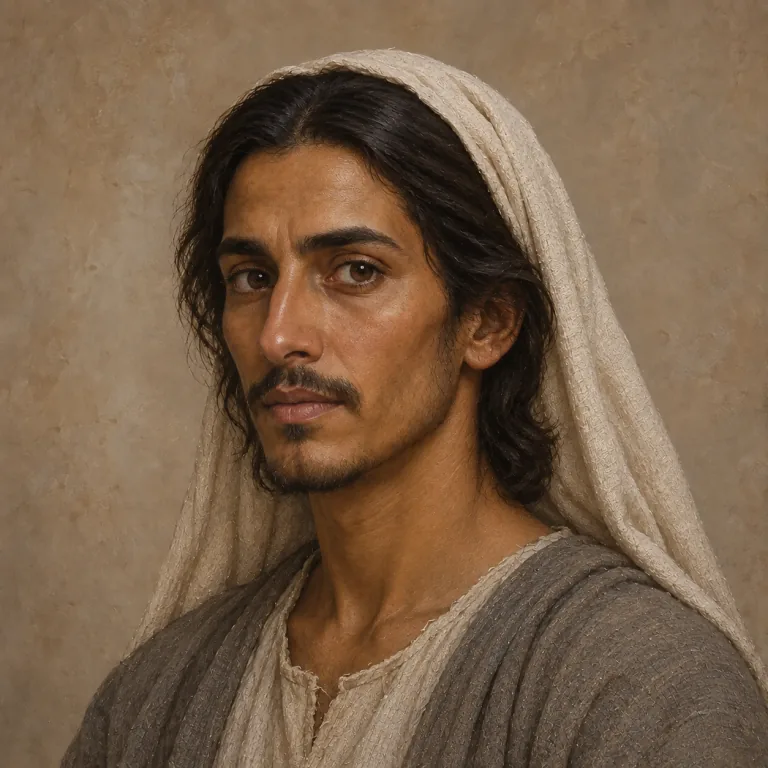
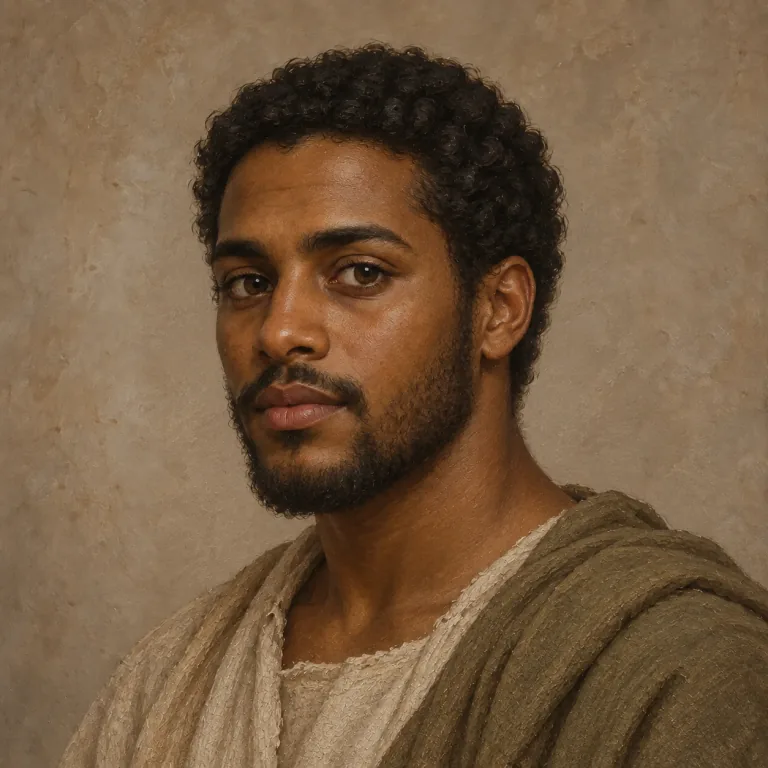

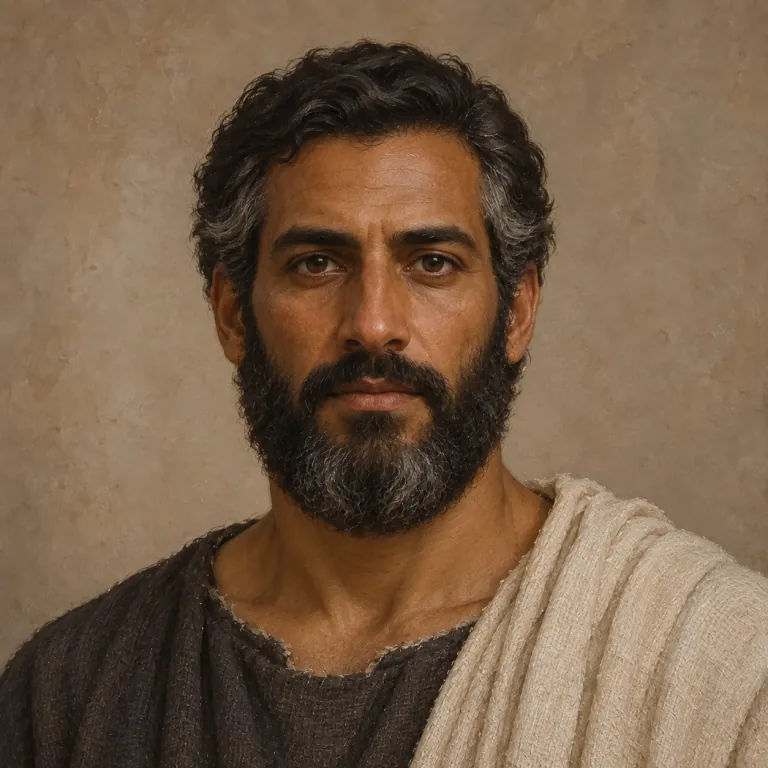
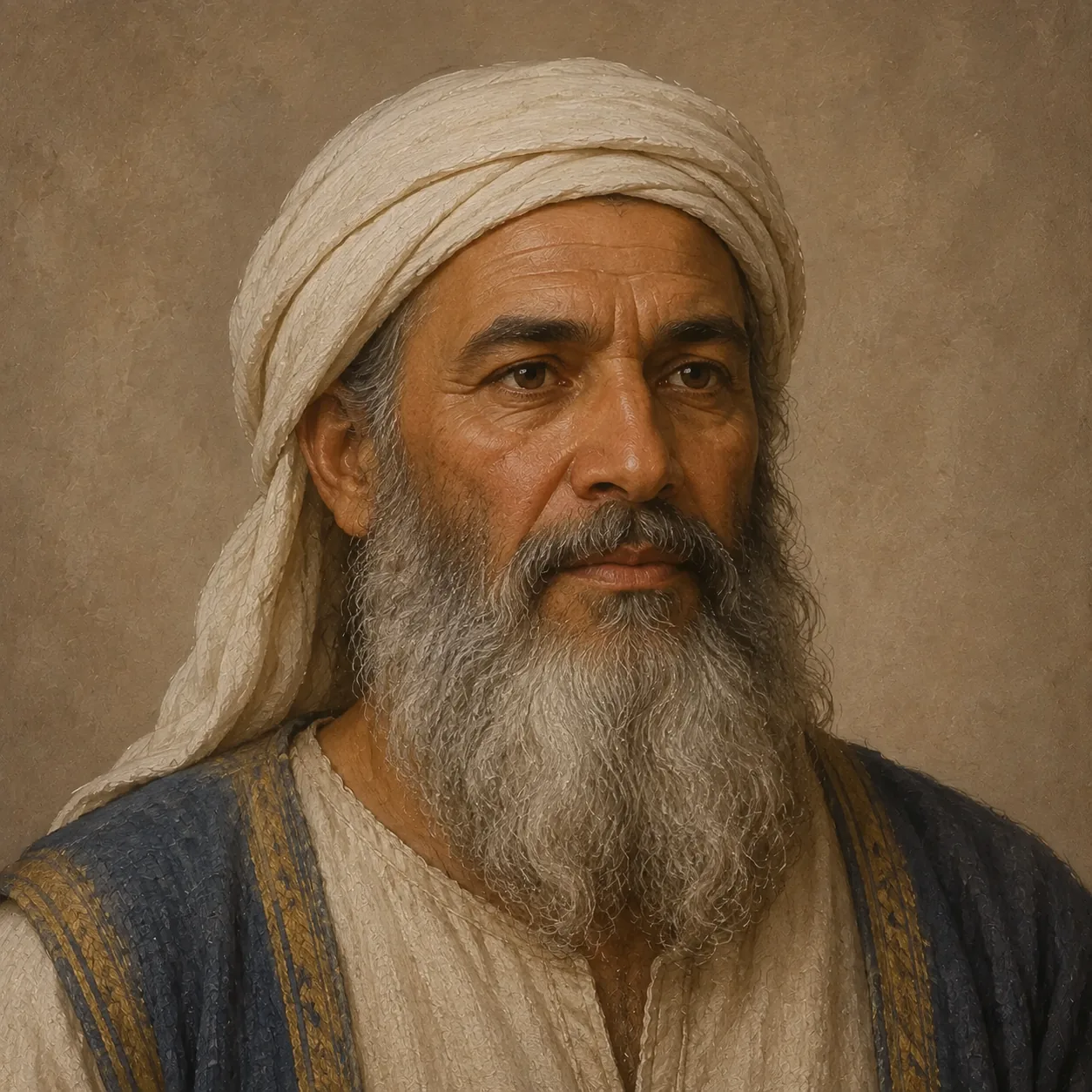
Also indexed here: