The Histories · Old Testament
1 Chronicles 4
1 Chronicles 4: Judah's families, Jabez's prayer and Simeon's cities
General context
The chapter returns to Judah, naming families and the towns they fathered: the Zorathites, the men of Etam, Hur "the father of Beth-lehem", Ashur the father of Tekoa and his two wives. Jabez is set apart as "more honourable than his brethren"; his mother named him for the sorrow of his birth, and he calls on the God of Israel to bless him, enlarge his coast, keep his hand with him and keep him from evil, "And God granted him that which he requested." Further families follow: Kenaz's sons Othniel and Seraiah, Joab the father of the craftsmen's valley, Caleb the son of Jephunneh, the sons of Ezra and of Bithiah the daughter of Pharaoh whom Mered took, and Shelah's sons, who include linen workers, men who "had the dominion in Moab", and potters who "dwelt with the king for his work". Simeon's sons and Shimei's sixteen sons and six daughters are listed, with the note that the tribe did not multiply like Judah. Their cities "unto the reign of David" and villages are named. Named princes go to Gedor seeking pasture, find quiet land where Ham's people had dwelt, and in the days of Hezekiah destroy the inhabitants and settle there. Five hundred Simeonites go to mount Seir, strike the remaining Amalekites and dwell there "unto this day".
Cited passages: 1 Chronicles 4:1, 1 Chronicles 4:2, 1 Chronicles 4:4, 1 Chronicles 4:5, 1 Chronicles 4:9, 1 Chronicles 4:10, 1 Chronicles 4:13, 1 Chronicles 4:14, 1 Chronicles 4:15, 1 Chronicles 4:18, 1 Chronicles 4:21, 1 Chronicles 4:22, 1 Chronicles 4:23, 1 Chronicles 4:24, 1 Chronicles 4:27, 1 Chronicles 4:31, 1 Chronicles 4:38, 1 Chronicles 4:39, 1 Chronicles 4:40, 1 Chronicles 4:41, 1 Chronicles 4:42, 1 Chronicles 4:43
1 Chronicles 4 (KJV)
1The sons of Judah; Pharez, Hezron, and Carmi, and Hur, and Shobal.
2And Reaiah the son of Shobal begat Jahath; and Jahath begat Ahumai, and Lahad. These are the families of the Zorathites.
3And these were of the father of Etam; Jezreel, and Ishma, and Idbash: and the name of their sister was Hazelelponi:
4And Penuel the father of Gedor, and Ezer the father of Hushah. These are the sons of Hur, the firstborn of Ephratah, the father of Beth-lehem.
5And Ashur the father of Tekoa had two wives, Helah and Naarah.
6And Naarah bare him Ahuzam, and Hepher, and Temeni, and Haahashtari. These were the sons of Naarah.
7And the sons of Helah were, Zereth, and Jezoar, and Ethnan.
8And Coz begat Anub, and Zobebah, and the families of Aharhel the son of Harum.
9And Jabez was more honourable than his brethren: and his mother called his name Jabez, saying, Because I bare him with sorrow.
10And Jabez called on the God of Israel, saying, Oh that thou wouldest bless me indeed, and enlarge my coast, and that thine hand might be with me, and that thou wouldest keep me from evil, that it may not grieve me! And God granted him that which he requested.
11And Chelub the brother of Shuah begat Mehir, which was the father of Eshton.
12And Eshton begat Beth-rapha, and Paseah, and Tehinnah the father of Ir-nahash. These are the men of Rechah.
13And the sons of Kenaz; Othniel, and Seraiah: and the sons of Othniel; Hathath.
14And Meonothai begat Ophrah: and Seraiah begat Joab, the father of the valley of Charashim; for they were craftsmen.
15And the sons of Caleb the son of Jephunneh; Iru, Elah, and Naam: and the sons of Elah, even Kenaz.
16And the sons of Jehaleleel; Ziph, and Ziphah, Tiria, and Asareel.
17And the sons of Ezra were, Jether, and Mered, and Epher, and Jalon: and she bare Miriam, and Shammai, and Ishbah the father of Eshtemoa.
18And his wife Jehudijah bare Jered the father of Gedor, and Heber the father of Socho, and Jekuthiel the father of Zanoah. And these are the sons of Bithiah the daughter of Pharaoh, which Mered took.
19And the sons of his wife Hodiah the sister of Naham, the father of Keilah the Garmite, and Eshtemoa the Maachathite.
20And the sons of Shimon were, Amnon, and Rinnah, Ben-hanan, and Tilon. And the sons of Ishi were, Zoheth, and Ben-zoheth.
21The sons of Shelah the son of Judah were, Er the father of Lecah, and Laadah the father of Mareshah, and the families of the house of them that wrought fine linen, of the house of Ashbea,
22And Jokim, and the men of Chozeba, and Joash, and Saraph, who had the dominion in Moab, and Jashubi-lehem. And these are ancient things.
23These were the potters, and those that dwelt among plants and hedges: there they dwelt with the king for his work.
24The sons of Simeon were, Nemuel, and Jamin, Jarib, Zerah, and Shaul:
25Shallum his son, Mibsam his son, Mishma his son.
26And the sons of Mishma; Hamuel his son, Zacchur his son, Shimei his son.
27And Shimei had sixteen sons and six daughters; but his brethren had not many children, neither did all their family multiply, like to the children of Judah.
28And they dwelt at Beer-sheba, and Moladah, and Hazar-shual,
29And at Bilhah, and at Ezem, and at Tolad,
30And at Bethuel, and at Hormah, and at Ziklag,
31And at Beth-marcaboth, and Hazar-susim, and at Beth-birei, and at Shaaraim. These were their cities unto the reign of David.
32And their villages were, Etam, and Ain, Rimmon, and Tochen, and Ashan, five cities:
33And all their villages that were round about the same cities, unto Baal. These were their habitations, and their genealogy.
34And Meshobab, and Jamlech, and Joshah the son of Amaziah,
35And Joel, and Jehu the son of Josibiah, the son of Seraiah, the son of Asiel,
36And Elioenai, and Jaakobah, and Jeshohaiah, and Asaiah, and Adiel, and Jesimiel, and Benaiah,
37And Ziza the son of Shiphi, the son of Allon, the son of Jedaiah, the son of Shimri, the son of Shemaiah;
38These mentioned by their names were princes in their families: and the house of their fathers increased greatly.
39And they went to the entrance of Gedor, even unto the east side of the valley, to seek pasture for their flocks.
40And they found fat pasture and good, and the land was wide, and quiet, and peaceable; for they of Ham had dwelt there of old.
41And these written by name came in the days of Hezekiah king of Judah, and smote their tents, and the habitations that were found there, and destroyed them utterly unto this day, and dwelt in their rooms: because there was pasture there for their flocks.
42And some of them, even of the sons of Simeon, five hundred men, went to mount Seir, having for their captains Pelatiah, and Neariah, and Rephaiah, and Uzziel, the sons of Ishi.
43And they smote the rest of the Amalekites that were escaped, and dwelt there unto this day.
This page shows the King James Version. In the app, reading opens in the Berean Standard Bible unless you have chosen another translation. The reader includes five translations: the Berean Standard Bible (BSB), the King James Version (KJV), the World English Bible (WEB), the Bible in Basic English (BBE), and the American Standard Version (ASV). Search covers three of them: Berean Standard, King James, and World English. Basic English and American Standard readers search the King James words.
Historical context
The opening verse calls Pharez, Hezron, Carmi, Hur and Shobal "the sons of Judah", though chapter 2 placed several of them in later generations; the text does not explain the difference. Jabez is given no father and his brethren are not named; chapter 2 mentions scribes "which dwelt at Jabez", but this chapter does not connect the man with the place. His prayer is quoted, and the narrator states only that God granted it, without saying how. Caleb the son of Jephunneh is distinguished by his father's name from the Calebs of chapter 2. Verse 17 says "she bare Miriam" before any mother is named, and verse 18 then assigns children to Bithiah the daughter of Pharaoh and to "his wife Jehudijah"; the wording does not make clear which children belong to which wife. The Simeon section carries three time markers: cities held "unto the reign of David", a raid "in the days of Hezekiah king of Judah", and "unto this day", the writer's own unspecified present. The people destroyed at Gedor are described only as "they of Ham" and those "found there"; the killing is stated as destruction "utterly". The text does not say why the Simeonites' numbers stayed small.
Cited passages: 1 Chronicles 4:1, 1 Chronicles 4:9, 1 Chronicles 4:10, 1 Chronicles 4:15, 1 Chronicles 4:17, 1 Chronicles 4:18, 1 Chronicles 4:31, 1 Chronicles 4:41, 1 Chronicles 4:40, 1 Chronicles 4:27, 1 Chronicles 2:55
Literary context
The chapter mixes three kinds of entry: lines of descent, trades and towns ("the father of Gedor", "they were craftsmen", "the potters"), and short episodes. Jabez's prayer is the longest piece of direct speech in the first nine chapters, and it is framed by a wordplay the narrator states outright: his name recalls sorrow, and he asks to be kept from what would grieve him. The narrator closes it with one flat sentence of answer. The phrase "these are ancient things" signals that the writer is handling old records without expanding them. The Simeon section moves from names to numbers to cities, then into two narrated raids told in the same shape: a group goes out, finds or strikes an enemy, and dwells there "unto this day". The comparison with Judah's growth keeps Simeon in Judah's shadow, which matches its placement right after Judah's families rather than in tribal order.
Cited passages: 1 Chronicles 4:4, 1 Chronicles 4:14, 1 Chronicles 4:23, 1 Chronicles 4:9, 1 Chronicles 4:10, 1 Chronicles 4:22, 1 Chronicles 4:28, 1 Chronicles 4:41, 1 Chronicles 4:43, 1 Chronicles 4:27
Key moments
- Judah's families and their towns (1 Chronicles 4:4). Hur is named the firstborn of Ephratah and the father of Beth–lehem.
- Jabez named for sorrow (1 Chronicles 4:9). Jabez is called more honourable than his brethren, and his mother names him for her sorrow.
- Jabez's prayer granted (1 Chronicles 4:10). Jabez asks for blessing, a larger coast and protection from evil, and God grants it.
- Bithiah the daughter of Pharaoh (1 Chronicles 4:18). Children are assigned to Bithiah, Pharaoh's daughter, whom Mered took.
- Potters who worked for the king (1 Chronicles 4:23). Shelah's descendants include potters who dwelt with the king for his work.
- Simeon's cities until David (1 Chronicles 4:31). The Simeonite towns are listed as theirs unto the reign of David.
- Raid at Gedor in Hezekiah's days (1 Chronicles 4:41). In Hezekiah's days the named princes destroy the inhabitants near Gedor and settle there.
For reflection
Jabez's mother names him for her sorrow, and he asks God to keep him from what would grieve him; the narrator says God granted it and moves on. What is left unsaid about how the request was answered, and why might the list not tell more?
People in this chapter
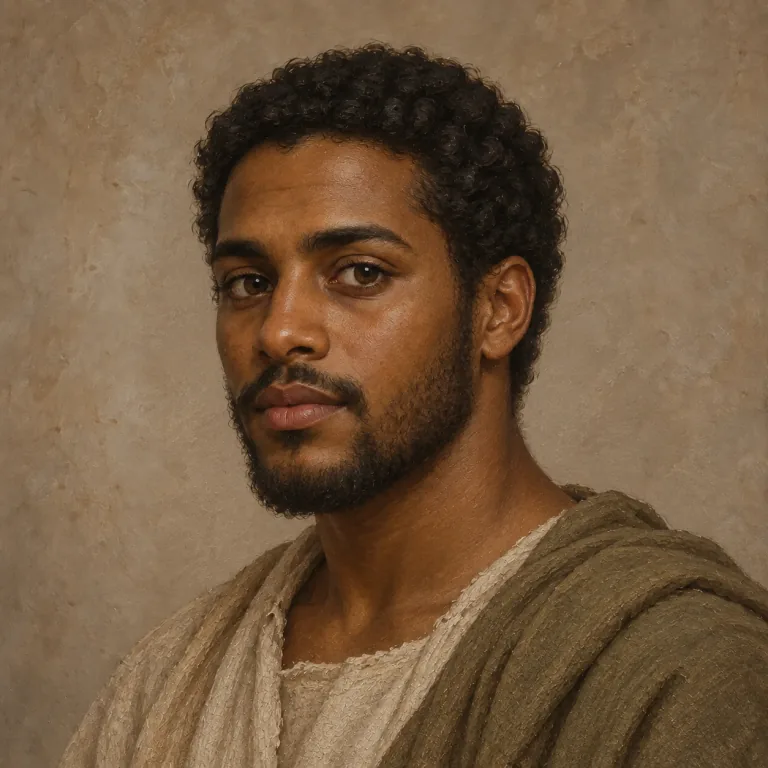

Also indexed here: